Soups
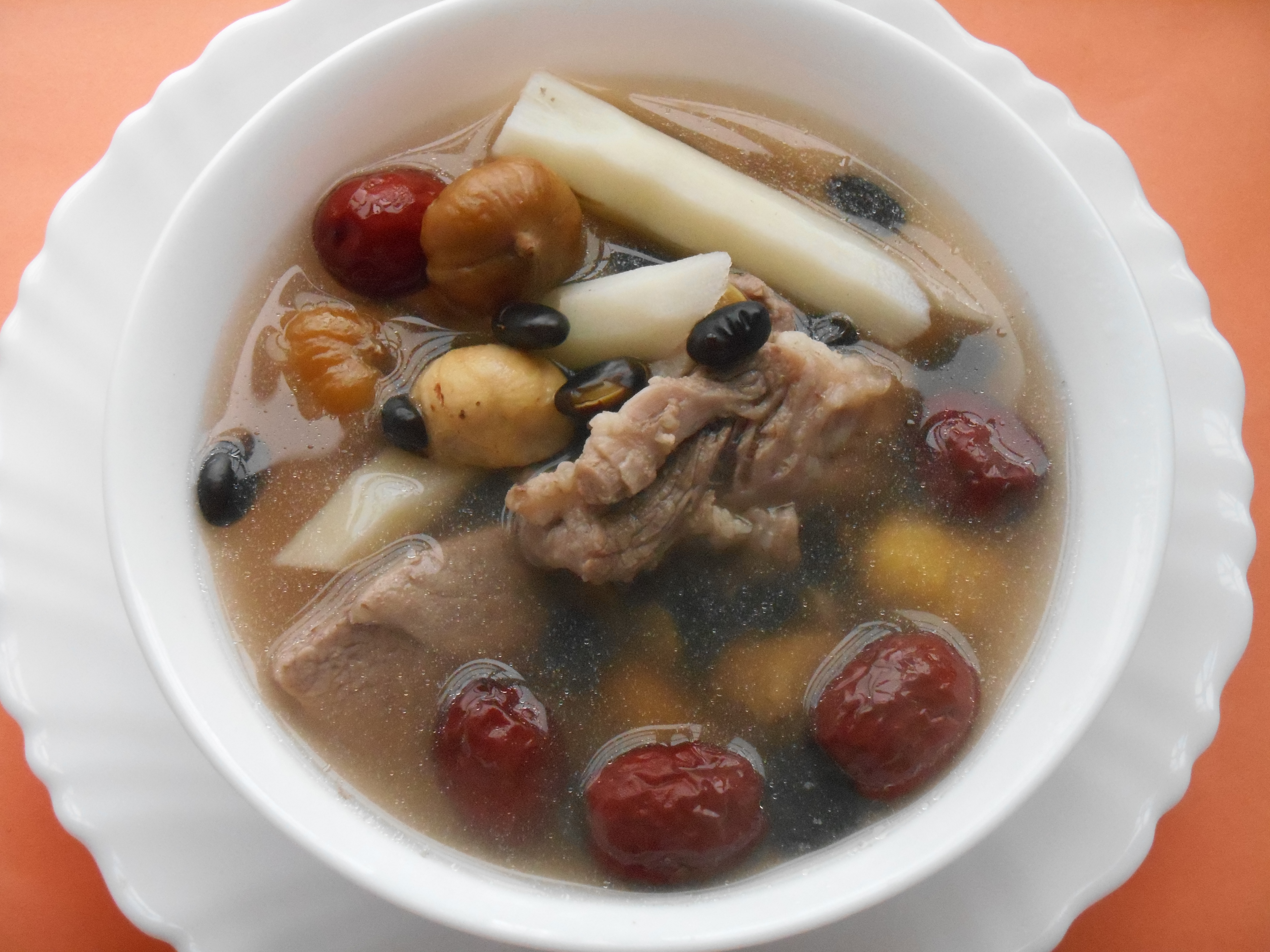
Floating Wheat and Black Bean Soup (Fu Xiao Mai Hei Dou Tang)
traditionally used to reduce excessive perspiration and night sweats in children and adults
Why people make this soup
Many young children sweat heavily during sleep — soaking their pyjamas despite a comfortable room temperature, with sweat that has no salt smell and is noticeably different from the normal sweat of exertion. In traditional Chinese food therapy, this kind of soft, odourless sweating is called “deficiency sweating” (xu han) and is considered a sign that the body’s ability to hold moisture in place is temporarily weakened. If left unaddressed over time, it can contribute to fatigue, poor concentration, and a general sense of depletion. Adults with similar night sweats — waking with damp clothing or bedding — can benefit from the same approach. This simple, gentle soup is one of the most frequently recommended remedies in Bro Niu’s many years of answering readers’ questions, and the feedback has consistently been positive.
Who it suits / who should be cautious
- Suitable for children of all ages (adjust amounts for very young babies — see tips) and adults experiencing deficiency sweating or night sweats
- Safe for people with G6PD deficiency (favism)
- Also suitable during menstruation (coming period is not a contraindication)
- Not recommended during an active fever or acute illness — wait until fever has fully resolved
- If sweating is accompanied by high fever or other concerning symptoms, please see a doctor
Why these ingredients (the food-therapy logic)
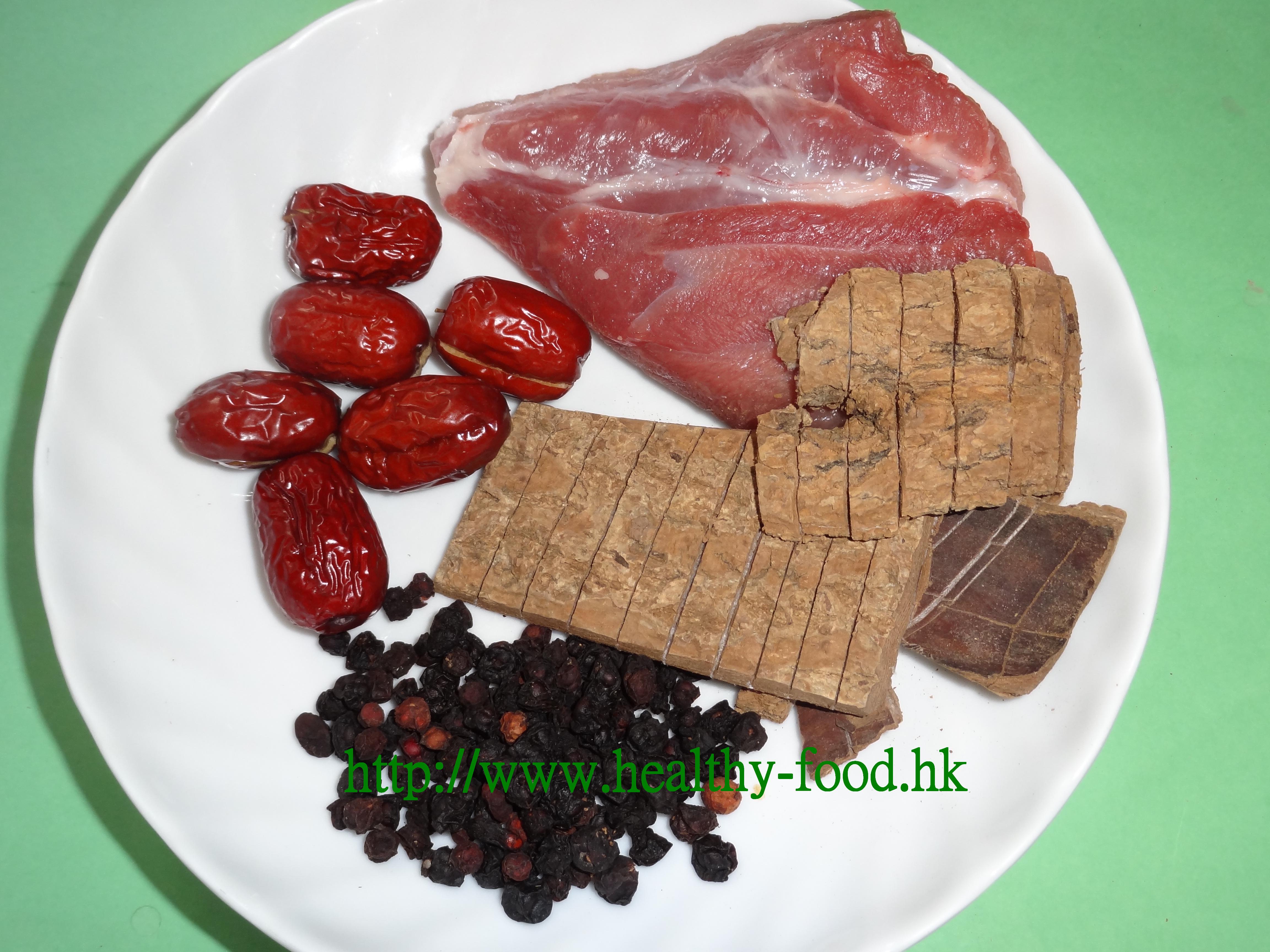
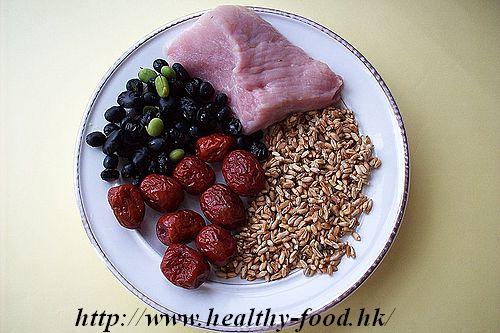
- Floating wheat (fu xiao mai): These are the lightweight, unfilled wheat grains that float on water — hence the name. In traditional Chinese food therapy, they are one of the most established herbs for addressing deficiency sweating and night sweats. Traditionally associated with calming the heart, settling the spirit, and helping the body retain its fluids. Available at Chinese herb shops.
- Black beans (hei dou, skin-on): Black soybeans with their skin intact are considered in traditional food therapy to nourish yin, enrich the blood, calm the spirit, benefit vision, and support the liver and kidneys. They are also traditionally associated with stopping sweating. For best results, dry-toast them in a clean wok before use (see tips). Choose black-skinned, green-fleshed beans for superior quality.
- Red dates / jujubes (hong zao): Traditionally associated with nourishing the blood, calming the spirit, supporting the spleen, and harmonising the other ingredients. They also add natural sweetness to the broth.
- Lean pork: Adds flavour and protein to make the broth more substantial and palatable for children.
Ingredients (2 bowls — 1 child serving; double for whole family)
| Ingredient | Amount | Notes |
|---|---|---|
| Floating wheat (fu xiao mai) | 9 g (3 qian) | or 37 g (1 liang) whole wheat grains |
| Black beans (hei dou), skin-on | 75 g (2 liang) | see tip about dry-toasting |
| Red dates, pitted | 15 pieces | |
| Lean pork | 225 g (6 liang) | |
| Water | 6 bowls | to make ~2 bowls |
Method
- Soak the black beans in cold water for 30 minutes to soften slightly. Drain and discard the soaking water.
- Optional but recommended: dry-toast the soaked and drained black beans in a clean, dry wok over medium heat, stirring constantly, until the skin begins to crack slightly and a pleasant aroma develops. This is said to enhance their nourishing effect.
- Rinse the floating wheat, red dates, and lean pork. Cut the pork into pieces.
- Place all ingredients into a pot. Add 6 bowls of water.
- Bring to a boil over high heat, then reduce to a simmer. Cover and cook for about 1 hour.
- Divide into 2 portions and take twice in one day. For children, this quantity is for 1 day. Repeat for 3 to 5 consecutive days.
Bro Niu’s tips
- Black beans should be the black-skinned, green-fleshed variety for the best nourishing effect. Dry-toasting them in a clean wok before adding to the soup enhances their therapeutic benefit.
- For babies 5–7 months old: use floating wheat 3 qian (9 g) with 3 bowls of water, cook to half a bowl, and give as a small daily supplement. Lean pork and dates can be added for older babies.
- For babies around 6 months to 1 year: use floating wheat 3 qian, black beans 1 liang (37 g), black/red dates 4 pieces, 5 bowls of water cooked to 2 bowls. Take 3 servings.
- To add both stop-sweating and nasal congestion support for babies: add 5 lightly crushed magnolia flower buds (xin yi hua) to the soup.
- For adults with profuse sweating: add astragalus root (bei qi / huang qi) 3 qian to the recipe to further strengthen the qi and stop sweating.
- If a child has a cough or phlegm alongside the sweating: reduce the number of red dates and add dried tangerine peel (chen pi) 1 piece to help reduce phlegm.
- Do NOT give this soup during fever. Wait until the fever has fully cleared first.
Community questions answered (selected)
-
Q (Yvonne, mother of a 3-year-old): My son sweats so much during naps his head is completely soaked. He also sleeps poorly and is restless. Can he have this soup? For a child-sized portion, what amounts should I use? Bro Niu: For a child’s portion: bei qi (astragalus) 5 qian, black beans 1 liang, wheat grains 1 liang, and red or black dates 3 to 4 pieces. Use 6 to 7 bowls of water cooked to 4 bowls, and take over 2 days — 2 bowls per day. Soak the black beans and wheat grains in water for half an hour first, then discard the soaking water before cooking.
-
Q (reader, mother of a 17-month-old): My daughter sweats heavily after illness — all over her body, back, shoulders, and neck, and the sweat turns her skin cold. She also gets clammy palms and soles in the morning. What soup can help? Bro Niu: You can use bei qi 3 qian, black beans 5 qian, floating wheat 5 qian, and black or red dates 4 pieces. Use 5 bowls of water and cook to a bowl and a half. Take 3 to 4 servings. This will help stop deficiency sweating.
-
Q (Wong): Can I combine bei qi (astragalus), black beans, floating wheat, and wu wei zi (schisandra) together? Bro Niu: Yes, the combination you mentioned is fine. Wu wei zi is quite sour, so adding a few red dates alongside will balance the flavour nicely.
Published March 6, 2010 · Adapted and translated for Nourilo from a traditional home-kitchen recipe. Approx. 5 min read.