Soups
Eucommia and Schisandra Pork Soup
traditionally used to nourish kidney yang and support healthy blood pressure
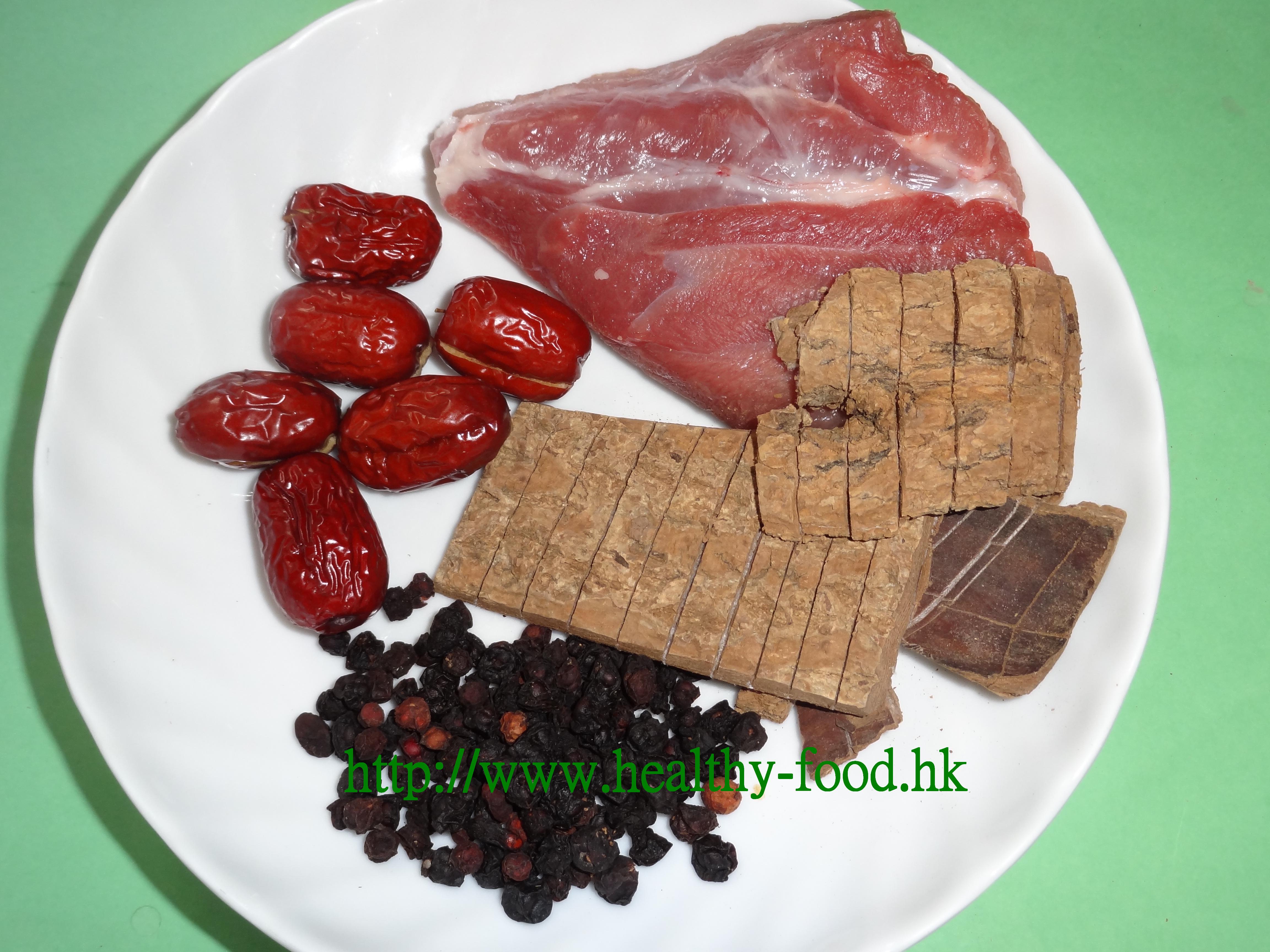
Why people make this soup
People with kidney-related concerns in traditional Chinese food therapy often experience fatigue, a cold sensation in the lower back, weak knees, or occasional dizziness. This warming soup combines eucommia bark — one of the most widely used herbs for kidney yang support — with schisandra berries and sweet red dates. Bro Niu recommends it especially for those whose blood pressure concerns seem linked to a cold, deficient constitution rather than excess heat.
Who it suits / who should be cautious
- Suits those with a tendency toward cold limbs, lower back weakness, frequent urination, and fatigue
- Also suitable for those with kidney nephritis and hypertension of the kidney-liver deficiency-cold pattern, according to traditional frameworks
- Not suitable for those with excess heat, yin deficiency with rising yang (阴虚阳亢) — this soup is warming and would be counterproductive
- Those with kidney failure or gout may use this soup, but please consult your doctor first
Why these ingredients (the food-therapy logic)
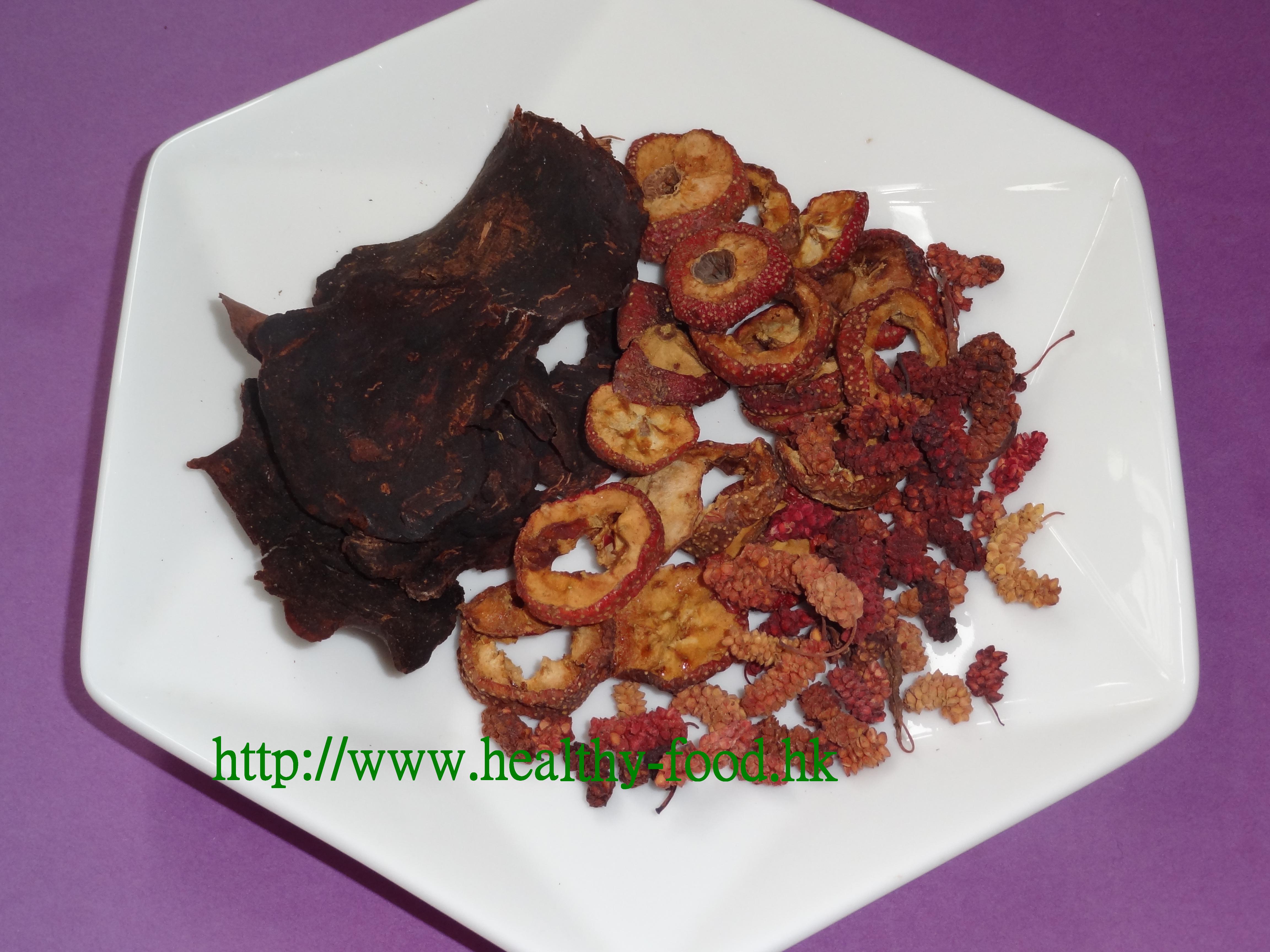
- Eucommia bark (du zhong): Traditionally associated with warming and tonifying kidney yang, strengthening sinew and bone, and supporting healthy blood pressure — especially effective when dry-fried before use
- Northern schisandra berries (bei wu wei zi): The black-coloured northern variety is preferred; traditionally used to tonify the kidneys, consolidate essence, and calm the mind
- Red dates (hong zao): Nourish the blood and support the digestive system, helping the body absorb the tonic effects of the other herbs
- Lean pork: Provides a mild, nourishing base that tempers the warmth of the tonic herbs
Ingredients (2–3 bowls)
| Ingredient | Amount | Notes |
|---|---|---|
| Eucommia bark (du zhong) | ~19 g (5 qian) | Dry-fry in a clean dry wok before using — enhances blood-pressure-support effect |
| Schisandra berries (wu wei zi) | ~8 g (2 qian) | Northern variety (bei wu wei zi) preferred; darker, black-coloured berries are more potent |
| Red dates (hong zao) | 6 pieces | Best to remove pits before cooking |
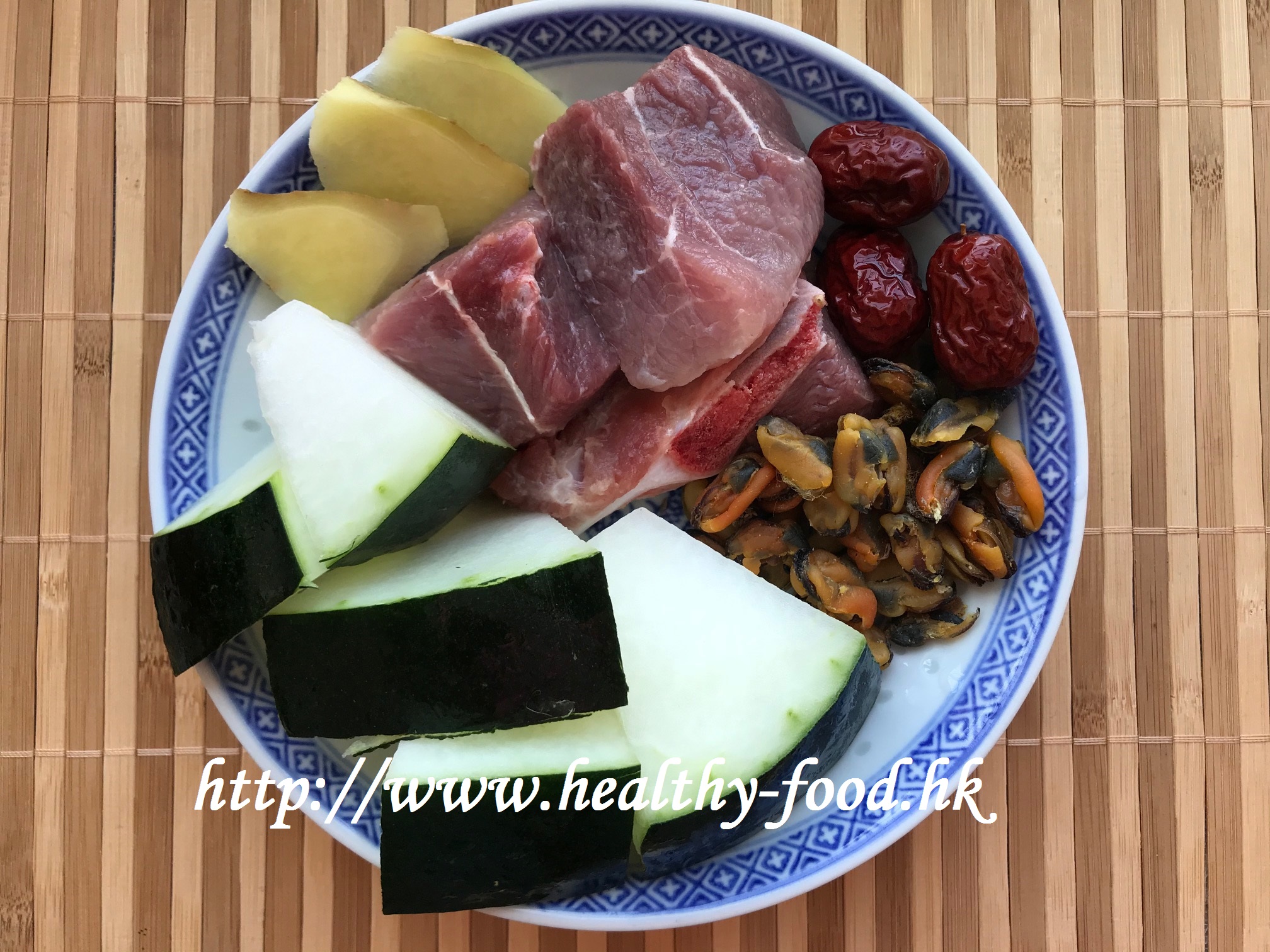
| Lean pork | ~250 g | Blanched first to remove impurities |
| Water | ~5 bowls | Simmer down to 2 bowls |
Method
- Dry-fry the eucommia bark in a clean, oil-free wok over low-medium heat for a few minutes until fragrant. Set aside.
- Blanch the lean pork in boiling water briefly, then rinse and drain.
- Rinse the schisandra berries and red dates; pit the dates if preferred.
- Place all ingredients into a pot with approximately 5 bowls of water.
- Bring to a boil, then reduce to a gentle simmer and cook for about 2 hours until reduced to roughly 2 bowls.
- Drink the soup and eat the pork. Divide into portions and consume throughout the day.
Bro Niu’s tips
Dry-frying the eucommia bark before use is said to enhance its blood-pressure-supporting effect — don’t skip this step. When choosing schisandra berries, look for the darker, black-coloured northern variety (bei wu wei zi); the southern type is less potent. This is a warming, tonifying soup — those with a hot constitution or yin-deficient rising-yang pattern should avoid it.
Community questions answered (selected)
-
Q (reader): I have kidney failure with only 10% function remaining, and also have gout. Can I drink this soup? Bro Niu: Kidney failure with gout — this soup should be fine to drink.
-
Q (ada): If I don’t add meat, can I use this as a tea? I have knee pain, frequent urination, and occasional ringing in the ears but no high blood pressure. Bro Niu: If you are not adding meat, I suggest substituting 1 to 2 liang of dry-fried black beans — they have a kidney-nourishing effect and are beneficial for tinnitus and knee pain. Use 5 bowls of water and reduce to 2 bowls; drink and eat the beans.
-
Q (Fanny): Does the eucommia soup suit someone who wants to nourish the kidneys and try to conceive? My doctor said I have kidney deficiency. Bro Niu: This soup is suitable for you. You can also add ba ji (morinda root), rou cong rong (cistanche), and goji berries — about 3 qian each — to further strengthen the kidney-nourishing effect.
Published January 2, 2013 · Adapted and translated for Nourilo from a traditional home-kitchen recipe. Approx. 3 min read.