Congee & Porridge
Enoki Mushroom and Frog Congee
Traditionally associated with strengthening the spleen and stomach and supporting recovery in chronic liver conditions
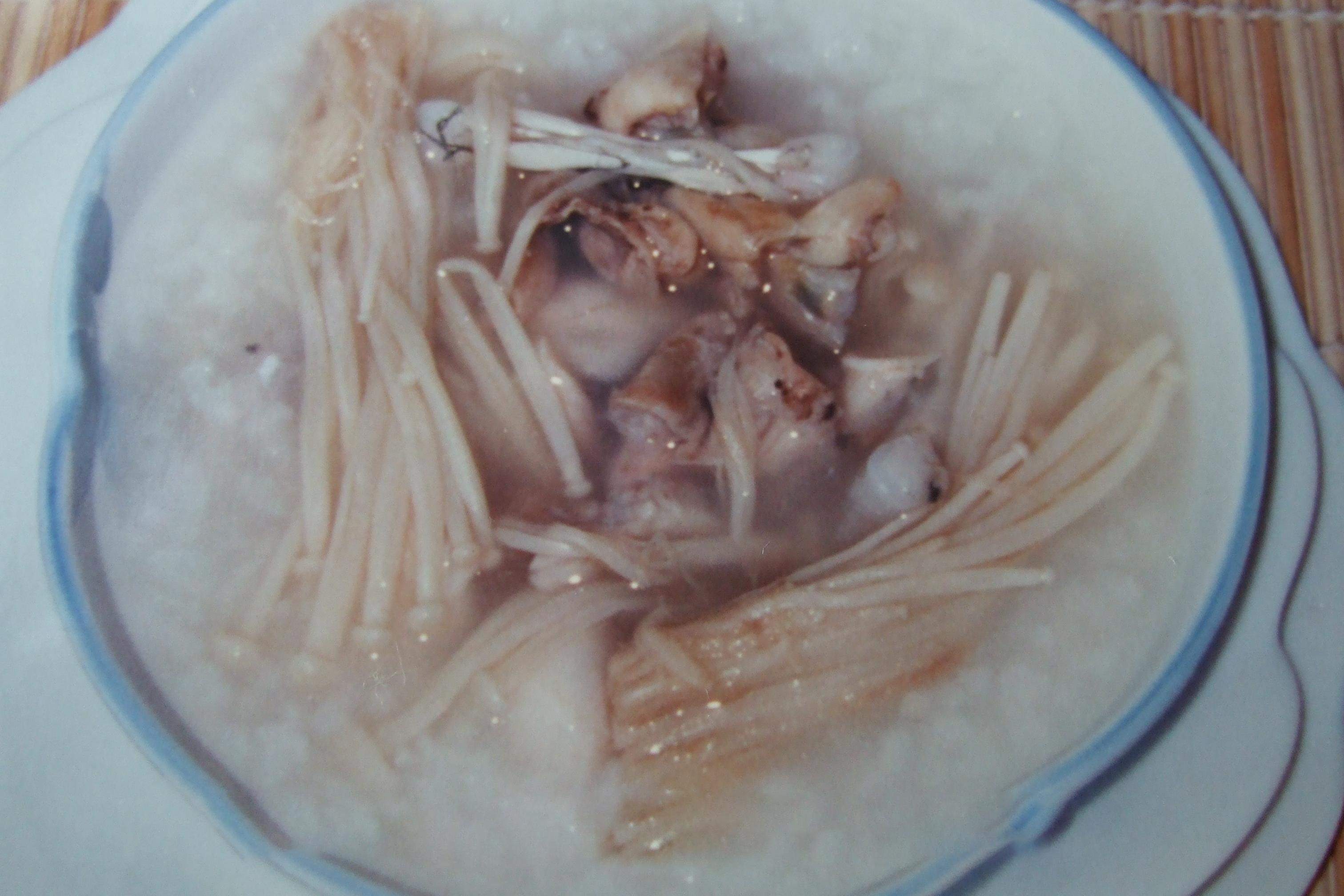
Why people make this congee
The early signs of liver disease can be subtle — unusual fatigue with even light activity, a dull ache on the right side under the ribs, poor appetite, bloating, a slight yellowish tinge to the complexion, and reduced or dark urine. For people managing chronic hepatitis or early-stage liver conditions, rebuilding digestion and appetite is often the first practical step. This congee was created precisely for that purpose: enoki mushrooms and frog together make a mild, nourishing, fragrant porridge that is easy on a sensitive stomach, supports fluid drainage, and helps restore the appetite.
Who it suits / who should be cautious
- Suitable for people with chronic liver conditions, liver cirrhosis, or spleen-deficient digestion with poor appetite — as a gentle, complementary food support alongside medical treatment
- Also suitable as a general wellness dish for anyone wanting a light, nutritious congee — it is said to support brain function and is appropriate for healthy individuals too
- People who have just recovered from a cold can also eat this congee — no problem
- Frog must be cooked through completely; always remove the backbone and surrounding tissue where parasites may concentrate
- Very young children can have this congee with care — best to remove bones and tear the meat finely; the backbone should always be removed before cooking for safety
Why these ingredients (the food-therapy logic)
- Enoki mushrooms (jin zhen gu, Flammulina velutipes): Fragrant, soft, and nutrient-rich; traditionally associated with supporting liver health, supporting cognitive function, and providing sustained nourishment for chronic conditions.
- Frog (tian ji / paddy frog): Sweet and cool in nature; traditionally used to strengthen the spleen and stomach, reduce excess fluid, and support recovery in people with a weak constitution or digestive deficiency.
- White rice: The classic base for congee; easily digested and associated with strengthening the stomach. Marinating the rice briefly in a little oil and salt gives the finished congee a silkier texture.
- Fresh ginger: Warms the stomach, stimulates appetite, and counterbalances the slightly cooling nature of frog and mushrooms.
Ingredients (2–3 bowls)
| Ingredient | Amount | Notes |
|---|---|---|
| Fresh enoki mushrooms (jin zhen gu) | 1 pack (~150 g) | Trim the base, rinse well |
| Paddy frog (tian ji) | 2 whole | Cleaned; remove backbone; marinate |
| Short-grain white rice | ~75 g (2 taels) | Rinse; marinate briefly in a little oil and salt |
| Fresh ginger shreds | 1 tablespoon | |
| Salt, sugar | Small amount | For marinating the frog |
| Water | Enough to make congee (~1.5 L) | Adjust to desired congee thickness |
Method
- Rinse the rice, then marinate briefly in a small amount of oil and salt — this makes the finished congee smoother and more fragrant.
- Clean the frogs thoroughly; cut off the backbone; marinate the frog pieces with a little salt, sugar, and ginger shreds to flavour.
- Trim the base of the enoki mushrooms and rinse well.
- Cook the marinated rice in plenty of water, stirring as needed, until you have a smooth, thick congee.
- Add the marinated frog pieces and enoki mushrooms along with the remaining ginger shreds. Bring to a boil and simmer for about 5 minutes until everything is cooked through.
- Taste and adjust seasoning. Serve hot.
Bro Niu’s tips
The trick to a fragrant, silky congee is to marinate the rice with a little oil and salt before cooking — it makes a real difference to the texture. This congee is nutrient-rich and supports the brain as well as the liver. Healthy people can enjoy it too. Always cook the frog thoroughly; remove the backbone before cooking, as parasites tend to concentrate in the tissue around the spine. The frog can be replaced with lean pork or chicken breast for a milder alternative. Adding a little chicken broth instead of plain water gives the congee extra flavour.
Community questions answered (selected)
-
Q (Ra): My baby is 20 months old. Grandma has been making this frog congee for him. Is frog safe for babies? Someone said doctors warned there are many parasites in frog that even cooking cannot kill. Bro Niu: Frog is fine for babies, but it is important to remove the backbone — parasites tend to live in the tissue alongside the spine. Make sure the frog is cooked until fully done. Alternating between frog, lean pork, and chicken breast is a good idea. For babies, you can use a small blender to puree the congee into a smooth paste so they absorb everything easily.
-
Q (Connie): My 3-year-old has a slight cough and runny nose. Can he still have the frog congee? What can I add to it? Bro Niu: Yes, he can have it even with a runny nose. You can add pumpkin cubes, carrot pieces, Chinese yam, or red dates to the congee — all are nourishing and beneficial.
-
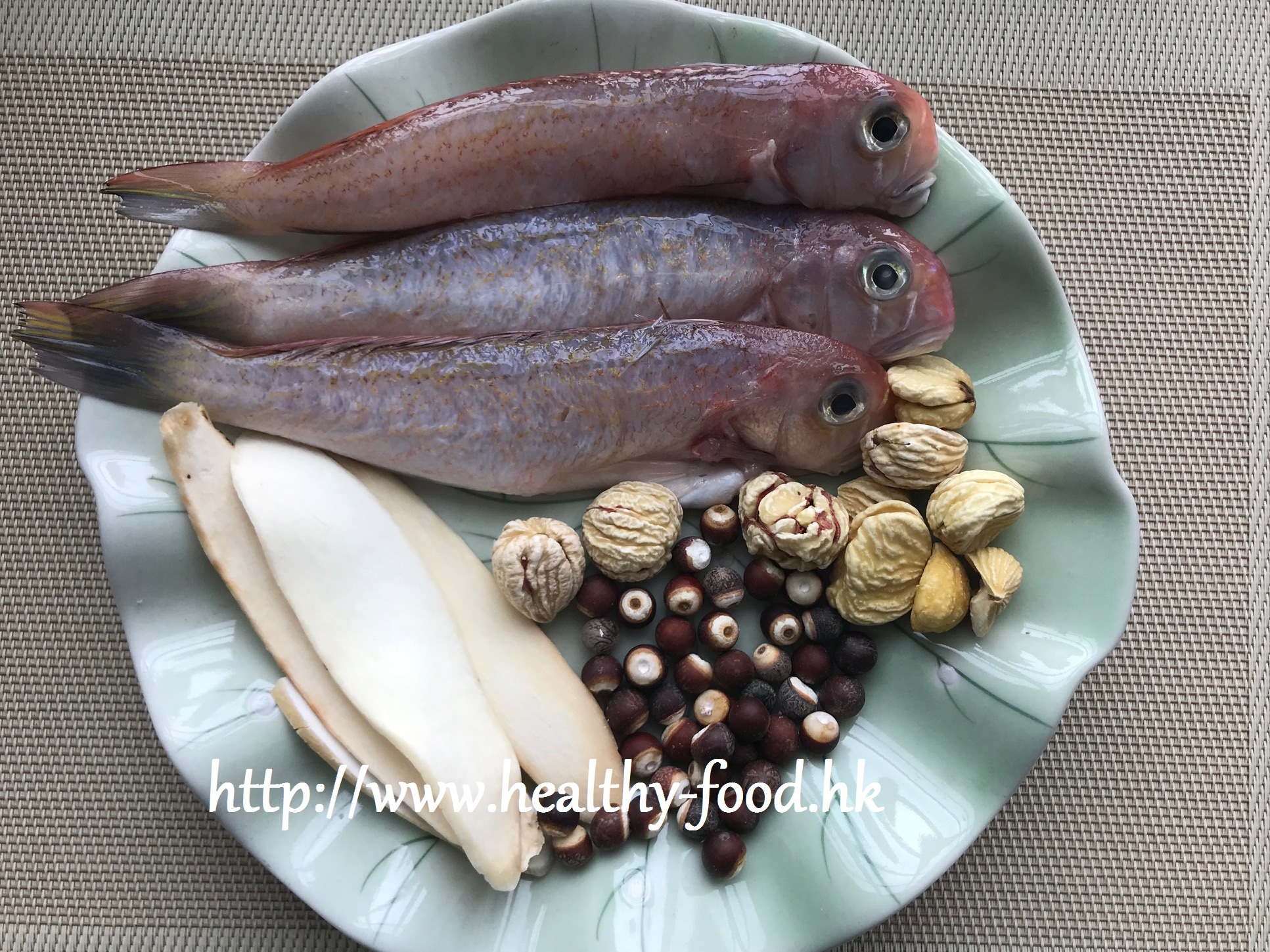
Q (mabel): Are Chinese yam, lotus seeds, lily bulbs, and fox nuts considered medicines? Is it okay to use fish broth to make congee? Bro Niu: Ingredients like Chinese yam, lotus seeds, lily bulbs, and fox nuts are classified as “dual-use food and medicine” by health authorities — safe for children to consume regularly. Fish broth makes a very nutritious congee base; use sea fish like red mullet, horse-head fish, or small rocky fish for best flavour.
Published April 24, 2010 · Adapted and translated for Nourilo from a traditional home-kitchen recipe. Approx. 4 min read.