Soups
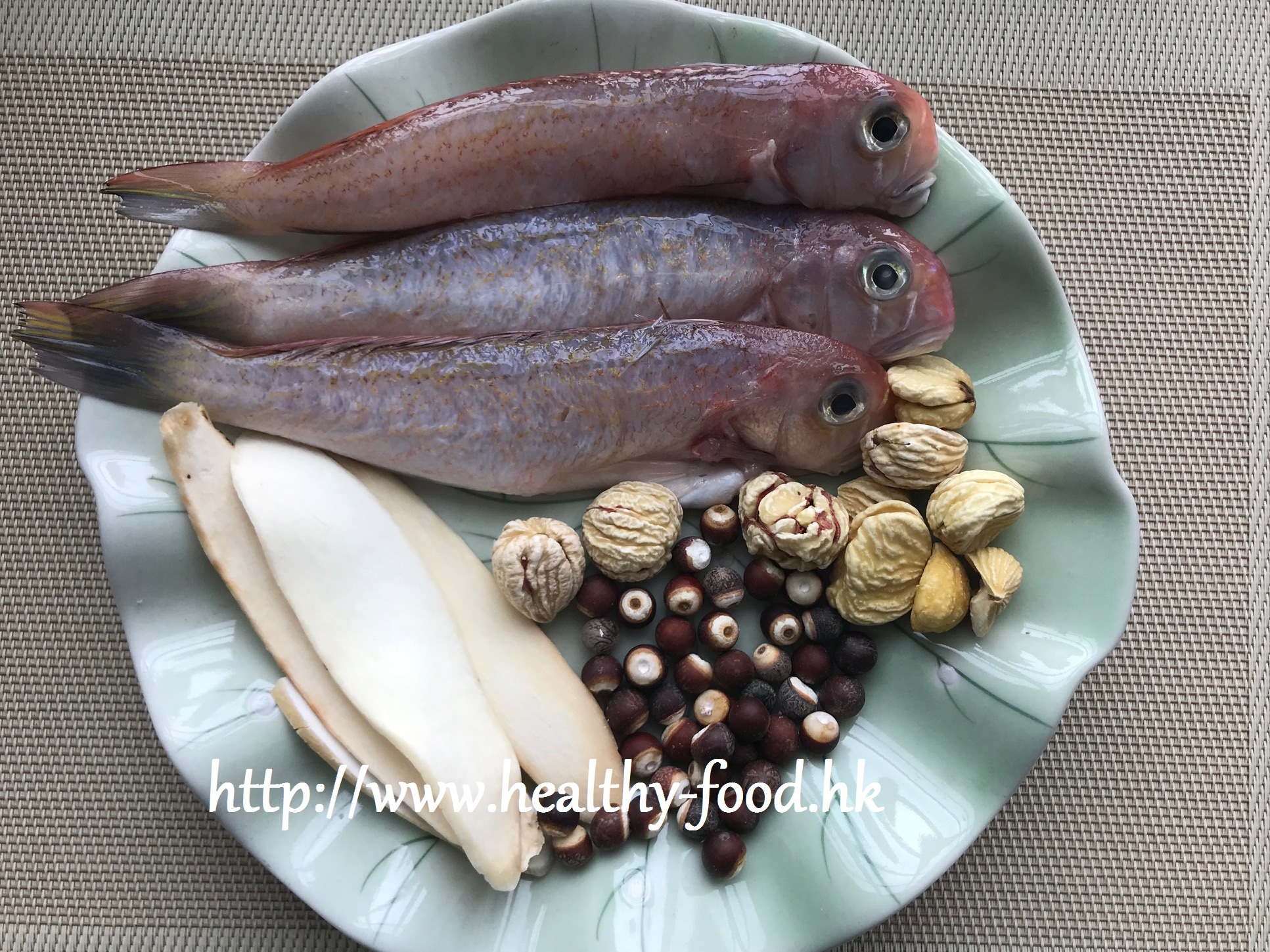
Chinese Yam, Euryale Seed, Dried Chestnut and Fresh Small Fish Soup
traditionally associated with strengthening the spleen, improving digestion, and reducing frequent loose stools
Why people make this soup
Traditional Chinese medicine has a saying: “Without dampness, there is no diarrhoea.” In summer and early autumn, hot, humid weather can overwhelm a digestive system that is already on the weaker side, leading to what is called “damp-heat diarrhoea.” But there is another, more chronic pattern Bro Niu often sees: people with a constitutionally weak digestive system who have loose, poorly formed stools much of the time — food passes through without being fully absorbed, energy stays low, and the person gradually becomes more depleted. This soup is a gentle, reliable tonic for that second pattern. Chestnuts, Chinese yam, and euryale seeds are three of the most trusted ingredients in Cantonese kitchens for building digestive strength without being heavy or hard to digest. Small sea fish make the broth naturally sweet and add good protein.
Who it suits / who should be cautious
- People with constitutionally weak digestion, frequent loose stools, or unformed bowel movements without infection.
- Those who feel tired and depleted from poor nutritional absorption.
- Suitable for most ages; the whole family can share this soup.
- People with habitual constipation should avoid this soup, as chestnuts and euryale seeds have an astringent, binding effect that could worsen constipation.
- During summer, avoid excessive cold milk, cold soy milk, fatty meats, and fried foods, which are common triggers for digestive weakness.
Why these ingredients (the food-therapy logic)
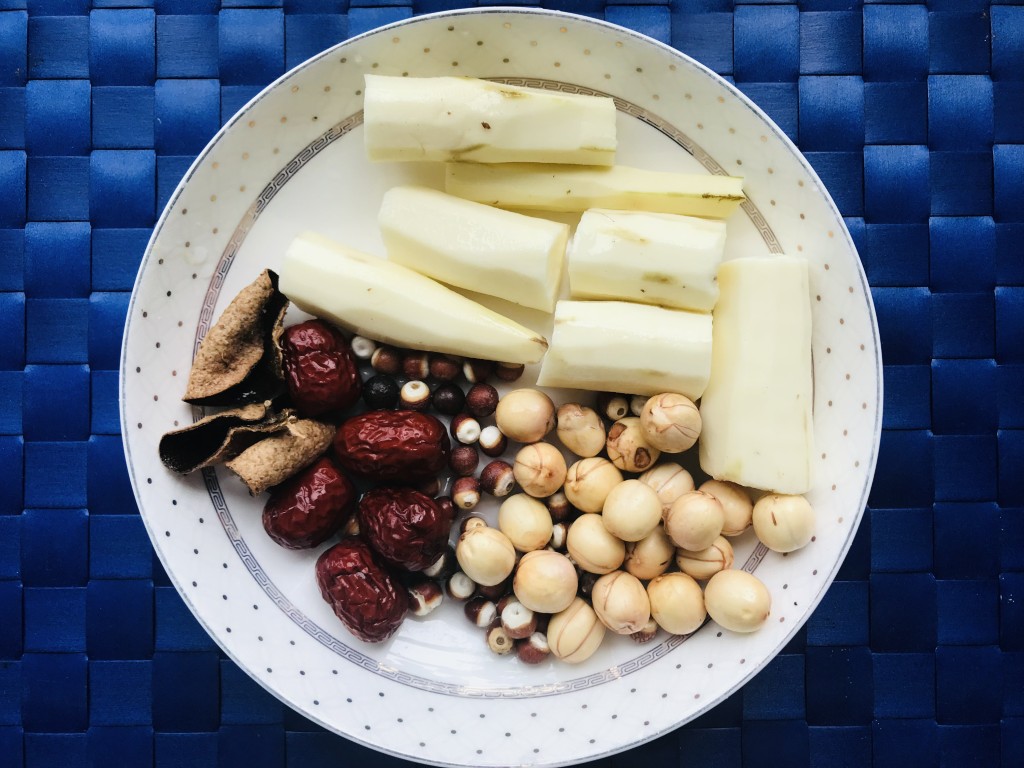
- Chinese yam (huai shan): One of the most important spleen-tonifying foods in Cantonese cooking; associated with strengthening digestion, nourishing the kidneys, and stopping frequent urination or loose stools.
- Euryale seeds (qian shi): Traditionally used to benefit the kidneys, firm the essence, strengthen the spleen, and stop diarrhoea. A classic pairing with Chinese yam.
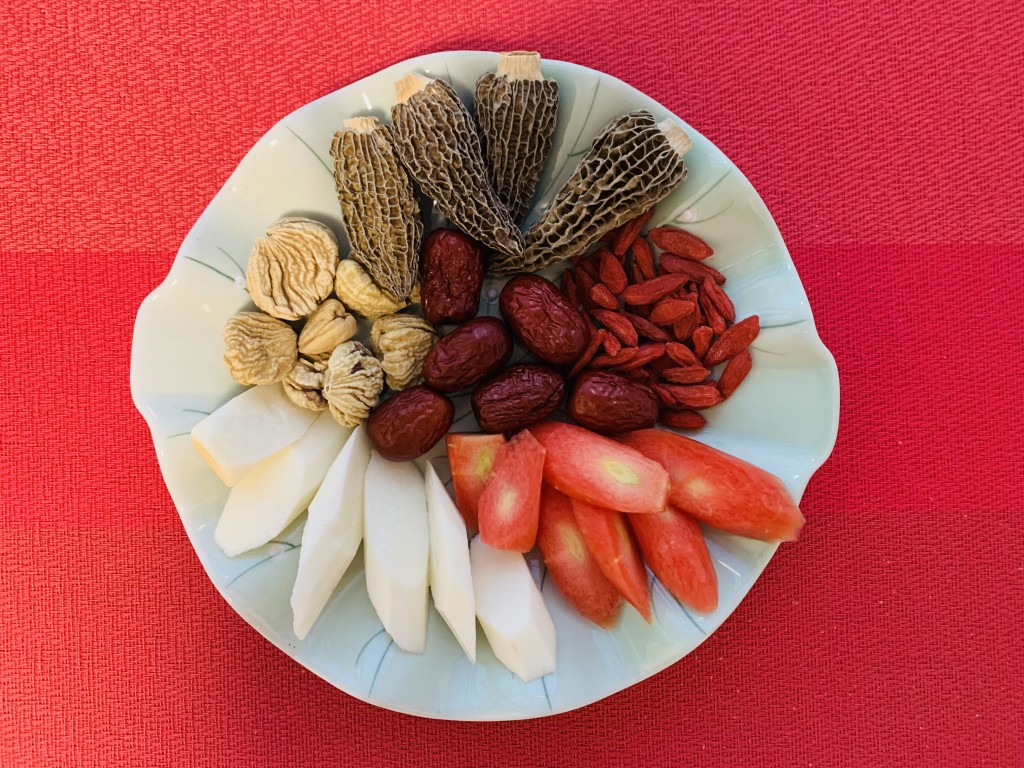
- Dried chestnuts (li zi gan): Associated with tonifying the kidneys, strengthening tendons and bones, and consolidating the digestive system. Dried chestnuts give the broth a deeper, more concentrated flavour; fresh chestnuts can be substituted.
- Small sea fish: Any small fresh sea fish works well here — varieties such as horse-head fish, red snapper fry, or grouper fry are popular choices. Naturally sweet and rich in protein; easier to digest than large fish. Lightly pan-frying before adding to the pot removes any fishy smell and deepens the broth’s flavour.
Ingredients (4–5 bowls)
| Ingredient | Amount | Notes |
|---|---|---|
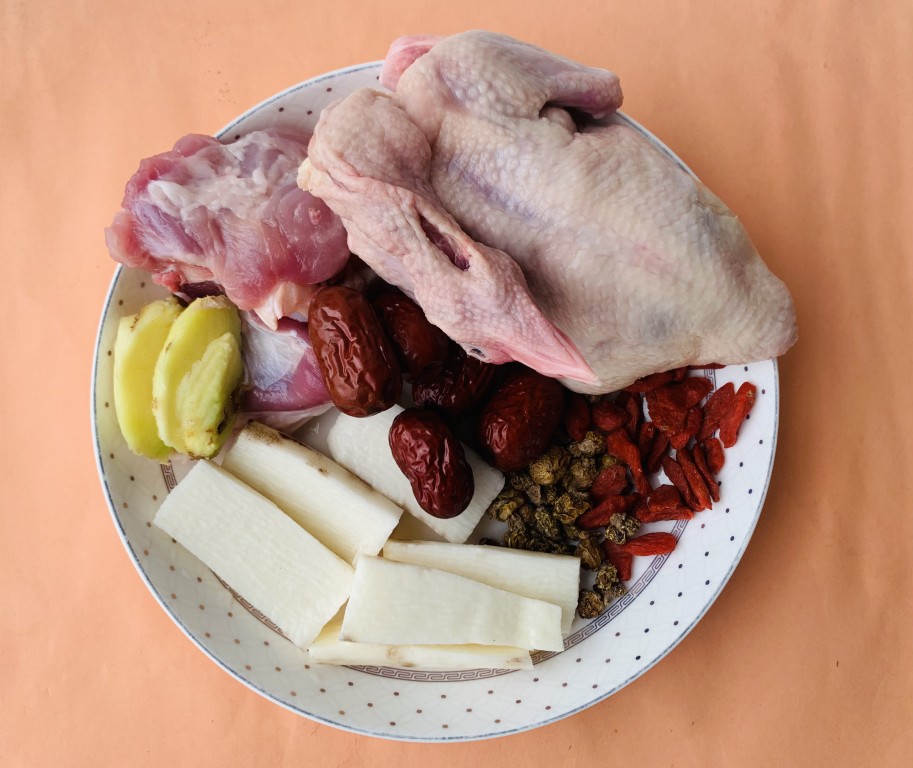
| Chinese yam (huai shan, dried) | ~37 g | Soaked and rinsed |
| Euryale seeds (qian shi) | ~37 g | Soaked and rinsed |
| Dried chestnuts | ~75 g | Soaked and rinsed; use 150 g fresh if substituting |
| Fresh ginger | 3 slices | |
| Small fresh sea fish | ~600 g | Cleaned; pan-fry first in a little oil |
Method
- Soak and rinse the Chinese yam, euryale seeds, and dried chestnuts.
- Clean and gut the small sea fish. Pan-fry in a little oil until lightly golden on both sides.
- Place the fried fish in a mesh fish-soup bag to keep the broth clear.
- Combine all ingredients in a pot with 7–8 bowls of water.
- Bring to a boil, then simmer for 1 hour, reducing to about 4–5 bowls.
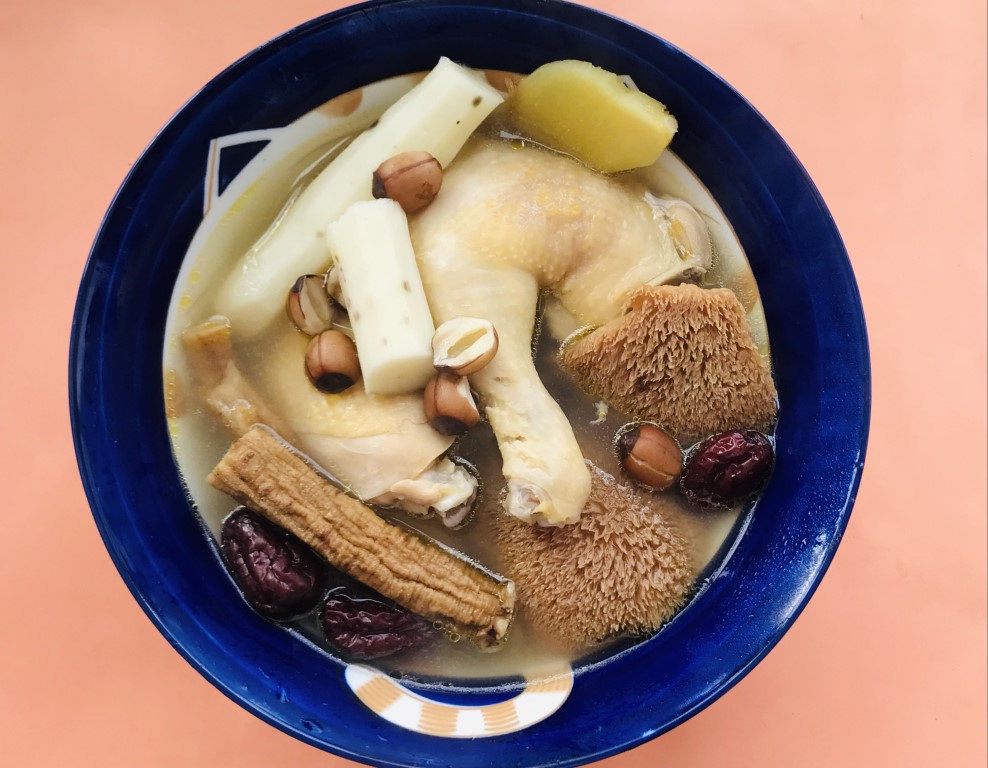
- Serve the clear broth; eat the chestnut and fish as well.
Bro Niu’s tips
- Small sea fish sold fresh at the market — horse-head fish, red snapper fry, rock cod fry — are bony but make an exceptionally sweet and nutritious broth. A mesh soup bag keeps the bones out of the bowl.
- This is a gentle, well-tolerated soup suitable for the whole family, young and old.
- Avoid this soup if you tend toward constipation, as the astringent quality of euryale seeds and chestnuts could make things worse.
Published May 20, 2020 · Adapted and translated for Nourilo from a traditional home-kitchen recipe. Approx. 3 min read.