Congee & Porridge
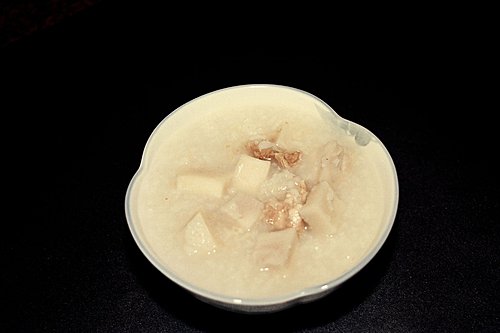
Fresh Chinese Yam and Lean Pork Congee
traditionally associated with supporting blood sugar balance and digestive health
Why people make this congee
Fresh Chinese yam is a humble, unassuming root that deserves far more attention in Western kitchens. It is readily available at Asian markets when in season, it is inexpensive, and it contains a range of compounds — including a unique mucilaginous protein and diosgenin — that have attracted interest in both traditional medicine and modern nutritional research for their potential to support blood sugar regulation, gut health, and cardiovascular function.
This congee is as simple as it gets: yam, lean pork, and rice simmered together until soft and creamy. It is mild enough for the elderly and for children, filling without being heavy, and a natural fit for anyone looking for a gentle everyday meal that does something nourishing beyond just providing calories. Bro Niu particularly recommends it for those managing diabetes or dealing with a sluggish digestive system.
Who it suits / who should be cautious
- Suits those managing diabetes, obesity, or cardiovascular concerns as a regular part of the diet — not as a replacement for medical treatment.
- Also suitable for those with weak digestion, poor appetite, or a tendency toward loose stools.
- Safe for the elderly, children, and pregnant women (including those with gestational diabetes).
- Caution: fresh Chinese yam has a sticky sap that can cause skin irritation or itchiness on contact. Wear gloves when peeling.
Why these ingredients (the food-therapy logic)
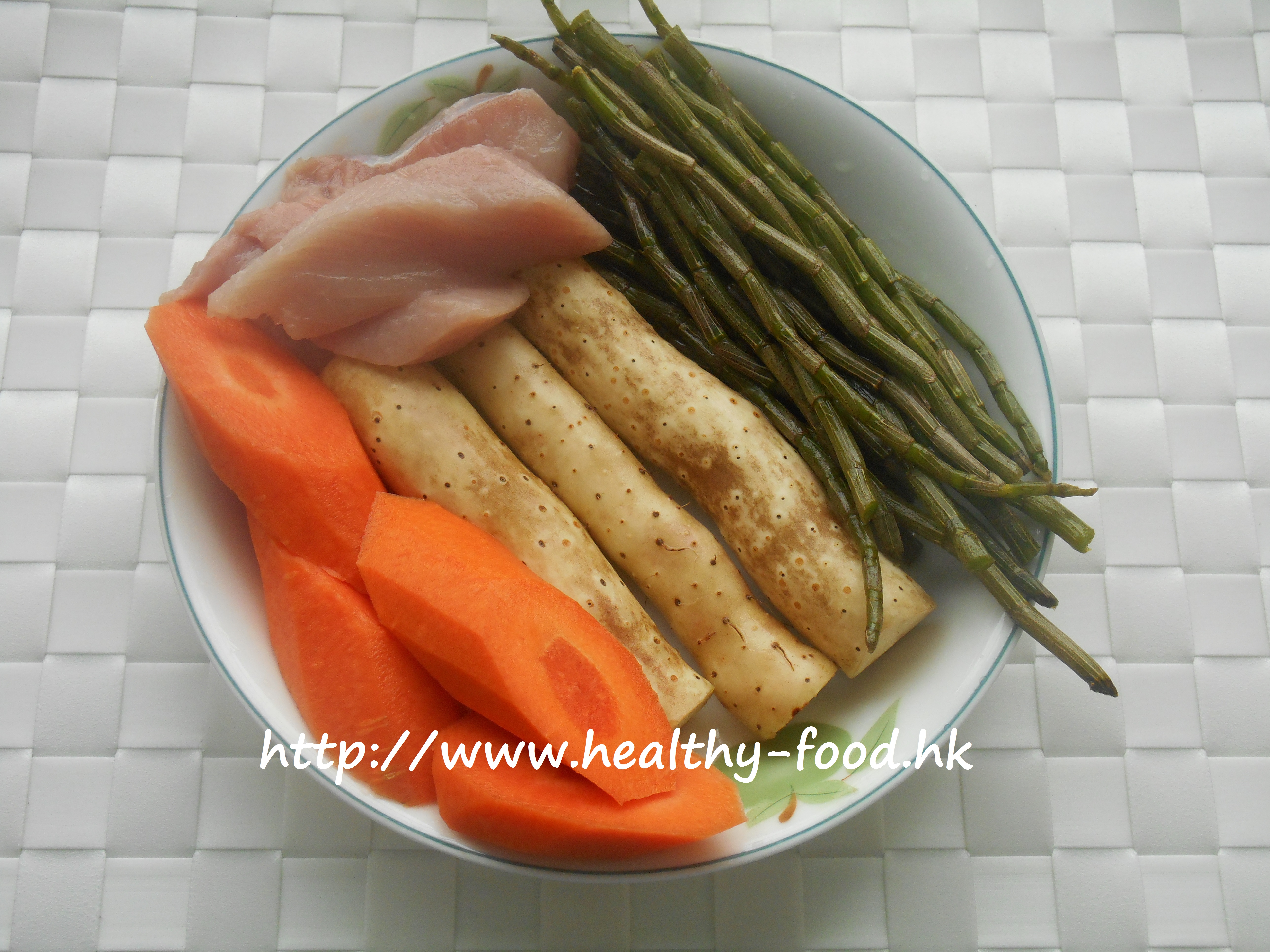
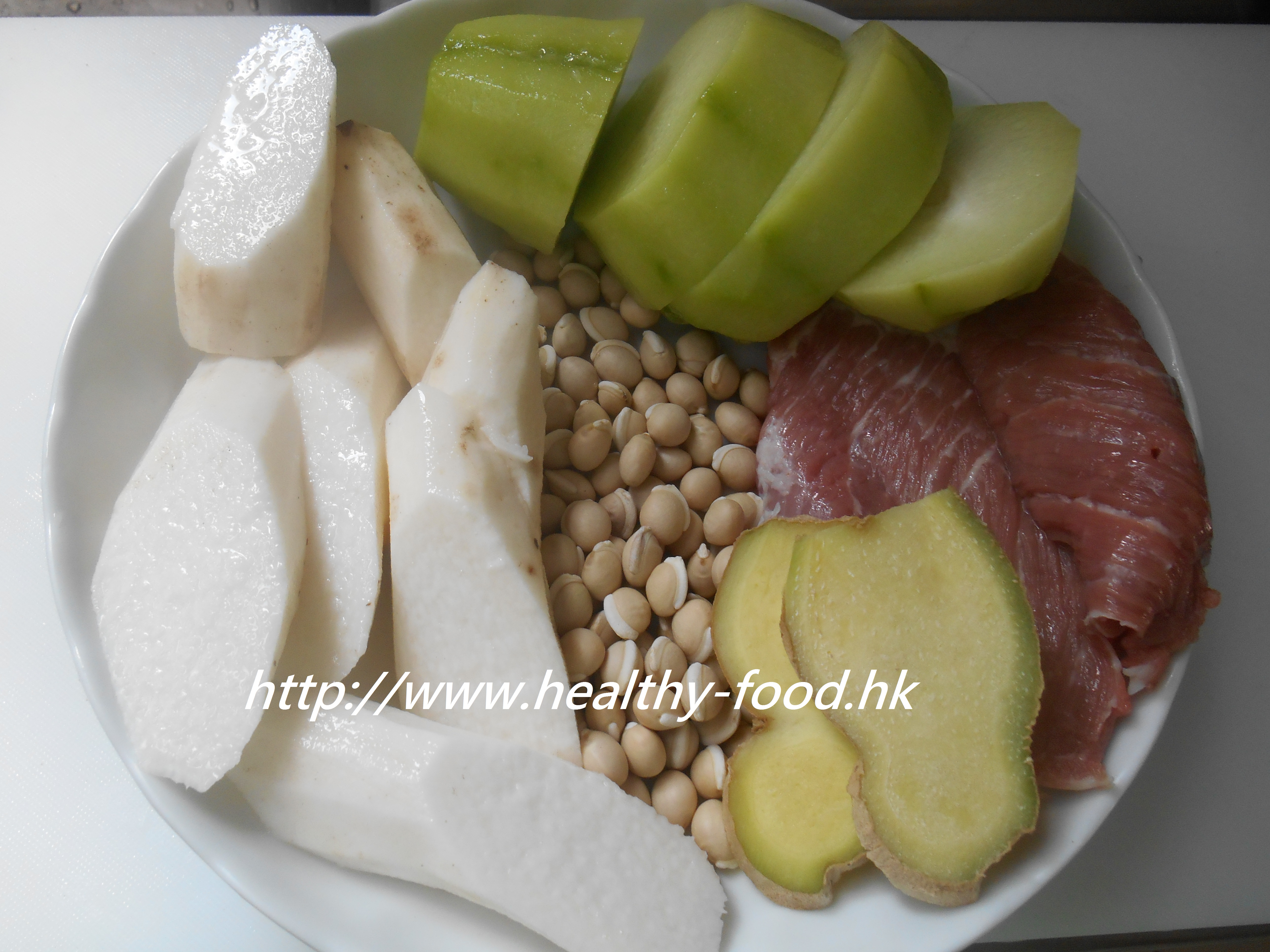
- Fresh Chinese yam (xian huai shan): The mucilaginous protein in fresh yam is thought to help prevent fat accumulation in blood vessels and support vascular elasticity. Traditionally associated with strengthening the spleen and stomach, nourishing the lungs, managing thirst (a key concern in diabetes), and stopping diarrhoea. It is considered an ideal food for people with diabetes, obesity, and cardiovascular conditions.
- Lean pork: A neutral, easily digestible protein that pairs well with the yam without adding excessive fat or richness.
- Short-grain rice (jing mi): The standard rice for congee — cooks down smoothly and is gentle on the digestive system. For those with diabetes who are concerned about glycaemic index, Bro Niu recommends substituting or blending with brown rice or wheat berries for a more supportive congee.
Ingredients (2–3 servings)
| Ingredient | Amount | Notes |
|---|---|---|
| Fresh Chinese yam | ~225 g (6 liang) | Peel wearing gloves; cut into rough chunks |
| Lean pork | ~115 g (3 liang) | Shredded into thin strips |
| Short-grain white rice | ~75 g (2 liang) | Rinsed |
| Water | Enough to make thick congee | Adjust for preferred consistency |
Method
- Put on gloves before handling fresh yam — the sticky sap can cause skin itchiness. Peel and cut into rough cubes.
- Shred the lean pork into thin strips.
- Wash the rice.
- Combine yam cubes, lean pork shreds, and rinsed rice in a pot. Add enough water to make a congee of your preferred consistency.
- Bring to a boil, then reduce to a gentle simmer and cook until the congee is thick and smooth — about 30 to 40 minutes, stirring occasionally to prevent sticking.
- Serve warm and eat as a meal in whatever quantity suits you. Eat the yam pieces along with the congee — the benefit is in the ingredients, not just the liquid.
Bro Niu’s tips
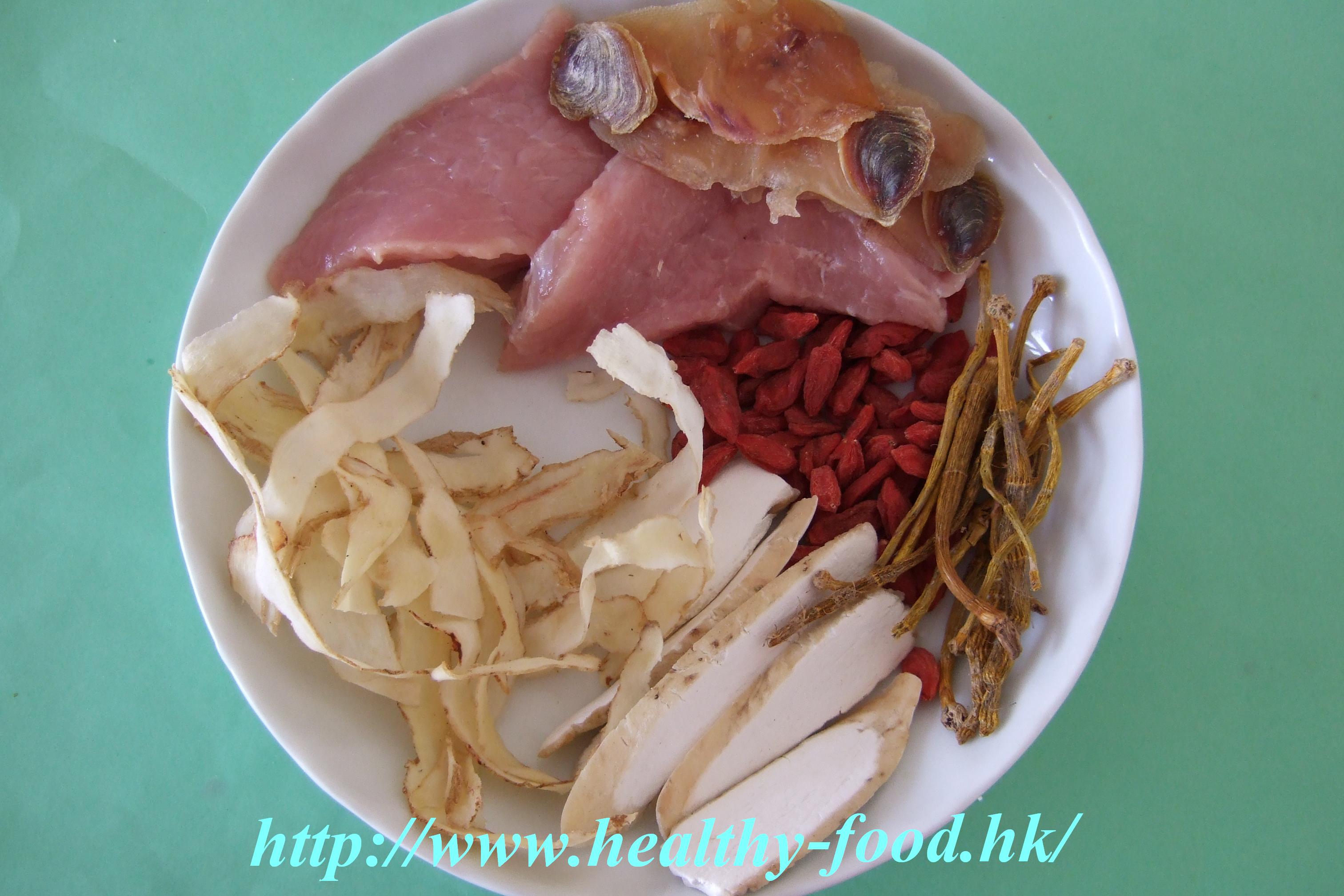
The sticky sap of fresh Chinese yam is very pronounced — always handle with gloves to avoid itching. If you cannot find fresh yam, dried Chinese yam slices (huai shan) can be substituted at about 1 liang — just add them to the congee from the start. For those with diabetes who want a more blood-sugar-friendly congee, Bro Niu suggests a wheat berry congee: combine wheat berries 1 liang with brown rice 2 tablespoons, cooked into congee, served with a little dried scallop and tangerine peel for flavour. This is gentle, nourishing, and lower in glycaemic impact than plain white rice congee. Chicken breast can replace the lean pork for those who avoid pork — remove the skin first.
Community questions answered (selected)
-
Q (CAROL): My helper’s father has high blood pressure, high blood sugar, and high cholesterol. He doesn’t eat pork. Can he use chicken breast instead? And if fresh yam is unavailable, can he use dried yam? Bro Niu: Yes — use chicken breast (skin removed) instead of pork, and dried yam slices at 1 liang in place of fresh yam. This congee is suitable for all three conditions.
-
Q (manyi): Can people with diabetes eat congee? I’ve heard that congee has a high glycaemic index and shouldn’t be eaten. Bro Niu: Diabetics can eat congee. Wheat berry congee is a very good choice — use wheat berries 1 liang with brown rice 2 tablespoons. It is nourishing for the heart and spleen, and gentler on blood sugar than plain white rice congee. Brown rice is more beneficial than white rice in general.
-
Q (Zhou xiaojie): Can this congee be eaten during gestational diabetes? Bro Niu: This congee is most suitable for gestational diabetes — it can be eaten regularly.
Published November 1, 2013 · Adapted and translated for Nourilo from a traditional home-kitchen recipe. Approx. 4 min read.