Herbal & Flower Teas
Chamomile, Goji Berry, and Ophiopogon Tea
Traditionally used to support blood sugar balance and nourish liver-kidney yin
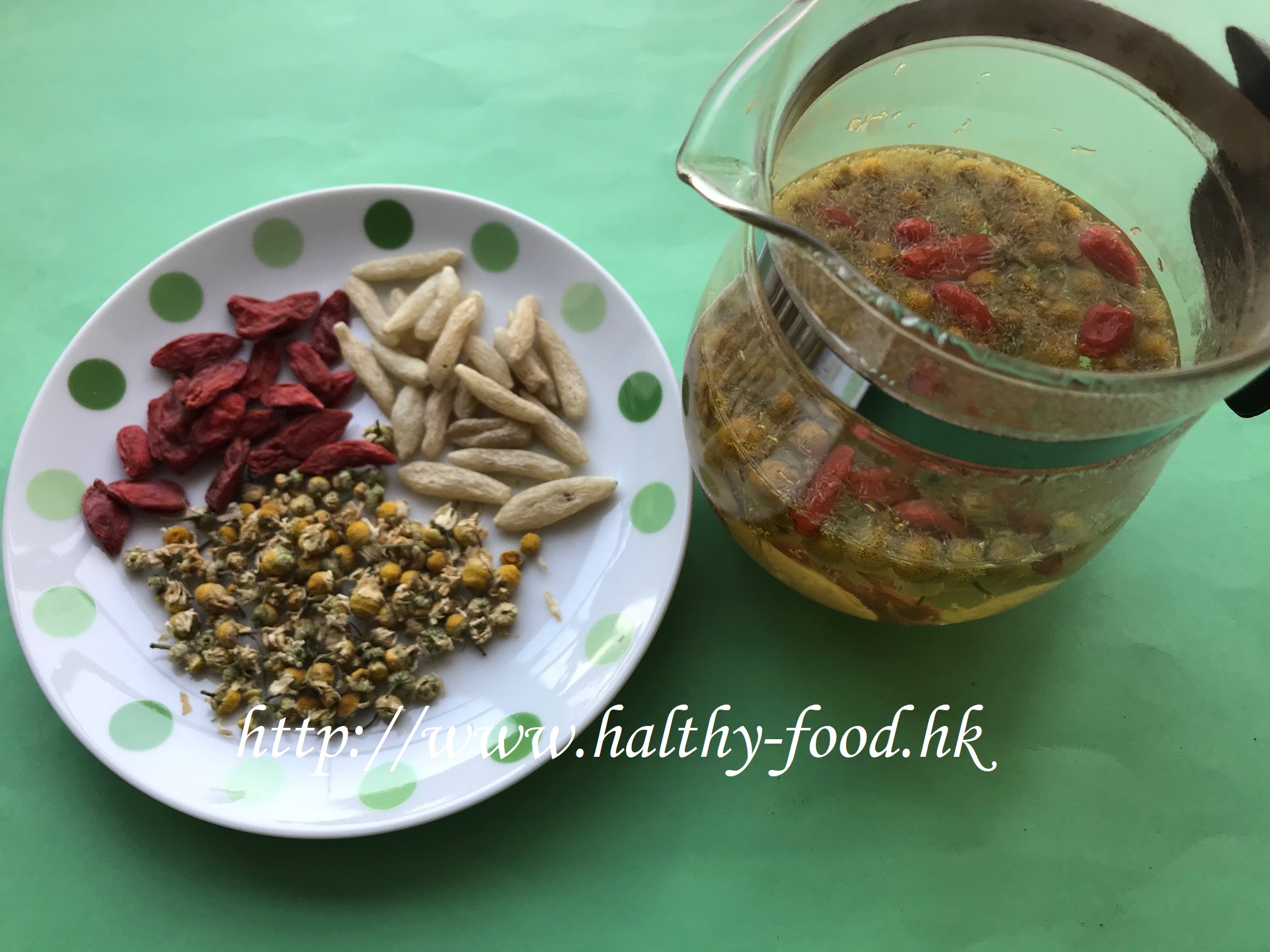
Why people make this tea
Diabetes is a chronic metabolic condition influenced by genetics, lifestyle, and environment — and while it cannot be resolved through food therapy alone, many people find that thoughtful dietary habits and regular wellness teas make a meaningful difference to how they feel day to day. Chamomile, familiar in the West as a calming bedtime tea, is also valued in Chinese food therapy for its anti-inflammatory and antioxidant properties. Research has explored its potential relationship to glycated haemoglobin and insulin levels, and it has long been associated with benefiting those who show signs of liver-kidney yin deficiency — a pattern in Chinese medicine characterised by blurred vision, lower back discomfort, leg weakness, and dry cough. Paired with goji berries and ophiopogon root, this simple daily tea supports the kind of gentle, ongoing nourishment that complements proper medical care.
Who it suits / who should be cautious
- Suitable for adults managing diabetes who also show signs of yin deficiency (dryness, blurred vision, fatigue, thirst). Also suitable as a general wellness tea.
- Pregnant women should avoid herbal and floral teas. If chamomile is unavailable, hangzhou chrysanthemum (hang ju) can be substituted — but still consult your doctor during pregnancy.
- Do not use this tea as a substitute for prescribed medication.
Why these ingredients (the food-therapy logic)
- Chamomile (yang gan ju): Traditionally associated with anti-inflammatory, calming, and antioxidant properties. Studies have explored its supportive role in blood glucose metabolism. In Chinese food therapy it is considered beneficial for liver-kidney yin deficiency patterns.
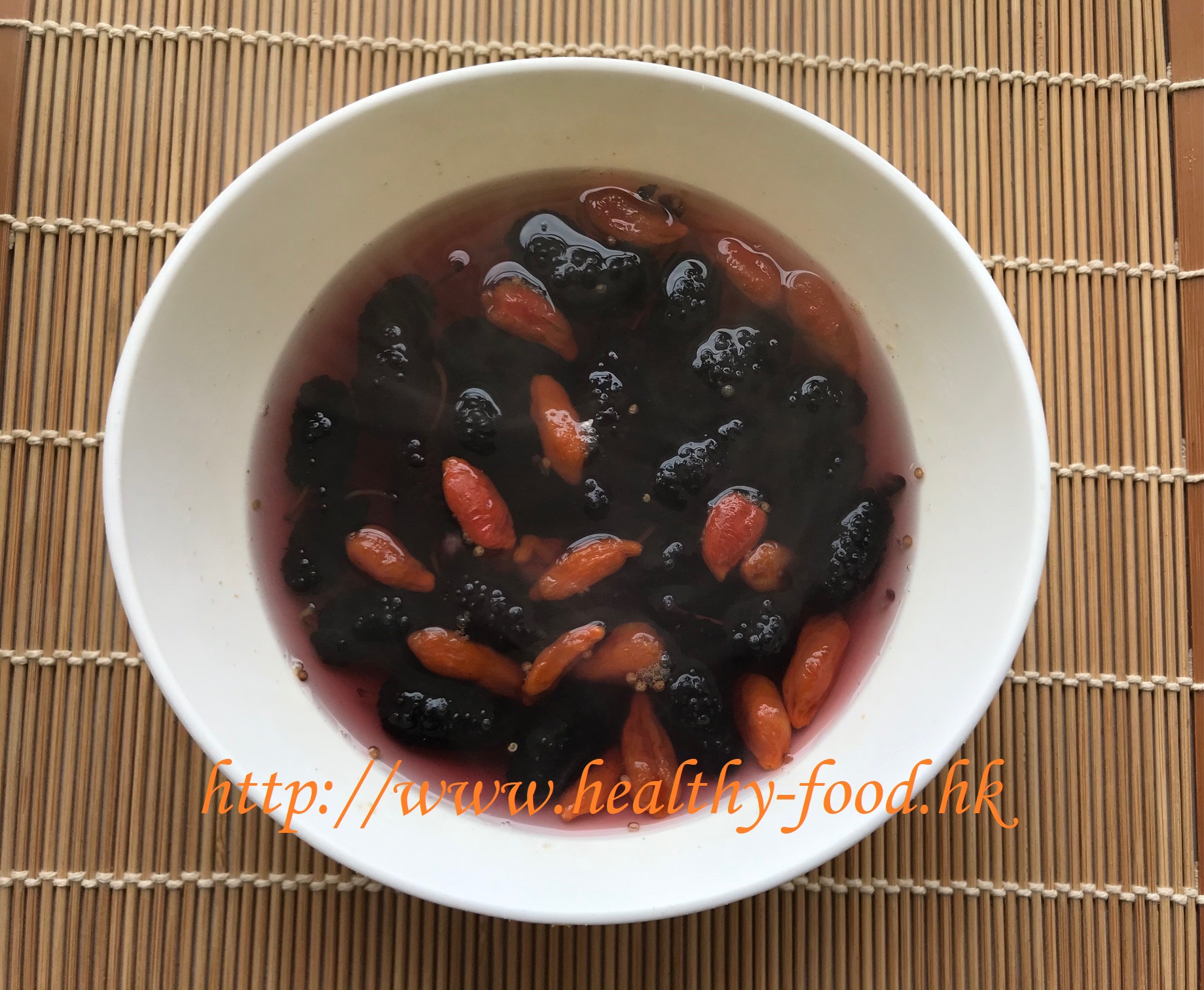
- Goji berries (gou qi zi): A well-known tonic associated with nourishing liver and kidney yin, supporting vision, and providing antioxidants. One of the most commonly used ingredients in Chinese wellness cooking.
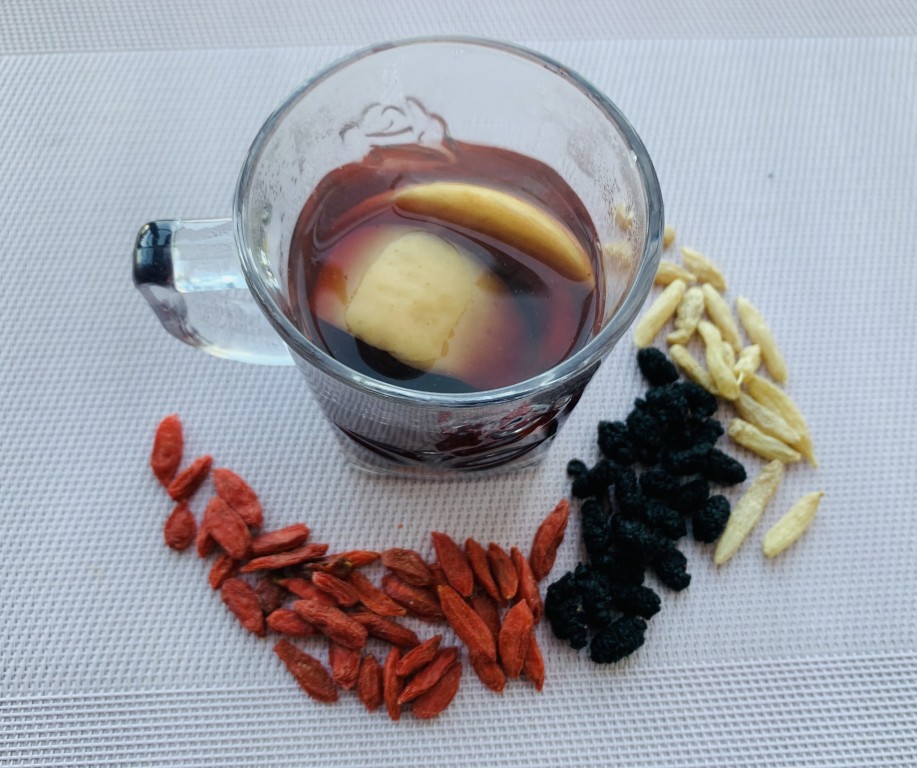
- Ophiopogon root (mai dong): A slender, slightly sweet root associated with nourishing stomach and lung yin, relieving thirst and dryness, and calming the heart — qualities that align well with the common discomforts of diabetes.
Ingredients (1 pot)
| Ingredient | Amount | Notes |
|---|---|---|
| Chamomile flowers (yang gan ju) | 1 tablespoon | Hang ju chrysanthemum can substitute |
| Goji berries (gou qi zi) | 1 tablespoon | — |
| Ophiopogon root (mai dong) | 1 tablespoon | — |
| Boiling water | To fill teapot | — |
Method
- Place all three ingredients into a teapot or heatproof vessel.
- First, pour a small amount of boiling water over the ingredients, swirl briefly, and discard this initial rinse water.
- Pour fresh boiling water over the ingredients to fill the pot.
- Steep for 10 minutes before drinking.
- The tea can be re-steeped with fresh boiling water until the flavour becomes too faint. One pot serves as a day’s supply.
Bro Niu’s tips
This tea is wonderfully simple and requires almost no effort. If you cannot find chamomile, hangzhou chrysanthemum works well as a substitute — both have cooling, anti-inflammatory associations in traditional practice. Do keep in mind that pregnant women should avoid herbal flower teas in general. Drink one pot per day as a supportive wellness habit alongside proper medical management.
Community questions answered (selected)
- Q (Elaine): My father has diabetes and also has elevated liver enzymes. What tea might help both conditions? Bro Niu: For diabetes support, you can brew dried pomegranate skin (shi liu gan, about 3 qian) as a tea. For elevated liver enzymes, add wu wei zi (five-flavour berry, about 2 qian) and gan cao (liquorice root, about 1 qian) to the same brew, simmer together for 15 minutes, and drink once daily.
Published December 5, 2020 · Adapted and translated for Nourilo from a traditional home-kitchen recipe. Approx. 3 min read.