Herbal & Flower Teas
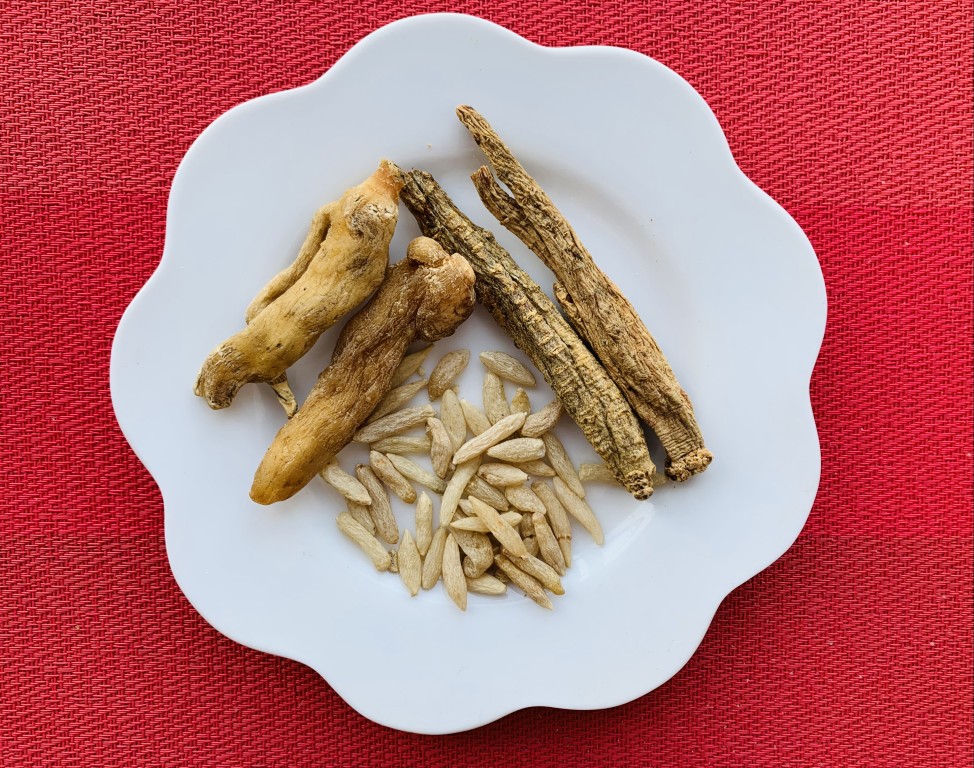
Dang Shen, Mai Dong and Yu Zhu Tea
Traditionally used to boost qi, nourish yin and ease dryness and thirst
Why people make this tea
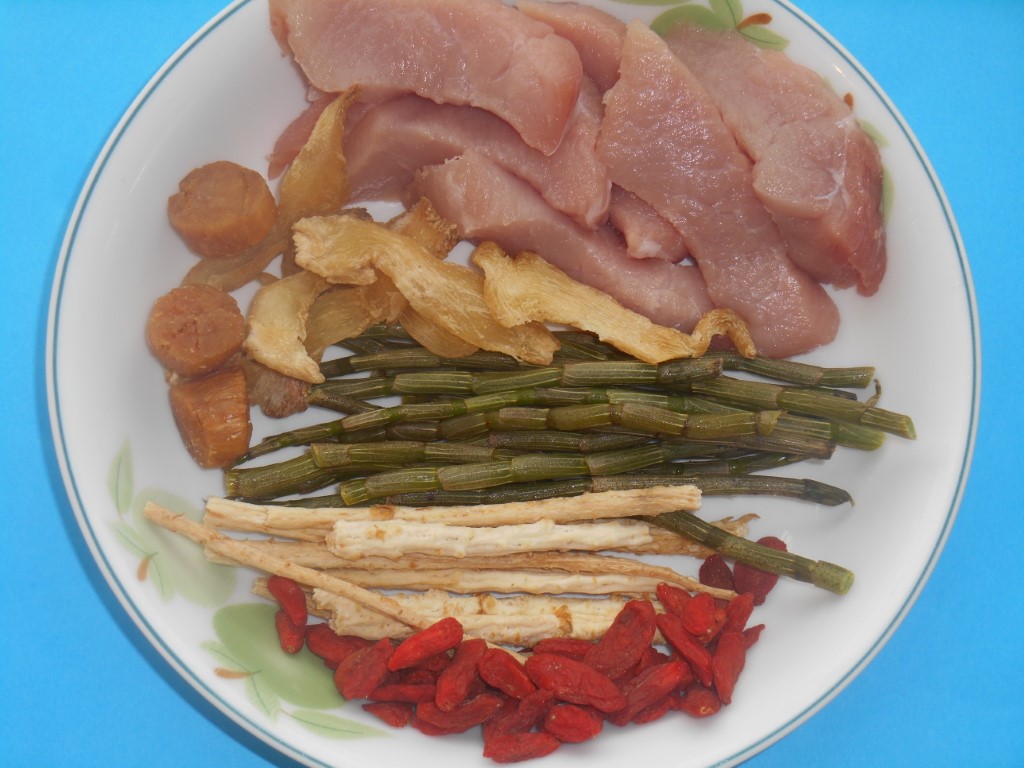
At the Chinese-medicine shop Bro Niu saw some thick, clearly grained dang shen going for over seven hundred dollars per 300 g — which took him back ten years to a trip home, when a relative just back from a codonopsis farm in Gansu offered him a dozen-odd catties of beautifully thick, sun-dried dang shen. He bought three catties for a hundred dollars, gave most to friends, and the bit he kept made soup so sweet it was almost like sugarcane — he rather wishes he’d kept more. Dang shen is called the “sage of qi tonics,” yet it isn’t too drying: traditionally it supports the spleen, boosts qi and eases thirst. Paired with cooling, lung-moistening yu zhu and yin-nourishing, dryness-easing mai dong, this tea is traditionally good for those who feel run-down with a dry mouth.
Who it suits / who should be cautious
- Good for people who feel dry-mouthed and depleted, including those who keep late nights or feel their immunity is low.
- A herbal tea — best taken every other day or about 3 times a week, not every day. Those managing diabetes should follow their doctor’s care.
Why these ingredients (the food-therapy logic)
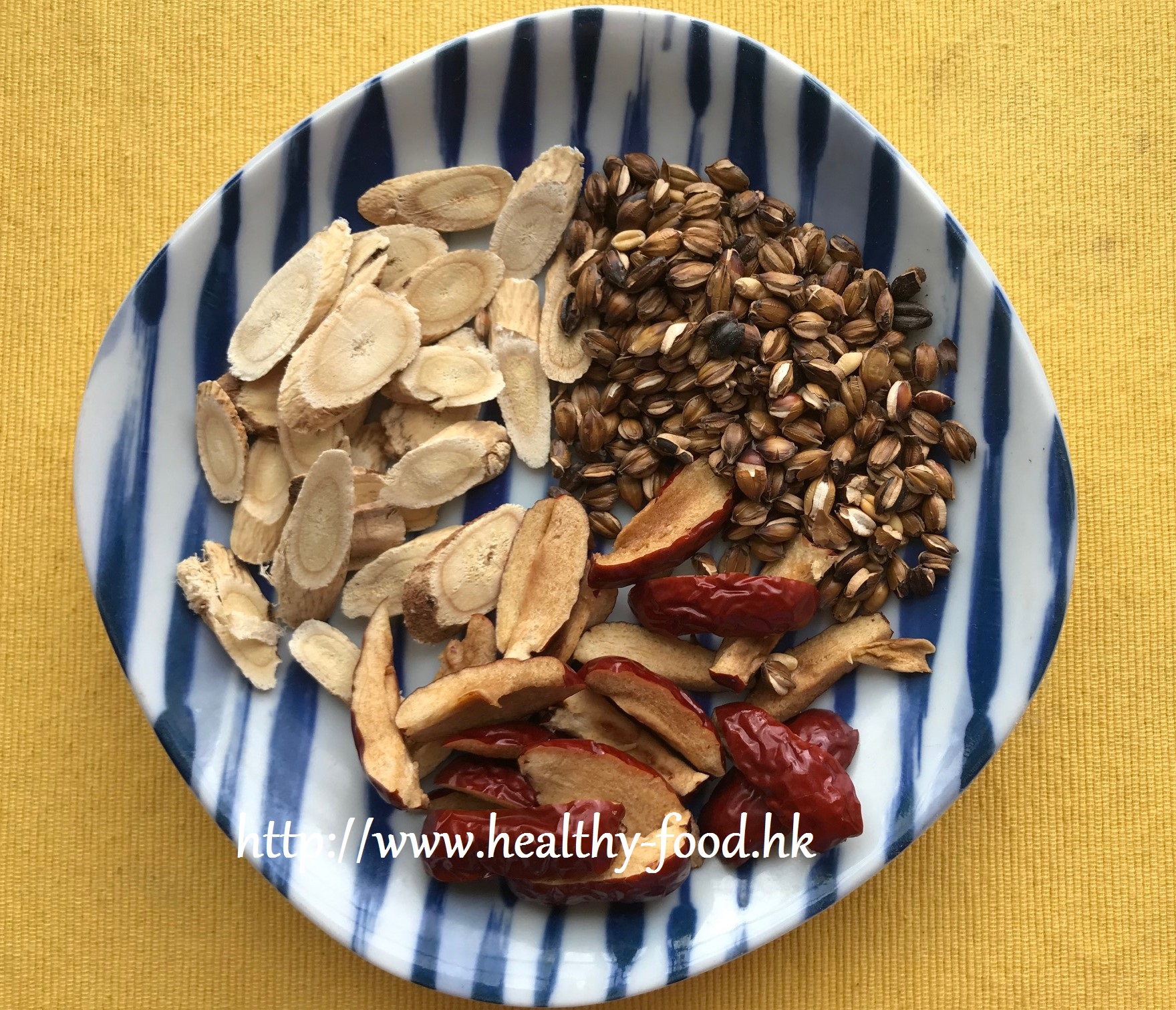
- Dang shen (codonopsis): traditionally supports the spleen, boosts qi and eases thirst without being overly drying.
- Mai dong (Ophiopogon): traditionally nourishes yin, moistens the lungs and eases a dry mouth.
- Yu zhu tou (Polygonatum odoratum): traditionally clears heat and moistens the lungs (plain yu zhu can be used instead; ordinary yu zhu can taste slightly sour, while yu zhu tou is not).
Ingredients (2 bowls)
| Ingredient | Amount | Notes |
|---|---|---|
| Dang shen | 3 qian (~11 g) | Soaked, washed |
| Mai dong | 3 qian (~11 g) | Soaked, washed |
| Yu zhu tou | 3 qian (~11 g) | Soaked, washed, sliced |
Method
- Soak and wash the ingredients; slice the yu zhu tou.
- Put everything into a pot with 4 bowls of water.
- Boil 20 minutes until reduced to 2 bowls. Serve.
Bro Niu’s tips
You can use ordinary yu zhu in place of yu zhu tou; ordinary yu zhu can taste a little sour, while yu zhu tou has no sourness. Besides those minding blood sugar, this tea also suits people who keep late nights and feel dry-mouthed or low on immunity. As it is a herbal tea, take it every other day or about three times a week rather than daily.
Community questions answered (selected)
- Q (juan): Can someone with diabetes take dang shen with goji and lily bulb? Bro Niu: Yes, someone with diabetes can use dang shen, goji and lily bulb.
- Q (Annie): Can this dang shen, mai dong and yu zhu tea be drunk every day? Bro Niu: Every other day or about 3 times a week is better — it is, after all, a herbal tea.
- Q (yannis): My husband has diabetes and lately has a cough, an itchy throat and a little phlegm. What can I make for him? Bro Niu: Steam a salted orange for him: wash the orange (skin on), cut off the top, add a little salt, poke it a few times with a chopstick, set in a bowl with a little water and steam over water for half an hour, then press out the juice with a spoon and drink — take 2 doses. Don’t eat fresh oranges, as they can encourage phlegm.
Published January 24, 2026 · Adapted and translated for Nourilo from a traditional home-kitchen recipe. Approx. 3 min read.