Soups
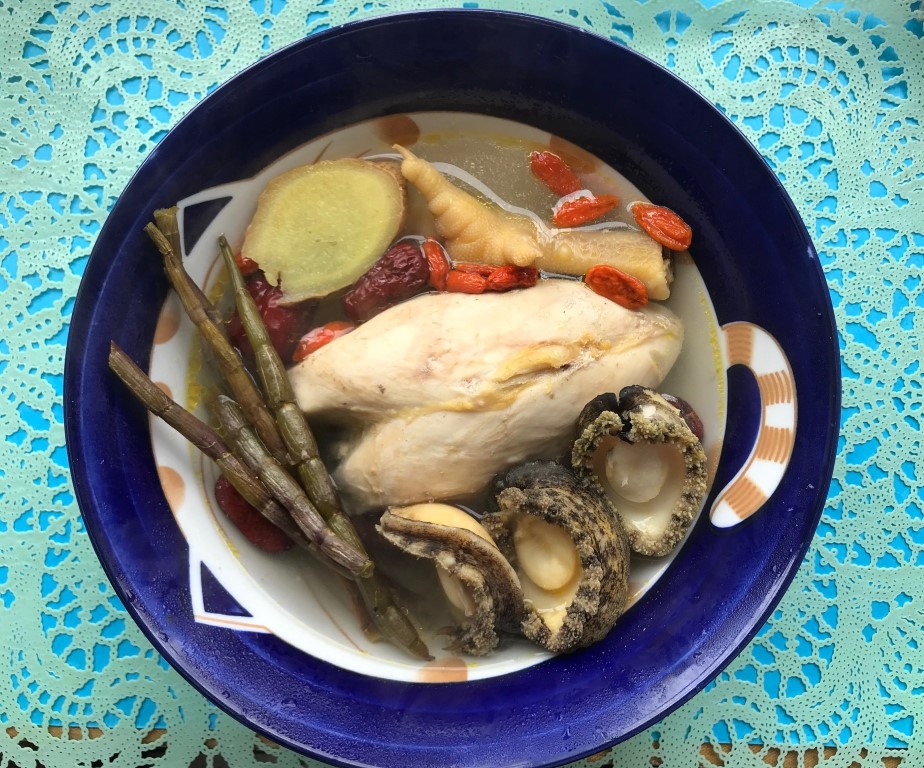
Cordyceps Flower, Chinese Yam, Goji Berry and Pearl Meat Soup
traditionally associated with supporting vision and nourishing the liver and kidneys
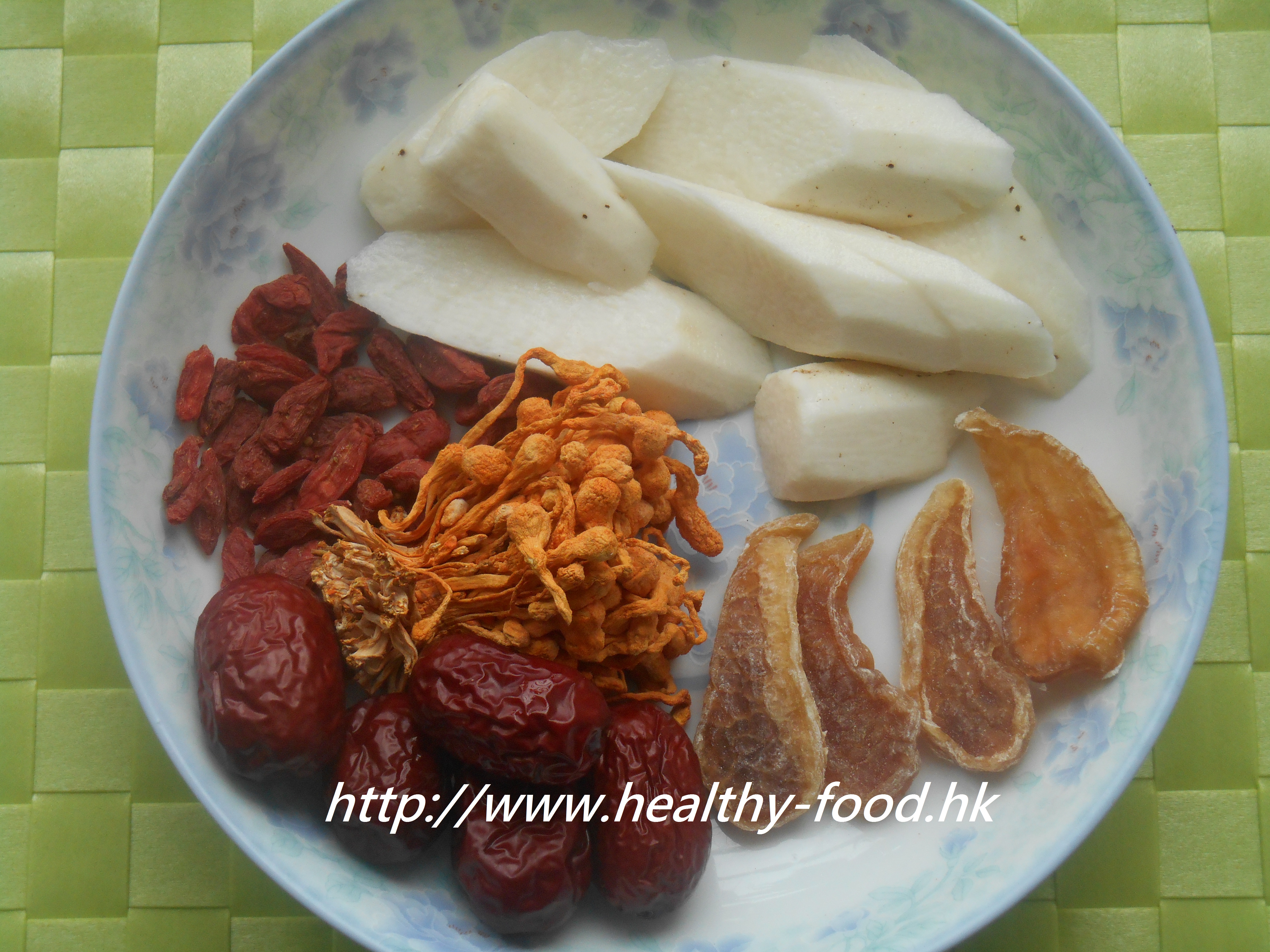
Why people make this soup
Bro Niu happened upon a particularly fine batch of Korean-grown cordyceps flower at a specialty dried-goods shop — more fragrant and visually appealing than the usual mainland variety — and decided to pair it with pearl meat, a prized ingredient among Hong Kong home cooks for eye and liver support. The result is a soup he particularly recommends for people who spend their days staring at computer screens and notice their vision gradually becoming less sharp.
Cordyceps flower (Cordyceps militaris) is a cultivated fungus — not the same as the far more expensive wild Cordyceps sinensis, but still widely used in Chinese food therapy. Traditional texts associate it with supporting kidney and liver function, boosting qi, and helping the body recover from fatigue. Combined with goji berries and pearl meat, both classically linked to supporting the eyes and brightening vision, this is one of Bro Niu’s go-to everyday nourishing soups.
Who it suits / who should be cautious
- Most adults, including pregnant women, may drink this soup
- Particularly suited to those with screen fatigue, blurry vision or a feeling that their eyes tire easily
- Also suitable for those who are prone to catching colds, those with dull or uneven complexion, or anyone feeling generally run-down
- Do NOT give to infants, very young children, or anyone with a known sensitivity to mushrooms or fungi
- Those with an active fever or cold should wait until they recover
Why these ingredients (the food-therapy logic)
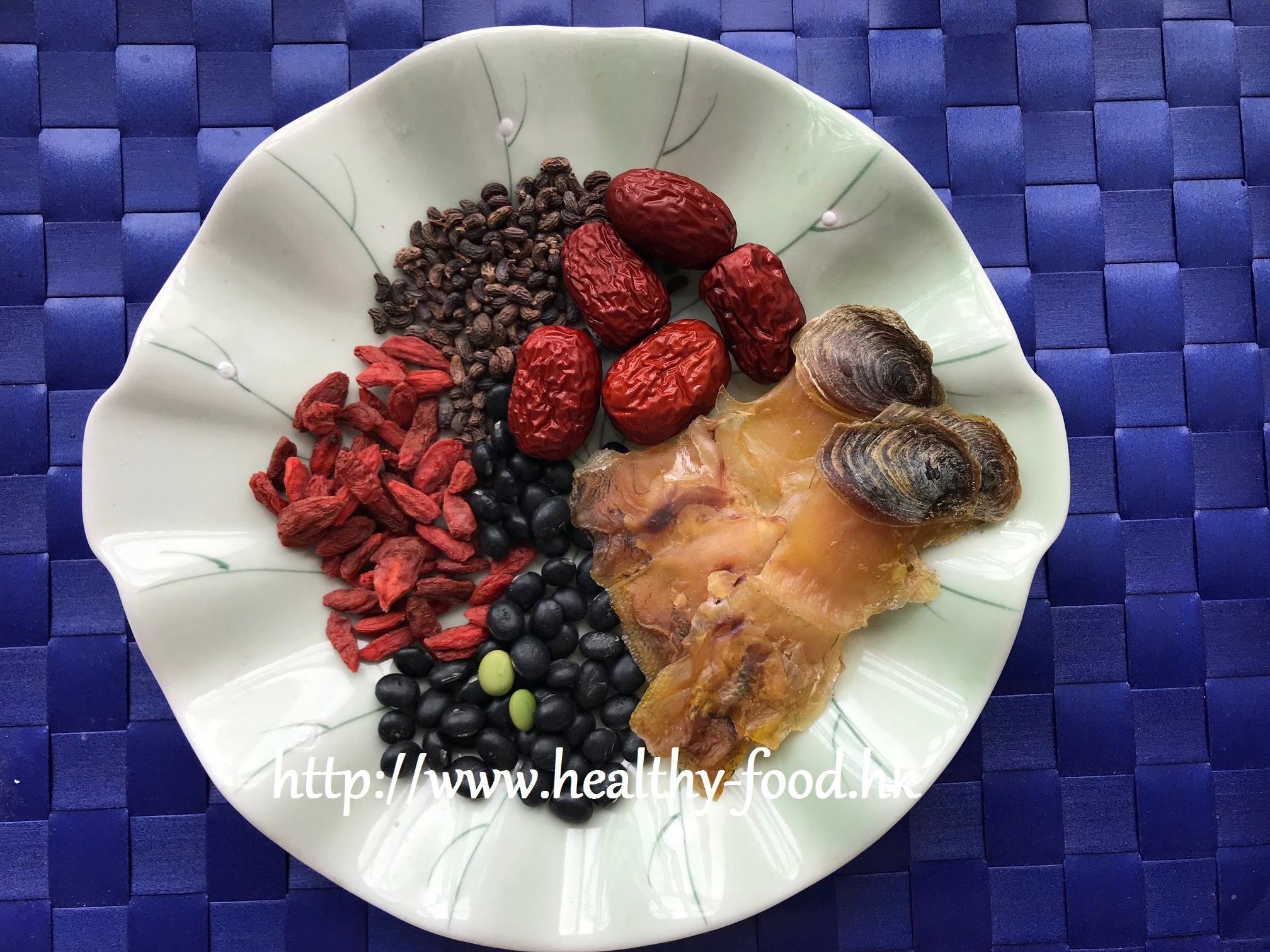
- Cordyceps flower (chong cao hua): A cultivated fungus associated in traditional use with supporting kidney and liver qi, building resistance to fatigue, and complementing overall vitality; suitable for most people including pregnant women
- Fresh Chinese yam (xian huai shan): Gentle and neutral; classically used to support the spleen, stomach and kidney; its fresh form gives a pleasant, slightly gelatinous texture
- Goji berries (gou qi zi): Among the most widely used ingredients for supporting eye health in Chinese food therapy; also associated with nourishing the liver and kidneys
- Pearl meat (zhen zhu rou): Dried adductor muscle from pearl oysters; highly prized for supporting eye health and yin nourishment; worth soaking in cold water for two hours before cooking to soften
- Red dates (hong zao): Broadly nourishing and harmonising; helps round out the flavour and support qi
Ingredients (3–4 bowls)
| Ingredient | Amount | Notes |
|---|---|---|
| Cordyceps flower | approx. 19 g (5 qian) | Soak and rinse; choose fragrant, dry pieces with full tips |
| Fresh Chinese yam | approx. 150 g (4 liang) | Peel and cut into chunks; rinse well |
| Goji berries | approx. 15 g (4 qian) | Rinse well |
| Red dates / jujube | 6 pieces | Pitted |
| Pearl meat | 4 pieces | Soak in cold water for 2 hours first; rinse well |
| Water | 8 bowls (approx. 2 L) | Cold water start |
Method
- Soak the pearl meat in cold water for 2 hours to soften, then rinse. Soak and rinse the cordyceps flower and goji berries.
- Peel the fresh Chinese yam and cut into chunks. Rinse to remove the slippery surface starch.
- Pit the red dates.
- Place all ingredients except the goji berries into a pot with 8 bowls of cold water.
- Bring to a boil over high heat, then reduce to a gentle simmer. Cook for 2 hours.
- (Optional: add the goji berries in the last 15 minutes to preserve their colour and nutrients.)
- Serve the soup and eat all the solid ingredients together.
Bro Niu’s tips
- When choosing cordyceps flower, look for pieces that are fragrant, fully dry (not damp or soft), have plump and complete tips, and when soaked, release a clear orange-yellow colour without murkiness. These signs indicate freshness and quality.
- Pearl meat can be tricky to source outside specialist dried-seafood shops. If unavailable, dried scallops (yao zhu / gan bei) or dried oysters (hao chi) make a reasonable substitute — use 3 dried scallops or 2 liang of dried oysters. Dried sea cucumber (hai shen) also works well alongside the other ingredients.
- Lean pork may be added for extra body without making the soup heavy or excessively heating.
- This soup is suitable year-round and may be drunk regularly, but skip it while you have a fever or active cold.
Community questions answered (selected)
-
Q (Karen Ho): How do you prepare pearl meat so it does not smell too fishy? Bro Niu: After soaking the pearl meat in water, you can briefly blanch it in a pot with three or four slices of fresh ginger to remove any unwanted smell. Also, when buying, choose pieces that are on the drier side — softer or slightly aged pieces tend to smell worse.
-
Q (KK mama): My family member just had retinal repair surgery about a week ago — can they drink this soup? Is it okay to add longan (round meat)? Bro Niu: This soup is fine after retinal surgery. Longan (yuan rou) is also fine to add — it nourishes the blood and calms the spirit. Since it is warming in nature, about 3 qian (roughly 9 g) is enough.
-
Q (Lisa): Can dried scallops or dried oysters substitute for pearl meat? And in summer, should I replace the red dates with figs for someone who runs hot? Bro Niu: Yes — you can use 3 dried scallops or 2 liang of dried oysters as substitutes; both are yin-nourishing and cooling. For someone who runs hot in summer, replacing red dates with 4 dried figs (wu hua guo) is a good idea.
Published January 26, 2016 · Adapted and translated for Nourilo from a traditional home-kitchen recipe. Approx. 4 min read.