Soups
Codonopsis, Poria and Lean Pork Soup
traditionally used to strengthen the spleen, support fluid metabolism, and assist hormonal balance
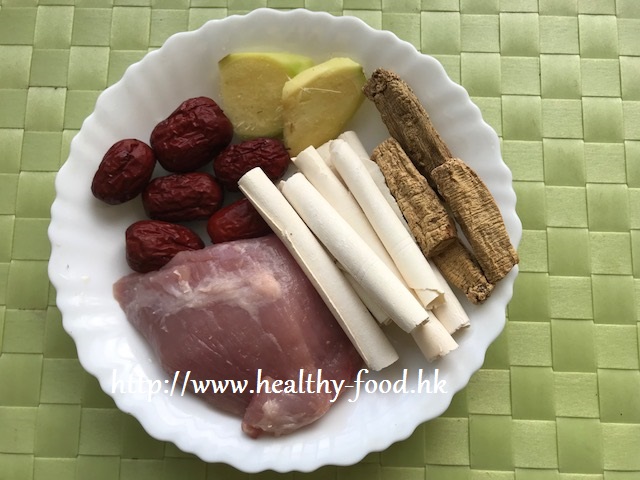
Why people make this soup
Polycystic ovary syndrome affects a significant number of women during their reproductive years, and nutrition plays a meaningful role in supporting overall wellbeing alongside medical treatment. In traditional Chinese food therapy, PCOS is often viewed through the lens of an imbalance in spleen and kidney function, coupled with the accumulation of excess dampness and phlegm in the body. This soup brings together codonopsis root — a gentle energy tonic for the digestive system — with poria mushroom, which is especially valued for its ability to support the body’s fluid metabolism. Together with ginger, red dates, and lean pork, this is a mild, warming soup that the whole family can enjoy two to three times a week.
Who it suits / who should be cautious
- Women managing PCOS who tend toward fatigue, bloating, or water retention
- People with qi deficiency or general digestive weakness
- Also helpful for anyone with fluid retention or puffiness
- Those who are prone to heat or internal fire (易上火): replace codonopsis with dried Chinese yam (huai shan / shan yao, 1 liang) and add dried lily bulb (bai he, 5 qian) — this version is cooling enough for heat-prone individuals
- Do not drink strong tea and avoid white radish (daikon) within a few hours of consuming this soup, as both may reduce the tonic effect
- Consult a doctor before using as part of PCOS management
Why these ingredients (the food-therapy logic)
- Codonopsis root (dang shen): A milder alternative to ginseng, codonopsis is traditionally used to replenish energy (qi) and strengthen the digestive system. It supports the spleen’s ability to transform and transport nutrients.
- Poria (fu ling): One of the most widely used herbs in Chinese food therapy, poria is thought to drain excess dampness, support fluid metabolism, and calm the mind. It is considered particularly valuable for conditions associated with phlegm-dampness accumulation, which in traditional theory relates to ovarian cyst formation.
- Red dates (hong zao): Nourish the blood and support the spleen.
- Fresh ginger: Warms the middle, aids digestion, and balances the cooler nature of poria.
- Lean pork: Provides protein and a neutral base for the soup.
Ingredients (1 serving / therapeutic dose)
| Ingredient | Amount | Notes |
|---|---|---|
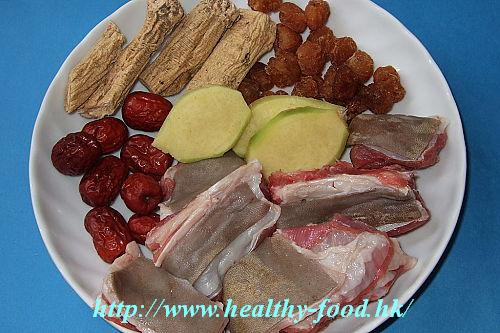
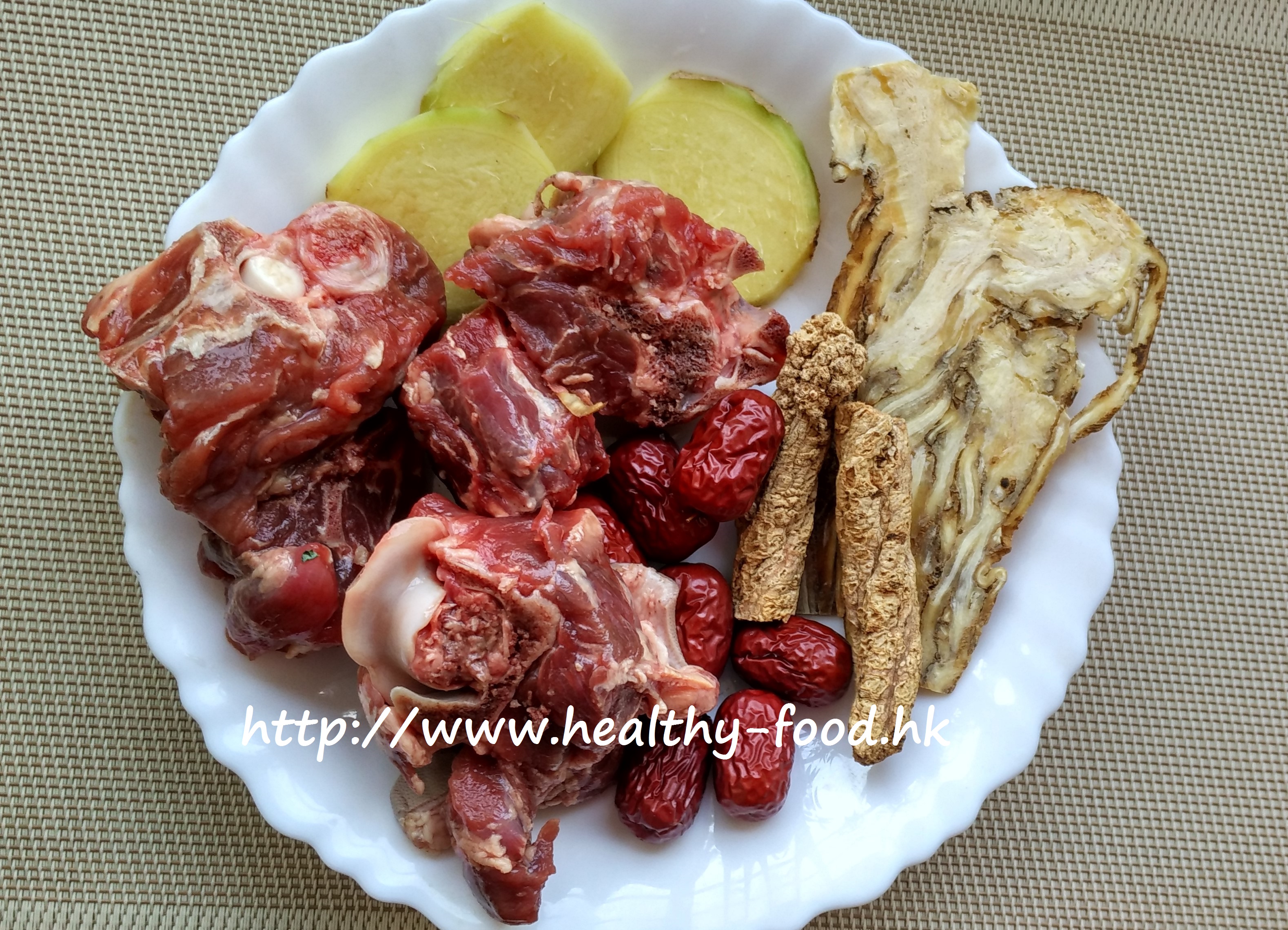
| Codonopsis root (dang shen) | ~19 g (5 qian) | Available at Chinese herbalists |
| Poria (fu ling) | ~19 g (5 qian) | Comes in blocks, slabs, or granules — all work |
| Fresh ginger | 3 slices | |
| Red dates (jujube) | 6 pieces | Remove pits |
| Lean pork | ~150 g (4 liang) | Sliced; blanch briefly in boiling water first |
Method
- Soak and rinse codonopsis root and poria.
- Pit the red dates.
- Slice the lean pork and blanch it in boiling water for 1 to 2 minutes; drain.
- Combine all ingredients in a pot with 5 bowls of water (approximately 1.25 litres).
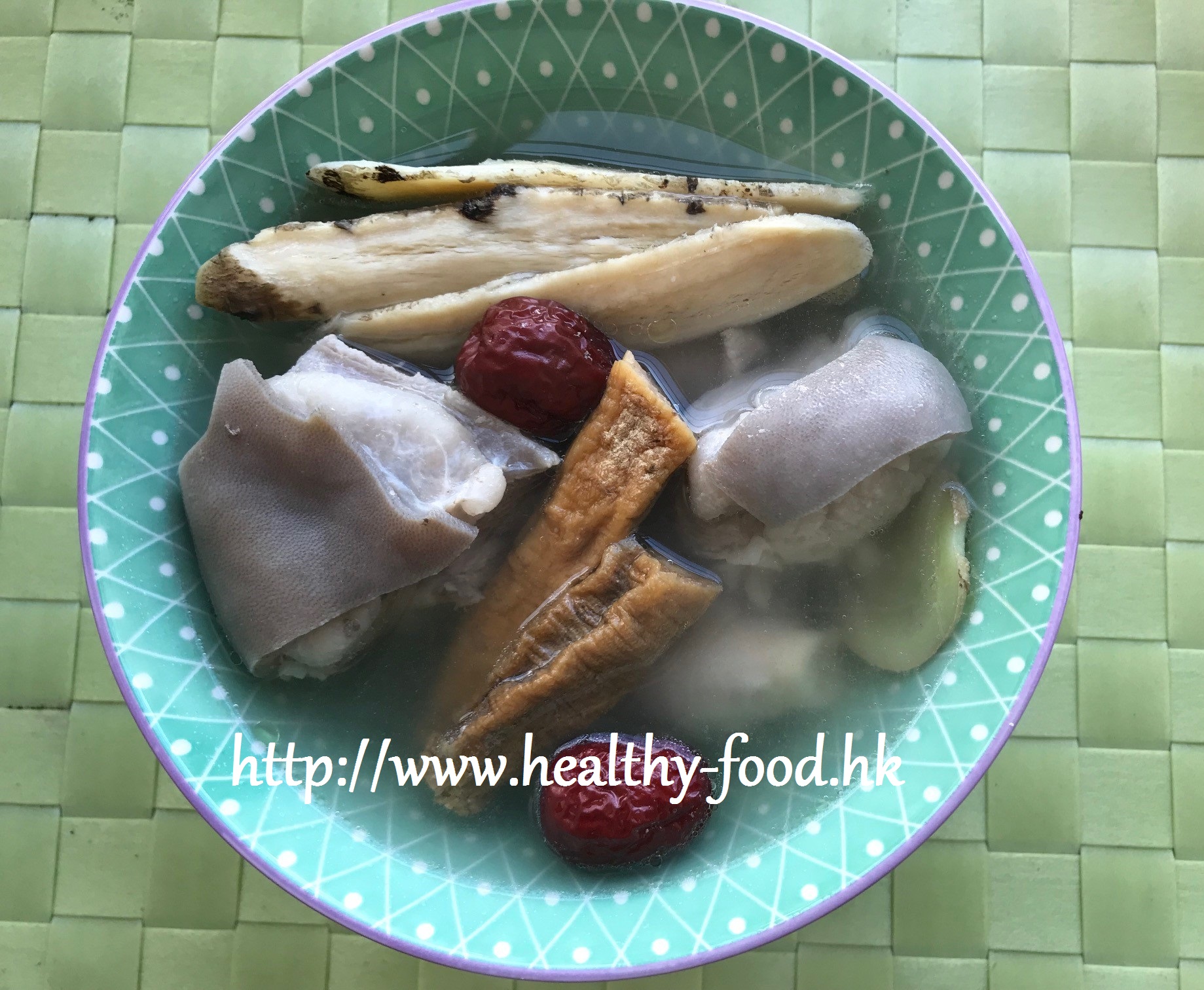
- Bring to a boil, then reduce heat and simmer for 1 hour.
- Serve and drink the soup. Consume 2 to 3 times a week.
Bro Niu’s tips
This soup also benefits people with general qi deficiency or water retention. If you are prone to heat or inflammation, swap the codonopsis for dried Chinese yam (1 liang) and add lily bulb (5 qian). Avoid drinking strong tea or eating white radish alongside or shortly after this soup, as they can reduce its tonic effect. This is a one-person therapeutic dose; for a family version, scale ingredients up proportionally.
Community questions answered (selected)
-
Q (Chan): I have PCOS and have been seeing a TCM doctor for two years without much success. My periods do not come on their own, and I have no ovulation each month. Is there anything in this recipe that can help with ovulation? I tend to have excess internal heat — can I use Chinese yam instead of codonopsis? Bro Niu: Both dried and fresh Chinese yam work fine. For an ovulation-supporting option, try dried yam (huai shan), lily bulb, and poria at 1 liang each, with five southern dates (nan zao), stewed with sea cucumber and lean pork. Take two doses a week. You will need two to three months of consistent use to see results.
-
Q (Katie): I am vegetarian — what can I use instead of pork? Bro Niu: You can use fresh Chinese yam or potato to replace the pork. Both work well.
-
Q (anonymous): Why is poria especially beneficial for PCOS? Bro Niu: In traditional theory, PCOS is often associated with impaired spleen function, internal water accumulation, and phlegm retention. Poria is one of the key herbs for draining dampness and clearing phlegm, and is therefore considered particularly useful for this condition.
Published September 7, 2018 · Adapted and translated for Nourilo from a traditional home-kitchen recipe. Approx. 4 min read.