Soups
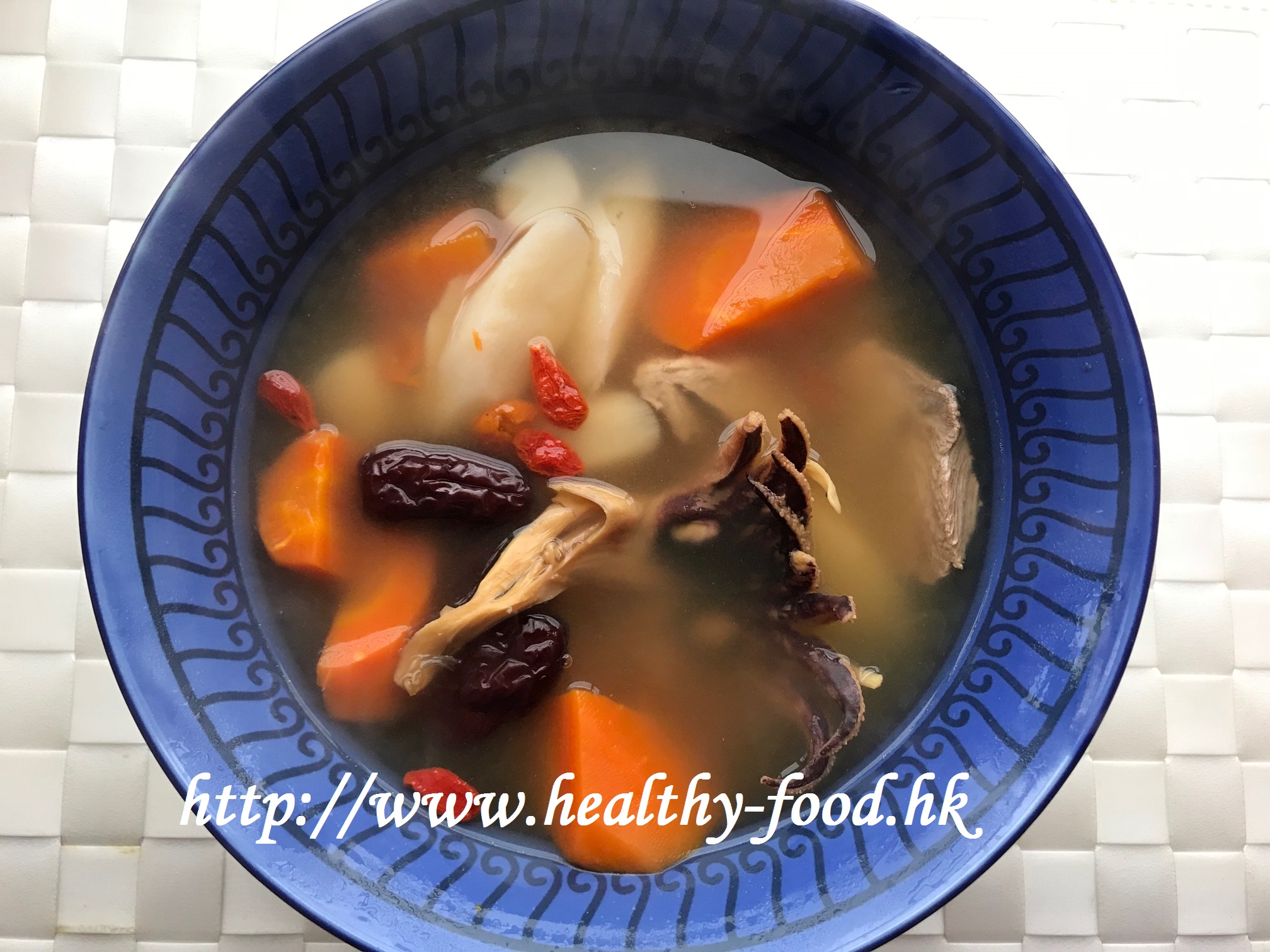
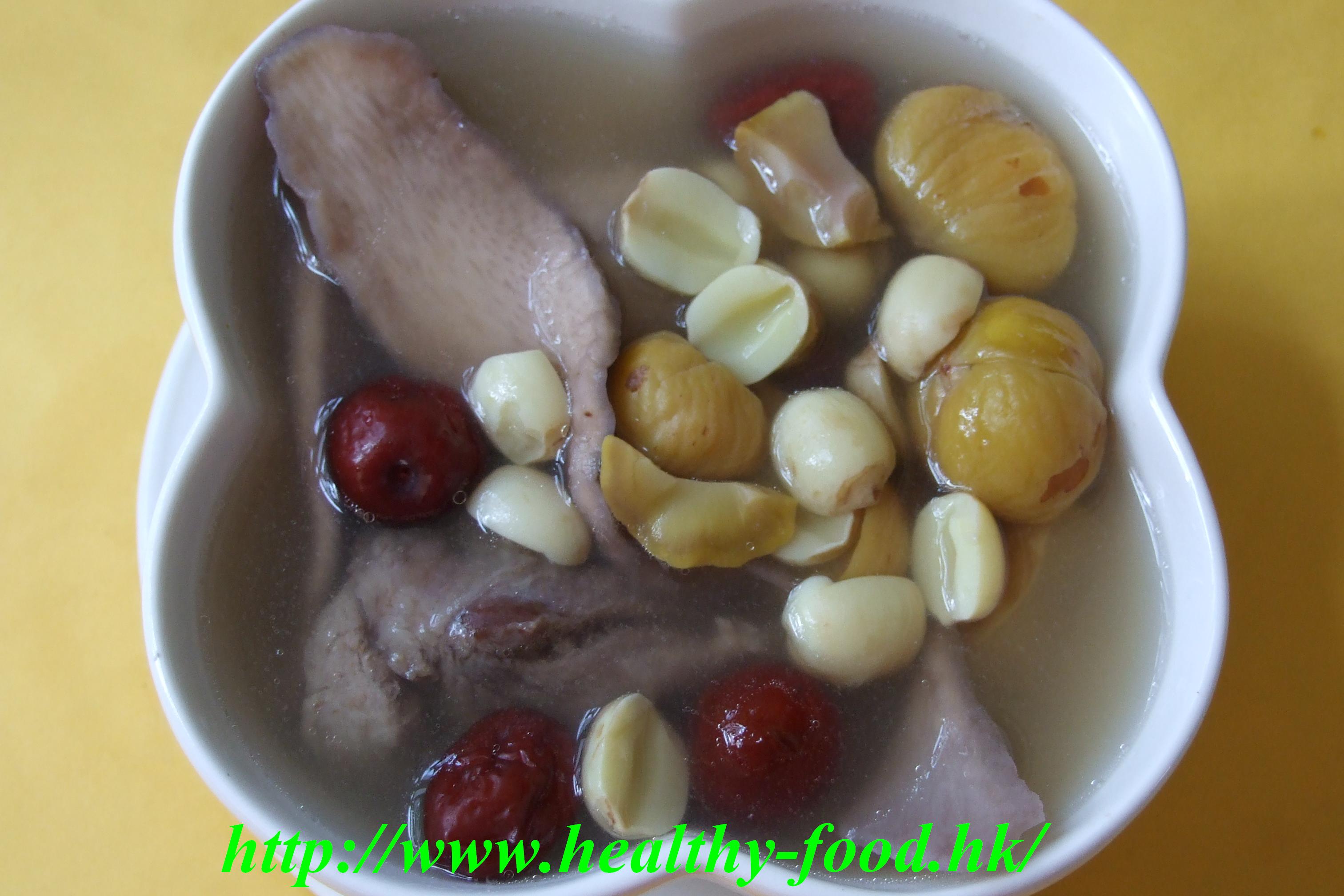
Chinese Yam, Chestnut, and Corn Pork Soup
Traditionally associated with supporting digestion, energy, and nourishment during early pregnancy
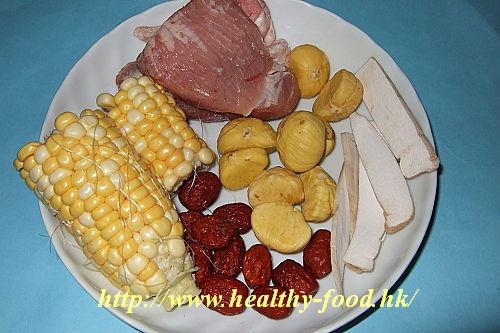
Why people make this soup
The first trimester of pregnancy places significant nutritional demands on the body, particularly for folate — a nutrient essential for healthy fetal brain and neural-tube development. Western nutrition commonly points to leafy greens, eggs, oats, and asparagus as good sources, and these remain excellent choices. What this soup adds is a gentle, warming, and deeply satisfying way to bring together several folate-containing ingredients in a single dish that is easy to digest even when appetite is reduced.
In Chinese food therapy, the chestnut holds a special place as the “fruit of the kidney,” traditionally associated with strengthening the lower back, replenishing kidney essence, and nourishing the blood. Combined with Chinese yam — one of the most commonly used tonic foods for the spleen and stomach — corn for natural sweetness and fibre, and red dates for blood nourishment, this is a soup that supports mother and baby from multiple angles. Bro Niu notes it is suitable for the whole family, not just expectant mothers.
Who it suits / who should be cautious
- Pregnant women, particularly in the first trimester, looking for gentle dietary nourishment
- People with low energy, poor appetite, or digestive weakness
- Suitable for all family members as a general wellness soup
- Those with blood sugar concerns: Chinese yam and corn are both associated with blood-sugar moderation, making this soup a reasonable option for gestational diabetes management — but please consult your doctor for personalised advice
- Avoid adding papaya to this soup (or consuming papaya at all during pregnancy) as it is associated with uterine contractions; similarly, avoid Job’s tears (yi mi / barley) during pregnancy
Why these ingredients (the food-therapy logic)
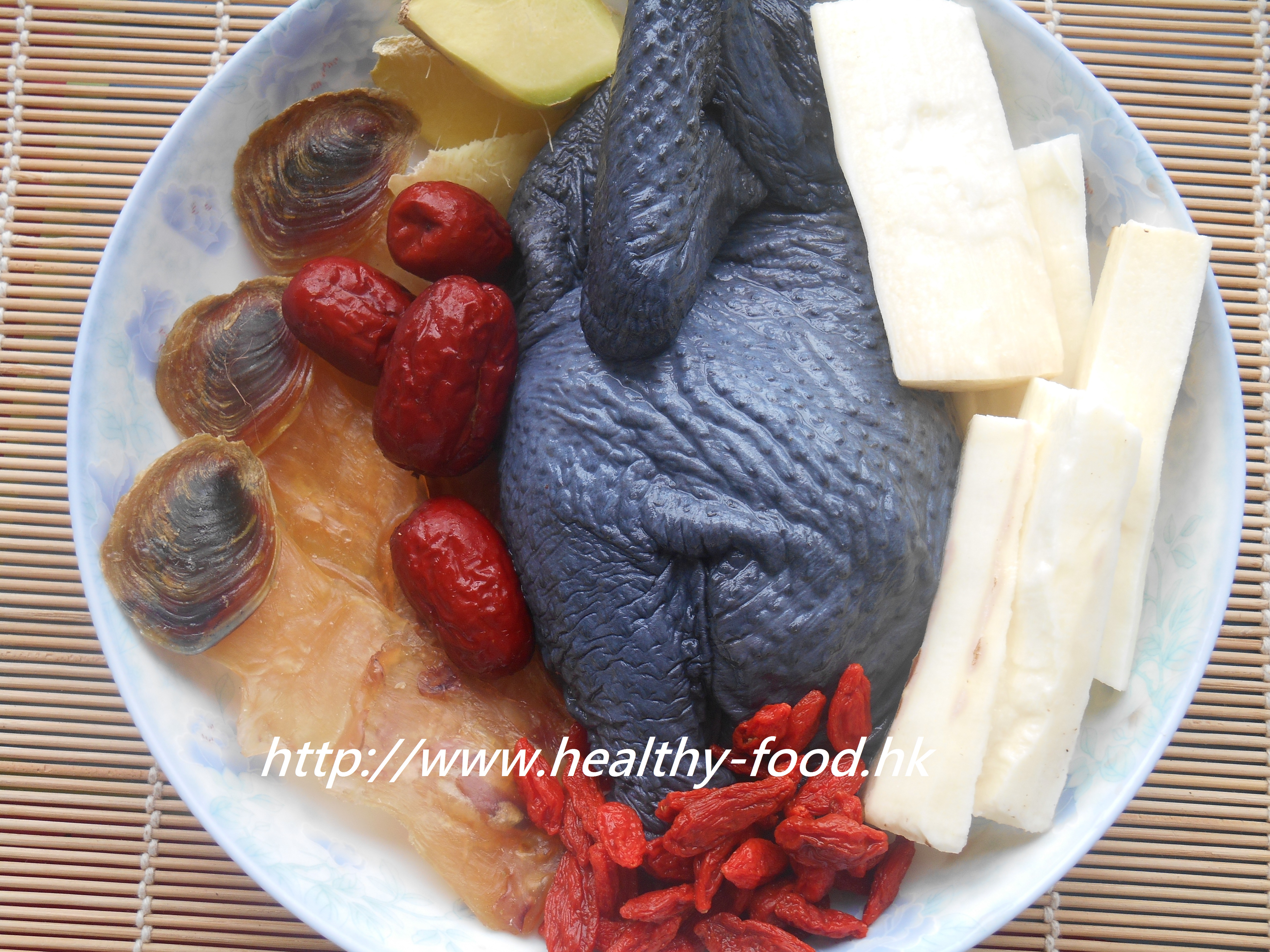
- Chinese yam (huai shan): One of the most widely used tonic foods in Chinese tradition. Associated with strengthening the spleen and stomach, supporting lung qi, and nourishing the kidneys. Gentle and neutral in nature — neither warming nor cooling — making it ideal during pregnancy.
- Chestnut (li zi): Known in traditional medicine as the “fruit of the kidney,” chestnuts are naturally rich in folate, carbohydrates, and minerals. Associated with strengthening the lower back and supporting kidney function — areas of particular concern during pregnancy.
- Corn (su mi): Adds natural sweetness to the broth and contributes fibre for digestive health. Also associated in food therapy with supporting healthy blood sugar levels.
- Red dates (hong zao): A classic blood-nourishing ingredient in Chinese food therapy, associated with replenishing qi and blood and calming the spirit.
- Lean pork: A gentle source of protein that forms the base of the broth without being too rich or fatty — important when morning sickness or appetite changes are a factor.
Ingredients (4 bowls)
| Ingredient | Amount | Notes |
|---|---|---|
| Chinese yam (huai shan), dried | 30 g | Soak and rinse before use |
| Fresh chestnuts (li zi) | 90 g | Shelled and inner skin removed |
| Corn on the cob (su mi) | 1 ear | Husked and cut into sections |
| Red dates (hong zao) | 8 pieces | Rinse well |
| Lean pork | 150 g | Blanch in boiling water first |
Method
- Bring a small pot of water to the boil, add the lean pork, and blanch for 2 minutes. Drain and rinse under cold water. This removes impurities and keeps the broth clear.
- Shell and peel the chestnuts; remove the husks from the corn cob and cut into sections.
- Soak the dried Chinese yam and red dates in water for 10 minutes, then rinse.
- Place all ingredients into a large pot and add 8 bowls (approximately 1.6 litres) of water.
- Bring to the boil, then reduce heat and simmer for about 2 hours, until the liquid reduces to approximately 4 bowls.
- Serve warm. Drink the soup and eat the solid ingredients — especially the chestnuts and corn.
Bro Niu’s tips
This soup is one of those recipes the whole family can enjoy together — there is no need to cook a separate pot just for the expectant mother. The Chinese yam and corn contribute to healthy blood sugar balance, making it a reasonable option for women managing gestational diabetes (though specific medical guidance should still come from a doctor). Chestnuts can be cooked as a side dish, used in braised dishes, or made into a sweet soup — all beneficial ways to keep folate intake up throughout pregnancy.
A note on ingredients to avoid during pregnancy: papaya (mu gua) causes uterine contractions and should be avoided entirely until after birth; Job’s tears (yi mi) is also traditionally contraindicated in pregnancy, so do not add these to any soup during this period.
Community questions answered (selected)
-
Q (Gary): Hello — my wife is 8 weeks pregnant and I would like to know what nourishing soups or food-therapy recipes would be good for her during early pregnancy. Bro Niu: During early pregnancy, the priority is getting enough folate and calcium to support the baby’s brain development — you can look up which everyday foods are richest in these. The soup pictured here (Chinese yam and chestnut) is a great choice. You can also brew a weekly pot of mulberry mistletoe (sang ji sheng), lotus seeds, and red dates as a calming tea — traditionally used to support the pregnancy. Do avoid herbs that move blood strongly, such as san qi, dan shen, and shan zha, and avoid papaya (it may cause uterine contractions) and Job’s tears. Fresh fish soups, soy milk, and regular cow’s milk are also excellent for mother and baby during this time.
-
Q (Ying): Hello — I am 14 weeks pregnant and have been experiencing daily lower back pain, poor sleep with vivid dreams, a tendency to feel overheated, a white tongue coat with tooth marks on the edges, and occasional constipation with poor appetite. What soup would be helpful? Bro Niu: You can make a soup with Chinese yam (huai shan), poria mushroom (fu ling), lotus seeds (lian zi), and lily bulb (bai he) — about 15 g each — plus 1 piece of dried tangerine peel (chen pi) and 4 pieces of figs (wu hua guo), simmered with pork shank. This is gentle, non-heating, and traditionally associated with supporting the spleen, calming the spirit, and easing digestive discomfort. For constipation, you can occasionally drink prune juice — it is safe and effective during pregnancy.
-
Q (reader — Mrs chan): My pregnancy is at 5 weeks. Can I take ejiao (donkey-hide gelatin), fish maw (hua jiao), or black sesame tea? And I have occasional night sweats — what would help? Bro Niu: Early in pregnancy, ejiao and black sesame tea are both fine. Fish maw can be taken occasionally — about once a week — but only if your digestion is good and you have a healthy appetite; do not overdo it. For night sweats, try black beans (hei dou) 30 g, floating wheat (fu xiao mai) 15 g, and southern dates (nan zao) 5 pieces, simmered in 5 bowls of water down to 2 bowls. Take for 3 to 4 servings.
Published June 10, 2010 · Adapted and translated for Nourilo from a traditional home-kitchen recipe. Approx. 5 min read.