Herbal & Flower Teas
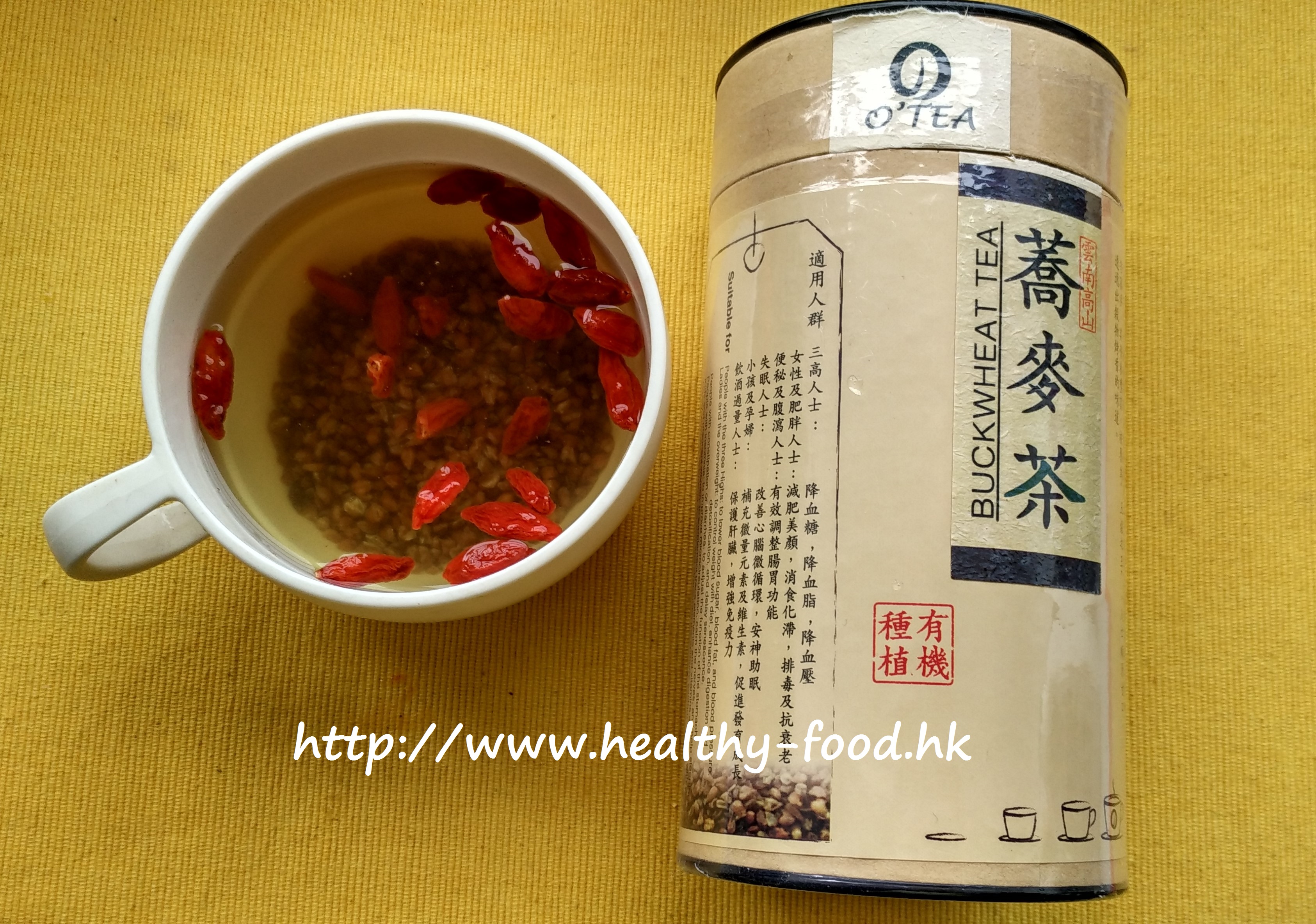
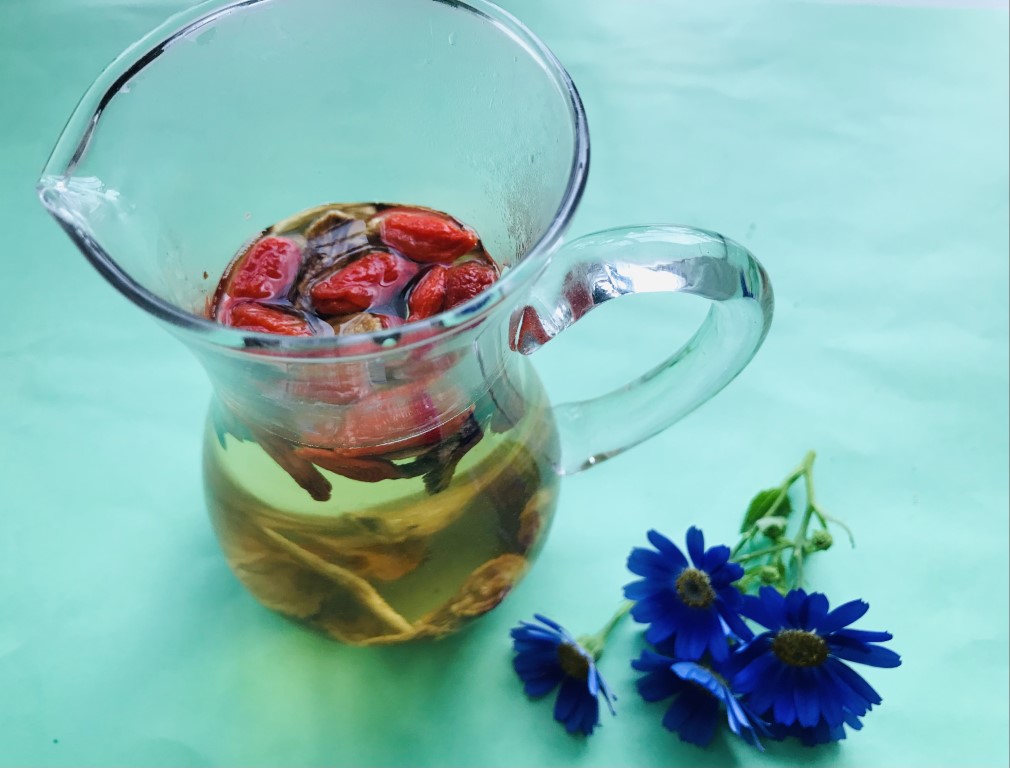
Dried Burdock and Goji Berry Tea
Traditionally associated with supporting cardiovascular and metabolic wellness
Why people make this tea
Urban diets heavy in rich, fatty, and processed foods have made elevated blood pressure, blood sugar, and cholesterol — collectively known in Chinese medicine as “the three highs” — increasingly common across all age groups. Rather than waiting for a problem to develop, traditional food therapy emphasizes everyday habits that gently nudge the body toward balance. This two-ingredient tea is one of Bro Niu’s simplest go-to recommendations: it takes five minutes to prepare, has a pleasant earthy-sweet flavour, and is gentle enough for daily drinking.
Burdock root has long been regarded in East Asian herbal tradition as a cooling, detoxifying food with a particular affinity for the cardiovascular system. Paired with goji berries — a gentle tonic associated with nourishing the liver, kidneys, and eyes — the combination creates a tea that is both easy to make and easy to keep up with long-term.
Who it suits / who should be cautious
- Suitable for most adults looking for everyday dietary support for metabolic health
- Considered appropriate for all body constitutions — neither strongly warming nor cooling
- Those on blood-thinning medications or with very low blood pressure may want to check with a healthcare provider before making this a daily habit
- Pregnant women should consult a doctor before starting any new herbal routine
Why these ingredients (the food-therapy logic)
- Dried burdock root (niu bang): Classified as cooling and detoxifying in traditional Chinese medicine, burdock is associated with lowering excess heat in the blood and supporting healthy cholesterol metabolism. It is sometimes called the “king of vegetables” for the breadth of its traditional uses, which include supporting blood pressure and blood sugar stability.
- Goji berries (gou qi zi): A classic tonic berry associated with nourishing liver yin and kidney essence, brightening the eyes, and moistening the lungs. Together with burdock, goji adds a gentle sweetness and rounds out the tea’s protective profile for cardiovascular health.
Ingredients (1–2 cups / re-steepable)
| Ingredient | Amount | Notes |
|---|---|---|
| Dried burdock root (niu bang) | 2 tablespoons (~10 g) | Available at Chinese herb shops and some Asian grocery stores |
| Goji berries (gou qi zi) | 1 tablespoon (~8 g) | Choose plump, red, dry berries free of insect damage |
Method
- Place the dried burdock slices and goji berries in a teapot or heatproof mug.
- Rinse once with a small splash of boiling water, then discard the rinse water.
- Pour in fresh boiling water to fill the pot, cover, and steep for 5 minutes.
- Pour and drink. Continue to re-steep with fresh hot water until the tea loses its flavour.
Bro Niu’s tips
When choosing goji berries, look for ones that are deep red, round, plump, and dry with no signs of moisture or insect damage. Goji berries from the Ningxia region of China are particularly prized — they tend to have thinner skin, more flesh, a sweeter taste, and fewer seeds. A good Chinese herb shop will usually stock these. This tea can be enjoyed daily and works well as a replacement for coffee or sugary beverages.
Community questions answered (selected)
-
Q (NG): Hello — my father is 75, and his latest blood test showed cholesterol more than double the normal level. His doctor has prescribed cholesterol-lowering medication, and he also has high blood pressure. Are there soups or drinks that could help support cholesterol and blood pressure? Can this burdock-goji tea be steeped and drunk as well? Bro Niu: For your father, I’d suggest looking for eucommia leaf (du zhong ye) at a Chinese herb shop — particularly the young tender leaves, which can be steeped like tea. They are associated with supporting both blood pressure and cholesterol, and are not cooling in nature. He can mix them with his favourite tea leaves. The burdock-goji tea is also helpful and is associated with stroke prevention, so he can pick both up at the same shop. Important: do not buy the type of eucommia tea that comes with twigs and bark attached — that kind must be boiled. Only the tender young leaves are suitable for steeping.
-
Q (reader): A reader asks about a friend who has recovered from a recent illness but is left feeling weak, exhausted, and with back pain. What soup would help? Bro Niu: Your friend can try a soup with wu zhi mao tao (five-finger fig root), Chinese yam (huai shan), lotus seeds (lian zi), gordon euryale seeds (qian shi), poria mushroom (fu ling) — 30 g each — plus 5 red dates and a piece of dried tangerine peel (chen pi), simmered with lean pork for 2 hours. The whole family can share it. Three servings over a week can help replenish qi and blood and support the spleen and stomach.
-
Q (ckl): I recovered from a recent illness and have been experiencing fatigue, dizziness, occasional coughing, weakness, and heart palpitations. I was thinking of combining dang shen, huai shan, wu zhi mao tao, bai he, wu hua guo, chen pi, tiger milk mushroom, southern almond, and chuan bei in a soup. What amounts would you recommend for two people? Bro Niu: Those ingredients are fine for a recovery soup — aim for three servings per week. For the whole family: tiger milk mushroom 12 g, dang shen 15 g, huai shan / wu zhi mao tao / bai he each 30 g, wu hua guo 4 pieces, chen pi 1 piece, southern and northern almonds 30 g combined, chuan bei 9 g.
Published January 26, 2023 · Adapted and translated for Nourilo from a traditional home-kitchen recipe. Approx. 4 min read.