Herbal & Flower Teas
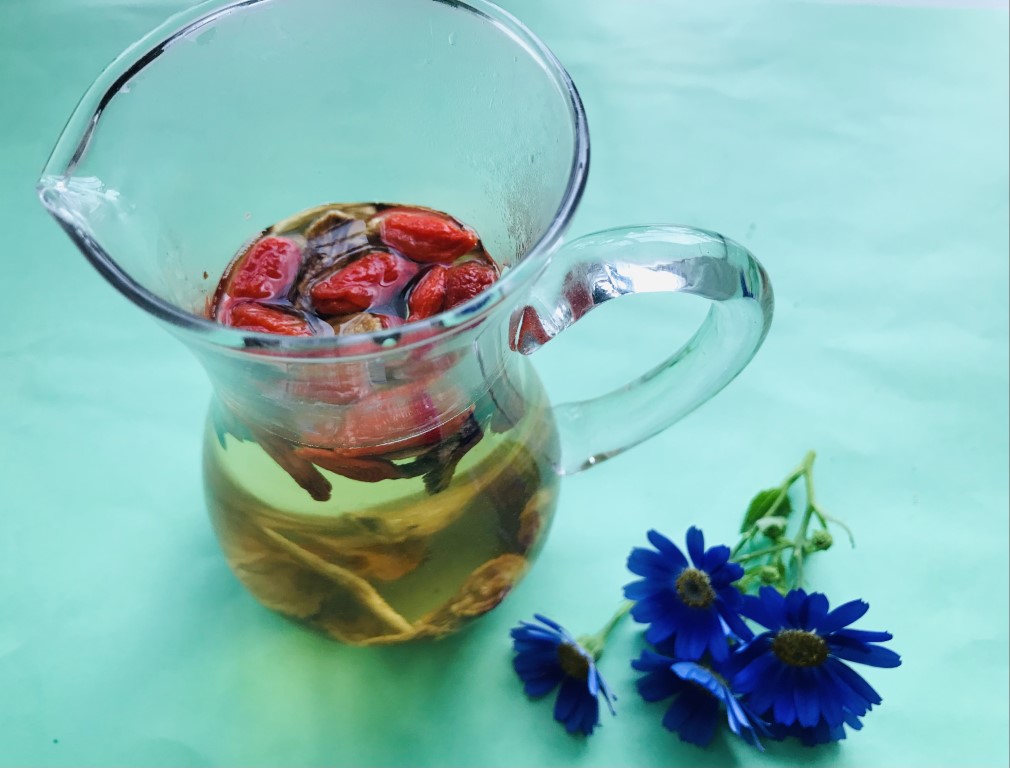
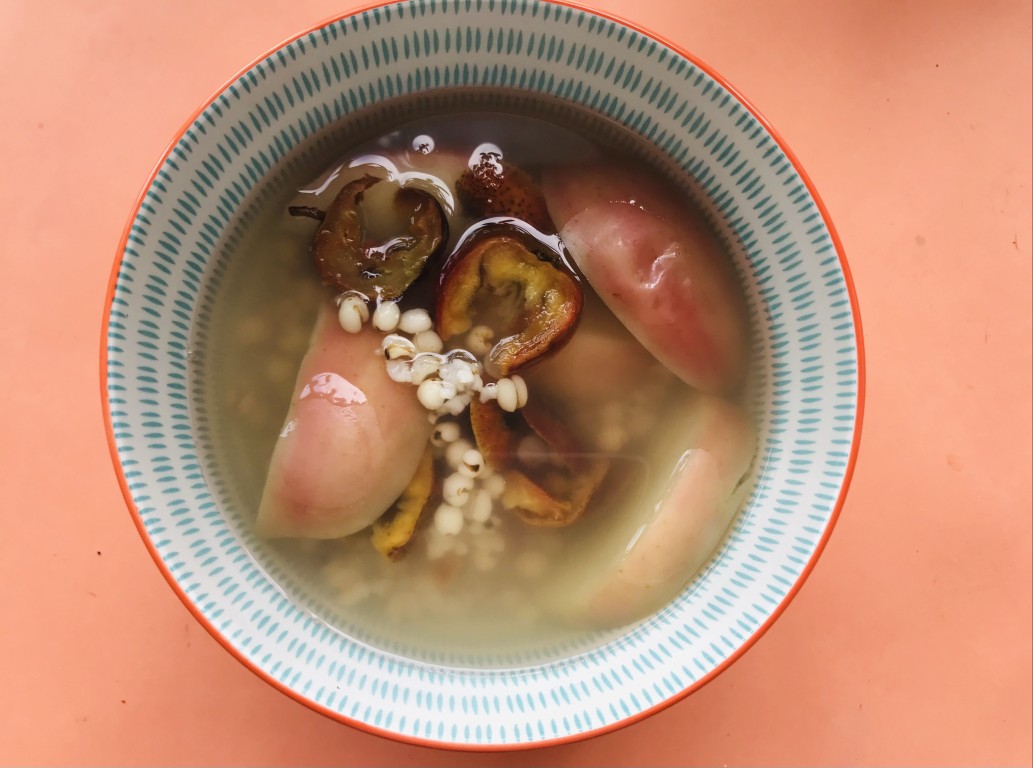
Apple, Hawthorn and Goji Berry Tea
Traditionally taken to help guard against the 'three highs'

Why people make this tea
The so-called “three highs” — high blood sugar, high blood pressure and high blood lipids — used to be thought of as a middle-aged or older person’s worry, but plenty of younger folks now run into them through stress and unbalanced eating. Apples are cheap, honest fruit, and brewing them with hawthorn and goji makes a pleasant everyday drink that traditionally supports the body and helps keep these numbers in a healthy range. Best of all, this tea is not cooling, so it suits a wide range of constitutions.
Who it suits / who should be cautious
- People wanting a gentle everyday tea to support healthy blood sugar, pressure and lipids, and to build general vitality.
- Those with a weaker or colder constitution can drink it regularly, since it is not cooling.
- If you have an active stomach-acid problem, the mild sourness of hawthorn may be best taken after meals.
Why these ingredients (the food-therapy logic)
- Apple (ping guo): A mild, sweet fruit that adds natural sweetness and is traditionally seen as nourishing and easy on the body.
- Hawthorn (shan zha): Long used in Chinese food therapy to aid digestion and is associated with support for healthy circulation and lipids.
- Goji berries (gou qi zi): Traditionally used to nourish the liver and kidney and support the eyes and overall vitality.
Ingredients (3 cups)
| Ingredient | Amount | Notes |
|---|---|---|
| Apples | 2 | Cored and cut into chunks |
| Hawthorn berries (shan zha) | ~5 qian (about 19 g) | Rinsed |
| Goji berries (gou qi zi) | ~3 qian (about 11 g) | Rinsed |
Method
- Soak the apples for 5 minutes in warm salted water and then in flour water to help remove surface residue and wax; rinse, then cut into chunks and remove the cores.
- Rinse the hawthorn and goji berries.
- Put everything in a pot with 5 cups of water and simmer for 20 minutes until reduced to about 3 cups. Serve.
Bro Niu’s tips
This tea is sweet with a touch of sourness — young and old can enjoy it. When choosing apples, you don’t need the biggest, reddest ones. Look for skin with fine streaks, a firm feel when pressed, and a natural fragrance; that is your ideal healthy apple.
Community questions answered (selected)
- Q (Wing): My husband is in his sixties and needs minimally invasive surgery for an enlarged prostate. What soups can I make before and after the operation? Bro Niu: Before surgery you can make blood-nourishing soups, such as a beetroot, tomato, carrot and red-skinned peanut soup with lean pork, or steamed chicken breast with Chinese yam, goji and red dates. After surgery, simmer white radish with aged tangerine peel (chen pi) as a drink to help clear the anaesthetic; later move on to nourishing broths such as Chinese yam and goji with lean pork or chicken essence. Once his appetite returns, sea cucumber or fish-maw soups are good for building him back up.
- Q (Wing): My husband prefers fish soups — what ingredients would suit him? Bro Niu: Lycopene is very good for the prostate, so use plenty of tomato in a fresh-fish soup, with potato or tofu and ginger. Seaweed is also said to help protect the prostate, so add a small pinch to the soup. Fresh small sea fish make an even better broth.
- Q (Phoebe): What foods or soups can help an elderly person with pulmonary fibrosis? Bro Niu: Pulmonary fibrosis must be seen by a doctor; food therapy can only be a supportive measure. As a tea you can simmer lily bulb (~1 liang), snow fungus (~2 qian), one snow pear, one apple and 3 figs. If you want it sweet, don’t add sugar — add a quarter of a golden luo han guo and simmer for half an hour down to 2 cups, taken in portions over the day. This tea is neither cooling nor drying and can be taken often.
Published May 5, 2026 · Adapted and translated for Nourilo from a traditional home-kitchen recipe. Approx. 3 min read.