Soups
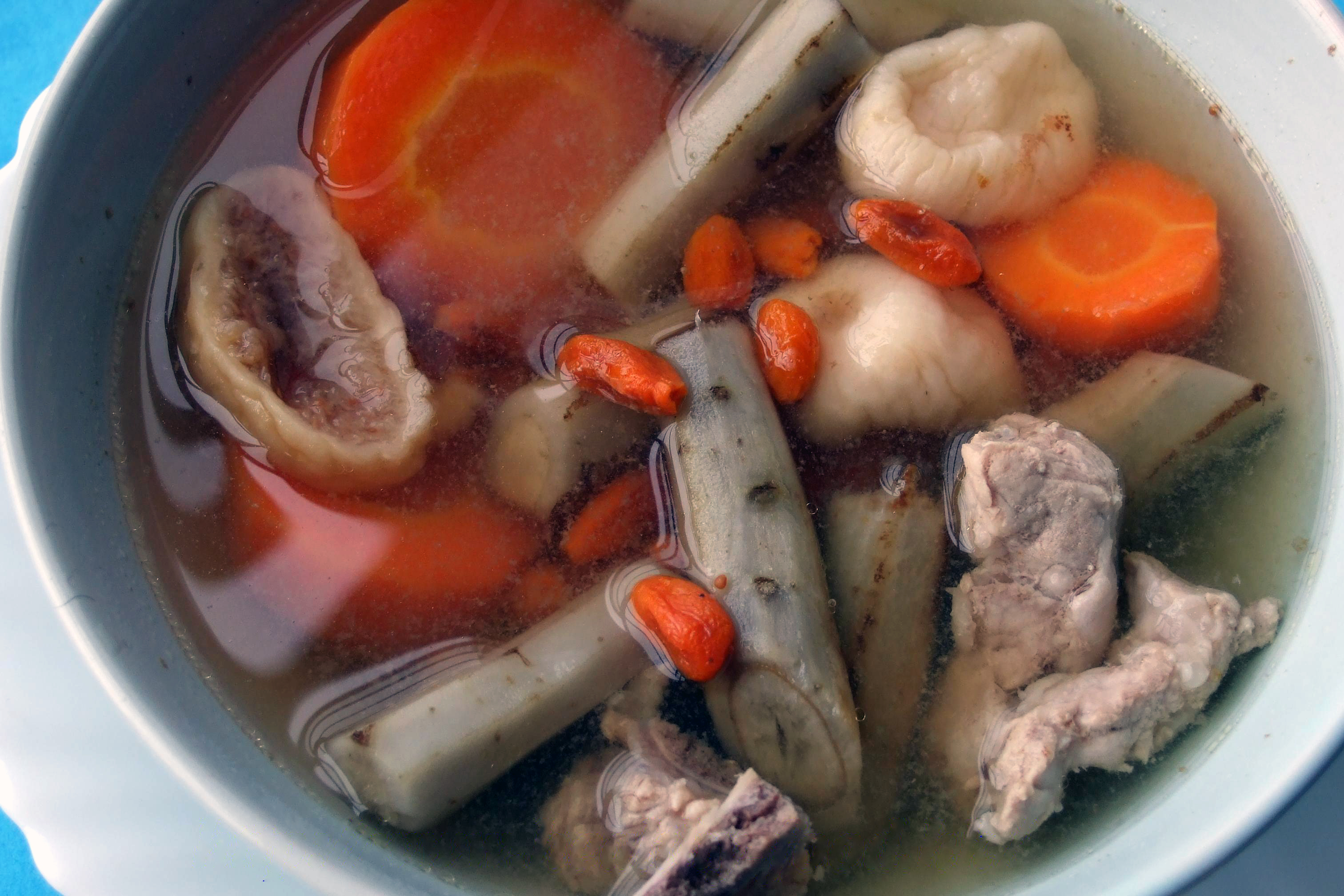
Burdock, Chinese Yam, Snow Fungus & Quail Soup
traditionally associated with strengthening immunity, supporting bowel regularity, lowering blood pressure and cholesterol, and reducing cancer risk factors
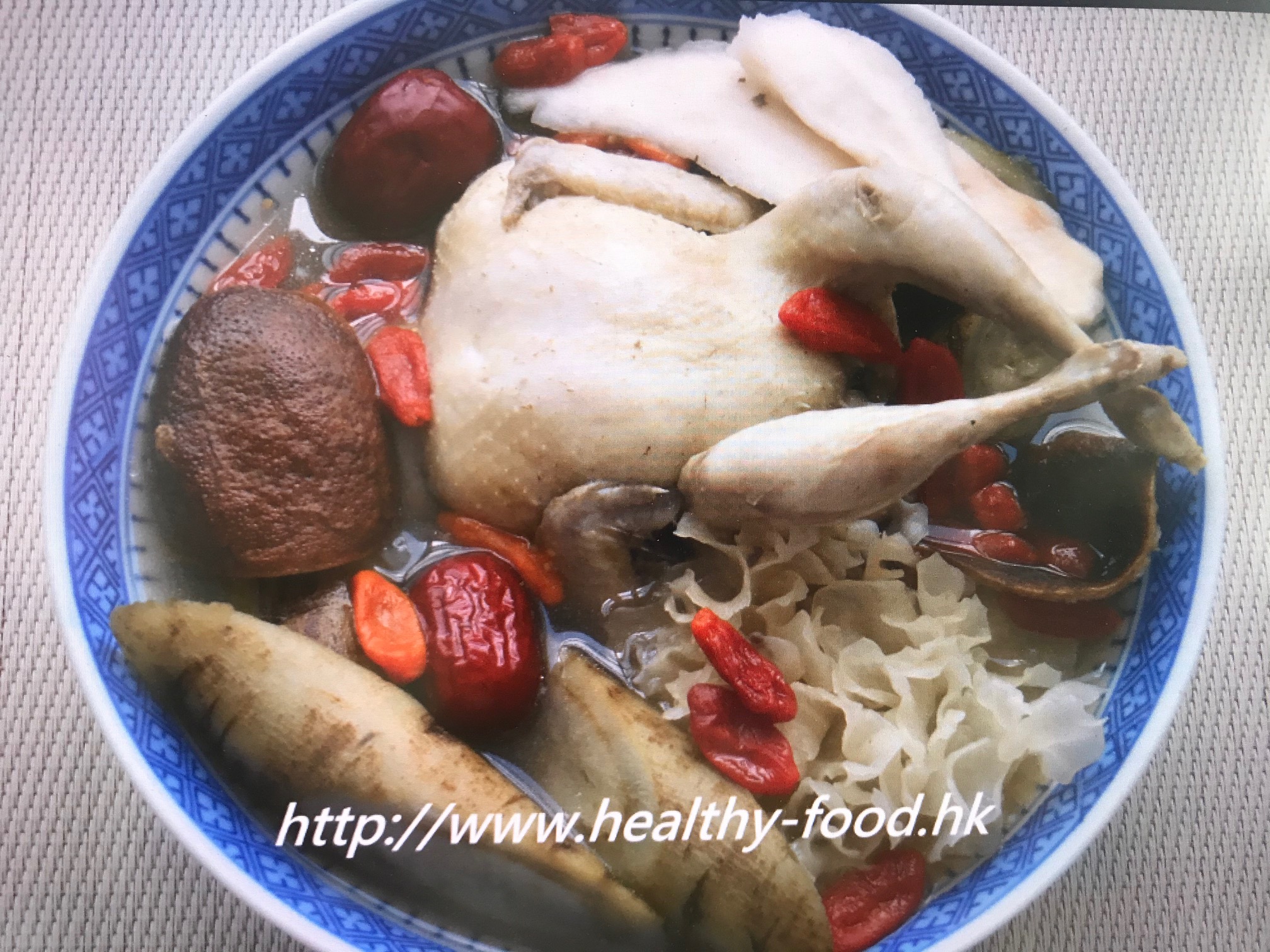
Why people make this soup
Burdock root has a faint herbal aroma reminiscent of ginseng, earning it the popular nickname “vegetable ginseng.” Long used in Japanese and Chinese cooking, it has attracted modern research interest for its high folic acid content (associated with helping prevent abnormal cell changes), its rich inulin fibre (which feeds beneficial gut bacteria), and its notable effect on blood sugar, blood fats, and blood pressure. When selecting burdock, the thinner variety with a darker skin tends to be more fragrant and flavourful than the thicker, pale version. Bro Niu leaves the skin on when making this soup — the skin contains significant amounts of iron and fibre, so a vigorous scrub rather than peeling is the right approach.
Who it suits / who should be cautious
- Suitable for most people; especially beneficial for those with high blood pressure, high cholesterol, elevated blood sugar, or a history of cancer
- Good for sore throats, toothache from excess heat, or general immune support
- Suitable for all ages; mild enough for children and elderly
- If you have a cold or fever without other complications, this soup is still appropriate (confirmed in Q&A)
- Those who do not eat organ meat or prefer a simpler protein: substitute lean pork or pork shank
Why these ingredients (the food-therapy logic)
- Burdock root (niu bang): Rich in folic acid (traditionally associated with preventing cell mutations), inulin fibre (prebiotic support), and various compounds studied for anti-inflammatory and anti-cancer activity; also a classic remedy for sore throats and voice protection, popular with singers and teachers
- Chinese yam (huai shan): Gentle digestive tonic; nourishes the spleen, lungs, and kidneys; supports healthy blood sugar management
- Snow fungus (xue er / yin er): High in polysaccharides studied for immune-modulating effects; traditionally associated with nourishing yin, moistening the lungs, and supporting the gut
- Goji berries (gou qi zi): Antioxidant-rich; associated with liver and eye health; nourish kidney and liver yin
- Dried tangerine peel (chen pi): Supports digestion, prevents bloating from the richer ingredients, and adds fragrance
- Quail (an chun): Lower in fat than chicken, with a rich flavour; traditionally considered to nourish the five organs and strengthen bones and muscles
Ingredients (4 bowls)
| Ingredient | Amount | Notes |
|---|---|---|
| Fresh burdock root | ~225 g | Scrub skin clean with a rough cloth; do not peel |
| Dried Chinese yam (huai shan) | ~40 g | Rinse and soak briefly |
| Snow fungus | ~9 g | Soak in water until expanded; remove the tough yellow base |
| Goji berries | ~9 g | Rinse |
| Red dates | 6 pieces | Pitted |
| Dried tangerine peel | 1 piece | Soak briefly to soften |
| Frozen quail | 2 birds | Defrost, clean, and blanch in boiling water before use |
Method
- Scrub the burdock root skin thoroughly with a rough cloth or brush under running water — do not peel. Cut into large segments.
- Soak the snow fungus in cold water for 20–30 minutes until fully expanded. Trim away the tough yellow/brown base. Tear into smaller pieces.
- Defrost the quail, clean thoroughly, and blanch in boiling water for 2 minutes; drain and rinse.
- Rinse all remaining ingredients; soak the tangerine peel briefly.
- Place all ingredients in a pot with 8 bowls (about 2 litres) of water.
- Bring to a boil, reduce to a medium simmer, and cook for 90 minutes until reduced to about 4 bowls.
- Serve — drink the soup and eat the solid ingredients together.
Bro Niu’s tips
The skin of fresh burdock root is where much of its iron and fibre concentrate, so resist the urge to peel it — just scrub it well. If you are making a cold salad or stir-fry with burdock and must peel it, immediately submerge the peeled pieces in lightly salted water to prevent browning. When selecting burdock, look for the thinner, darker-skinned variety — it is more aromatic and has a more noticeable ginseng-like quality. Fresh burdock is available at Chinese or Asian grocers and many supermarkets. Burdock root tea (simply slicing dried burdock and steeping it) is excellent for protecting the voice — Bro Niu recommends it specifically for teachers, singers, and anyone who uses their voice professionally.
Community questions answered (selected)
-
Q (Christine): I have a cold with headache but no fever — can I drink this soup? Bro Niu: If there is no fever, this soup is fine to have.
-
Q (ChuChu): If I don’t use quail, what can I substitute? Bro Niu: Lean pork or pork shank works very well as a substitute.
-
Q (chan): My husband has prostate cancer with high blood potassium and anaemia. Can he drink sea cucumber soup? Can he drink red peanut coat water daily? Bro Niu: Sea cucumber does not contain as much potassium as seaweed or kelp, so it is appropriate for him. Sea cucumber also contains compounds that support blood production, which is helpful for his anaemia. Peanut coat (red skin) water can be taken regularly — it supports platelets and blood.
Published August 16, 2020 · Adapted and translated for Nourilo from a traditional home-kitchen recipe. Approx. 4 min read.