Congee & Porridge
Kudzu Root Porridge (Fen Ge Zhou)
traditionally used to clear heat, support healthy blood pressure and blood sugar, and relieve headaches
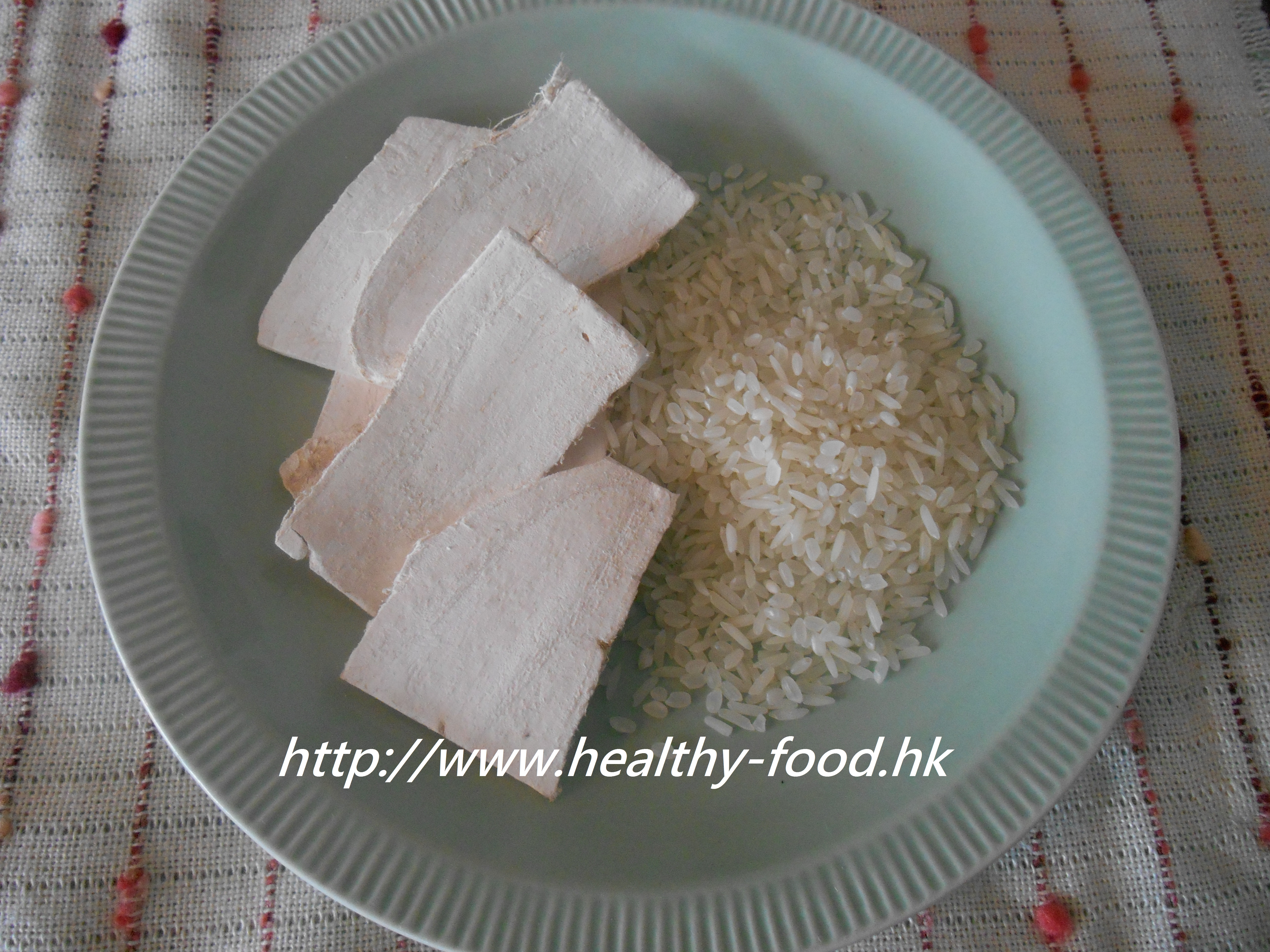
Why people make this porridge
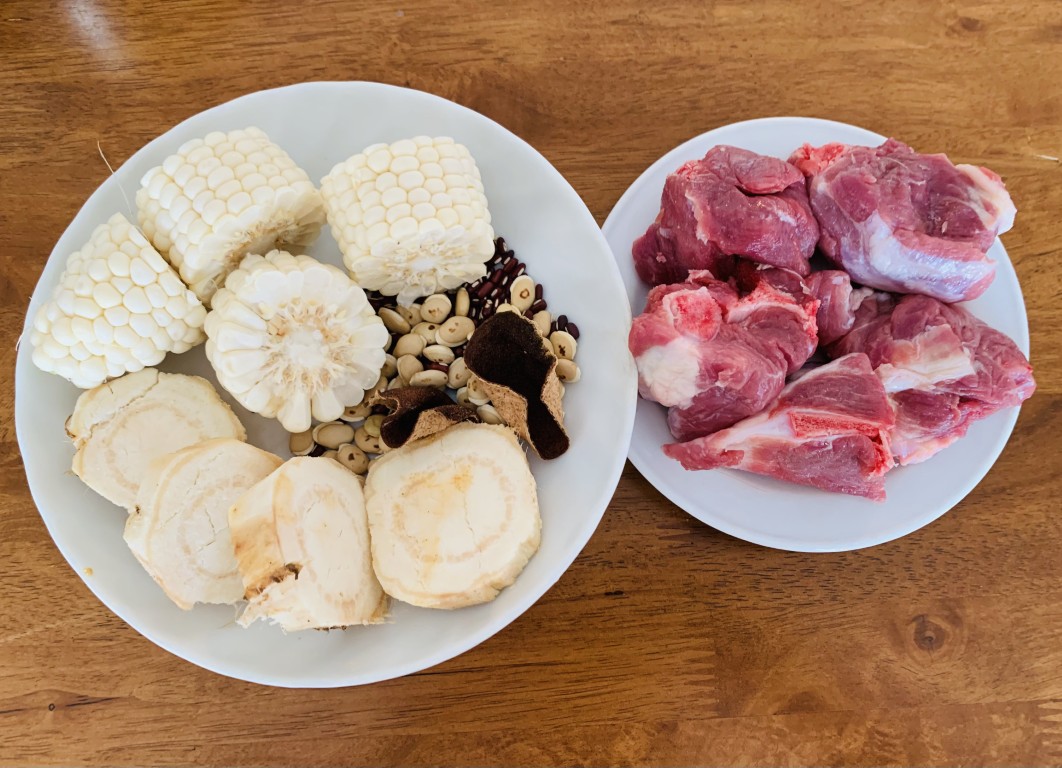
Kudzu root (fen ge) is a year-round staple available at Chinese and Asian grocers, or online, and often goes unnoticed by people who didn’t grow up cooking with it. It looks a bit like a large, rough-skinned parsnip, and once you peel it, the flesh is white, starchy, and slightly sweet — almost like a cross between a water chestnut and a mild daikon.
In traditional Chinese food therapy, kudzu root is considered a cooling, moistening ingredient: good for clearing heat, generating fluids when the mouth is dry, and supporting healthy circulation. Autumn, when the air turns dry and a kind of internal restlessness can set in, is the season Bro Niu especially recommends it. Modern phytochemistry has identified isoflavones (including puerarin) in kudzu root that may support blood vessel relaxation and microcirculation — which aligns well with its traditional reputation for supporting blood pressure and reducing the stiffness associated with “bone fire” (an inner dry heat in traditional Chinese terms). As a porridge, it is among the gentlest, most everyday ways to get these benefits into a meal.
Who it suits / who should be cautious
- Suitable for adults of all backgrounds, including those managing high blood pressure, blood sugar concerns, or cardiovascular health
- Suitable during the early stages of a cold with heat-type symptoms (fever, achy body, headache)
- Safe during pregnancy
- Those with a cold constitution or a weak digestion may want to add a few slices of ginger
- If using dried kudzu root: soak in water for at least 1 hour and discard the soaking water — dried root is sometimes treated with sulphur and the soak removes any residue
Why these ingredients (the food-therapy logic)
- Kudzu root (fen ge): Contains puerarin and isoflavones; traditionally described as clearing heat, generating fluids, and relaxing the muscles at the back of the neck and shoulders; also considered useful for early-stage colds and fevers, and for supporting blood pressure and microcirculation
- White rice (bai mi): Gentle, neutral base; easy on the stomach; helps the porridge hold together without heaviness
Ingredients (2–3 bowls)
| Ingredient | Amount | Notes |
|---|---|---|
| Fresh kudzu root | ~300 g | Peeled, washed, sliced or cut into chunks |
| White rice | ~75 g | Rinse; season with a few drops of oil and a pinch of salt |
| Water | enough to make a thick porridge | About 1 L |
Method
- Peel the kudzu root, removing the rough outer skin. Rinse well and cut into slices or chunks.
- Rinse the white rice. Mix in a few drops of neutral oil and a small pinch of salt — this helps the porridge cook smoothly and gives the grains a slightly silkier texture.
- Place the kudzu root and rice in a pot with sufficient water (about 1 litre for a medium-thick porridge).
- Bring to a boil over high heat, stirring occasionally, then reduce to a gentle simmer.
- Cook for about 30–40 minutes, stirring from time to time to prevent sticking, until the rice has broken down and the porridge has reached a smooth, thick consistency.
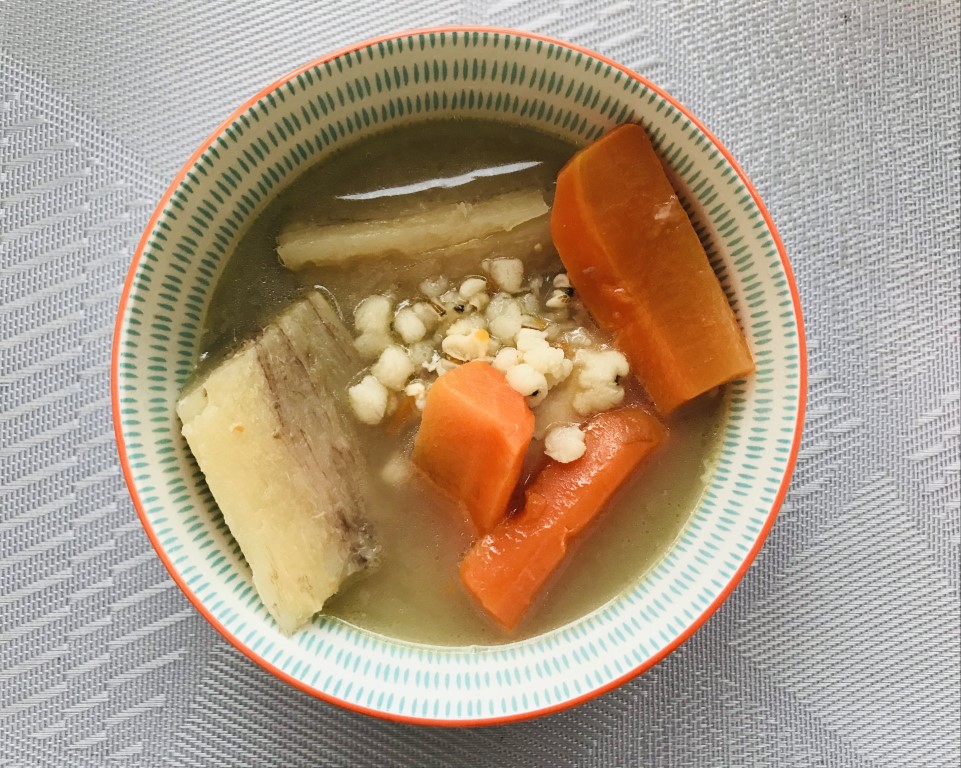
- Serve warm. The kudzu root pieces will have softened completely and become part of the porridge.
Bro Niu’s tips
When buying fresh kudzu root, look for pieces that are pointed at both ends — these tend to have a better, smoother (more “floury”) texture. When choosing the porridge’s thickness, adjust water to your preference: more water for a lighter consistency, less for something more substantial.
This porridge is also useful for cold and flu with heat symptoms — headache, body aches, a hot feverish feeling. Kudzu root in Chinese herbal medicine has a tradition of “releasing the muscle layer,” which means it can ease the stiffness and achiness that comes with the beginning of a cold. For a cold with more chills than heat, add a few slices of ginger to the porridge.
Community questions answered (selected)
-
Q (Sandy): Is kudzu root cooling in nature? My mother has a generally weak constitution. Bro Niu: Kudzu root is on the cooling side. For your mother’s overall weakness, adding red adzuki beans (chi xiao dou) when cooking kudzu root soup (rather than porridge) moderates the cooling effect. Red adzuki beans are also one of the few beans considered safe and helpful for gout, as they can help suppress uric acid.
-
Q (Qchan): I used dried kudzu root and the porridge tasted sour. Is that normal? Bro Niu: Fresh kudzu root is best. If dried root tastes sour, it has likely been treated with sulphur. Soak it in water for a full hour and discard that soaking water before cooking. Or look for dried kudzu root labelled as sulphur-free, which costs a little more but avoids this issue.
Published December 20, 2017 · Adapted and translated for Nourilo from a traditional home-kitchen recipe. Approx. 4 min read.