Sweet Soups & Desserts
Roselle Flower Candied Preserves
traditionally associated with nourishing blood, protecting the liver, and providing antioxidant support
Why people make this
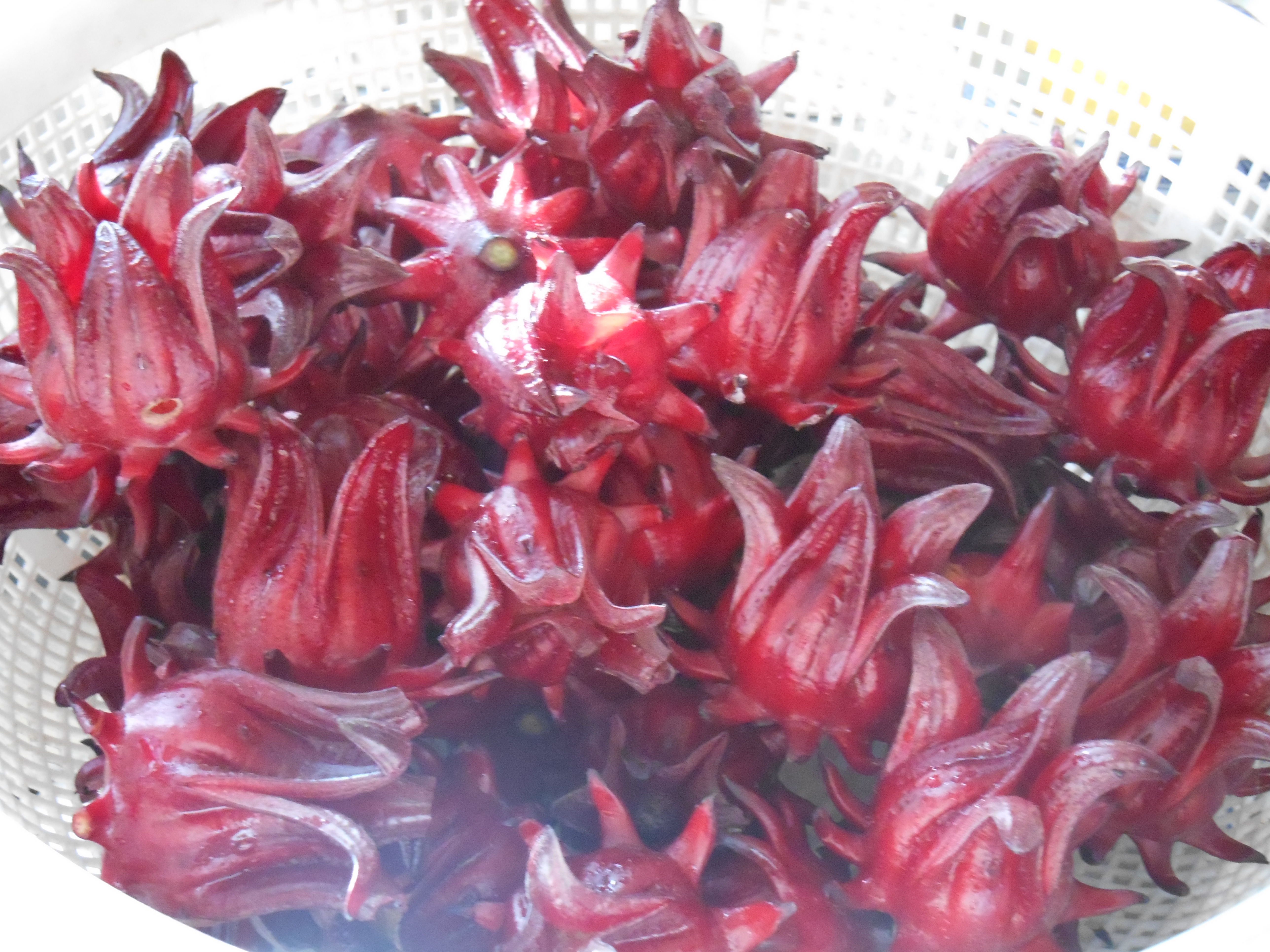
Every autumn when fresh roselle calyces come into season, it is the perfect moment to put them to good use beyond fresh eating. Unlike roselle jam, which is cooked down into a thick spread, these preserves keep the calyces whole and slightly crisp — they have an almost candy-like texture, sweet and tart at once, with the deep ruby color that comes entirely from the flower’s natural anthocyanins. The preserves last for weeks in the fridge, and the accumulated roselle syrup in the jar can be diluted with hot water for an instant wellness tea.
Anthocyanins are the pigment compounds that give roselle, blueberries, and red cabbage their vivid color. Research suggests they act as antioxidants, scavenging free radicals that are associated with cellular ageing. In traditional Chinese medicine, roselle tea is associated with clearing heat, generating fluids, protecting the liver, and relieving the after-effects of alcohol. Fresh roselle is available at Asian grocers during the autumn season — this is one of those home preparations that rewards a small amount of effort with weeks of use.
Who it suits / who should be cautious
- Suitable for most adults in moderate amounts as a condiment or occasional tea.
- Roselle is considered cooling in TCM; those with a habitually cold constitution should eat in moderation.
- If you experience any unusual reaction after eating (such as itching or oral discomfort), discontinue use and drink a cup of warm lightly salted water to settle the reaction.
- Honey can substitute for raw cane sugar — choose a good-quality pure honey such as lychee honey or a locally produced variety.
- Store in the refrigerator after opening. Discard if any mold develops or if the smell changes.
Why these ingredients (the food-therapy logic)
- Roselle calyces (luo shen hua): The deep red calyx of the Hibiscus sabdariffa flower is rich in vitamin C and anthocyanins. Traditional TCM uses include clearing heat, generating saliva, protecting the liver, dissolving fats, and dispelling the effects of alcohol. The anthocyanins are associated with antioxidant activity, immune support, and cardiovascular protection.
- Fresh lemon juice: Provides additional vitamin C, natural acidity for preservation, and a bright citrus note that balances the roselle’s tartness.
- Raw cane sugar (chi sha tang): Less refined than white sugar, retaining more minerals. Helps preserve the roselle and draws out the floral juices through osmosis.
Ingredients (1 jar)
| Ingredient | Amount | Notes |
|---|---|---|
| Fresh roselle calyces | 600 g | In season autumn–winter; look at Asian markets |
| Fresh lemons | 3 | Juiced |
| Raw cane sugar | 500 g | Or substitute good-quality honey |
Method
- Prepare the roselle: trim a small amount from the bottom of each calyx, then use chopsticks to push the central seed pod out gently. Rinse the calyces well.
- Bring a large pot of water to a full rolling boil. Briefly blanch the roselle calyces — only a few seconds is enough. Remove immediately and drain. Allow to cool completely. This step is for sanitation, not cooking; over-blanching will make the preserves soft rather than crisp.
- Juice the lemons and set aside.
- Once the roselle is cool, place it in a large bowl. Add half the sugar and all the lemon juice. Toss gently until the sugar begins to dissolve and coats the calyces.
- In a sterilized glass jar, layer the ingredients: a layer of raw cane sugar at the bottom, then a layer of roselle, then more sugar — repeat until the jar is full.
- Seal the jar tightly and leave at room temperature for 3–4 days for the sugar to fully draw out the juices. Then transfer to the refrigerator.
- After opening, keep refrigerated. Eat the preserves as a snack, use the syrup as a tea concentrate (dilute with hot water to taste), or spread on bread.
Bro Niu’s tips
The key to achieving crisp, slightly firm preserves rather than mushy ones is the blanching time — a few seconds in boiling water is all you need. The goal is to sanitize, not to cook. Once you have the technique right, the texture is much like a good fruit candy. The roselle syrup that accumulates in the jar is fragrant and deeply colored — spoon a little into a cup of hot water for an instant roselle tea. If you prefer to use honey instead of sugar, Bro Niu recommends a pure, fragrant variety such as Taiwan Lishan honey, lychee honey, or a quality locally produced honey. After opening, always keep the jar in the refrigerator.
Community questions answered (selected)
-
Q (访客, 2016): I made these preserves last October and have kept them in the fridge ever since. Are they still usable? Bro Niu: As long as there is no mold and no off smell, they are still fine to use.
-
Q (janliz, 2014): After drinking roselle tea, my tongue felt itchy and I felt a little heaty. Should I continue? Bro Niu: Roselle is actually cooling in nature, so it would not normally cause a heaty feeling. However, if you have a reaction after consuming any food — even a cooling one — it is better to stop and not continue. Individual sensitivities vary. A cup of warm lightly salted water will help settle the reaction.
-
Q (Joey, 2014): Can honey be used instead of sugar? Which honey is best? Bro Niu: Yes, honey works well. Bro Niu personally likes Taiwan Lishan honey for its flavor. Lychee honey or a good locally produced pure honey are also excellent choices.
Published November 10, 2014 · Adapted and translated for Nourilo from a traditional home-kitchen recipe. Approx. 4 min read.