Soups
Bitter Melon, Corn and Hyacinth Bean Pork Rib Soup
Traditionally associated with clearing summer heat, resolving dampness, and supporting blood sugar balance
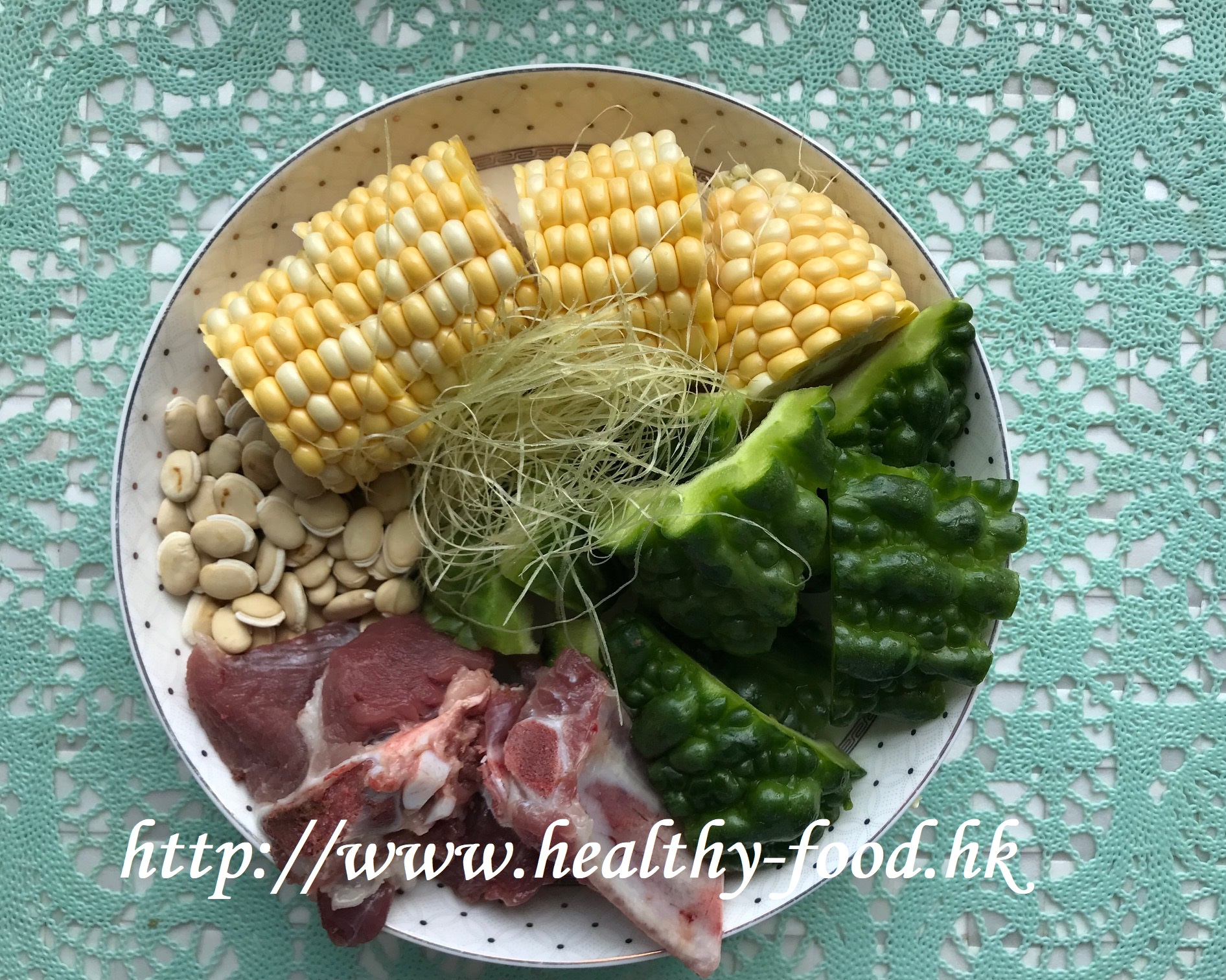
Why people make this soup
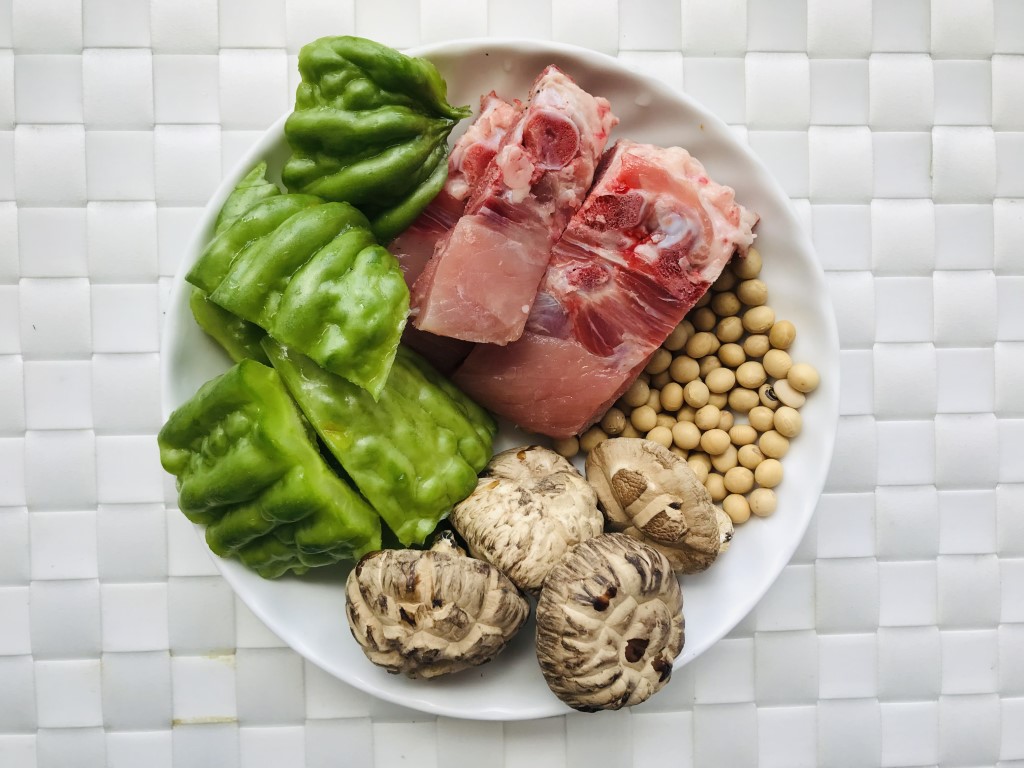
Bitter melon has a well-deserved reputation as one of the most effective food-therapy ingredients of summer — not despite its bitterness, but partly because of it. In traditional food therapy, bitter flavors are associated with clearing heat and directing energy downward, which is exactly what a hot, damp summer body often needs. The key culinary trick Bro Niu shares here is about timing: if you drop the bitter melon into already-boiling water, the bitterness compounds lock quickly into the flesh rather than leaching excessively into the soup. Combined with the gentle sweetness of corn and the drying, spleen-supporting effect of dry-fried hyacinth beans, the broth ends up surprisingly palatable — savory and slightly sweet, with the bitter melon present but not overwhelming. If you are managing blood sugar, have swollen joints, or feel generally heavy and overheated from a humid summer, this is a soup worth knowing.
Who it suits / who should be cautious
- Suited to people who feel overheated, thirsty, or tired in summer; also traditionally helpful for those with high blood pressure or elevated blood sugar
- Particularly recommended for people with diabetes as a supportive dietary measure
- Pregnant women should not drink this soup — bitter melon is traditionally contraindicated during pregnancy
Why these ingredients (the food-therapy logic)
- Bitter melon (ku gua): Associated with clearing summer heat, brightening the eyes, supporting blood sugar regulation, reducing thirst, and supporting liver and stomach function
- Corn with silk (yu mi / yu mi xu): The corn silk is particularly valued — it is associated with supporting urinary flow and reducing edema; corn itself is sweet and nourishing
- Dry-fried hyacinth beans (chao bian dou): Cooking hyacinth beans in a dry pan before use is a specific preparation in Cantonese food therapy — it reduces the raw bean’s slightly cooling nature while supporting spleen function and resolving dampness
- Pork ribs: Provide savory flavor and body to the broth; contribute protein and minerals
Ingredients (4 bowls)
| Ingredient | Amount | Notes |
|---|---|---|
| Bitter melon (ku gua) | 1 medium | Remove seeds; cut into chunks |
| Corn on the cob | 2 ears | Remove husks; cut into sections; keep silk if available |
| Dry-fried hyacinth beans (chao bian dou) | 37 g | Soak and rinse after dry-frying |
| Pork ribs | 300 g | Blanch before use |
| Water | 8 bowls (approx. 1.6 L) | Simmered down to about 4 bowls |
Method
- Wash the bitter melon, halve lengthways, and scoop out the seeds. Cut into chunks. Set aside.
- Husk the corn and cut each ear into 3–4 sections.
- Soak and rinse the dry-fried hyacinth beans.
- Blanch pork ribs in boiling water for 2 minutes, drain and rinse.
- Place the corn, hyacinth beans, and pork ribs in a pot with about 8 bowls of water. Bring to a full boil.
- Add the bitter melon only once the water is fully boiling — this helps lock the bitter compounds into the flesh rather than making the whole soup too bitter.
- Continue cooking over medium heat for 1.5 hours until liquid reduces to approximately 4 bowls.
- Serve warm; eat the soup and the solids.
Bro Niu’s tips
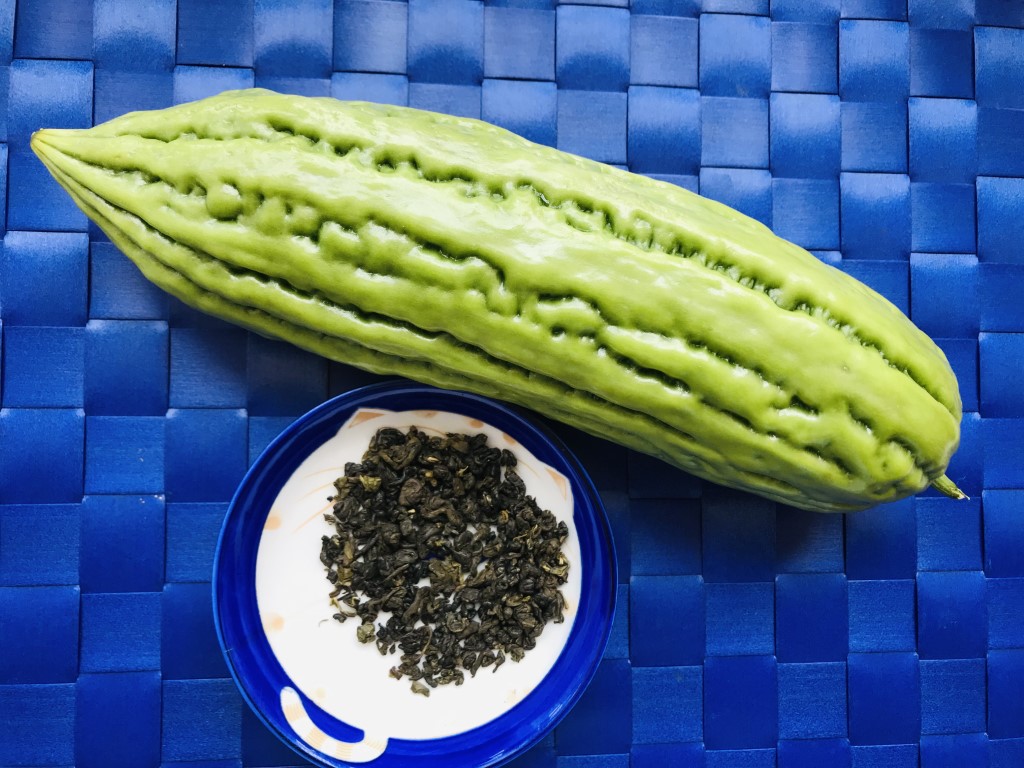
When selecting bitter melon for soup, look for the short, stout variety with a blunt tip (sometimes called “lei gong착” in Cantonese markets) — these are better for soups and produce a cleaner, sweeter broth. The long, slim variety is crisper and better suited for stir-fries, stuffed dishes, and salads.
If you are concerned about fat, pork loin (zhu zhan) can replace the ribs without losing much flavor.
Community questions answered (selected)
-
Q (Karie): I am worried about the fat in ribs — can I use pork loin instead? Bro Niu: Yes, pork loin works perfectly in this soup.
-
Q (sonia): My family member is about to receive a COVID vaccine. What soups are good to have before and after? Bro Niu: You can cook reed root (lu gen, 5 qian), raw coix seeds (yi mi, 1 liang), and 2 pears (cored) in water for about 30–40 minutes and drink as a daily tea. This is traditionally considered helpful for reducing post-vaccination discomfort.
-
Q (Ling, follow-up on eczema): My daughter’s eczema has flared again and is very itchy. Bro Niu: For external use, try simmering 5 qian each of kochia scoparia (di fu zi), dictamni root bark (bai xian pi), and biota leaves (ce bai ye) in a few bowls of water for 20 minutes, then use a cotton ball to apply the liquid to the affected areas three times a day. For internal support, green bean and coix seed water is also helpful.
Published July 29, 2021 · Adapted and translated for Nourilo from a traditional home-kitchen recipe. Approx. 4 min read.