Herbal & Flower Teas
Lotus Seed, Ophiopogon & Juncus Tea
traditionally used to clear stomach and heart fire associated with bad breath, dry mouth, and restlessness
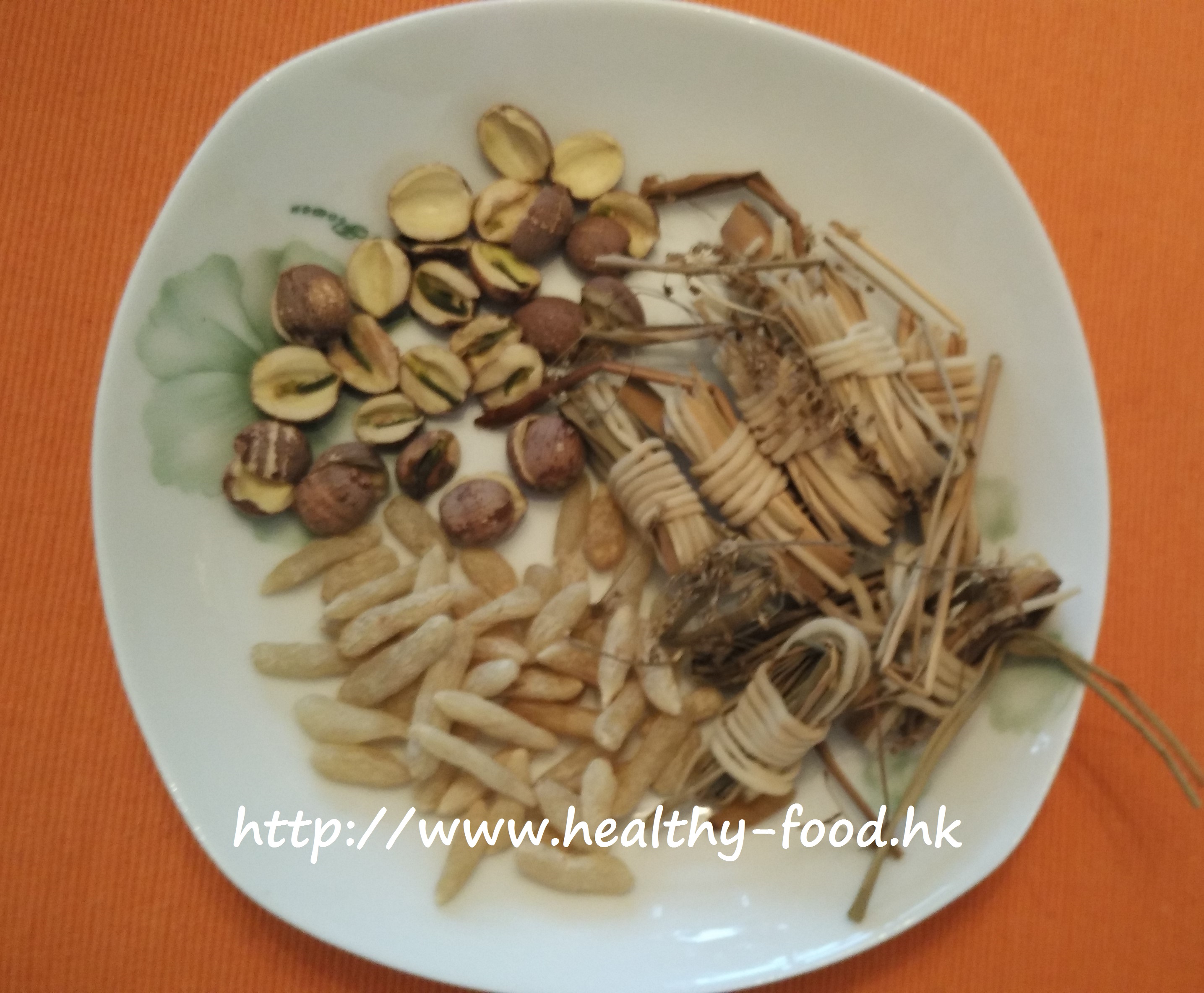
Why people make this tea
Bad breath is one of those problems that people are quietly embarrassed about but rarely talk about directly. It affects confidence in social situations and can create distance between people who do not know how to mention it. In traditional Chinese food therapy, persistent bad breath from overindulgence in spicy or fried foods, chronic late nights with too little water, or excess “stomach fire” is a condition with a well-understood pattern — and a classic remedy.
Young adults who keep late hours and drink too little water often develop liver fire and stomach heat, which manifests in the breath. Older adults may experience it differently, as the salivary glands slow down and the resulting dryness allows odor-causing bacteria to multiply. And of course, dental disease (gum inflammation, cavities, decay) is its own category entirely — food therapy will not substitute for a dentist visit there.
This tea targets the fire-type bad breath: the kind that comes with a slightly bitter or sour taste, a dry mouth, a yellow-coated tongue, and a general sense of inner heat.
Who it suits / who should be cautious
- Suited to people whose bad breath is associated with eating too much spicy, fried, or rich food; stomach heat; or chronic sleep deprivation
- Also helpful for those with a restless, anxious quality of mind accompanying the bad breath
- Pregnant women can drink this tea — lotus seeds with the core are considered safe during pregnancy and may even help with pregnancy-related sleep issues
- Not for cold-constitution individuals as a long-term daily drink; use for a 3-day course then reassess
- This tea will not help bad breath caused by dental cavities, gum disease, or abscesses — see a dentist for those
Why these ingredients (the food-therapy logic)
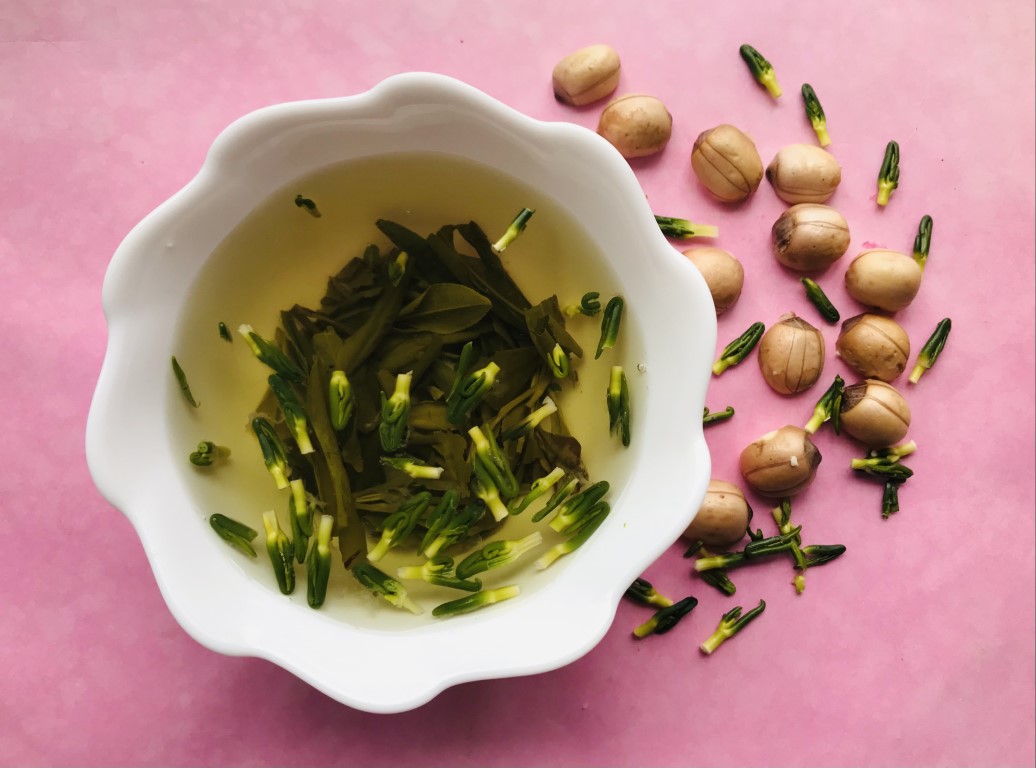
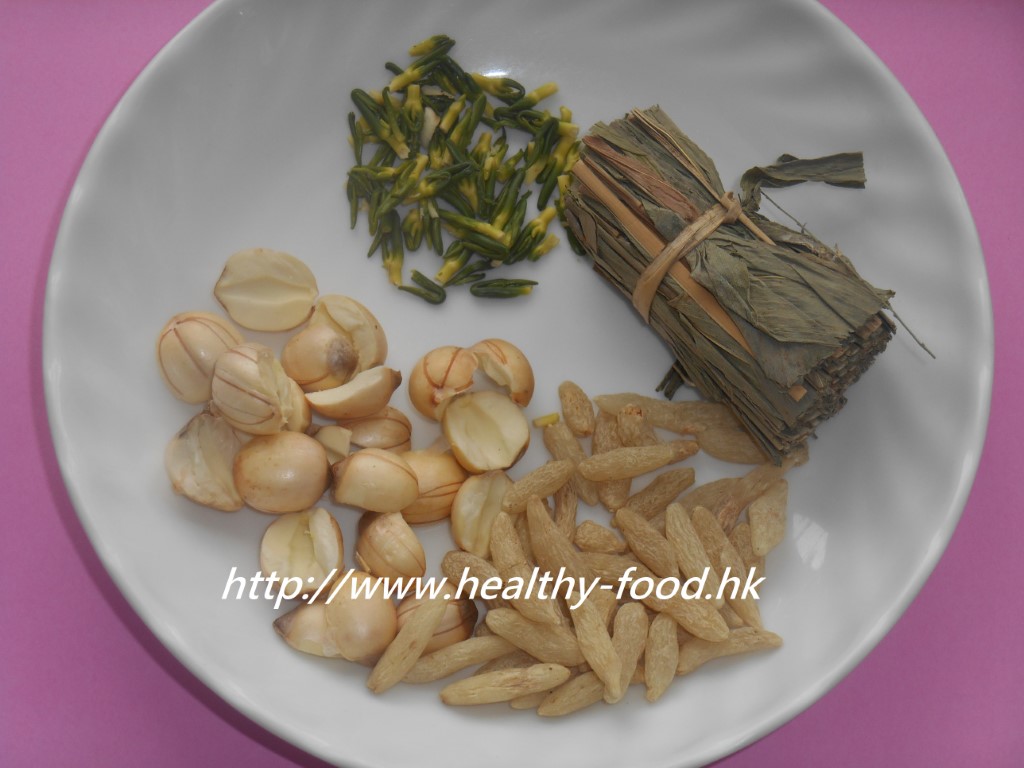
- Lotus seeds with core (you xin lian zi): The small bitter green core of the lotus seed is the active part here. It is traditionally used to clear heart fire — the internal heat that causes restlessness, mouth sores, and contributes to bad breath. The lotus seed itself calms the spirit and supports the digestive system
- Ophiopogon root (mai dong): Nourishes yin and moistens dryness; particularly useful for clearing heat from the stomach and lungs. A dry, heat-parched stomach is often at the root of bad breath in Cantonese food-therapy thinking
- Juncus pith (deng xin cao): These light, papery rush stems are a classic ingredient for clearing heart and small-intestine fire — traditionally associated with calming irritability, easing urinary heat, and contributing to the overall fire-clearing effect of this formula
Ingredients (2 bowls, 1 person)
| Ingredient | Amount | Notes |
|---|---|---|
| Lotus seeds with core | 40 g (1 liang) | Must include the bitter green core |
| Ophiopogon root | 18 g (5 qian) | Rinse and soak briefly |
| Juncus pith | 11 g (3 qian) | Rinse briefly |
Method
- Rinse all ingredients briefly. Soak the ophiopogon root for a few minutes to soften.
- Combine all ingredients in a pot with 5 bowls of water.
- Bring to a boil, then simmer over medium-low heat for 45 minutes.
- Pour and drink. Take for 3 consecutive days.
Bro Niu’s tips
Beyond food therapy, it helps to be aware of the lifestyle triggers: smoking, alcohol, excessive coffee, and foods with strong persistent odors (raw onion, chives, garlic) all contribute to bad breath and should be moderated.
To scale up for a family of 4: use 2 liang (80 g) lotus seeds with core, 1 liang (40 g) ophiopogon, and keep the juncus at 3 qian (11 g). Add 7 bowls of water and simmer to 4 bowls.
If you can only find dried lotus seed core (lian zi xin) rather than whole lotus seeds with the core, it works well for clearing heat — it is intensely bitter, so use a smaller amount. Bro Niu notes it can also support normal blood pressure.
Community questions answered (selected)
-
Q (Shui Jing): I’m pregnant and having trouble sleeping, which has led to bad breath. Can I drink this tea while pregnant? Bro Niu: Yes, you can drink this tea during pregnancy. Using lotus seeds with the core (you xin) gives the best effect.
-
Q (Ya Mei): For a family of 4, how much should I use? Bro Niu: Lotus seeds 2 liang (80 g), ophiopogon 1 liang (40 g), juncus pith stays at 3 qian (11 g). Use 7 bowls of water, simmer down to 4 bowls.
-
Q (Cathy): Can I just use lotus seed core (lian zi xin) on its own? Bro Niu: Lotus seed core alone is the most powerful option for clearing heart fire, and it can also help lower blood pressure. It is very bitter — but if you don’t mind the taste, go ahead and use it.
Published August 30, 2017 · Adapted and translated for Nourilo from a traditional home-kitchen recipe. Approx. 4 min read.