Soups
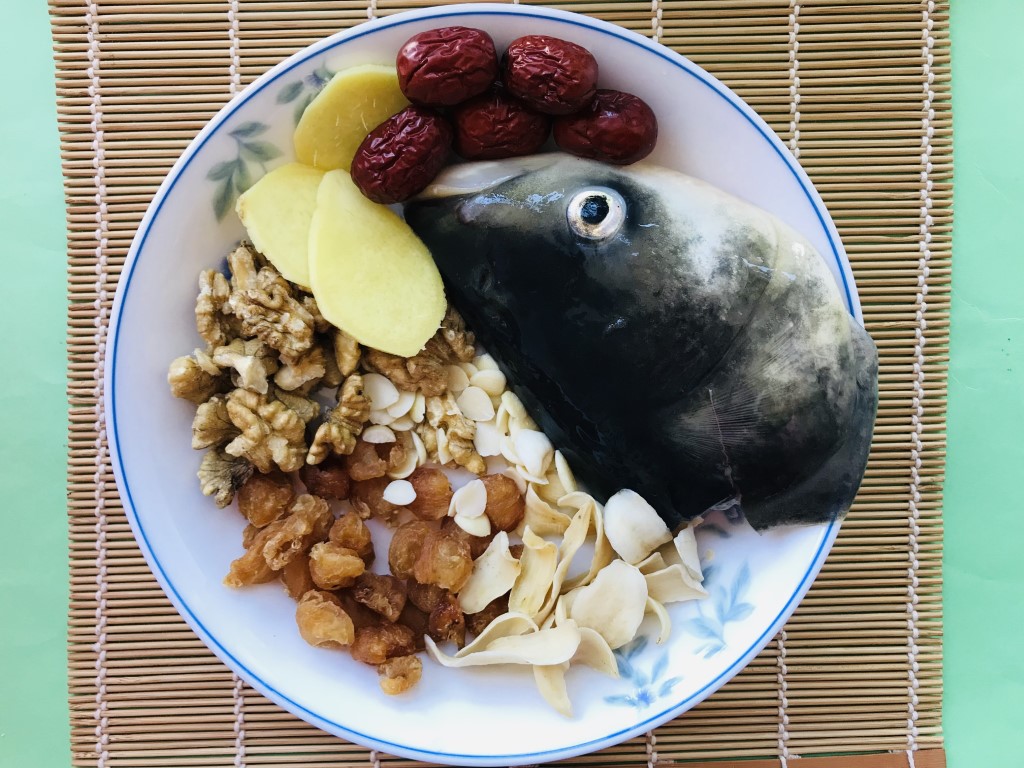
Astragalus Chuanxiong Fish Head Soup
Traditionally supports memory, mental clarity, and blood circulation to the head
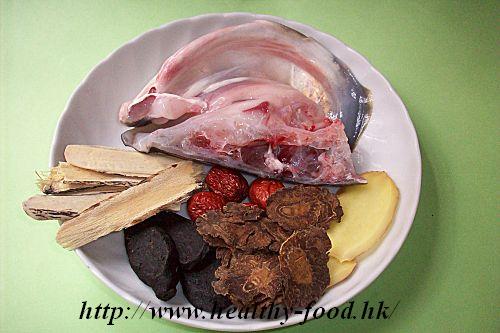
Why people make this soup
In traditional Chinese food therapy, the brain and memory are thought to depend on an abundant supply of Qi (vital energy) and blood flowing freely to the head. Bro Niu explains that when older adults begin to notice forgetfulness or feel mentally sluggish, a nourishing soup made with Astragalus to boost Qi, Chuanxiong to promote circulation, and He Shou Wu to replenish kidney essence can serve as gentle everyday support. The fish head itself is prized in Cantonese cooking for its collagen-rich, omega-fatty-acid content — brainy food in every sense. Keeping the mind active through social activities, games, and learning is equally important, but having a restorative soup in your weekly rotation is a warm way to look after yourself.
Who it suits / who should be cautious
- Suits older adults experiencing mild forgetfulness, light-headedness, or fatigue; also helpful for those with generally low energy, poor circulation, or pale complexion
- Suitable for most family members as a general tonic soup
- Caution: those with yin-deficiency or liver-yang rising should replace chuanxiong with tian ma (gastrodia, 3 qian) — Bro Niu specifically recommends this swap for people on long-term blood pressure or cholesterol medication
- Not recommended during acute illness, fever, or active infection
Why these ingredients (the food-therapy logic)
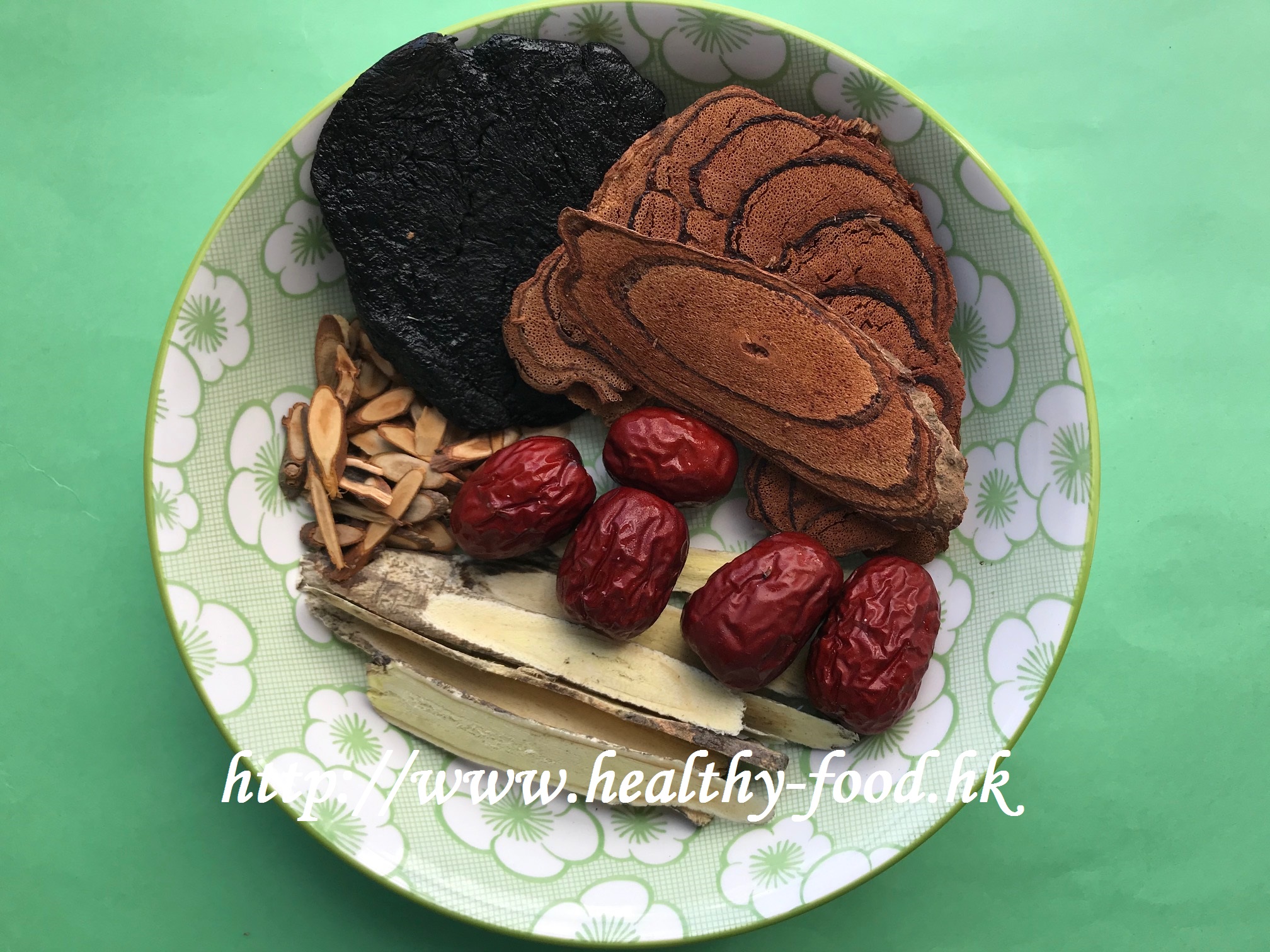
- Astragalus root (bei qi / huang qi): One of the most widely used herbs in Chinese tradition, associated with fortifying the body’s defensive Qi and improving overall energy; modern research also explores its immunomodulatory properties
- Chuanxiong rhizome (chuan xiong): Traditionally described as a “blood-moving” herb that travels upward to the head, supporting circulation and helping relieve wind-related head discomfort
- Processed he shou wu (zhi shou wu): The processed (prepared) form of Polygonum multiflorum is traditionally associated with nourishing liver and kidney, replenishing essence, and supporting hair and cognitive health; the raw (unprepared) form is not used in this recipe
- Red dates (hong zao): Gently nourish blood and calm the spirit; also help buffer the more activating herbs in the blend
- Fish head: Rich in protein, collagen, and healthy fats; braised in a little oil before adding water to reduce fishy odour and enrich the broth
Ingredients (3–4 bowls)
| Ingredient | Amount | Notes |
|---|---|---|
| Large fish head (silver carp or grass carp) | 1 whole | Pan-fry briefly before adding to pot |
| Astragalus root (huang qi) | 37 g (1 liang) | Rinse before use |
| Chuanxiong rhizome | 11 g (3 qian) | If on blood pressure medication, substitute tian ma |
| Processed he shou wu (prepared) | 19 g (5 qian) | Must be the zhi (prepared) form |
| Fresh ginger | 2 slices | Reduces fishiness, warms the middle |
| Red dates, pitted | 6 pieces |
Method
- Clean the fish head thoroughly, removing gills. Pat dry.
- Heat a little oil in a pan over medium heat. Pan-fry the fish head until lightly golden on both sides — this removes the raw fishy odour and deepens the broth flavour.
- Rinse all herb ingredients.
- Place the fish head and all remaining ingredients into a pot. Add enough water to cover generously (approximately 6–7 bowls / 1.5 litres).
- Bring to a boil over high heat, then reduce to a medium-low simmer. Cook for 2 hours.
- Serve the soup and eat the fish meat directly from the head. The soup should be a milky, fragrant broth.
Bro Niu’s tips
- If you prefer not to use chuanxiong — particularly for someone on blood pressure or cholesterol medication — tian ma (gastrodia, 3 qian) is an excellent substitute; it supports head comfort without the activating properties of chuanxiong.
- You can also add tai zi shen (prince’s ginseng, 3 qian) or dang shen (codonopsis, 3 qian) alongside astragalus to strengthen the tonic effect for weak or elderly individuals.
- Buy a fresh, live fish head rather than a pre-cut frozen one for the best flavour; the freshness makes a big difference.
- Regular mental activity — playing games, doing puzzles, socialising — is just as important as food therapy for brain health.
Community questions answered (selected)
-
Q (Moi): Can I use dang shen (codonopsis) instead of tai zi shen, and can I add chen pi (dried tangerine peel)? Bro Niu: Yes, tai zi shen or dang shen can both be used, and adding chen pi is fine — it helps with digestion and makes the broth a little lighter.
-
Q (YY): I need to take long-term blood pressure and cholesterol medication. Is this soup still suitable? Bro Niu: You can still enjoy this soup, but replace the chuanxiong with tian ma (3 qian) — that is safer for someone already on those medications. For nighttime leg cramps, try boiling raw yi mi (Job’s tears) as a daily tea, but drink it during the day rather than the evening to avoid frequent night urination.
-
Q (reader): My father is over 70 with low potassium, weak digestion, and night sweats. Can he drink this soup? Bro Niu: For low potassium, the priority is a low-salt diet — avoid all salted fish, pickled vegetables, and canned foods. A vegetable-rich soup like this fish head soup (with the salt kept minimal) is suitable. For his night sweats, try bei qi (1 liang), fu xiao mai (1 liang), and hong zao (8 pieces) simmered in 5 bowls of water down to 2 bowls — drink this for several days in a row.
Published March 7, 2010 · Adapted and translated for Nourilo from a traditional home-kitchen recipe. Approx. 4 min read.