Soups
Adzuki Bean Poria Jujube Soup (chi xiao dou fu ling da zao tang)
Traditionally strengthens the spleen and promotes urination
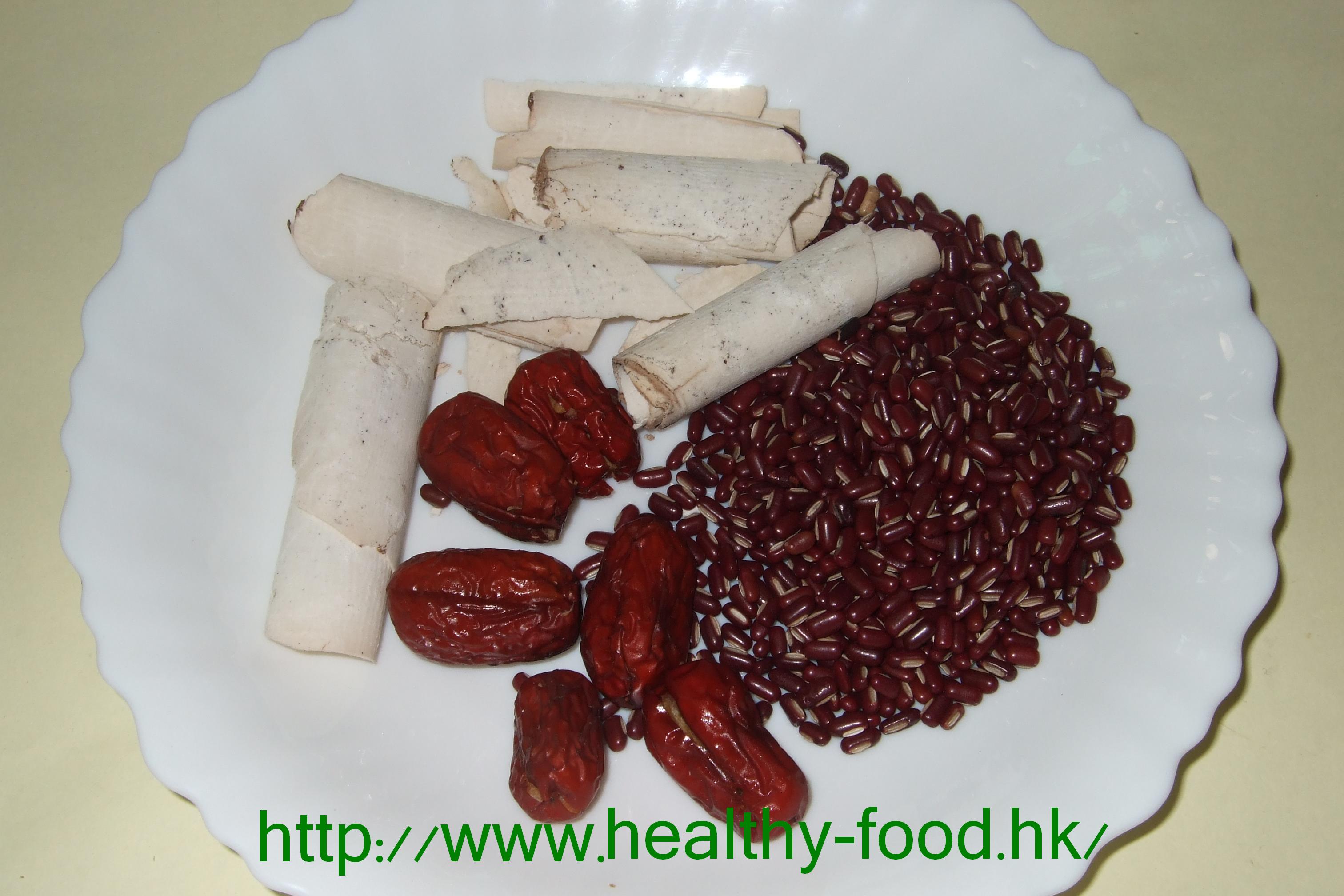
Why people make this soup
People with gout are usually told to avoid high-purine foods, including many beans — but Bro Niu points out that adzuki (red rice bean) is unusually low in purines while traditionally helping to drain water and dampness. By gently promoting urination, this kind of soup supports the body’s natural fluid balance, which is why people managing gout often keep it in rotation. It’s also a low-purine, easy-drinking bowl that suits those who also live with high blood sugar, weight, high blood fats or blood pressure.
Who it suits / who should be cautious
- Suits people managing gout who want a gentle, low-purine daily soup; also kind to those with water retention.
- A supportive food, not a treatment — keep following your doctor’s advice for gout.
Why these ingredients (the food-therapy logic)
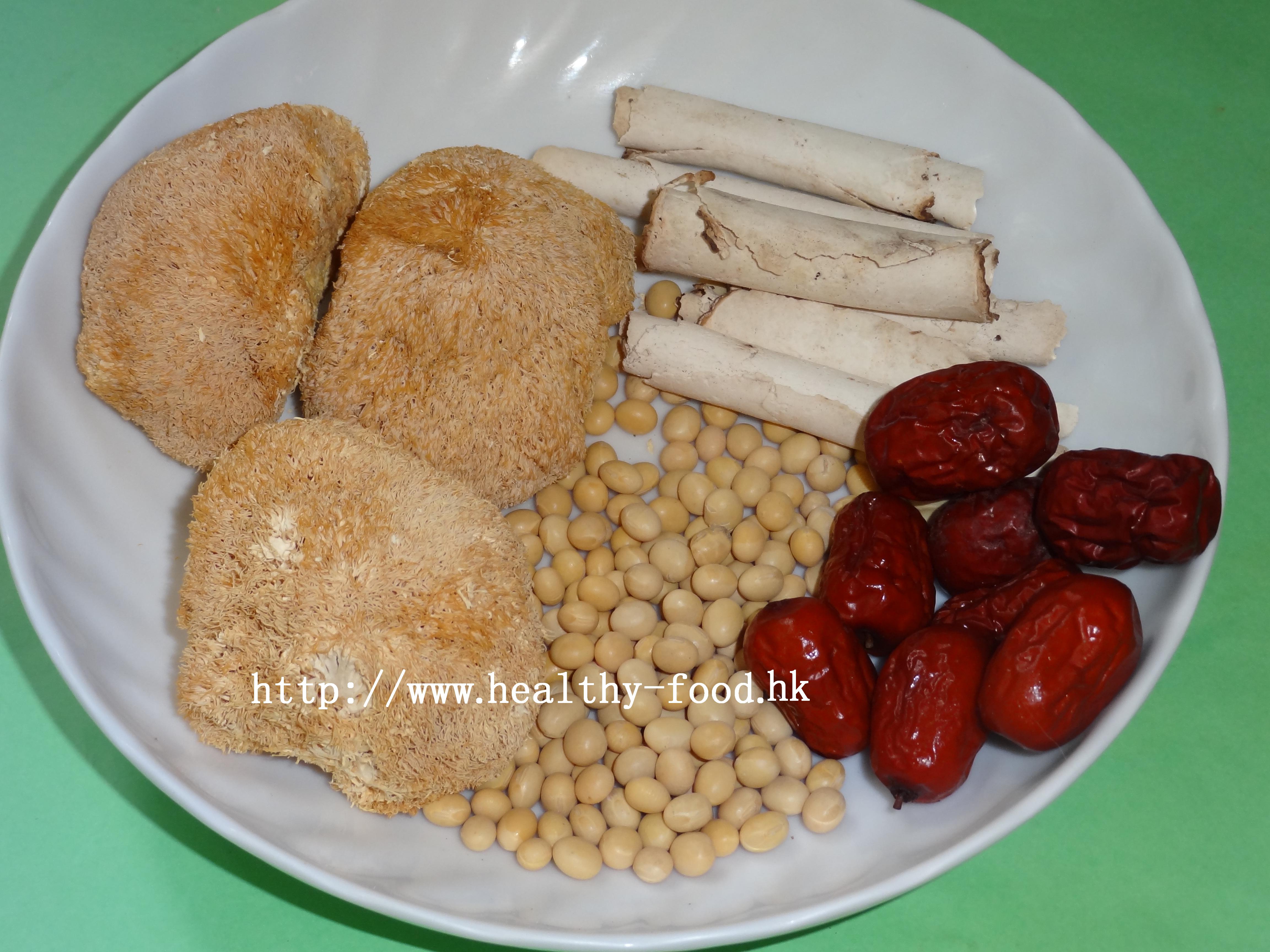
- Adzuki bean (chi xiao dou): traditionally strengthens the spleen, drains water and clears heat-damp; modern note: rich in potassium and low in purines.
- Poria (fu ling): traditionally drains dampness and supports the spleen, helping move fluids.
- Red jujube (hong zao): a low-purine food that traditionally nourishes the stomach and spleen and balances the others.
Ingredients (2–3 bowls)
| Ingredient | Amount | Notes |
|---|---|---|
| Adzuki bean (chi xiao dou) | 2 liang (~75 g) | |
| Poria (fu ling) | 5 qian (~19 g) | |
| Red jujube | 6 pieces |
Method
- Rinse and soak the ingredients.
- Simmer in 6 bowls of water about 2 hours down to 2–3 bowls. Serve.
Bro Niu’s tips
This soup can be taken regularly, and you can also add rice to cook it into a thin congee. Traditionally suitable for those with kidney swelling, jaundice, or for cancer patients. To support gout care, simmering in 1 liang of raw Job’s-tears (sheng yi mi) is especially good.
Community questions answered (selected)
- Q (choichoi): My husband has high uric acid — can he drink this often to lower it? Bro Niu: Those with high uric acid can take this soup regularly; adding 1 liang of raw Job’s-tears (sheng yi mi) is best.
- Q (reader): Is fu ling the same as tu fu ling (smilax)? Can I use tu fu ling here? Bro Niu: They are two different herbs. Poria (fu ling) strengthens the spleen, drains dampness and calms the mind; tu fu ling clears heat, removes toxins and frees the channels. You can use tu fu ling in this soup — 2 liang fresh, or 5 qian dried.
- Q (Amanda): If six people are drinking it, do I keep the same amounts? Bro Niu: For six servings you can double the amounts.
Published July 7, 2011 · Adapted and translated for Nourilo from a traditional home-kitchen recipe. Approx. 2 min read.