Soups
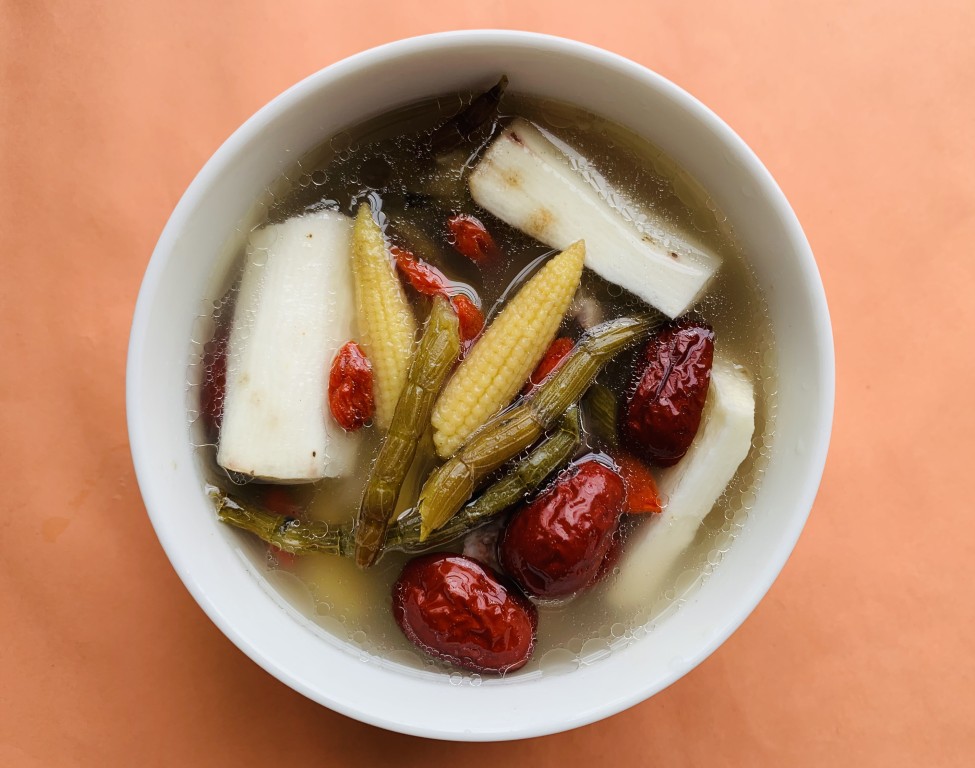
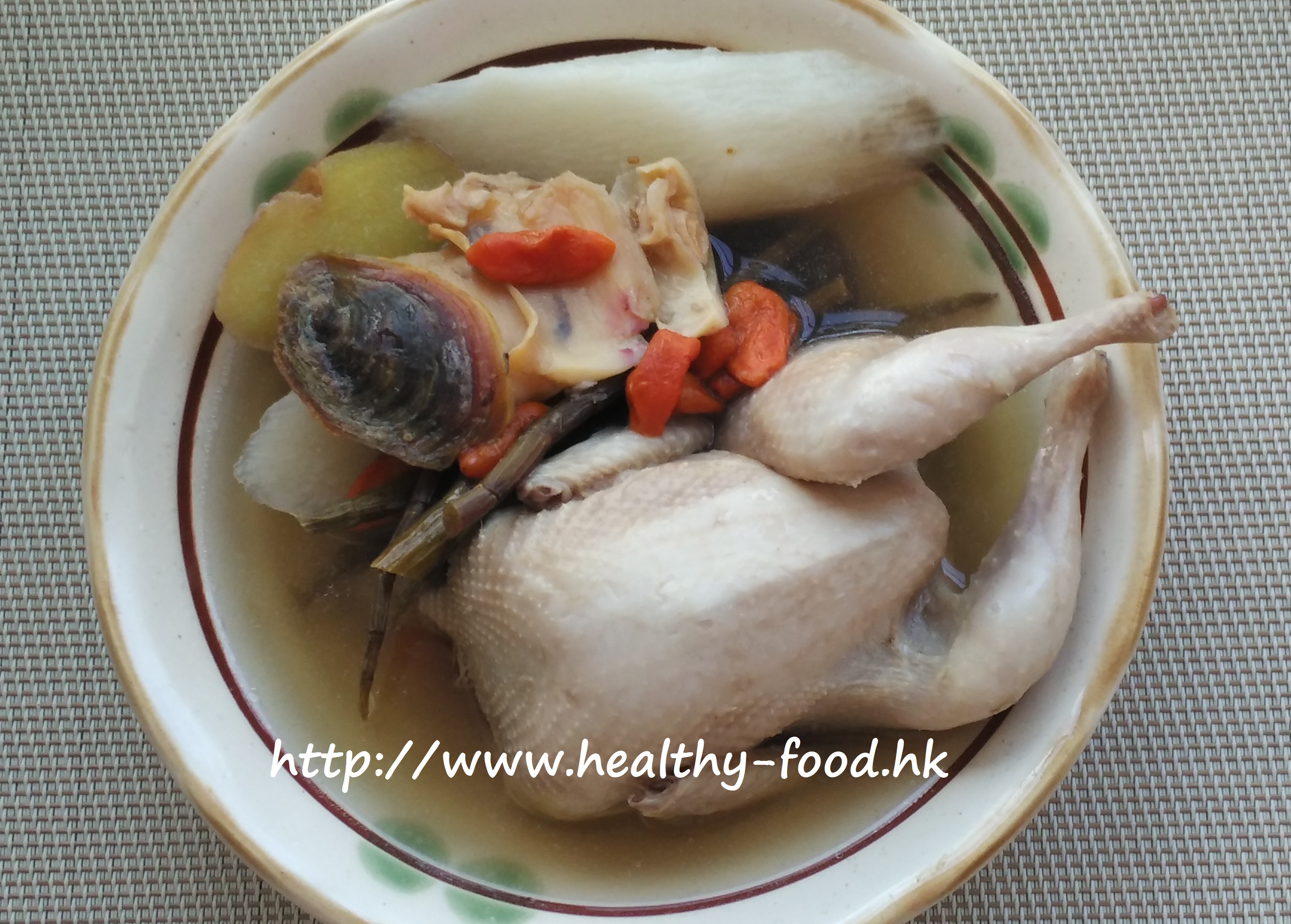
Fresh Dendrobium, Chinese Yam, Goji Berry, Conch and Quail Soup
traditionally used to nourish yin, moisten the eyes, and replenish the five organs at midlife
Why people make this soup
Somewhere in our forties and fifties, many of us start noticing subtle changes: skin that once bounced back now looks a little drier, joints that were never a concern now click and feel less fluid, and eyes that used to be sharp after a night’s rest now feel dry and tired by mid-afternoon. Traditional Chinese food therapy attributes much of this to a natural, gradual depletion of yin fluids — the body’s deep, cooling, lubricating reservoir — and the response is to nourish it gently with moistening foods.
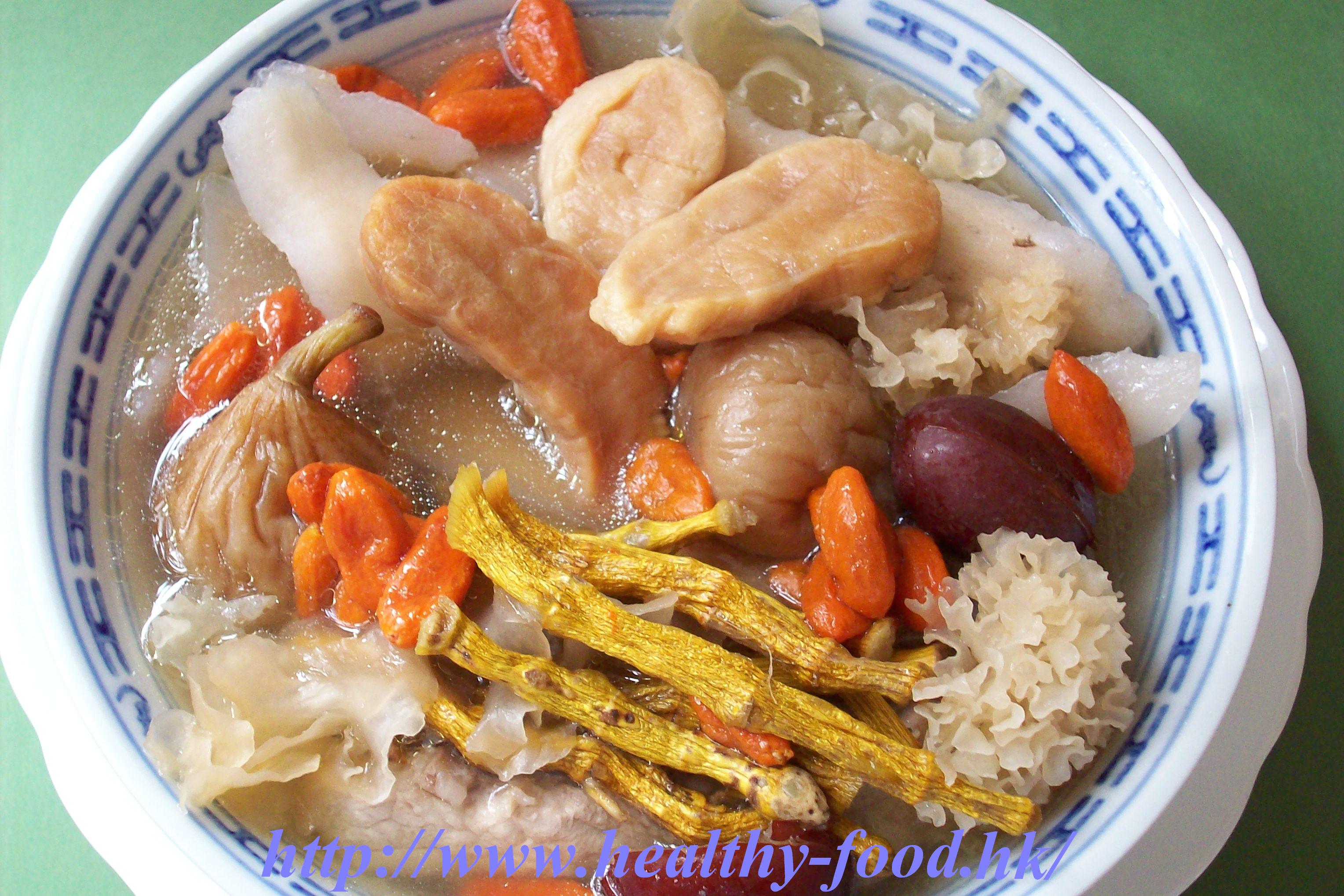
Fresh Dendrobium stem (xian shi hu) is one of the most celebrated yin-nourishing herbs in Chinese medicine. When you cook it, the stem becomes wonderfully slippery and sticky — that viscous quality, rich in mucilaginous polysaccharides, is exactly what is considered so beneficial for the skin, joints, and eyes. Some Chinese herbal shops now stock the fresh version, which Bro Niu greatly prefers to the dried; the fresh stem has a cleaner, more delicate fragrance. Combined with Chinese yam, goji berries, dried conch, and quail, this soup is deeply nourishing without being heavy.
Who it suits / who should be cautious
- Suits adults at midlife and beyond; beneficial for dry eyes, tired vision, dry skin, and general depletion; also considered supportive for children’s healthy growth and development
- Also traditionally associated with supporting healthy blood sugar and lipid levels
- Do not use during a cold, flu, or fever
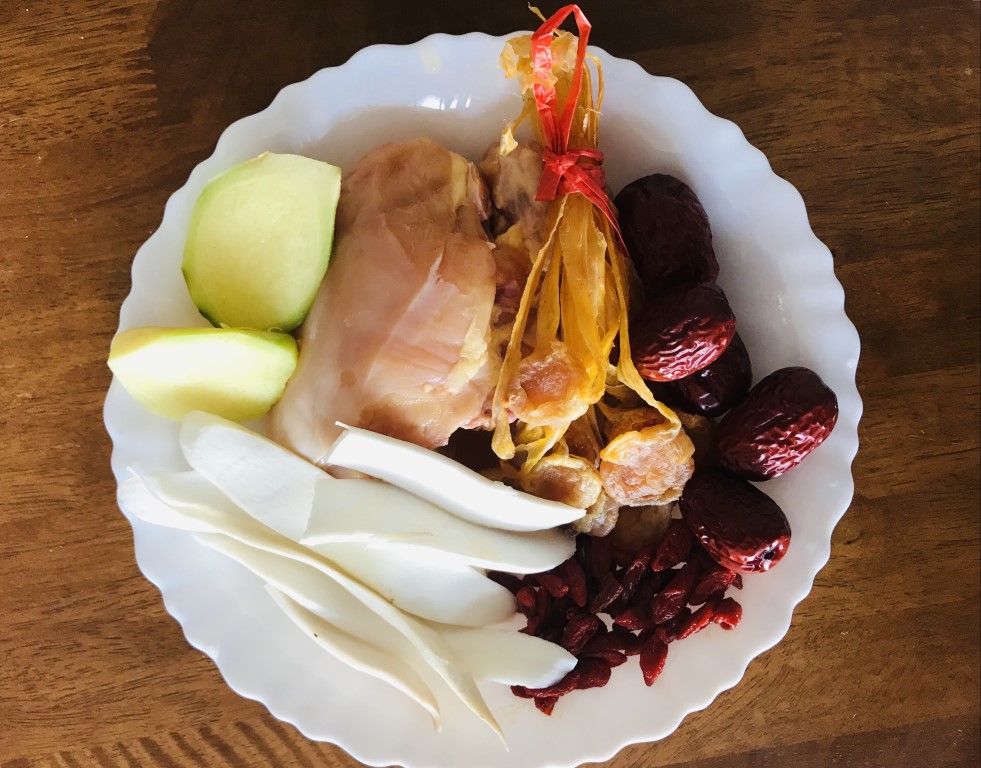
- Quail may be substituted with squab (pigeon) or chicken breast
Why these ingredients (the food-therapy logic)
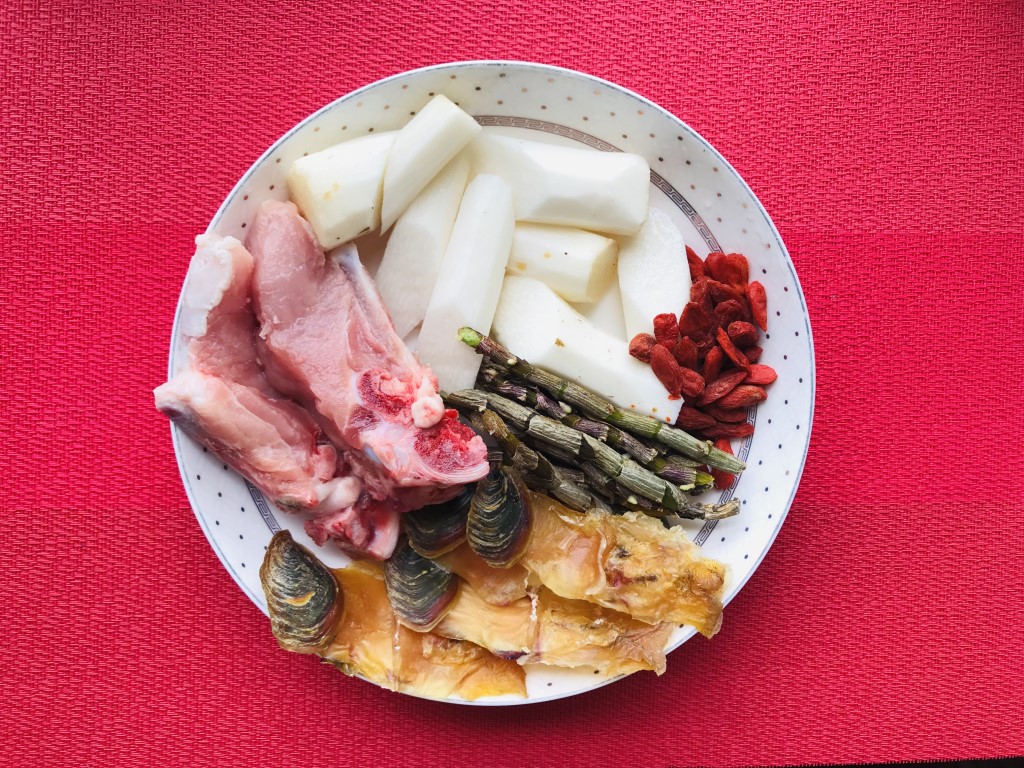
- Fresh Dendrobium (xian shi hu): An orchid-family herb with a high mucilaginous polysaccharide content; one of Chinese medicine’s premiere yin-nourishing substances; fresh stems are sticky when cooked and are traditionally associated with nourishing the stomach fluids, moistening the skin, lubricating joints, and supporting eye health; dried Dendrobium (3 qian) can substitute
- Fresh Chinese yam (xian huai shan): Gently nourishes the spleen, lungs, and kidneys; high in soluble fibre and mucilaginous compounds; supports digestion and immune function
- Goji berries (gou qi zi): The classic Chinese food-therapy ingredient for eye health; rich in zeaxanthin and lutein; traditionally nourishes the liver and kidneys and brightens the eyes
- Dried conch (xiang luo gan): A prized seafood ingredient in Cantonese soup; traditionally associated with nourishing yin, cooling and lubricating the body; frozen conch can substitute
- Quail (an chun): A small, lean bird considered deeply nourishing to the five organs in Cantonese food therapy; rich in protein; can be substituted with squab or partridge
Ingredients (3–4 bowls)
| Ingredient | Amount | Notes |
|---|---|---|
| Fresh Dendrobium stem (xian shi hu) | 37 g (1 liang) | Rinse and cut into segments; substitute with dried shi hu 3 qian |
| Fresh Chinese yam (xian huai shan) | 150 g (4 liang) | Peel and rinse; substitute with dried huai shan 37 g |
| Goji berries (gou qi zi) | 11 g (3 qian) | Rinse briefly |
| Dried conch slices (xiang luo gan) | 3 pieces | Soak in water to rehydrate; blanch with quail |
| Fresh ginger | 2 slices | |
| Quail | 2 birds | Clean and blanch together with conch |
| Water | 8 bowls (approx. 1.6 L) |
Method
- Clean the quail and blanch together with the soaked conch slices in boiling water for 2–3 minutes; drain and rinse.
- Rinse the fresh Dendrobium and cut into segments.
- Peel and rinse the fresh Chinese yam. Rinse the goji berries.
- Place all ingredients in a pot with 8 bowls of water.
- Bring to a boil, then reduce to a gentle simmer and cook for 2 hours.
- Serve warm; eat both the broth and the soup ingredients.
Bro Niu’s tips
Fresh Dendrobium is increasingly available at Chinese herbal shops and some organic markets. Bro Niu prefers the fresh over the dried for this soup — the fresh stems become gloriously sticky and fragrant when cooked, and that viscous quality is exactly what makes the herb so nourishing. If using dried Dendrobium, use 3 qian (about 11 g). If fresh Chinese yam is unavailable, dried Chinese yam works equally well — use 1 liang. Quail can be substituted with squab (pigeon) or partridge without any loss in quality. Frozen conch can substitute for the dried variety.
Community questions answered (selected)
-
Q (BiBi): Can I substitute fresh Dendrobium with the small yellow dried nuggets (dried Dendrobium)? Bro Niu: Yes, use 3 qian of dried Dendrobium. The fresh version is lovely — sticky and fragrant when cooked, and the cooked stems can be eaten even though they have a slightly chewy texture.
-
Q (Queenie): Can I use frozen conch instead of dried conch? Bro Niu: Yes, frozen conch works fine as a substitute for the dried variety.
-
Q (Zoe): Can I substitute partridge (zhe gu) for the quail? Bro Niu: Yes, partridge is fine — no problem at all.
Published April 11, 2017 · Adapted and translated for Nourilo from a traditional home-kitchen recipe. Approx. 4 min read.