Herbal & Flower Teas
Walnut & Hawthorn Tea
traditionally used to support lung and kidney health, ease cough and wheezing, and help manage cholesterol
Why people make this tea
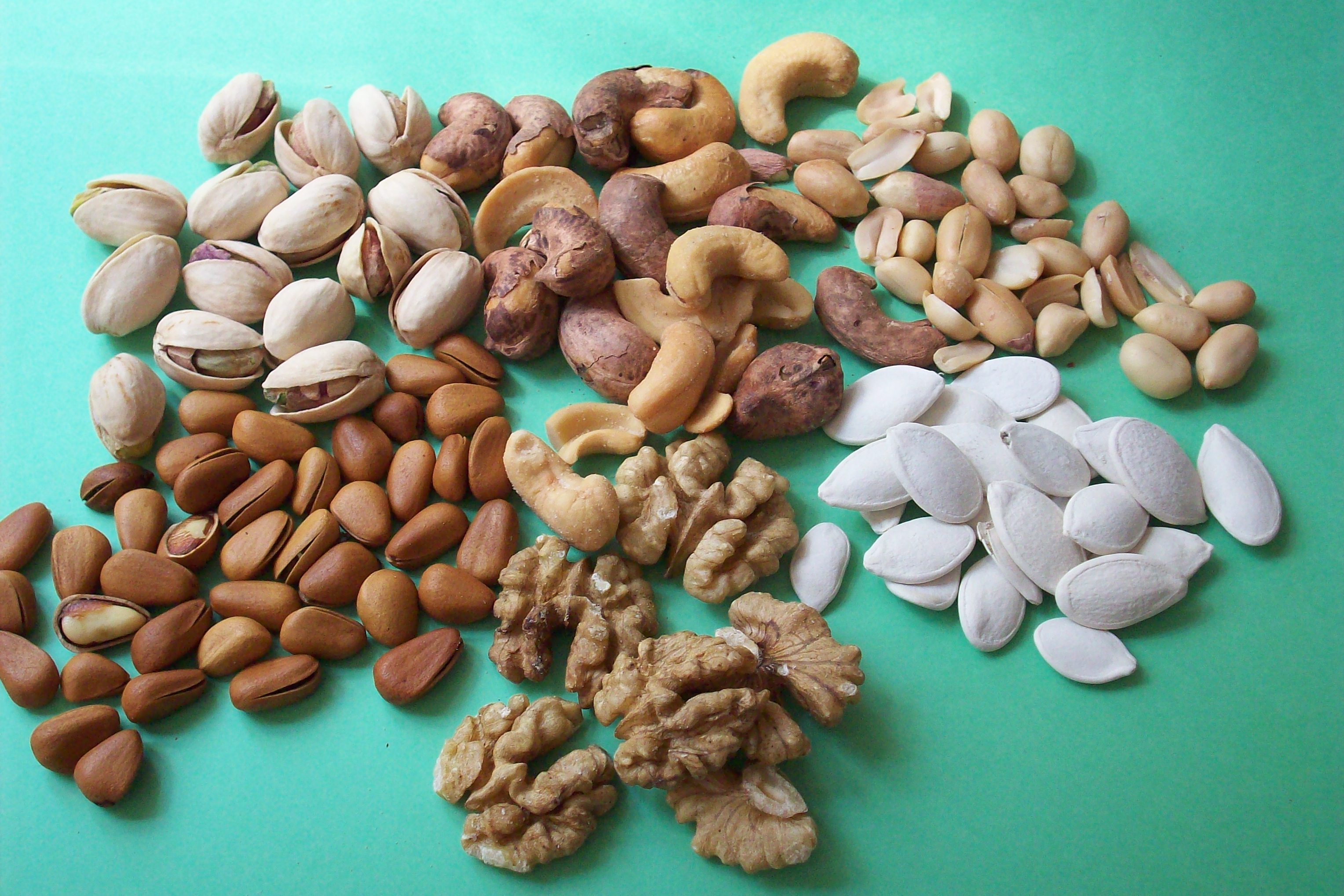
Nuts are among the most nutrient-dense foods we know of, and walnuts stand out from the crowd. Their famously brain-like shape turns out to be a pleasant coincidence — they really are exceptional brain food, rich in omega-3 fatty acids, protein, and an impressive range of vitamins and minerals including vitamins A, B-complex, C, and E. In Chinese food therapy, walnuts are considered a premier food for nourishing the kidneys, strengthening the lower back, calming lung-related wheezing, and supporting brain function. The whole family of nuts — from pistachios and almonds to cashews and pumpkin seeds — is valued for its unsaturated fatty acids that help manage cholesterol and protect cardiovascular health.
Pairing walnuts with hawthorn creates a tea that works on multiple levels: walnuts nourish from the inside while hawthorn is well-known for its circulation-supporting and digestive properties.
Who it suits / who should be cautious
- Suitable for most ages — this tea is described as suitable for the whole family
- Particularly appropriate for those with persistent cough associated with lung-kidney deficiency, sore or weak lower back and knees, or anyone wishing to support brain health and healthy cholesterol
- If you have yellow phlegm (a sign of active heat or infection), this warming tea is not well suited — seek a cooling approach first
- Those with asthma featuring white, watery phlegm that worsens at night may benefit particularly well from this type of warming, lung-kidney support formula
Why these ingredients (the food-therapy logic)
- Walnuts (he tao rou): One of the most valued nuts in Chinese food therapy; associated with nourishing the kidneys, strengthening the lower back and knees, warming the lungs to ease wheezing and chronic cough, boosting brain function, and providing nervous-system support through their rich mineral and vitamin profile
- Hawthorn (shan zha): Small red berries with a characteristic sour-sweet flavour; in food therapy associated with improving blood circulation, reducing fat accumulation in the blood, and supporting digestion (especially after eating fatty or meaty foods); modern research has explored its potential effects on cardiovascular health and cholesterol
Ingredients (2 bowls)
| Ingredient | Amount | Notes |
|---|---|---|
| Dried hawthorn slices (shan zha) | 5 qian (~18 g) | Rinse before use |
| Walnut kernels (he tao rou) | 2 liang (~75 g) | Rinse before use |
Method
- Rinse both ingredients briefly under cold water.
- Place into a pot with 4 bowls (approximately 1 litre) of water.
- Bring to a boil, then reduce heat and simmer for 20 minutes until about 2 bowls remain.
- Serve warm; drink the liquid and eat the walnut pieces.
Tip: For maximum benefit, eat the walnut kernels directly. Alternatively, grind the walnuts to a coarse powder, prepare the hawthorn water, then stir the walnut powder into the hot liquid and drink immediately.
Bro Niu’s tips
The real benefit of this tea comes from eating the walnut pieces, not just drinking the liquid. If the texture of soft boiled walnuts does not appeal to you, try grinding them to a rough powder first and stirring the powder into the hawthorn tea just before drinking. This way you get all the nourishment in every sip.
Community questions answered (selected)
-
Q (Nicole): My husband has developed asthma and is on daily medication. The medicine is causing skin rashes. What soup would be good for asthma? Bro Niu: For asthma with white, watery phlegm that is worse at night, try ginkgo nuts (15 pieces), walnut kernels (1 liang), sweet and bitter almonds (1 liang), dried figs (3 pieces), and fresh ginger (2 slices), simmered with partridge in 8 bowls of water down to 4 bowls. Drink over 2 days; repeat for 3 sets (6 days total). Make sure to eat the ginkgo and walnut pieces.
-
Q (Yu): My daughter, 8 years old, is fighting a cold with lots of nasal discharge and a slight cough. She is on Chinese herbal medicine. Can she also drink this walnut hawthorn tea? Bro Niu: If the phlegm is yellow, this tea is not suitable for now. Yu ping feng san (jade windscreen powder) is best used after recovery to strengthen the constitution and reduce frequency of colds.
Published September 18, 2019 · Adapted and translated for Nourilo from a traditional home-kitchen recipe. Approx. 3 min read.