Herbal & Flower Teas
Astragalus, Alisma and Plantain Seed Tea
traditionally associated with reducing fluid retention, supporting healthy kidney filtration and easing leg oedema
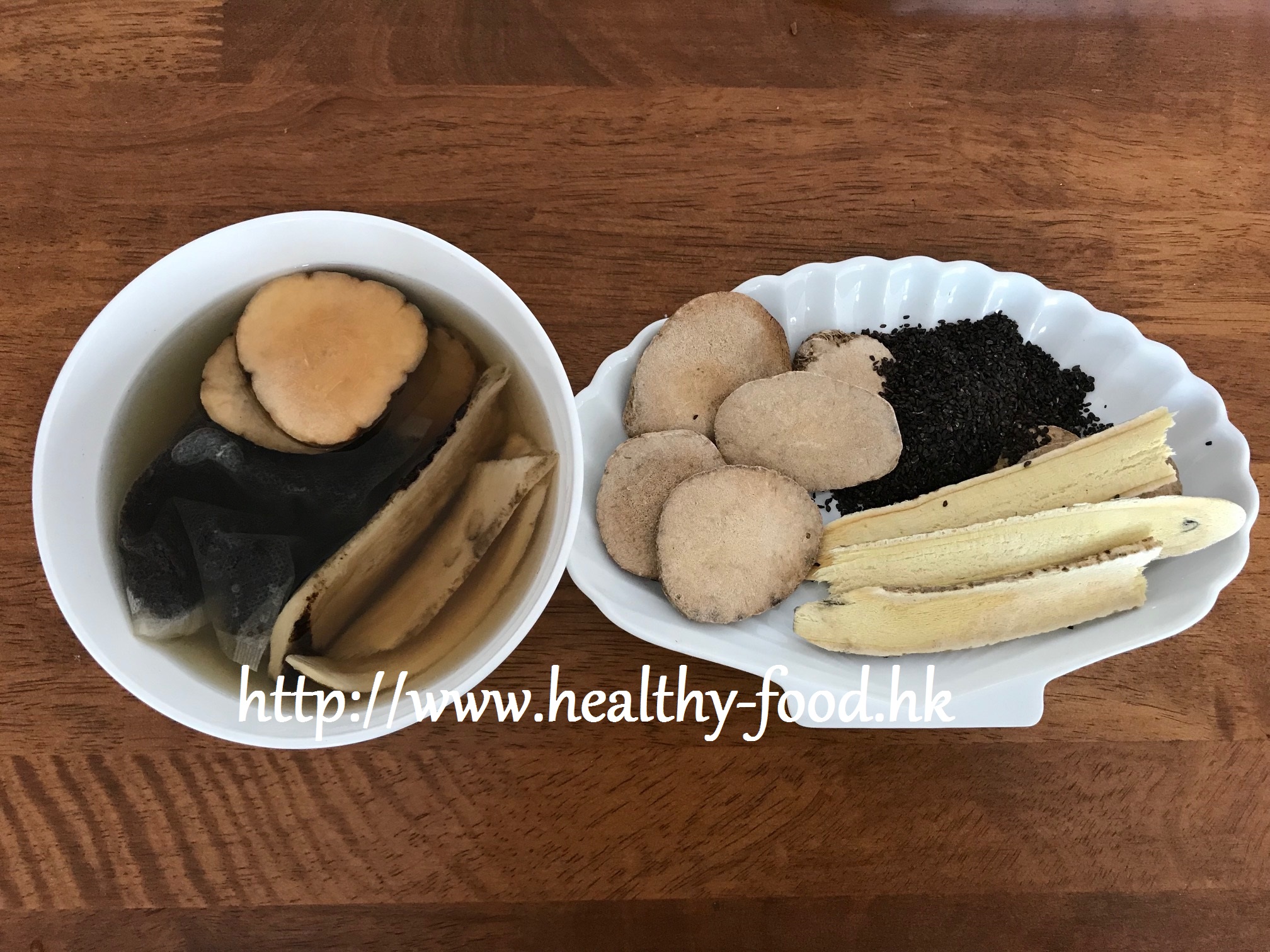
Why people make this tea
It is surprisingly common — especially among women — to develop a mild, unexplained puffiness in the ankles and lower legs by the end of the day, without any diagnosed heart or kidney problem behind it. Long hours of sitting, a diet that leans salty, and a constitution that runs a little low on qi (the Chinese concept of vital energy) can all contribute. This simple three-herb tea addresses that pattern directly. Astragalus root (bei qi) is one of the most widely used qi-tonifying herbs in Chinese food therapy, and its combination with the diuretic herbs alisma and plantain seed creates a formula that supports the body’s natural ability to move and clear excess fluid. It is also associated in food therapy with supporting healthy cholesterol and blood pressure.
Who it suits / who should be cautious
- Suits people with constitutional oedema (unexplained lower-leg swelling), particularly those who are qi-deficient, slightly overweight or tend to retain water
- Also associated with supporting healthy blood lipids and cholesterol
- People with a cold or weak digestive constitution (spleen-stomach deficiency) should avoid this tea; or add 6 g of dried ginger (gan jiang) to warm the formula
- Those who are obese but do not have oedema should not use this tea long-term
- Suitable for use during menstruation; add 18 g of floating wheat grain (fu xiao mai) for excessive sweating
Why these ingredients (the food-therapy logic)
- Astragalus (bei qi / huang qi): The primary qi-tonifying herb in Chinese herbalism; supports the body’s ability to regulate and circulate fluids; also associated with immune support and gentle blood pressure modulation
- Alisma (ze xie): A classical diuretic herb; associated in food therapy with promoting urination, reducing swelling and supporting healthy blood lipids and cholesterol
- Plantain seeds (che qian zi): Another classical diuretic; associated with clearing heat, promoting urination and reducing water retention; also traditionally mentioned for inhibiting kidney stone formation
Ingredients (2 bowls)
| Ingredient | Amount | Notes |
|---|---|---|
| Astragalus root (bei qi / huang qi) | 18 g (~5 qian) | Rinse before use |
| Alisma (ze xie) | 11 g (~3 qian) | Rinse before use |
| Plantain seeds (che qian zi) | 11 g (~3 qian) | Place in a small muslin bag or tea strainer bag before cooking |
| Water | 4 bowls (~800 ml) | Reduces to 2 bowls |
Method
- Place the plantain seeds in a small muslin or tea-strainer bag (to prevent the fine seeds from escaping into the tea).
- Rinse all ingredients briefly.
- Place everything in a pot with 4 bowls (about 800 ml) of cold water.
- Bring to a boil, then reduce to a gentle simmer for 20 minutes until about 2 bowls remain.
- Remove the plantain seed bag. Strain and drink warm, dividing the tea across the day.
Bro Niu’s tips
This tea works best for people whose leg swelling is genuinely constitutional — puffy legs without any diagnosed cardiovascular or kidney cause. Keeping to a lower-salt diet and getting moderate exercise are equally important. If your swelling comes with chest pain, shortness of breath or other concerning symptoms, skip the tea and see a doctor. For those with a cold digestive constitution who still want to use this formula, adding 6 g of dried ginger helps balance the cooling nature of alisma and plantain seed.
Community questions answered (selected)
-
Q (kit): Can this tea be drunk during menstruation? I also sweat a lot and have noticeable body odour — is there a tea for that? Bro Niu: This tea is fine during your period. For excessive sweating, add 18 g of floating wheat grain (fu xiao mai) to the same formula and simmer together. For body odour, focus on hygiene and avoiding strongly flavoured foods like onion, chilli and curry — the summer heat in Hong Kong makes this worse for everyone.
-
Q (仪妺): I have a cold and weak digestive constitution, but also have this oedema problem. What can I do? Bro Niu: You can add about 6 g of dried ginger (gan jiang) to the same formula when cooking — it helps to warm the digestive system and balance the cooling herbs.
Published June 14, 2020 · Adapted and translated for Nourilo from a traditional home-kitchen recipe. Approx. 3 min read.