Home-Style Dishes
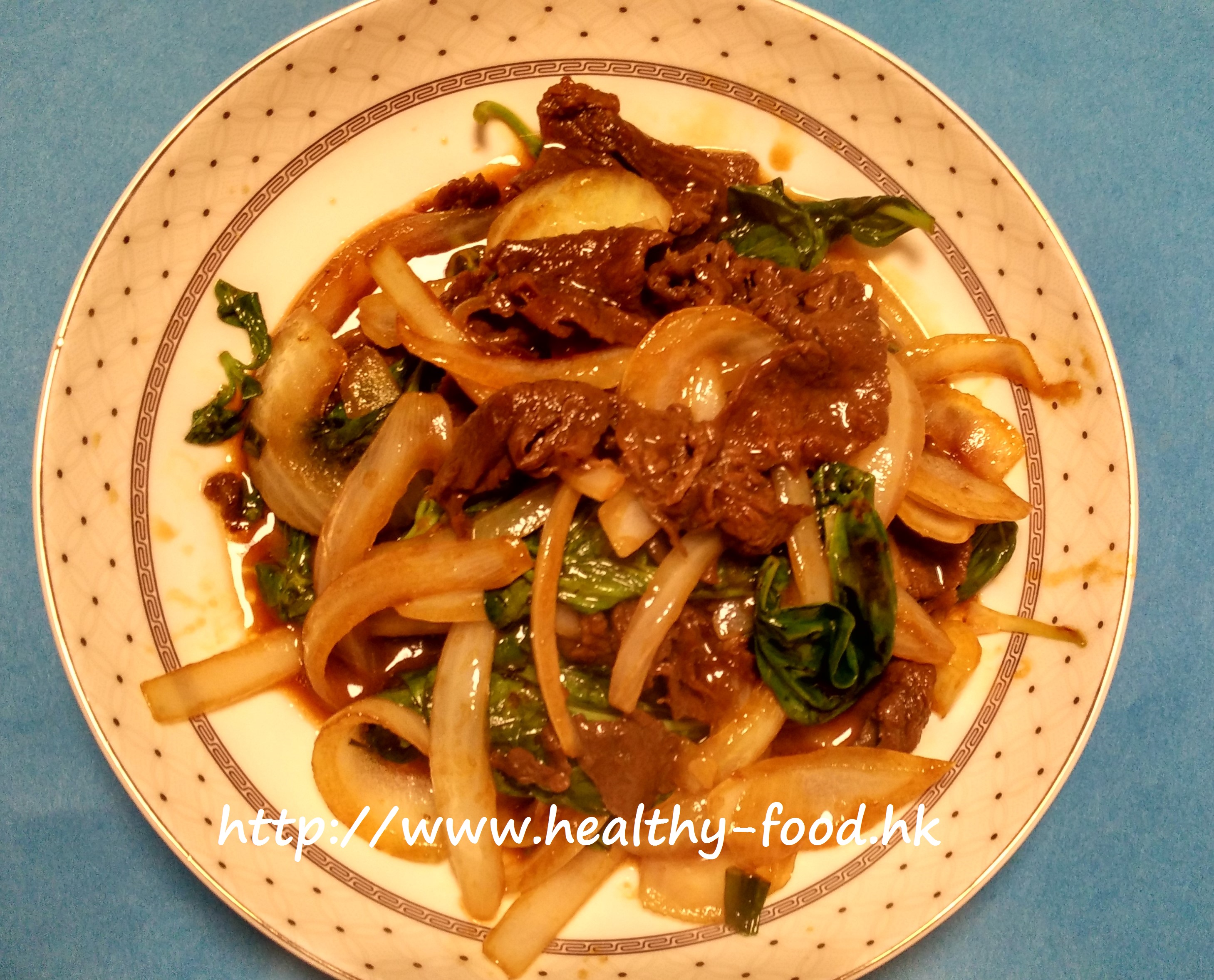
Onion and Basil Stir-Fried Venison Slices
traditionally used to warm yang, nourish qi and blood, and support those with cold extremities and low vitality
Why people make this dish
Venison is lean, flavourful, and less commonly eaten than chicken or pork — which is a shame, because it has much to recommend it from a nutritional standpoint. In Chinese food therapy, venison is considered warm in nature and is traditionally associated with tonifying qi and blood, strengthening the kidneys, and benefiting those who tend to feel cold, fatigued, or physically depleted. Frozen New Zealand organic venison slices are widely available at Chinese or Asian grocers and specialty frozen-food suppliers. Paired with onion (warming, with natural compounds associated with circulation) and fragrant basil (also considered warming and aromatic), this stir-fry is a satisfying cold-weather dish. A note on technique: for the best texture, stir-fry the venison only to just-cooked — it benefits from a brief, high-heat pass rather than prolonged cooking, which can make it chewy.
Who it suits / who should be cautious
- Suits those who tend to feel cold, especially in their hands and feet; those with qi and blood deficiency; those recovering from illness or fatigue; those with kidney deficiency
- Those who have yin deficiency with excess internal heat (warm palms, night sweats, dry mouth) should avoid venison, as it may worsen these symptoms
Why these ingredients (the food-therapy logic)
- Venison (lu rou, 鹿肉): Considered warm in nature; traditionally associated with tonifying qi and blood, strengthening the kidneys and essence, and benefiting those with cold extremities, low back pain, fatigue, and reduced vitality. Contains relatively high protein and low fat and cholesterol compared with many other meats
- Onion (yang cong, 洋葱): Warming, pungent in nature; traditionally associated with circulating qi and blood and strengthening yang; the organosulfur compounds in onion are associated in modern research with cardiovascular support
- Basil (luo le ye, 罗勒叶): Aromatic, warming; used in Chinese cooking to harmonise the flavour of strongly flavoured meats and to warm the stomach
Ingredients (2 servings)
| Ingredient | Amount | Notes |
|---|---|---|
| Frozen venison slices | ~225 g | Thaw fully; pat dry before marinating |
| Fresh basil leaves | from 4 sprigs | Remove stems; wash gently |
| Onion | 1 medium | Peel and slice |
| Light soy sauce | 1 tablespoon | For marinade |
| Cornstarch | 1 teaspoon | For marinade |
| Shaoxing rice wine | 1 teaspoon | For marinade |
| Ginger slices | a few | For stir-frying |
| Salt, pepper, seasoning | to taste |
Method
- Thaw the venison slices fully and pat dry. Marinate with light soy sauce, cornstarch, and Shaoxing wine for about 15 minutes.
- Strip the basil leaves from their stems and wash gently.
- Peel and slice the onion.
- Heat a little oil in a wok over medium-high heat; add the marinated venison slices and stir-fry briefly until about 80% cooked; remove and set aside.
- Leave a little oil in the wok; add the ginger slices and stir-fry until fragrant.
- Add the onion slices and stir-fry until lightly golden.
- Return the venison to the wok, add the basil leaves and seasoning, toss everything together briefly until the venison is just cooked through.
- Dish up immediately.
Bro Niu’s tips
Venison has relatively high protein, low fat, and low cholesterol, and contains various bioactive compounds said to support the circulatory and nervous systems. For a deeper warming effect in cases of cold hands and feet, venison can also be slow-cooked in a broth with ingredients such as Codonopsis (dang shen), astragalus (bei qi), angelica root (dang gui), and red jujube dates. The stir-fry method is quicker and works well as an everyday dish. Be careful not to overcook — venison becomes tough if stir-fried too long.
Published February 5, 2018 · Adapted and translated for Nourilo from a traditional home-kitchen recipe. Approx. 3 min read.