Congee & Porridge
Chinese Yam and Fox-Nut (Qian Shi) Congee
Traditionally supports the spleen and helps steady excess discharge
Why people make this congee
Vaginal discharge is a very common concern. When a woman’s spleen qi is weak, the discharge can be continuous, white and sticky with no odour; in the traditional view, settling the spleen often settles the discharge. This gentle congee is aimed exactly at that weak-spleen type, and it is mild enough to eat regularly.
Who it suits / who should be cautious
- Suits women with clear, white, odourless, persistent discharge tied to a weak spleen. It is also traditionally said to help children prone to a weak spleen with frequent phlegm and cough. Bro Niu notes new mothers can eat it, including while breastfeeding.
- If the discharge is yellow, green or foul-smelling — a sign of more serious inflammation — see a doctor and treat this congee as a support, taken about four times a week at most.
Why these ingredients (the food-therapy logic)
- Huai shan (Chinese yam): traditionally used to support the spleen.
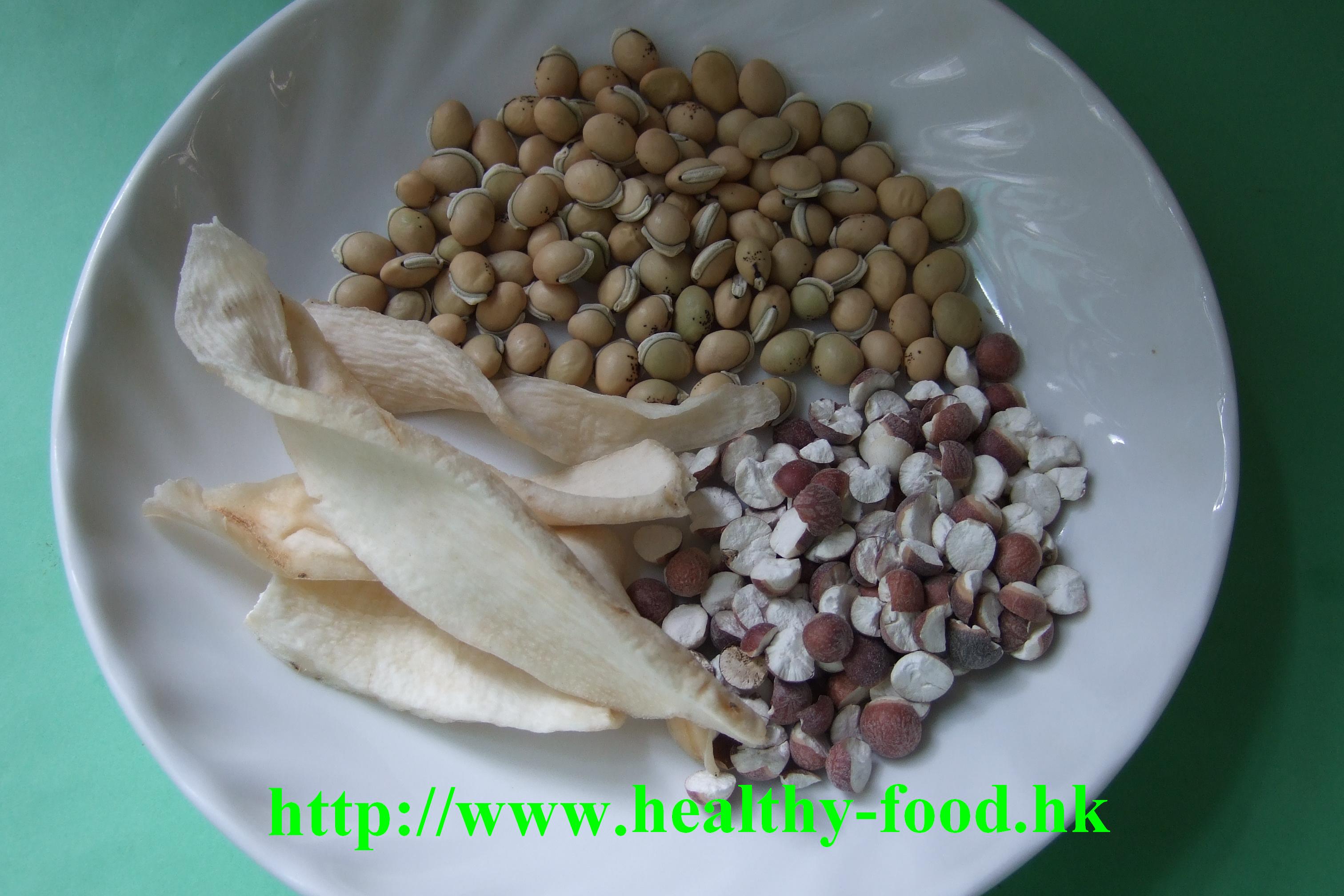
- Qian shi (fox nut): associated with the spleen and with steadying excess discharge; darker, older-tree seeds are considered more effective, and the “prepared” form strengthens that steadying action.
- Bai mi (rice): the congee base keeps the herbs in the gut a little longer for gentle absorption.
Ingredients (2–3 bowls)
| Ingredient | Amount | Notes |
|---|---|---|
| Chinese yam (huai shan) | ~38 g (1 liang) | soak in clean water for half a day |
| Fox nut (qian shi) | ~38 g (1 liang) | soak in clean water for half a day |
| White rice | ~56 g (1.5 liang) | rinse |
Method
- Soak the Chinese yam and fox nut in clean water for about half a day.
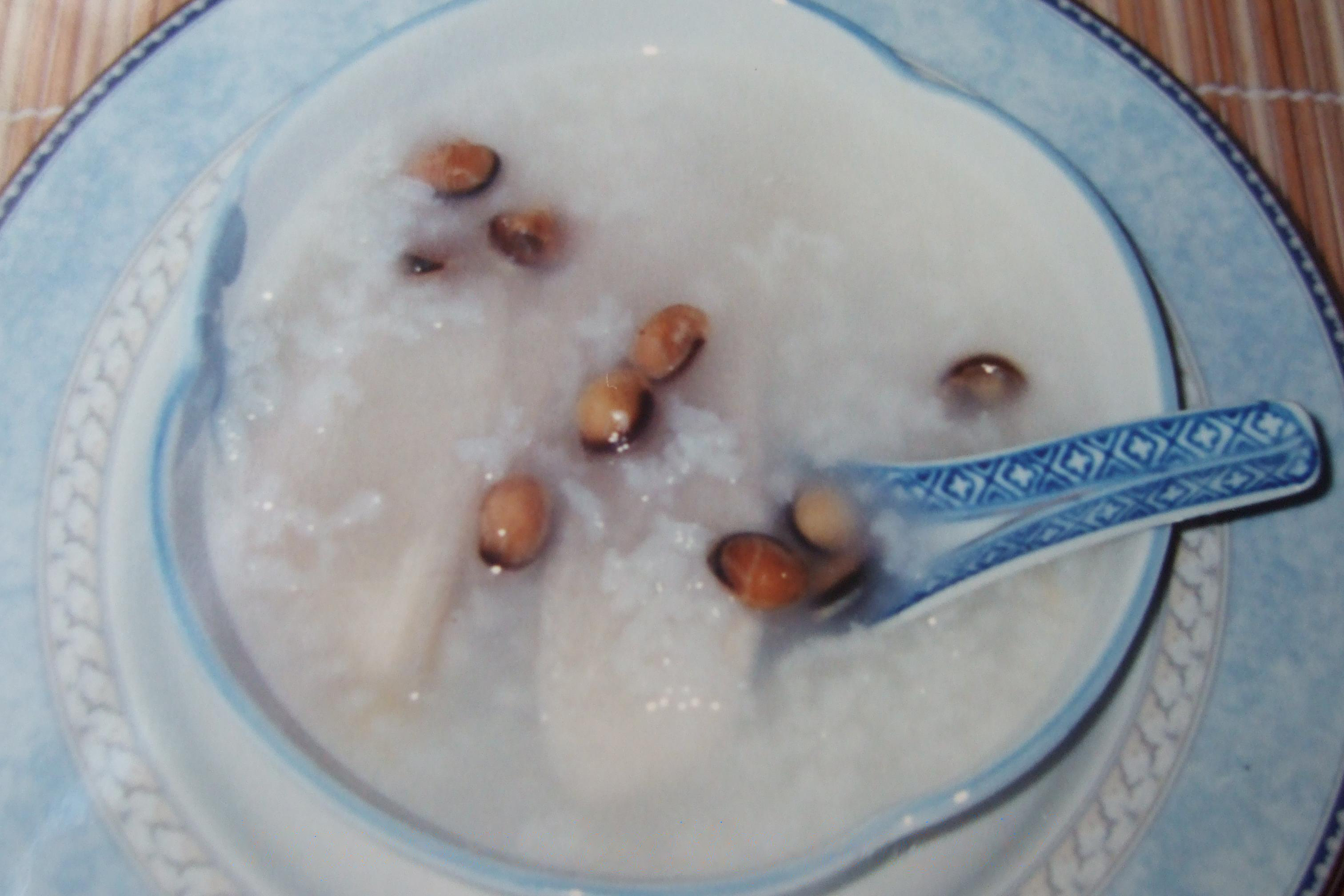
- Rinse the rice, then add all the ingredients to a pot with water and cook into a moderately thick congee.
- Eat as desired.
Bro Niu’s tips
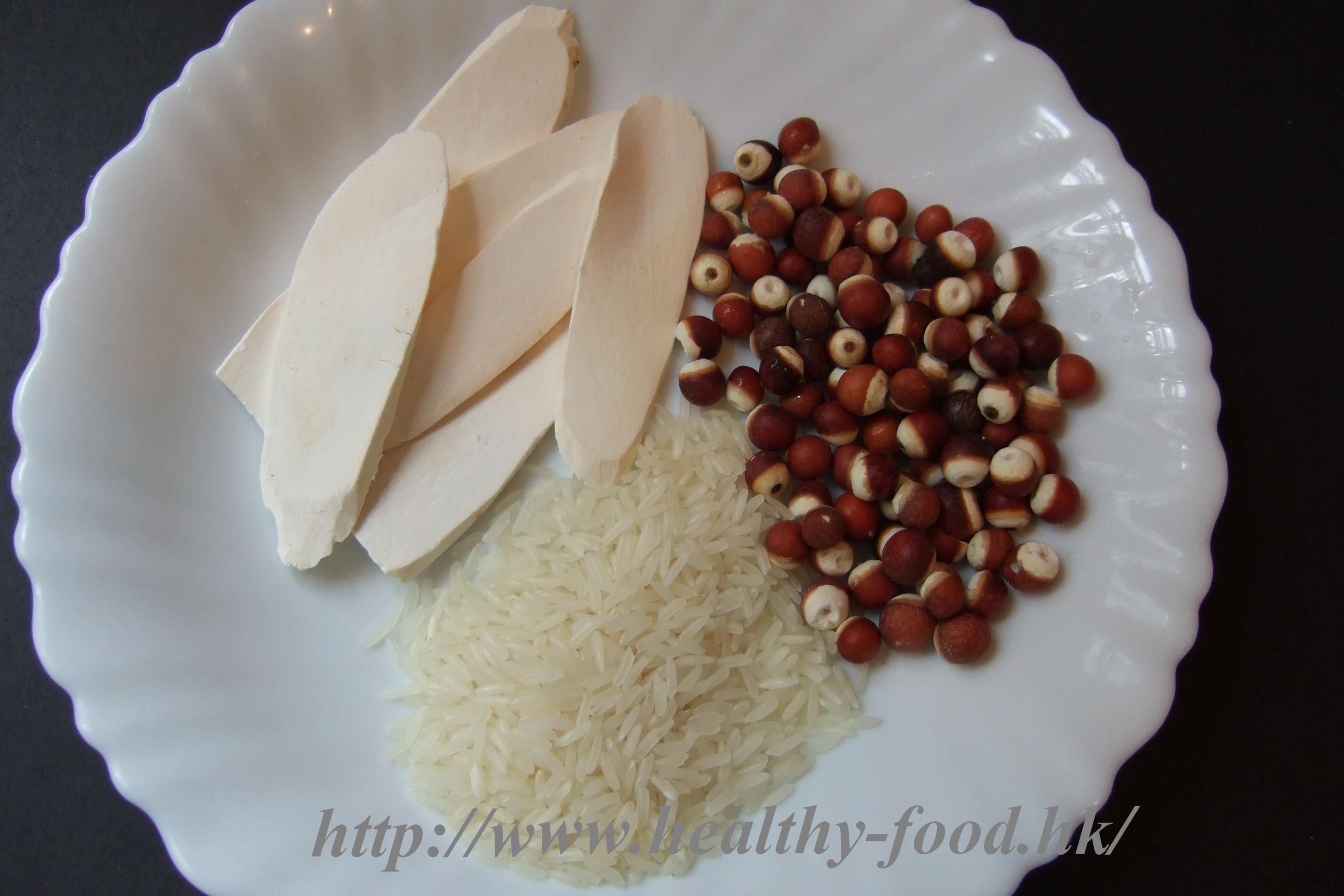
The fox nut shown is the whole seed, which comes in two kinds — brownish-black and brownish-red. The darker seed is from older trees and is considered more effective. This congee is also traditionally said to help children with a weak spleen who often have phlegm and a cough.
Community questions answered (selected)
- Q (yoyokwok): I’m 33 weeks pregnant with yellow/green discharge — is this congee suitable? Bro Niu: Yellow-green discharge means more serious inflammation — see a doctor for treatment. This congee can only be a supportive food, taken about 4 times a week.
- Q (Sunny): If I turn it into a lotus seed and fox-nut soup (just lotus seed, fox nut and water), does it have the same effect? Bro Niu: You can make it as a soup. Cooking it as congee makes it more easily absorbed and keeps the herbs in the gut longer; with a soup, you should also eat some of the ingredients for the effect to show.
- Q (Reovna): Can a new mother eat this congee? What about while breastfeeding? Bro Niu: A new mother can eat this congee, and so can a breastfeeding mother. If she is constipated, eat less of the solids and add 4 figs while cooking — figs help with milk and ease the bowels.
Published November 20, 2010 · Adapted and translated for Nourilo from a traditional home-kitchen recipe. Approx. 2 min read.