Soups
Agaricus, Lion's Mane & Tea Tree Mushroom Chicken Soup
traditionally associated with nourishing the body's vitality and supporting digestive and immune health
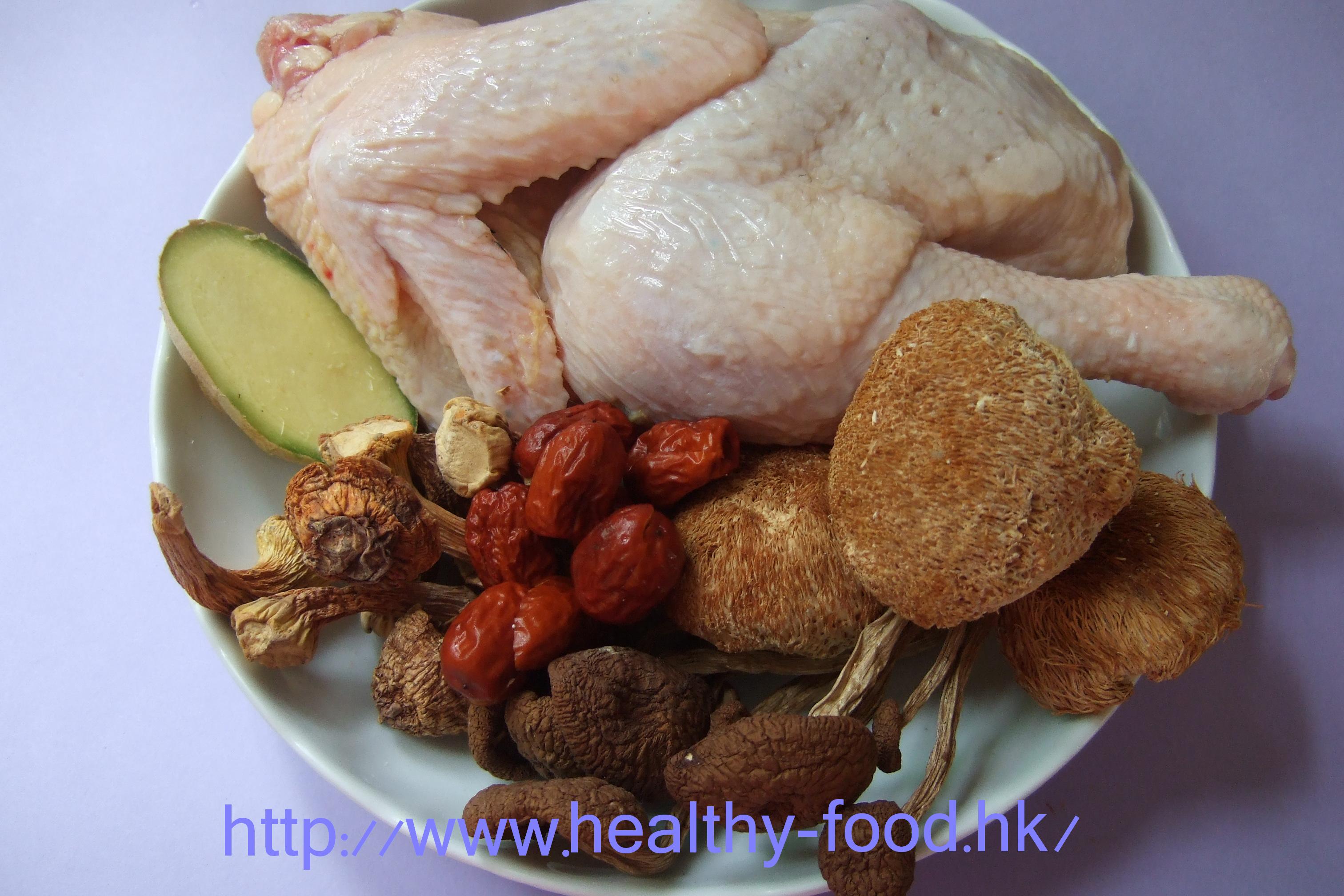
Why people make this soup
Bro Niu picked up these three prized mushrooms on a trip to the dried-seafood market while shopping for Lunar New Year provisions. Agaricus (ji song rong), lion’s mane (hou tou gu), and tea tree mushroom (cha shu gu) are all individually recognised for their food-therapy value; together in one pot they make a soup that is genuinely special. The flavour is rich and earthy without being heavy, and the combination is traditionally valued for building up someone who has been depleted — whether by illness, overwork, surgery, or just the cumulative fatigue of daily life. A bowl of this once or twice a week can be a quiet act of self-care.
Who it suits / who should be cautious
- Broadly suitable for all constitution types, as all three mushrooms are considered thermally neutral in traditional Chinese food therapy.
- Particularly beneficial for those recovering from illness or surgery, people undergoing cancer treatment (where lean pork can replace chicken), people with chronic digestive complaints, and anyone seeking general immune support.
- Pregnant women may drink this soup.
- People with gout should limit how often they consume this soup, as mushrooms are relatively high in purines.
- Those with known mushroom allergies should avoid it. Children with eczema or food sensitivities should be introduced cautiously.
- Those with low blood pressure should be aware that agaricus mushroom is traditionally associated with a mild blood-pressure-lowering effect; if you have low blood pressure, use agaricus in combination with a qi-tonifying herb such as astragalus (bei qi) or codonopsis (dang shen).
- During a fever or active infection, replace the chicken with lean pork — chicken is richer and harder to digest when the body is fighting off illness.
Why these ingredients (the food-therapy logic)
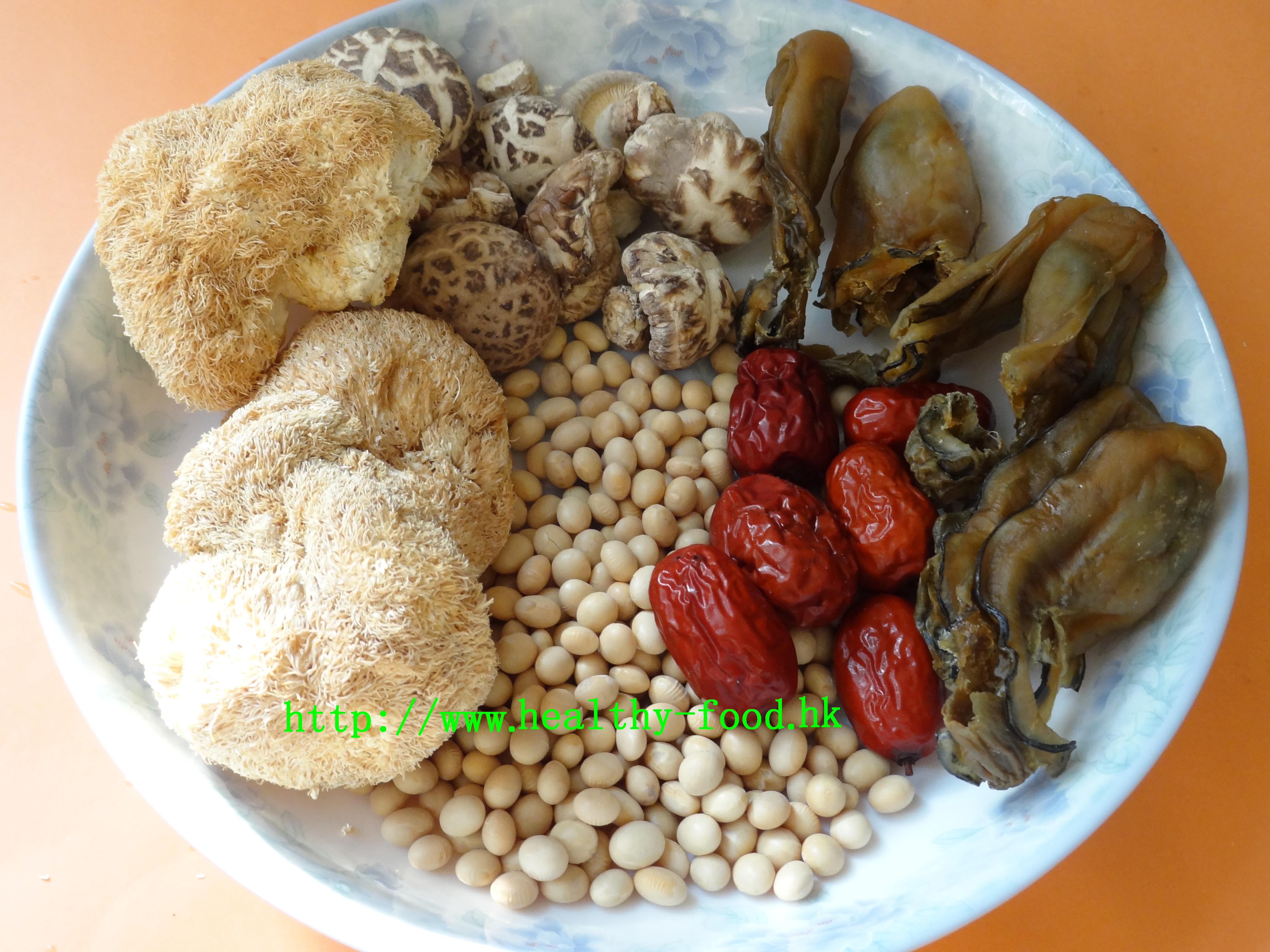
- Agaricus mushroom (ji song rong, Agaricus blazei): According to traditional Chinese medicine, agaricus supports brain function, reduces inflammation, nourishes the kidneys, and helps regulate blood pressure, cholesterol, and blood sugar. Modern research is actively exploring its polysaccharide content for immune-supporting properties.
- Tea tree mushroom (cha shu gu, Agrocybe aegerita): Traditionally associated with nourishing the kidneys, promoting fluid metabolism, supporting fat metabolism, and anti-ageing benefits.
- Lion’s mane mushroom (hou tou gu, Hericium erinaceus): Well known for supporting digestive health — traditionally considered beneficial for the stomach, spleen, and the five viscera. Associated with aiding digestion, nourishing deficiencies, and supporting recovery from gastric conditions such as gastritis, stomach ulcers, and chronic gastroenteritis.
- Free-range chicken: Adds nourishment, flavour, and body to the soup. During illness or cancer treatment, lean pork is a gentler and equally appropriate substitute.
- Red dates (hong zao): Warm and sweet; traditionally used to tonify qi and blood, and to harmonise the other ingredients.
- Ginger: Adds warmth, rounds the flavour, and helps with digestion.
Ingredients (3–4 bowls)
| Ingredient | Amount | Notes |
|---|---|---|
| Dried agaricus mushroom | ~18 g (5 qian) | Soak until soft before use |
| Dried tea tree mushroom | ~18 g (5 qian) | Soak until soft before use |
| Dried lion’s mane mushroom | 2 whole pieces | Soak until soft; if large, break into pieces |
| Free-range chicken (half) | ~500–600 g | Blanched in boiling water first |
| Fresh ginger | 2 slices | |
| Red dates | 6 pieces | Rinsed |
| Water | 8 bowls (~2 litres) |
Method
- Soak the agaricus, tea tree mushroom, and lion’s mane in separate bowls of cold water until fully soft (30–60 minutes). Drain; discard the soaking water if the mushrooms have an unusual smell.
- Rinse and clean the chicken; blanch in boiling water for two to three minutes, then drain and rinse off any foam.
- Combine all ingredients in a large pot with 8 bowls of water.
- Bring to a boil over high heat, then reduce to a steady simmer.
- Simmer for about 2 hours until the broth is rich and the mushrooms are very tender.
- Serve hot; eat the mushrooms and chicken as well as the broth.
Bro Niu’s tips
All three mushrooms are thermally neutral, meaning this soup is appropriate for virtually any constitution and any season. If you are making it specifically as a cancer-support soup for someone undergoing chemotherapy or radiotherapy, replace the chicken with lean pork — it is easier on the digestive system and no less nourishing. The soup can be made once a week and refrigerated; store the solid ingredients separately from the broth so they do not break down overnight. If the mushrooms smell of sulphur when you soak them, soak for an extra hour in fresh water and discard the first soaking water — this is a sign they may have been treated with sulphur during drying.
Community questions answered (selected)
-
Q (Hannah Ding): Can a one-year-old baby drink this soup? Bro Niu: Yes, children over one year of age can drink this soup.
-
Q (波子): My family member has gout. Can they drink this soup with agaricus mushroom in it? Bro Niu: Agaricus is a type of fungus, so gout sufferers should drink this soup less often and in smaller amounts.
-
Q (Carmen): Is this safe during pregnancy? Bro Niu: Yes, this soup is fine during pregnancy.
Published January 16, 2012 · Adapted and translated for Nourilo from a traditional home-kitchen recipe. Approx. 4 min read.