Home-Style Dishes
Sweet Vinegar Black Beans (Tian Cu Pao Hei Dou)
Traditionally associated with nourishing the liver and kidneys, strengthening bones and tendons, and brightening vision
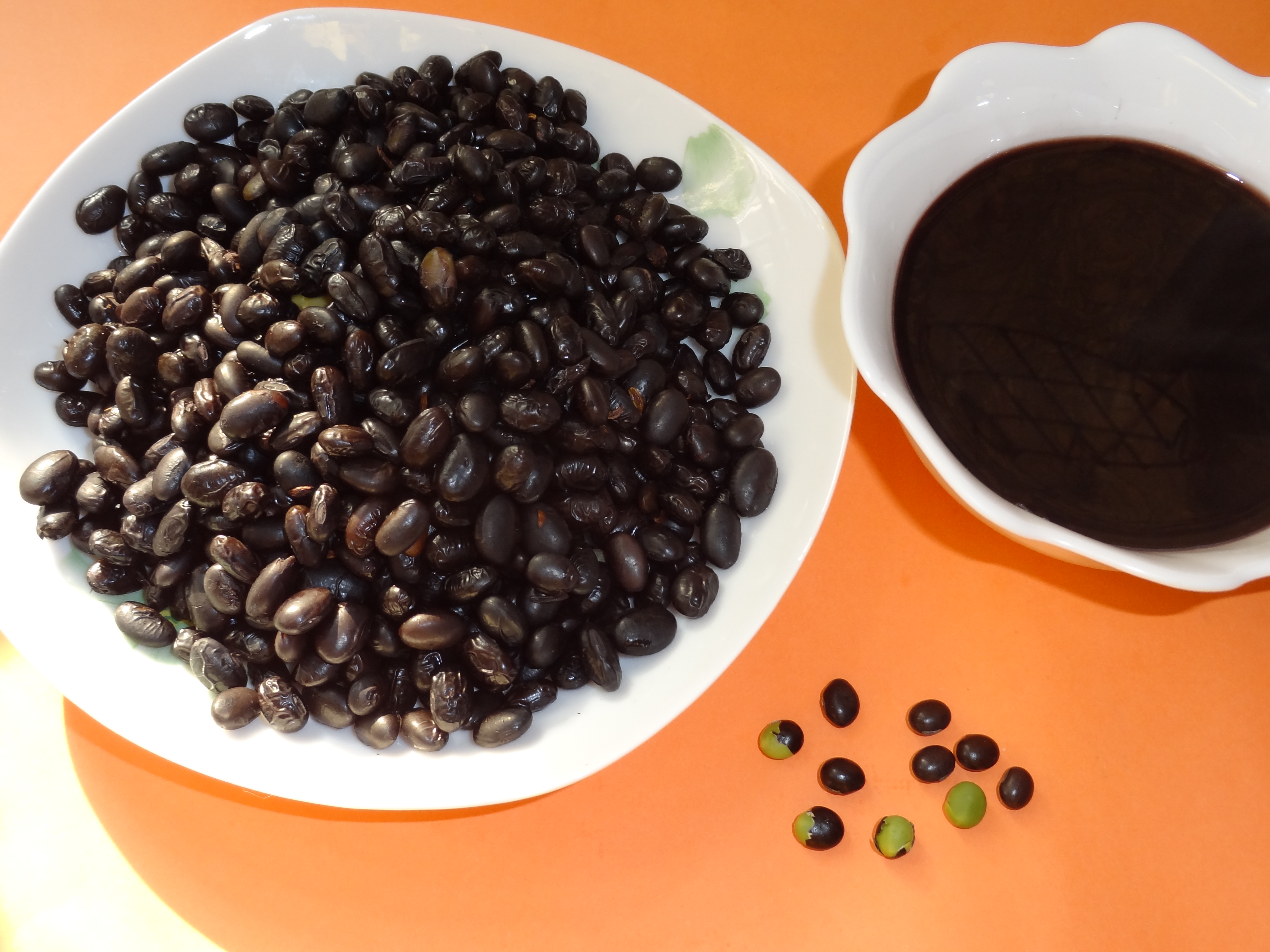
Why people make this
This is one of the simplest, most time-honored food-therapy preparations in the Cantonese tradition — and arguably one of the most elegant. Black beans have long held a special place in Chinese food therapy: the black outer skin is associated with the kidneys (black corresponds to the Water element and the kidneys in five-element theory), while the green interior flesh is associated with the liver. So in one small jar, you get a preparation that is traditionally believed to nourish both organs simultaneously. The sweet vinegar — a distinctive Cantonese ingredient — gently acidifies the beans, preserving them and making their nutrients more bioavailable, while also adding its own digestive benefits. One to two tablespoons a day as a condiment or eaten straight is the traditional dose.
Who it suits / who should be cautious
- Suitable for most adults who want gentle daily support for liver and kidney health, vision clarity, bone and tendon strength
- Pregnant women may eat this — it is safe during pregnancy
- Those on anticoagulant (blood-thinning) medication should limit intake and check with their doctor
- People with polycystic ovary syndrome may eat it (1 tablespoon per day)
- Store in a cool, shaded spot; ensure the vessel and any utensils used to scoop the beans are perfectly clean and dry to prevent spoilage
Why these ingredients (the food-therapy logic)
- Green-kernel black beans (qing ren hei dou): Distinguished from ordinary black beans by their green inner flesh; in Chinese food theory, black nourishes the kidneys and green nourishes the liver — this variety supports both simultaneously; also associated with brightening vision and promoting fluid production
- Sweet vinegar (tian cu): Warm in nature; softens and preserves the beans while contributing its own digestive and circulatory benefits; the acidity helps extract and make available the beans’ active compounds
Ingredients (1 jar)
| Ingredient | Amount | Notes |
|---|---|---|
| Green-kernel black beans (qing ren hei dou) | Fill jar ~70% full after roasting | Available at Chinese grocery stores; slightly pricier than ordinary black beans |
| Chinese sweet vinegar (tian cu) | Enough to fill the jar to the brim | Cantonese-style sweet vinegar works best |
Method
- Rinse the black beans, then drain thoroughly and pat dry.
- In an ungreased frying pan (no oil), pan-roast the beans over medium heat for about 7 minutes, stirring, until the skins begin to crack.
- Reduce to low heat and continue dry-roasting for another 3 minutes.
- Remove from heat and allow the beans to cool completely for at least 15 minutes.
- Transfer the cooled beans into a clean, dry glass jar with a lid, filling it to about 70% capacity.
- Pour in the sweet vinegar until the jar is completely full and the beans are well submerged.
- Seal the lid and store in a cool, dark place.
- After 2 weeks of soaking, the beans are ready to eat. Consume 1–2 tablespoons per day.
Bro Niu’s tips
Use only the green-kernel (qing ren) variety of black beans for this recipe — they contain the highest therapeutic value. The beans must be fully cooled before you pour in the vinegar, to avoid introducing moisture. Make sure the jar and all utensils that touch the beans are completely clean and dry — any moisture or contamination can cause mold. Store in a cool, shaded place (no need for the refrigerator in cool weather). The beans can keep for up to about six months. If the beans feel too hard for elderly people, they can be briefly pre-soaked in water before roasting, then roasted over low heat for 12 minutes to soften them slightly before soaking in the vinegar.
Community questions answered (selected)
-
Q (reader): Can pregnant women eat black bean vinegar? Bro Niu: Yes — it is fine during pregnancy. It supports the liver, kidneys, strengthens tendons and bones, and brightens vision.
-
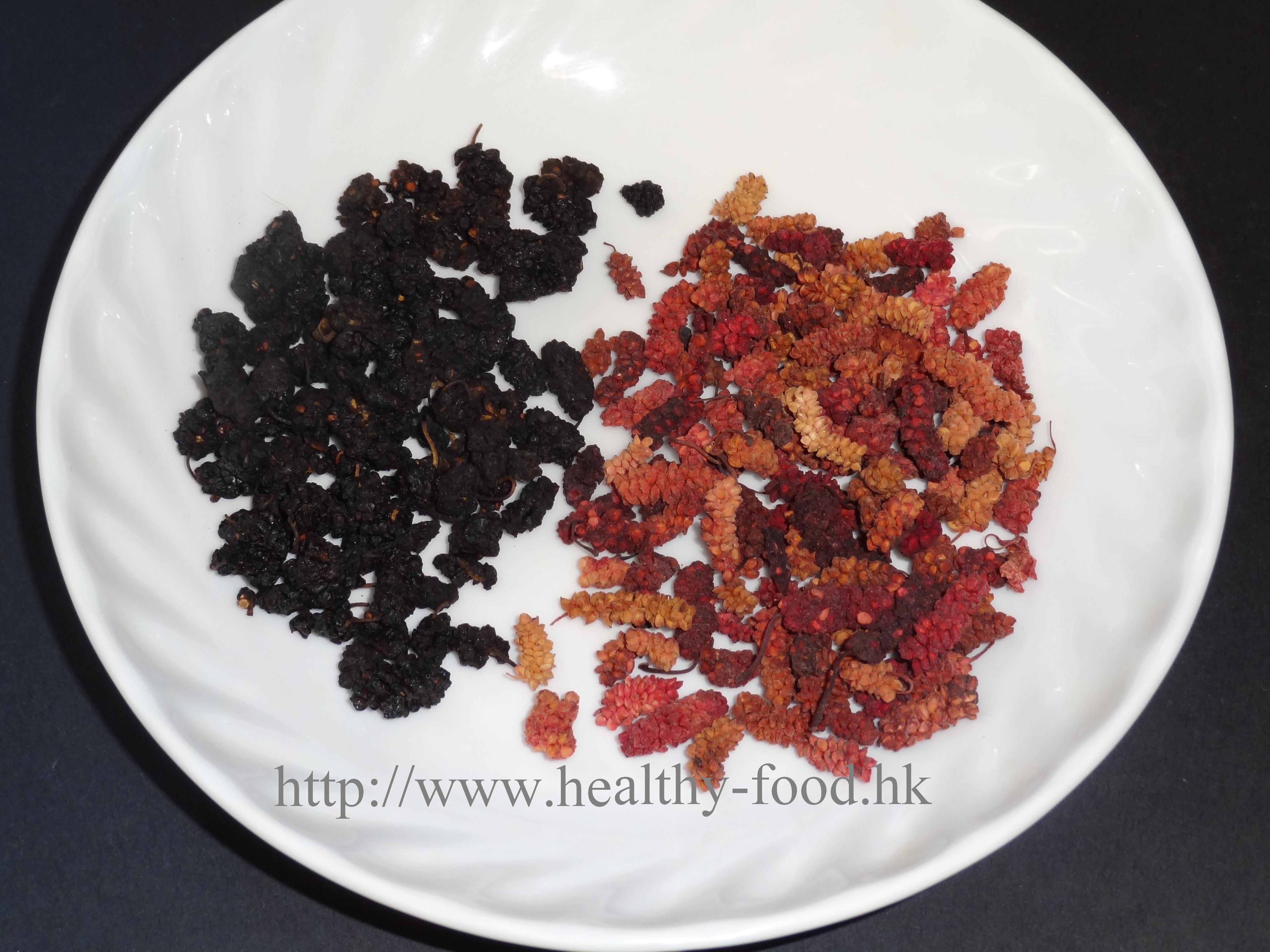
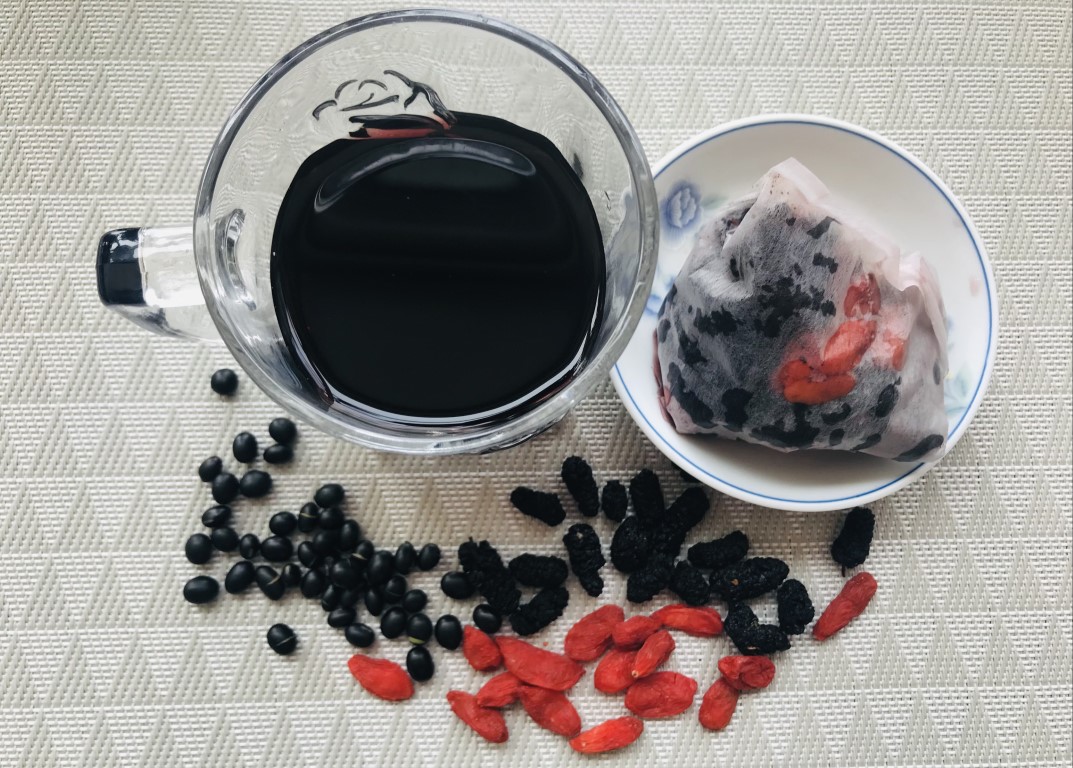
Q (Hannah Ding): Will pan-roasted black beans cause excessive heat in the body? Bro Niu: Pan-roasted black beans are slightly heating in nature. If you combine them with dried mulberries (hei sang shen) when brewing as a tea, the mulberries balance the heat.
-
Q (reader): Can this be stored outside the refrigerator, in a cool place? I worry about eating cold food directly from the fridge. Bro Niu: Sweet vinegar black beans are naturally well-preserved. No need for the refrigerator — keeping them in a cool, shaded location is perfectly fine.
Published February 17, 2016 · Adapted and translated for Nourilo from a traditional home-kitchen recipe. Approx. 3 min read.