Salads & Cold Dishes
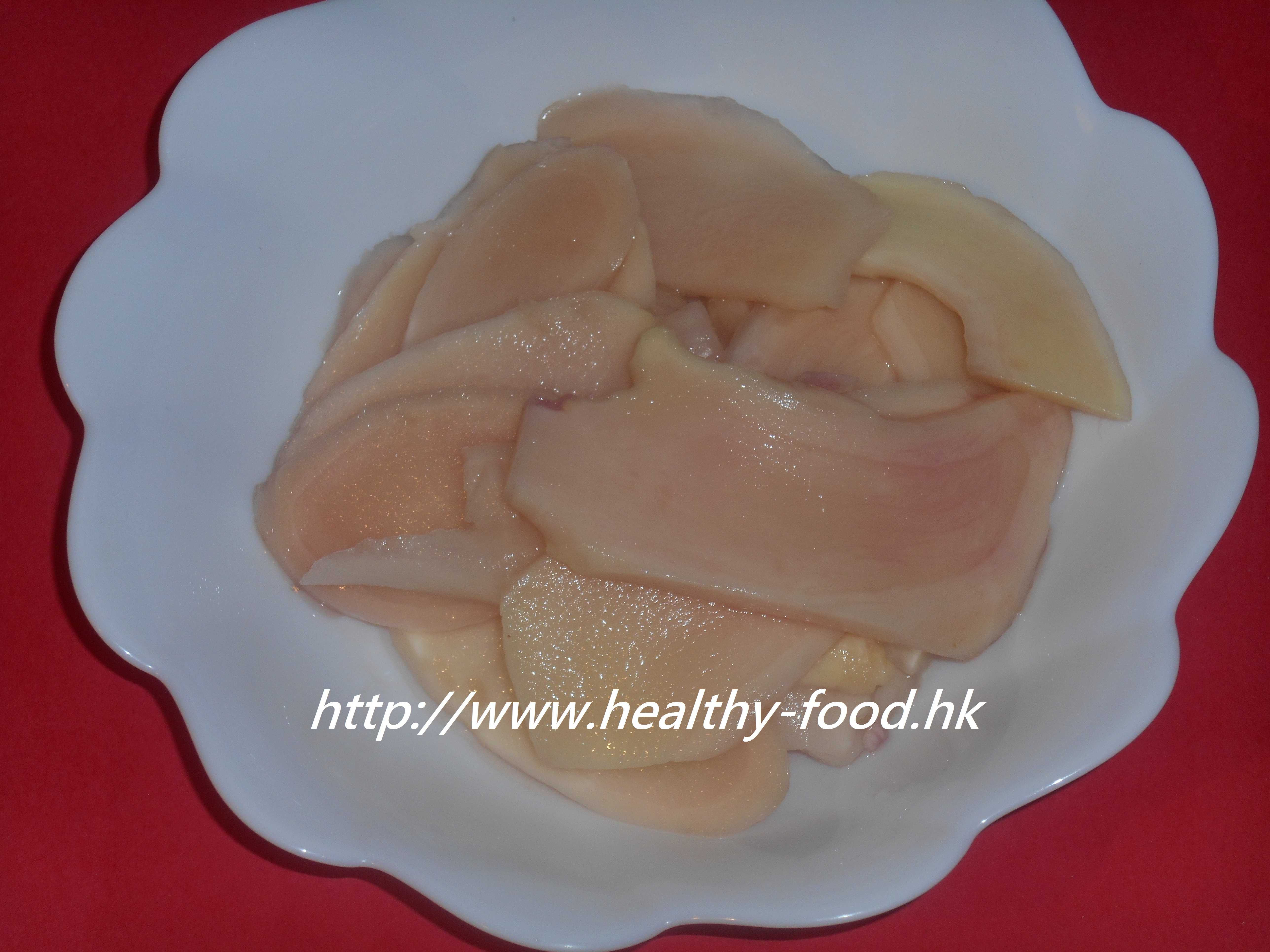
Sweet and Sour Pickled Young Ginger
traditionally used to warm the middle burner, support gastric function, and ease digestive discomfort
Why people make this
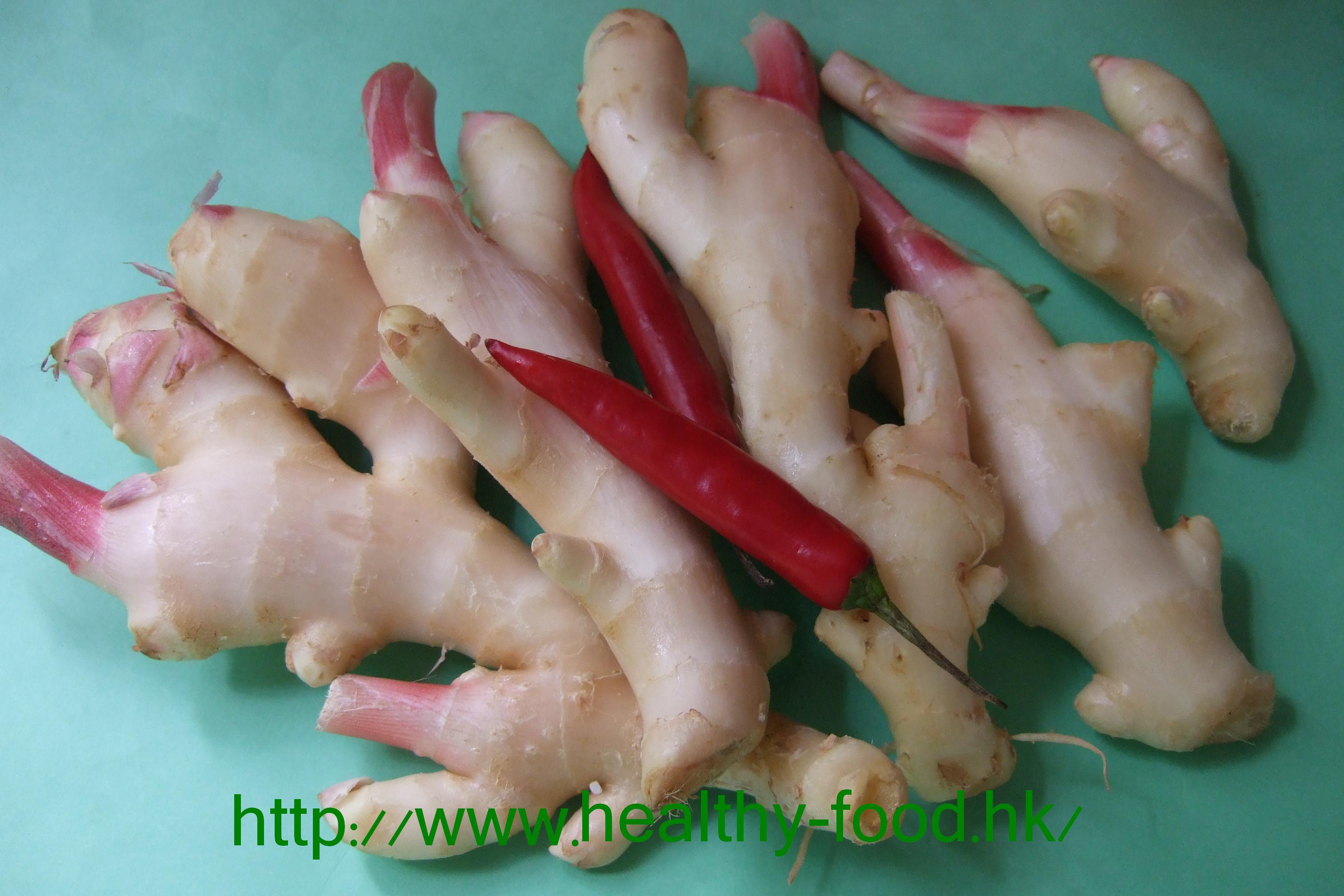
There is almost no kitchen in Guangdong or Hong Kong that does not have a jar of sweet-sour pickled young ginger tucked somewhere. This is one of the most time-honoured everyday food-therapy preparations in southern Chinese cooking — not a soup or a tea, but a simple condiment you make once and enjoy over weeks or months. Young ginger (picked before the fibres toughen) is naturally milder and juicier than mature ginger, and when softened in sweetened rice vinegar, it becomes crisp, refreshing, and gently warming all at once. Bro Niu has been making this for years and considers it a small but meaningful daily habit for looking after stomach health and keeping the digestion comfortable.
Who it suits / who should be cautious
- Suited to most adults who want to support digestive function, warm the stomach, and stimulate appetite
- A pleasant condiment to eat alongside congee, rice, or noodles
- Do not eat large quantities at one sitting — ginger’s warming nature means excess amounts can cause mouth dryness, sore throat, or a sense of “internal heat,” and may burden the kidneys
- Those with active stomach inflammation or stomach ulcers should use caution and eat only a very small amount at a time
Why these ingredients (the food-therapy logic)
- Young ginger (zi jiang): Warming and pungent, ginger in Chinese food therapy is classically used to warm the middle burner (digestive centre), promote Qi circulation, stop nausea, and support gastric secretion. Research has also pointed to ginger’s potential to inhibit certain bacterial growth, and there is interest in its broader health properties.
- Rice vinegar (chun mi cu): Aids the preservation process and adds a mild acidity that complements the warmth of ginger. In Chinese food therapy, vinegar is associated with benefiting the liver and aiding digestion.
- Sugar: Balances the sharpness of the ginger and vinegar, making this a condiment rather than a medicinal preparation — something genuinely pleasant to eat daily.
Ingredients (1 jar)
| Ingredient | Amount | Notes |
|---|---|---|
| Young ginger (zi jiang) | 500 g (or as desired) | Look for plump, moist, unblemished pieces |
| Pure rice vinegar (chun mi cu) | To taste | Use good-quality pure rice vinegar |
| Rock sugar or granulated sugar | To taste | Rock sugar gives a more rounded flavour |
| Coarse salt | 1 tablespoon | For drawing moisture from ginger before pickling |
Method
- Wash the young ginger thoroughly, then use a spoon or the edge of a knife to gently scrape off the thin outer skin. Rinse once more with cooled boiled water (not tap water, to keep the jar clean and bacteria-free).
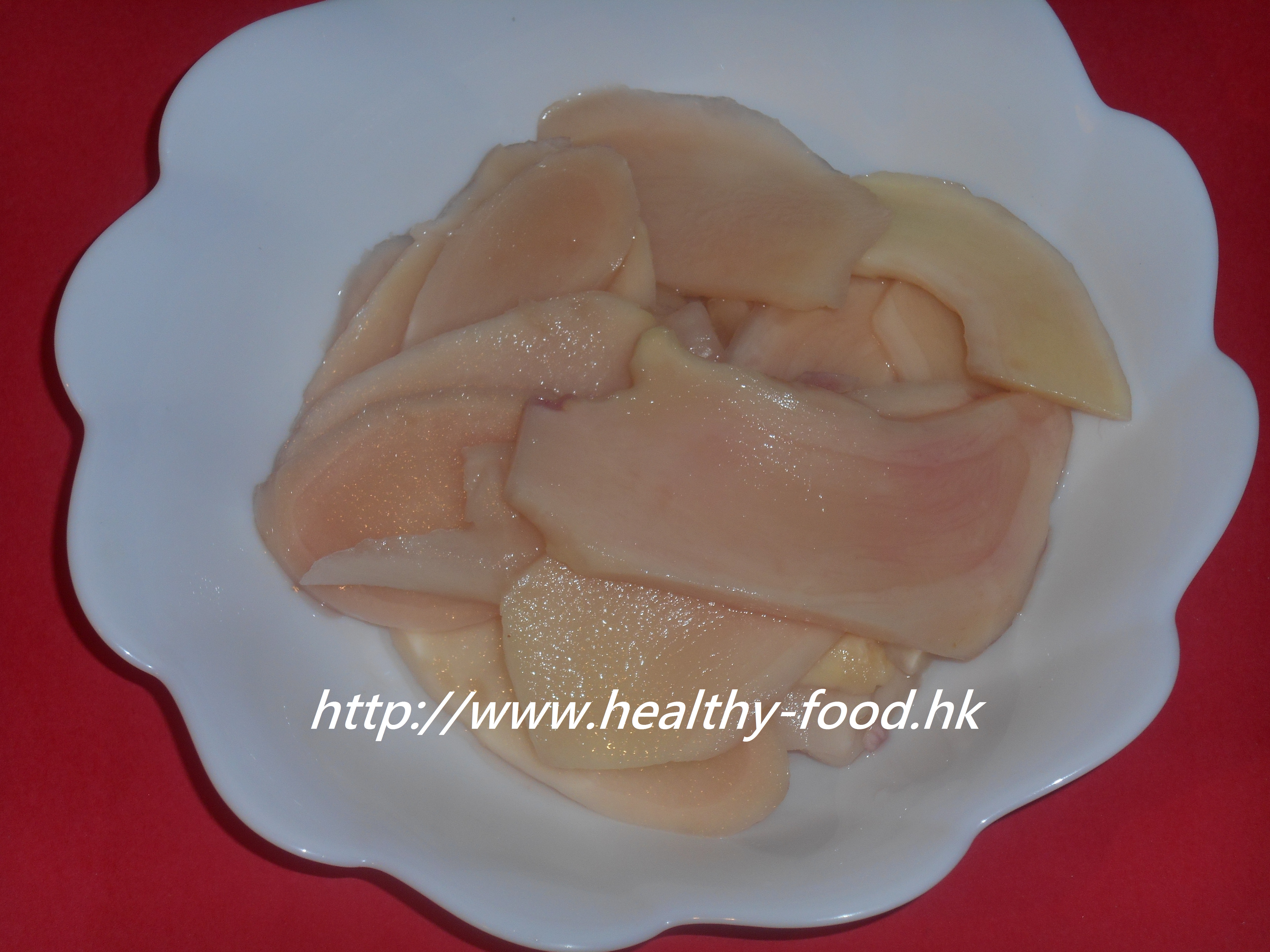
- Slice the ginger thinly.
- Toss the sliced ginger with coarse salt and leave for 15–20 minutes to draw out excess moisture.
- Tip the ginger into a colander and let it air-dry, ideally in a spot with some sunlight for a while, until the surface is dry to the touch.
- Meanwhile, make the sweet vinegar: combine rice vinegar and sugar in a pot and heat gently until the sugar dissolves completely. Leave to cool fully before using.
- Pack the dried ginger slices into a clean, dry glass jar. Pour the cooled sweet vinegar over the ginger until it is just covered.
- Seal the jar and refrigerate. The ginger will be ready to eat after a day or two, and will keep well in the refrigerator for up to 6 months.
Bro Niu’s tips
The most important step is getting the ginger fully dry before pickling — any residual moisture invites spoilage. Blowing it dry in the sun is the old-fashioned method and works beautifully; if the sun is not available, simply lay the slices on a clean rack and let the air do the work for an hour or two.
The sweetness-to-sourness ratio is entirely a matter of personal preference. A classic ratio of sweet vinegar to acid vinegar of about 10:1 gives a mild, pleasant sweet-sour result. Those who like more sourness can lean toward 8:2. A small pinch of good sea salt in the vinegar mixture adds a little depth. Some people add a hard-boiled salted egg to the jar during storage — this is entirely optional but gives an extra dimension of flavour.
Eat no more than a few slices at a time as a condiment with meals.
Published May 11, 2015 · Adapted and translated for Nourilo from a traditional home-kitchen recipe. Approx. 3 min read.