Salads & Cold Dishes
Sweet and Sour Pickled Young Ginger
traditionally associated with strengthening the spleen, clearing dampness, and stimulating the appetite
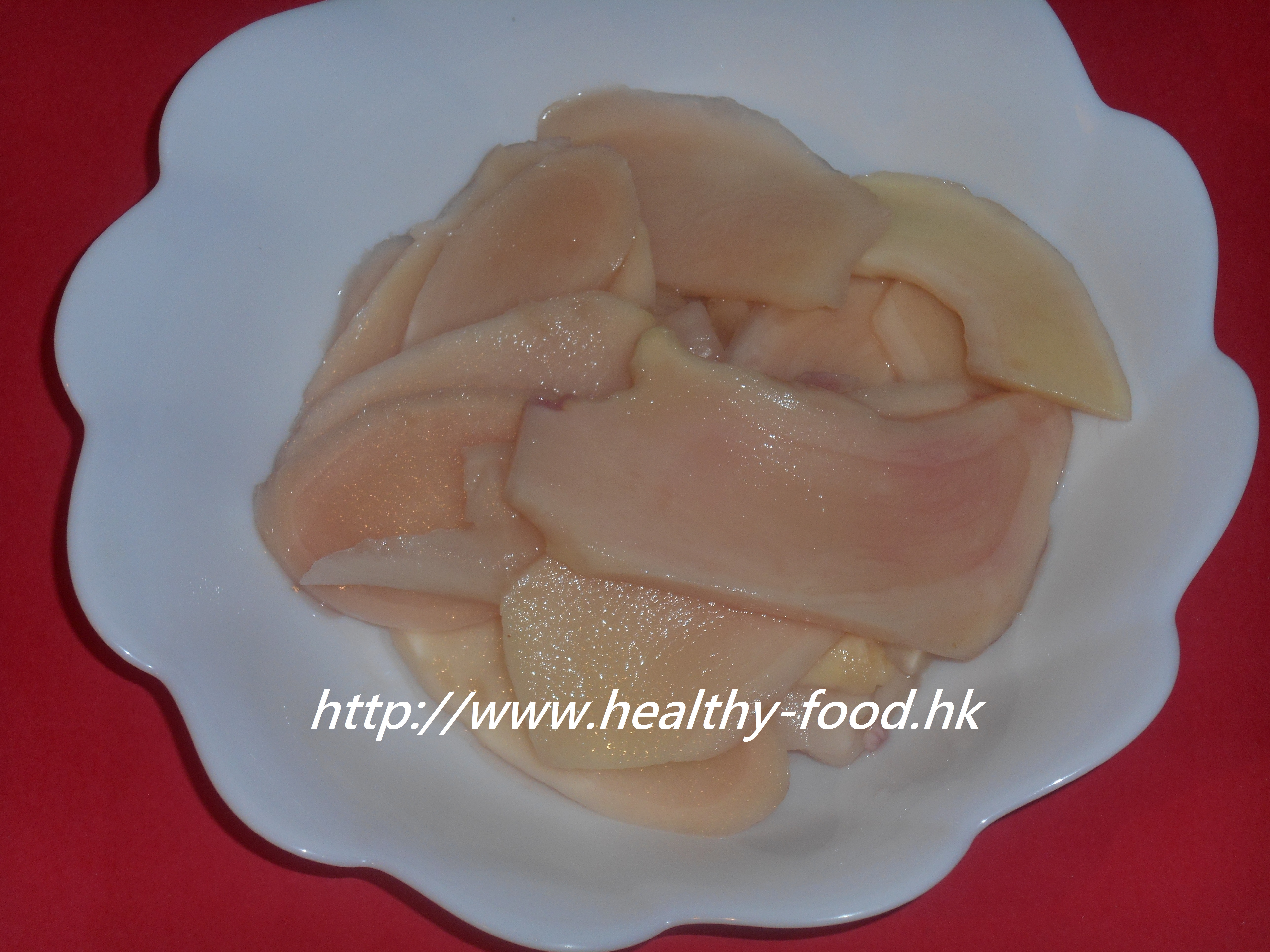
Why people make this dish
There is an old Chinese saying: “In winter eat radish, in summer eat ginger — and you need no doctor’s prescription.” Ginger truly is one of the most versatile wellness foods in the Chinese kitchen. Young ginger — sometimes called “baby ginger” or zi jiang — comes to market in early summer and has a delicate, slightly sweet flavour and crisp texture quite different from the fiery intensity of old ginger. Traditional food-therapy distinguishes between the two: old ginger is better for expelling cold, while young ginger is particularly prized for clearing internal dampness. Hong Kong summers, though hot, mean that many people spend most of the day in heavily air-conditioned spaces — and long exposure to cold air can cause the body to feel sluggish and waterlogged. A few slices of sweet-and-sour pickled young ginger before a meal is a time-honoured way to wake up the digestive system and clear that heavy feeling.
The active compounds in ginger — the gingerols — have antioxidant properties stronger than vitamin E. Young ginger has somewhat lower gingerol concentrations than old ginger, but its mild, crisp flesh means you can eat much more of it, so the total intake ends up comparable. Either way, the pickling process brings out the best of young ginger while making it a pleasure to eat.
Who it suits / who should be cautious
- Suitable for most adults and older children as a small pre-meal appetiser; especially beneficial for those who feel heavy, sluggish, or bloated in humid summer weather
- Children with eczema can have a moderate amount
- Avoid eating ginger in the evening or close to bedtime — it can warm the stomach and body, potentially disturbing sleep
- Those with strong interior heat or active inflammatory conditions should not over-eat ginger
Why these ingredients (the food-therapy logic)
- Young ginger (zi jiang): Warm in nature but milder than old ginger; associated with clearing dampness, warming the stomach, and stimulating digestive juice production and intestinal movement. The crisp texture means you can eat more of it, absorbing the beneficial gingerols effectively.
- Rice vinegar (mi cu): Sour in flavour; in food-therapy, associated with supporting the liver, aiding fat digestion, and preserving the ginger safely over time.
- Unrefined cane sugar: Adds sweetness and balances the sharpness of the vinegar; the combination of sour and sweet creates a broth that opens the appetite.
- Sea salt: Used to draw out excess moisture from the ginger slices before pickling, ensuring a crisp, not soggy, final product.
Ingredients (1 large jar; ready after 4–5 days)
| Ingredient | Amount | Notes |
|---|---|---|
| Young ginger | ~900 g | Peel and slice thinly |
| Coarse sea salt | 1 tablespoon | For drawing out moisture |
| Unrefined cane sugar | ~450 g | Plain-flavoured variety |
| Pure rice vinegar | ~600 ml | Not flavoured varieties |
Method
- Combine the sugar and rice vinegar in a small pot. Bring to a boil, stirring to dissolve the sugar. Remove from heat and set aside to cool completely.
- Scrape the skin off the young ginger and wash clean. Slice into thin rounds.
- Toss the ginger slices with the coarse sea salt in a bowl, mixing well. Transfer to a colander and allow to drain for 2 hours to draw out excess moisture.
- Squeeze or press out any remaining liquid from the ginger slices, then pack tightly into a clean glass jar.
- Pour the cooled sugar-vinegar brine over the ginger to fill the jar to about 90% full.
- Seal the jar and store in the refrigerator. The pickled ginger will be ready to eat after 4–5 days.
Bro Niu’s tips
This pickled ginger can also help reduce metabolic sluggishness and ease mild water retention and puffiness. Once the season progresses into late summer or early autumn, young ginger’s skin gradually changes from pale yellow-white to an earthier tan — at that point it becomes what is called “fen jiang” (powder ginger), which is better for warding off cold. As for the leftover pickling brine — if you want to make another batch, you can reuse the brine, though the flavour will be slightly milder the second time around.
Community questions answered (selected)
-
Q (reader): I pickled a jar of ginger about two years ago and forgot about it in the cupboard. Is it still safe to eat? Bro Niu: Vinegar has preservative properties. As long as there is no mould and no off-smell or off-taste, it is safe to eat — though after over a year the ginger will no longer be crisp.
-
Q (Miu): I pickled ginger two years ago and kept it in the fridge — the ginger is not as crisp as it was and is less spicy. Can I still eat it? Bro Niu: Generally pickled ginger stays good for about half a year. After a year the flesh softens. As long as there is no mould and no strange smell, it is fine to eat.
-
Q (reader): Is it okay to eat ginger in the evening? Bro Niu: Eating ginger at night can warm the stomach and cause internal heat to rise, potentially making you feel too warm and restless to sleep well. It is best to avoid ginger tea close to bedtime.
Published May 1, 2020 · Adapted and translated for Nourilo from a traditional home-kitchen recipe. Approx. 4 min read.