Soups
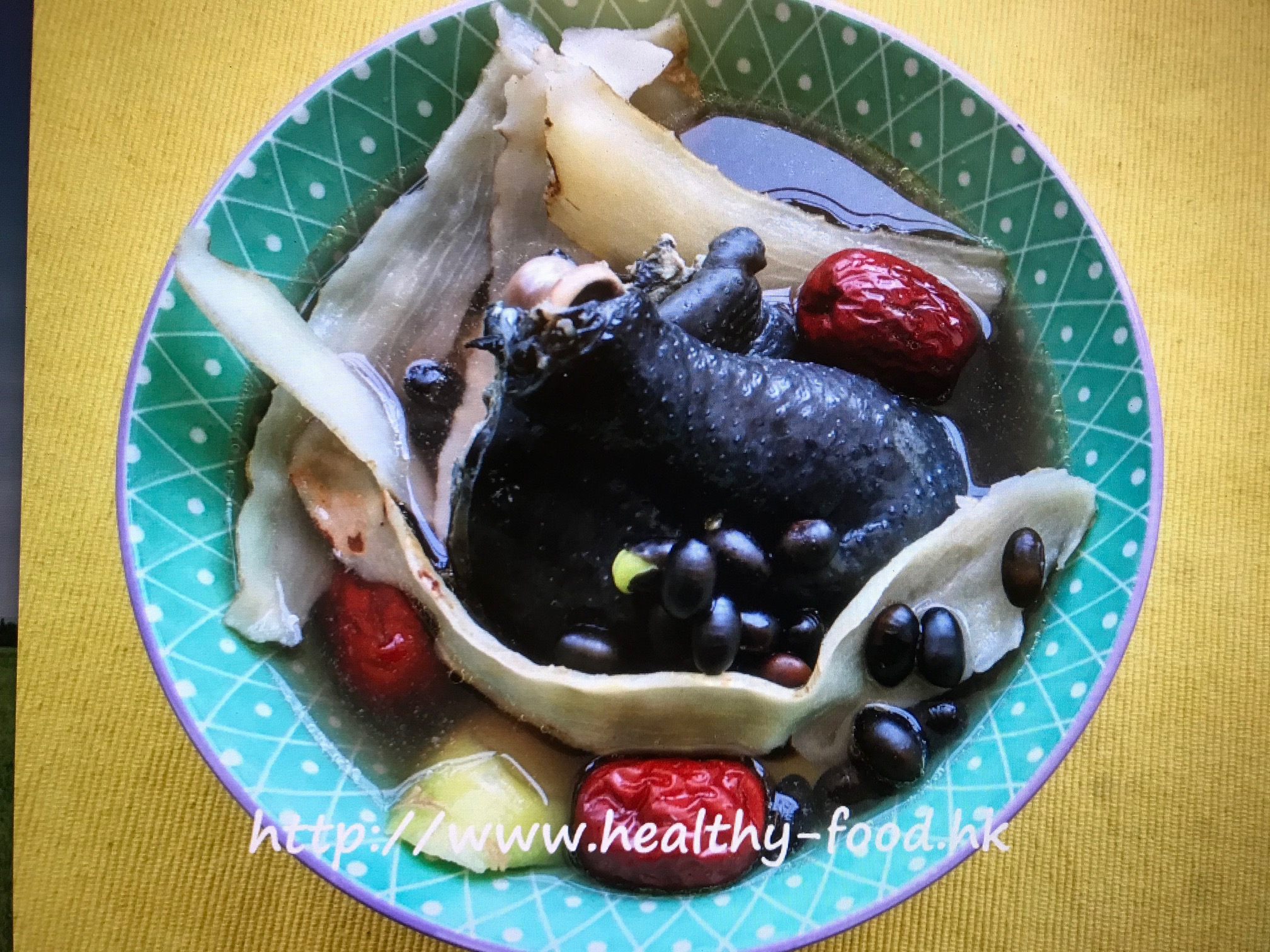
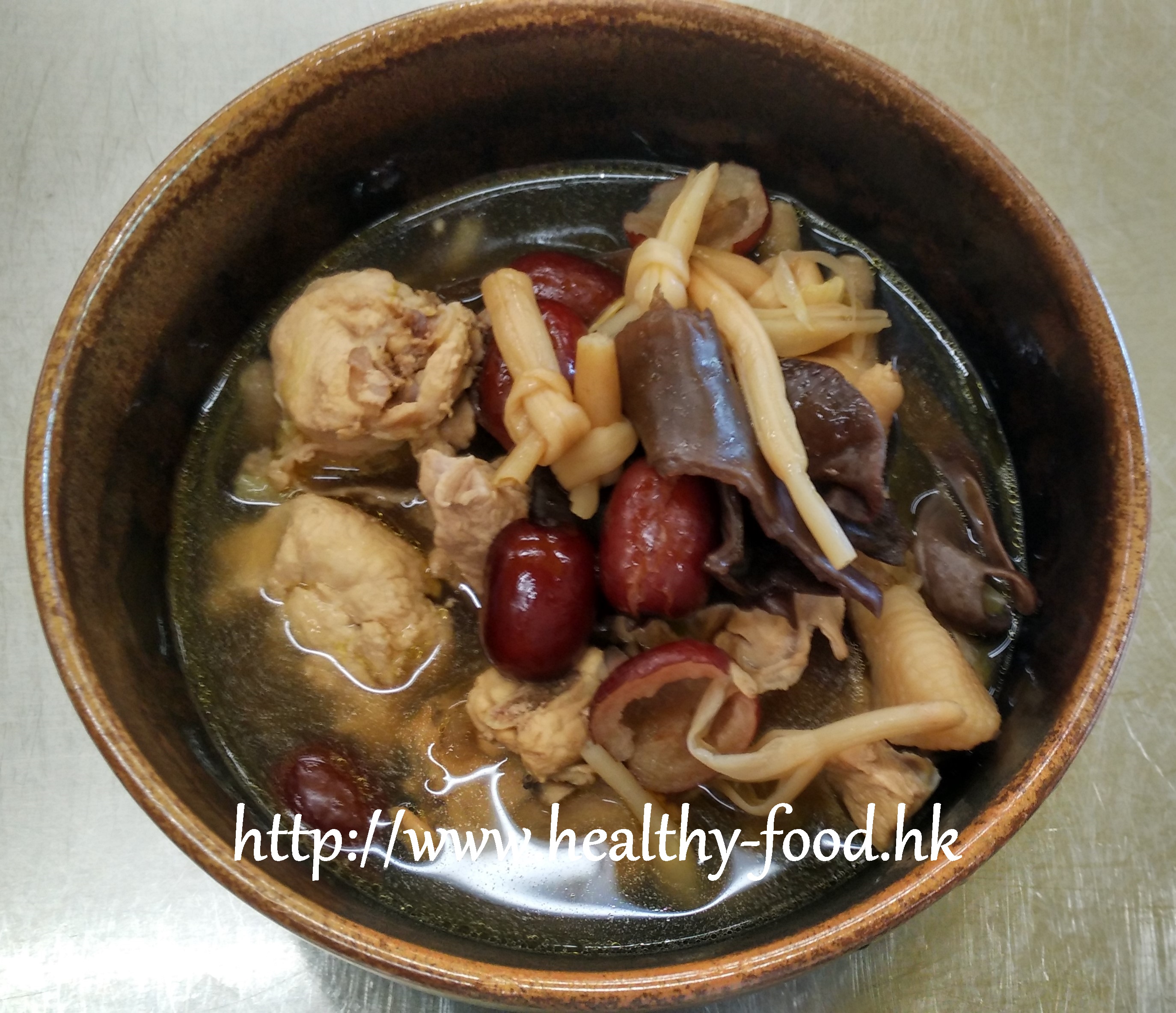
Shiitake, Sea Cucumber and Silkie Chicken Soup
traditionally used to nourish yin, support blood health, and benefit those with cardiovascular risk factors
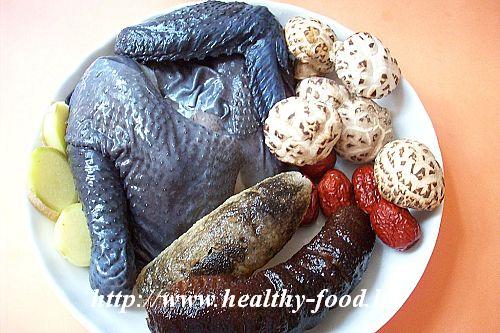
Why people make this soup
Stroke sits at the serious end of a spectrum that often begins with high blood pressure, elevated cholesterol, and blood that flows less freely than it should. In Chinese food-therapy tradition, the advice for supporting cardiovascular health has long centred on eating lightly — low in salt, low in sugar — and including foods that nourish yin and keep the blood fluid. Mushrooms have a strong reputation in Chinese wellness culture for supporting healthy blood lipids, and iodine-rich seafoods like sea cucumber and sea kelp are traditionally believed to discourage calcium from depositing in artery walls. This soup brings shiitake mushrooms and sea cucumber together with silkie chicken — a variety prized for its particularly yin-nourishing qualities — to make a richly flavoured, deeply nourishing broth for those who are physically weak or managing cardiovascular risk.
Who it suits / who should be cautious
- Older adults or those recovering from illness with general weakness, fatigue, or poor appetite
- People with high blood pressure or diabetes (sea cucumber contains no cholesterol); suitable as a regular wellness soup
- Those with gout should avoid shiitake mushrooms, as mushrooms are relatively high in purines, whose breakdown product is uric acid
- Not suitable when you have a current cold, fever, or acute illness; wait until fully recovered before taking tonifying soups
Why these ingredients (the food-therapy logic)
- Shiitake mushrooms (xiang gu): Rich in polysaccharides and traditionally associated with supporting immune function and helping to moderate blood lipids; widely researched for their beta-glucan content
- Sea cucumber (hai shen): Contains no cholesterol; its gelatin-like collagen is traditionally associated with boosting immune function and nourishing the skin; suited to people with high blood pressure or diabetes
- Silkie chicken (zhu si ji): A traditional Chinese medicinal food; darker in colour due to melanin; considered more strongly yin-nourishing than standard chicken in food-therapy tradition
- Red dates (hong zao): A gentle qi and blood tonic, adding natural sweetness and complementary nourishment
- Ginger: Helps balance the cooling nature of sea cucumber and supports digestive comfort
Ingredients (3–4 bowls)
| Ingredient | Amount | Notes |
|---|---|---|
| Dried shiitake mushrooms | 6 pieces | Soak to rehydrate; remove tough stems |
| Rehydrated sea cucumber | 1–2 pieces | Blanch briefly before use; see tips below on choosing quality |
| Silkie chicken | Half a bird | Cut into large pieces; blanch first |
| Red dates | 6 pieces | Rinse |
| Fresh ginger | 2 slices | |
| Water | Enough to cover ingredients | Cook for 2 hours |
Method
- Soak the dried shiitake mushrooms in water until soft; remove and discard the stems, reserving the soaking water if it is clean.
- Blanch the rehydrated sea cucumber in boiling water briefly; drain and rinse.
- Cut the silkie chicken into large pieces and blanch in boiling water to remove impurities; drain and rinse.
- Place all ingredients into a pot with enough water to cover generously.
- Bring to a boil over high heat, then reduce to a medium-low simmer for approximately 2 hours.
- Serve warm. This soup is suitable for those with high blood pressure or diabetes.
Bro Niu’s tips
When buying pre-rehydrated sea cucumber, quality is worth checking. A simple test: good-quality naturally prepared sea cucumber will shrink a little — maybe 20% — after it is blanched in boiling water. If the sea cucumber stays exactly the same size after blanching, it has likely been expanded with harsh chemical agents that can irritate the stomach lining. Such sea cucumber will also lack the characteristic pleasant aroma of real sea cucumber, and will dissolve if cooked too long rather than holding its shape. If you cannot find sea cucumber or prefer a variation, fresh burdock root (4 liang) makes a useful substitute and is itself associated with stroke prevention in Chinese food-therapy. If you wish to make this without the chicken, shiitake and sea cucumber alone in broth is also perfectly suitable.
Community questions answered (selected)
-
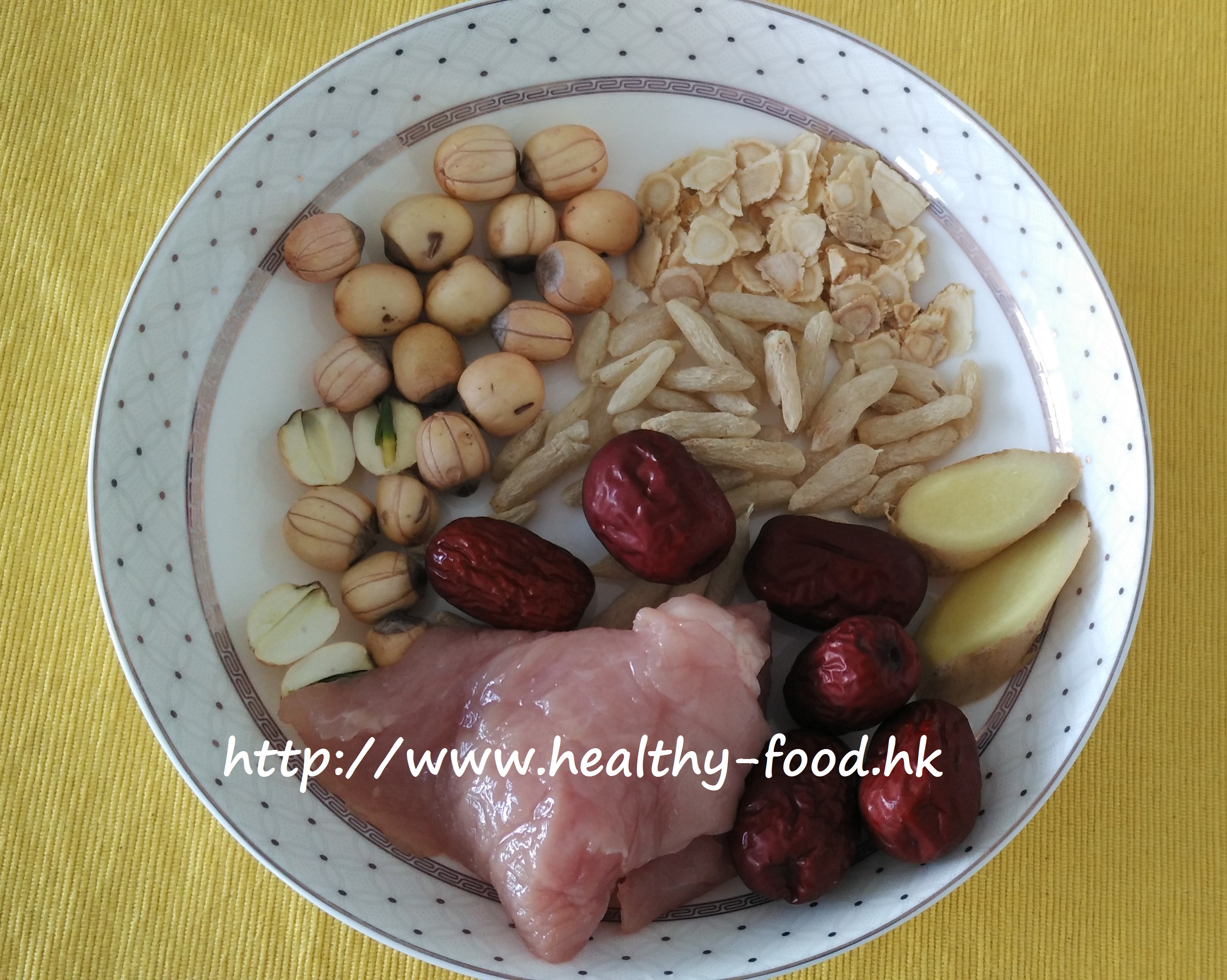
Q (pm4yan): My elderly parent had an ischaemic stroke. Can they drink this soup? What else is suitable? Bro Niu: This soup is suitable for ischaemic stroke. You can also make a soup with codonopsis root (3 qian), Chinese yam (1 liang), longan flesh (3 qian), and red dates (6 pieces) simmered with lean pork — this gently supports qi and blood, which is appropriate for stroke recovery.
-
Q (reader): Can I make this soup without meat — just shiitake and sea cucumber? Bro Niu: Yes, absolutely — you can leave out the meat and use only shiitake mushrooms, with or without sea cucumber.
-
Q (reader): Can gout patients eat shiitake mushrooms? Bro Niu: Mushrooms contain purines, and uric acid is a byproduct of purine metabolism, so people with gout should avoid mushrooms.
Published March 5, 2010 · Adapted and translated for Nourilo from a traditional home-kitchen recipe. Approx. 4 min read.