Home-Style Dishes
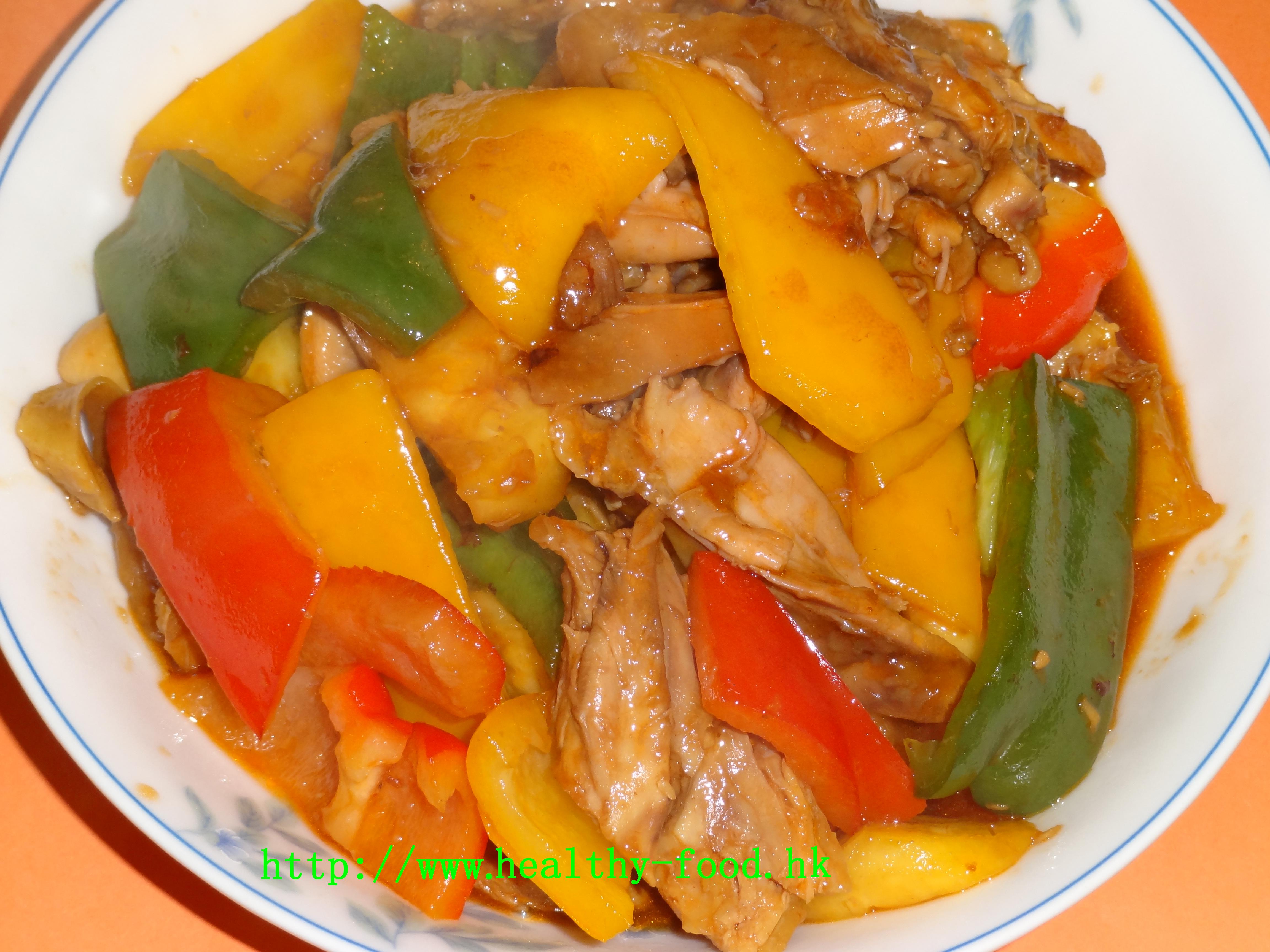
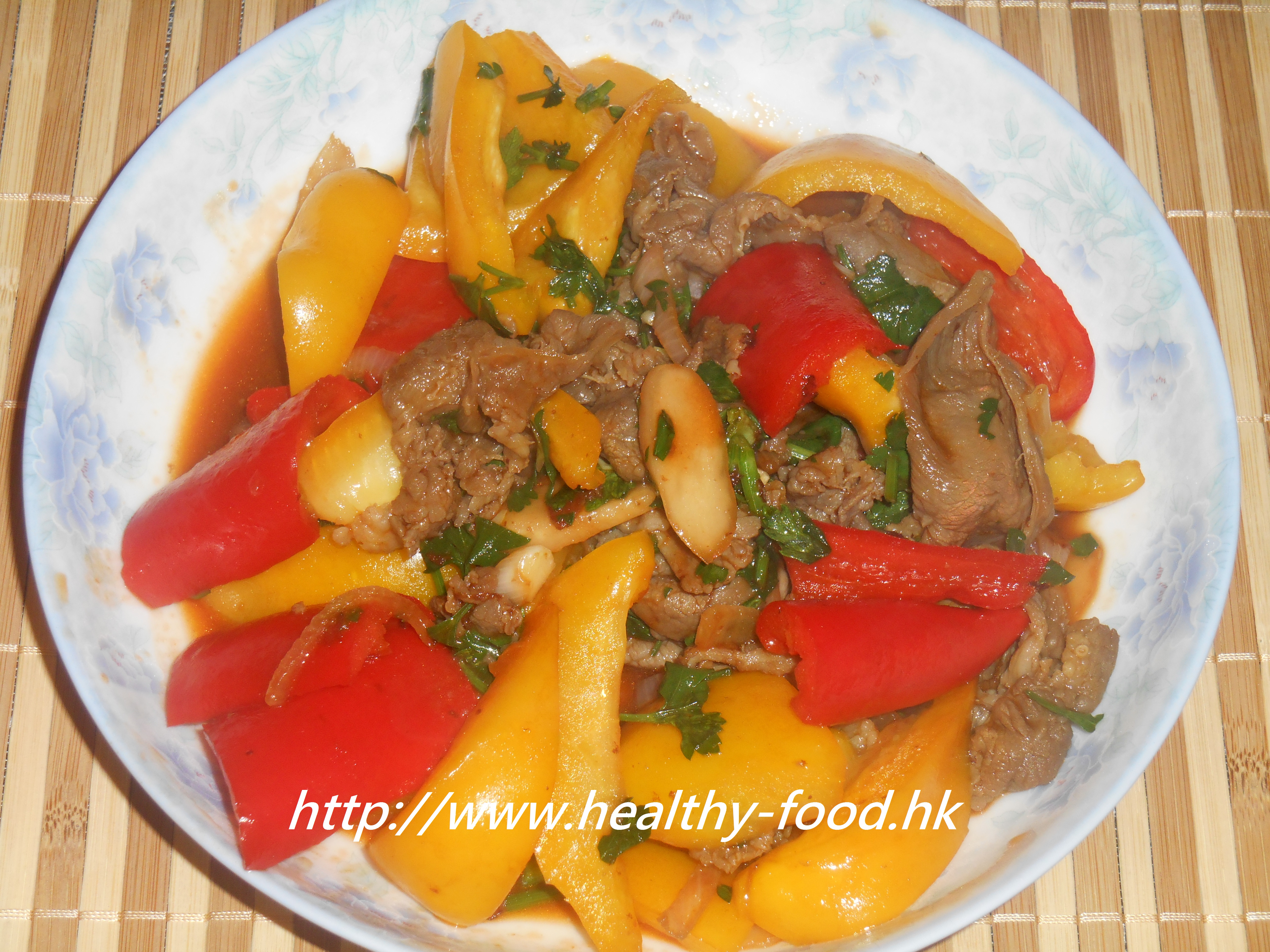
Stir-Fried Lamb Slices with Bell Peppers
traditionally associated with warming the body and supporting digestion in cold weather
Why people make this dish
There is an old saying in Chinese food culture: “Eat lamb in winter and it rivals ginseng; eat it spring, summer or autumn and it still strengthens the body.” Lamb has long been valued in food therapy for its warming, nourishing nature — thought to support the stomach, benefit kidney energy and nourish the blood. It is a natural fit for cold weather.
Bro Niu’s practical take: whole fresh lamb is expensive and not always easy to prepare. A bag of frozen Mongolian lamb slices from the supermarket — the kind sold for hot pot — works beautifully in a quick stir-fry. Paired with red and yellow bell peppers for colour and sweetness, plus a good handful of chopped parsley to balance the richness, this dish comes together in minutes and tastes genuinely satisfying on a cold evening.
Who it suits / who should be cautious
- Suitable for most adults and children — warming and easy to eat
- Particularly well suited to those who feel cold easily, have a cold-type constitution, or want a quick winter pick-me-up
- People with an active fever, cold or flu should avoid lamb until symptoms have passed, as its warming nature may aggravate heat-type conditions
- Those with a hot constitution or who run warm naturally may want to eat this in moderation
Why these ingredients (the food-therapy logic)
- Lamb (yang rou): The classic warming meat in Chinese food therapy; traditionally associated with warming the middle burner, strengthening kidney qi and nourishing the blood
- Bell peppers (tian jiao): Rich in vitamin C; their natural sweetness and colour brighten the dish and add nutritional balance
- Flat-leaf parsley (ou qin): Beyond reducing the gamey smell of lamb, parsley is traditionally associated with promoting circulation and supporting the kidneys; it can be added to almost any meat dish as a finishing herb
- Garlic (da suan): Stimulates the appetite and complements the warming nature of lamb
- Rice wine (mi jiu): A marinade and cooking staple that helps tenderise the meat and lift any lingering gamey notes
Ingredients (2–3 servings)
| Ingredient | Amount | Notes |
|---|---|---|
| Frozen lamb slices | approx. 225 g | Thaw fully before marinating |
| Red bell pepper | half a pepper | Deseeded, cut into bite-sized chunks |
| Yellow bell pepper | half a pepper | Deseeded, cut into bite-sized chunks |
| Garlic, minced | to taste | About 3–4 cloves |
| Flat-leaf parsley, chopped | a generous handful | Added at the very end |
| Light soy sauce | a splash | For marinade |
| Ground white pepper | a pinch | For marinade |
| Rice wine | a splash | For marinade and cooking |
| Cornstarch | a small amount | For marinade, to tenderise |
| Cooking oil | small amount | For stir-frying |
| Salt or soy sauce | to taste | Final seasoning |
Method
- Thaw the lamb slices fully. Mix with soy sauce, ground white pepper, rice wine and a little cornstarch; toss to coat and leave to marinate for about 30 minutes.
- Rinse the bell peppers, remove seeds and cut into chunks.
- Heat a wok or wide pan over high heat with a little oil. Add the minced garlic and fry until fragrant.
- Add the marinated lamb slices and stir-fry until just cooked through and lightly coloured.
- Add the bell pepper chunks and toss everything together over high heat for a minute or two.
- Splash in a little more rice wine, then season with salt or soy sauce to taste.
- Scatter the chopped parsley over the top, give a final toss, and serve immediately.
Bro Niu’s tips
- Parsley is the unsung hero here: it cuts the gamy smell of lamb, brightens the flavour, and can be added to virtually any meat dish. Do not skip it.
- Frozen Mongolian lamb slices from a large supermarket are a convenient and affordable option; they are the same cut used for hot pot and stir-fry equally well.
- Lamb is warming by nature. For most people this is exactly the point in cold weather, but those who are currently running a fever or feeling feverish should wait until they are fully recovered before eating this dish.
Community questions answered (selected)
- Q (may): Is there a food-therapy tea or drink to help after eating too much rich food over the New Year holidays? Bro Niu: You can brew a tea with hawthorn berries (shan zha), chrysanthemum flowers (ju hua) and cassia seeds (jue ming zi), one tablespoon each. Toast the cassia seeds first to bring out the flavour. This combination is traditionally associated with supporting digestion and helping clear away oily food.
Published January 24, 2016 · Adapted and translated for Nourilo from a traditional home-kitchen recipe. Approx. 4 min read.