Soups
Glehnia, Ophiopogon, Dendrobium and Conch Soup
traditionally used to nourish lung and stomach yin, reduce internal heat, calm the mind, and support those managing hyperthyroidism symptoms
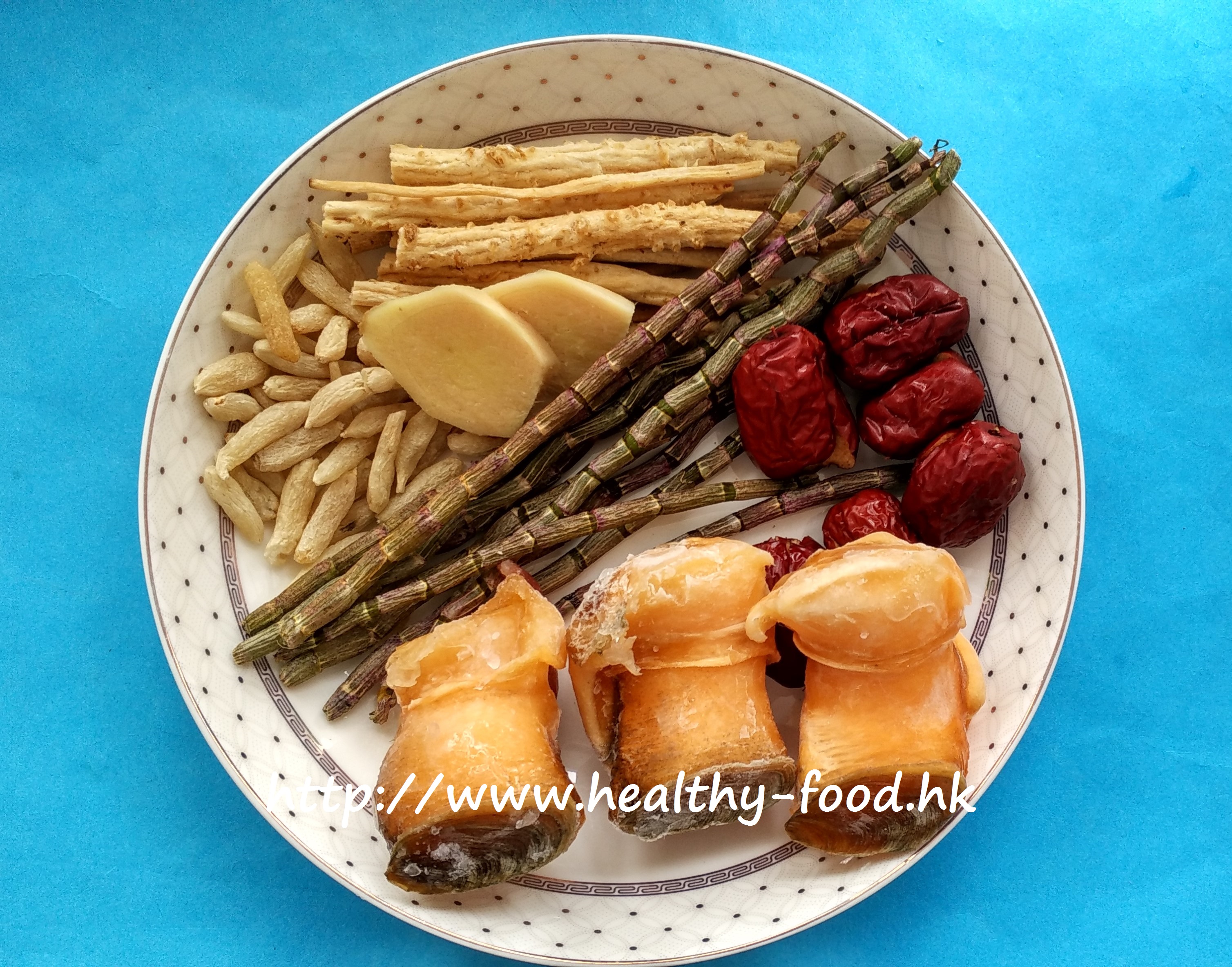
Why people make this soup
Hyperthyroidism (overactive thyroid) tends to present, in Chinese medicine terms, as a pattern of yin deficiency with excess fire: the body feels too warm, the mind is restless, sweating is excessive, the throat and mouth feel dry, appetite may be unusually large while weight drops, and the heartbeat may feel rapid or irregular. These are uncomfortable symptoms to live with, and managing them through diet — alongside prescribed medical treatment — is a sensible approach.
Bro Niu bought two packets of frozen American conch over the New Year period and noted how excellent conch is for people in this kind of yin-deficient, heat-excess state. Conch is considered deeply nourishing to yin and highly restorative of physical energy. Paired with three herbs that specifically address lung and stomach yin deficiency — glehnia root, ophiopogon, and dendrobium — this soup is particularly suited to hyperthyroid patients who experience heat intolerance, dry throat, constipation, and mental restlessness. The gentle sweetness of red dates and ginger rounds out the flavour.
Who it suits / who should be cautious
- Best suited to those with yin deficiency and excess internal heat: heat intolerance, excessive sweating, dry mouth and throat, constipation, rapid heartbeat, restlessness — patterns commonly seen in hyperthyroidism
- Also beneficial for those who stay up late regularly, have poor sleep, or are recovering from illness that depleted their body fluids
- Those with spleen deficiency and loose or watery stools should avoid this soup, as the cooling yin-nourishing herbs may worsen digestive weakness
- This soup is a dietary support measure; please continue your prescribed medical treatment and consult your doctor for any changes
Why these ingredients (the food-therapy logic)
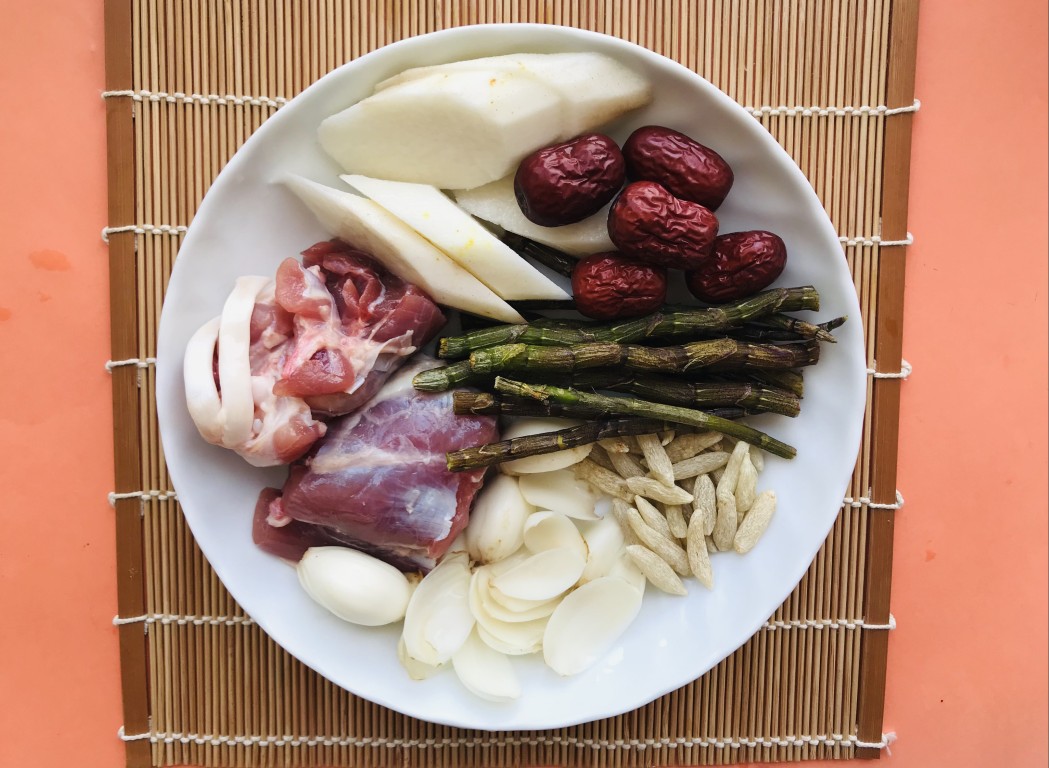
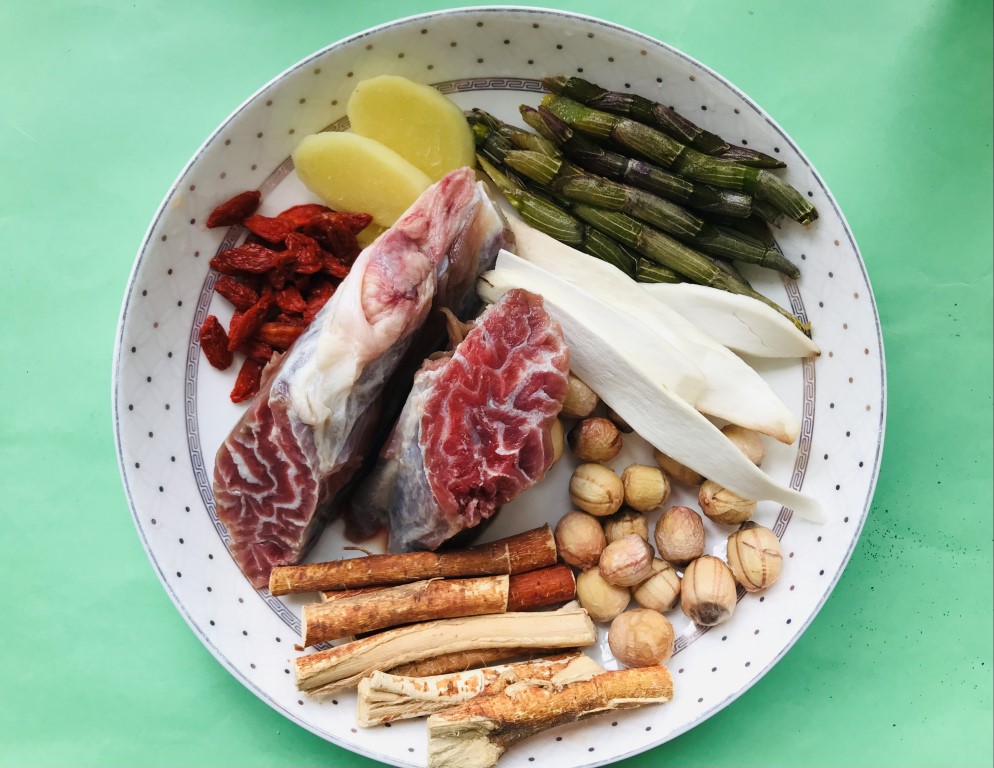
- North glehnia root (bei sha shen, 北沙参 / Glehnia littoralis): Slender, firm, and mildly fragrant; considered by Chinese herbalists to nourish lung yin and stomach yin, generate body fluids, and relieve dryness. The northern variety (bei sha shen) is generally preferred for its stronger and cleaner effect compared to the southern variety
- Ophiopogon root (mai dong, 麦冬 / Ophiopogon japonicus): A classic yin-nourishing and heat-clearing herb for the lungs and stomach; associated with moistening dryness, calming the heart, and relieving insomnia and palpitations arising from yin deficiency
- Dendrobium stem (shi hu, 石斛 / Dendrobium officinale): Considered one of the finest herbs for nourishing stomach yin and generating fluids; also associated with supporting the eyes and kidneys, reducing fever from deficiency, and improving overall vitality
- Conch (xiang luo, 响螺): In Chinese food therapy, conch is associated with deeply nourishing yin, restoring physical energy, and calming restlessness; particularly valued for yin-deficient heat conditions
- Red jujube dates (hong zao, 红枣): Tonify the spleen, calm the mind, and harmonise the other ingredients in the soup
Ingredients (3–4 bowls)
| Ingredient | Amount | Notes |
|---|---|---|
| North glehnia root | 37 g (1 liang) | Soak and rinse; the northern variety (white, slender root pieces) is preferred |
| Ophiopogon root | 18 g (5 qian) | Soak and rinse |
| Fresh dendrobium stem | 37 g (1 liang) | Wash and cut into sections; or use 9 g dried dendrobium |
| Fresh ginger | 2 slices | |
| Red jujube dates | 8 pieces | Remove pits |
| Frozen conch | 3–4 pieces | Thaw fully; blanch briefly in boiling water before use |
Method
- Thaw the frozen conch completely. Blanch briefly in boiling water to remove any impurities; drain and set aside.
- Pit the red jujube dates.
- Wash the fresh dendrobium and cut into sections (if using dried dendrobium, soak briefly first).
- Soak and rinse the glehnia root and ophiopogon.
- Place all ingredients into a pot with 7 bowls of water (approximately 1.4 litres).
- Bring to a boil over high heat, then reduce to a medium-low simmer and cook for about 1.5 hours.
- Drink the soup warm. The soup ingredients, especially the dates, can also be eaten.
Bro Niu’s tips
When choosing glehnia root (sha shen), look for the northern variety: white-coloured, with long slender firm roots and a fresh, mild aroma. The northern variety (bei sha shen) is considered more effective than the southern variety (nan sha shen). Dried conch may also be used in place of frozen conch — American-origin dried conch gives the best flavour; dried conch heads are also acceptable, though the taste is slightly less rich.
Community questions answered (selected)
-
Q (Ling): Can dried conch slices or conch heads be used instead of frozen conch, and is the effect the same? Bro Niu: American dried conch gives the best results; conch heads work too, though the effect is slightly less. Both are suitable.
-
Q (field question — about hyperthyroidism diet): Can hyperthyroid patients eat white radish or green radish? Bro Niu: White and green radish can suppress thyroid hormone production, so those with hypothyroidism (underactive thyroid) should limit them. For hyperthyroid patients, consuming these is generally not a problem.
-
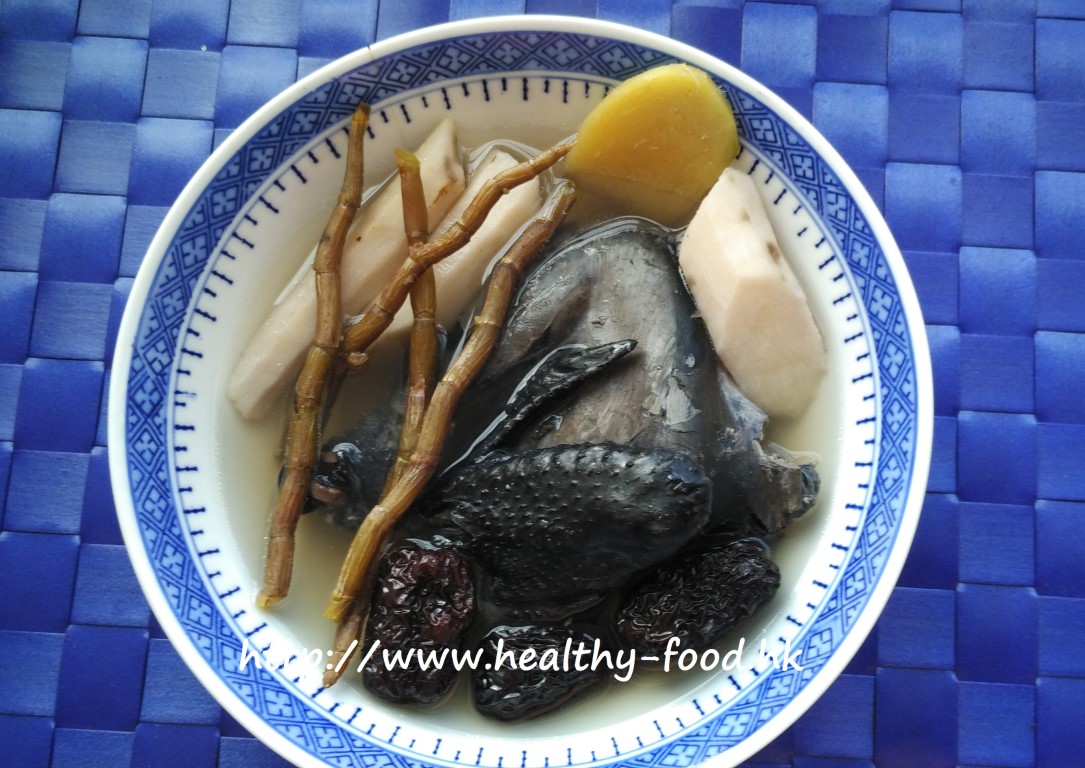
Q (田): Can this soup be made with dried dendrobium and Southern dates instead of fresh dendrobium and red dates? Bro Niu: Dried dendrobium works fine; Southern dates (nan zao) are also suitable. You can add other ingredients such as black chicken, Chinese yam, jade bamboo, and tangerine peel — these are all compatible and fine for hyperthyroid patients.
Published February 20, 2018 · Adapted and translated for Nourilo from a traditional home-kitchen recipe. Approx. 4 min read.