Herbal & Flower Teas
Roasted Black Bean, Black Mulberry & Licorice Tea
Traditionally associated with nourishing yin and blood and supporting detoxification
Why people make this tea
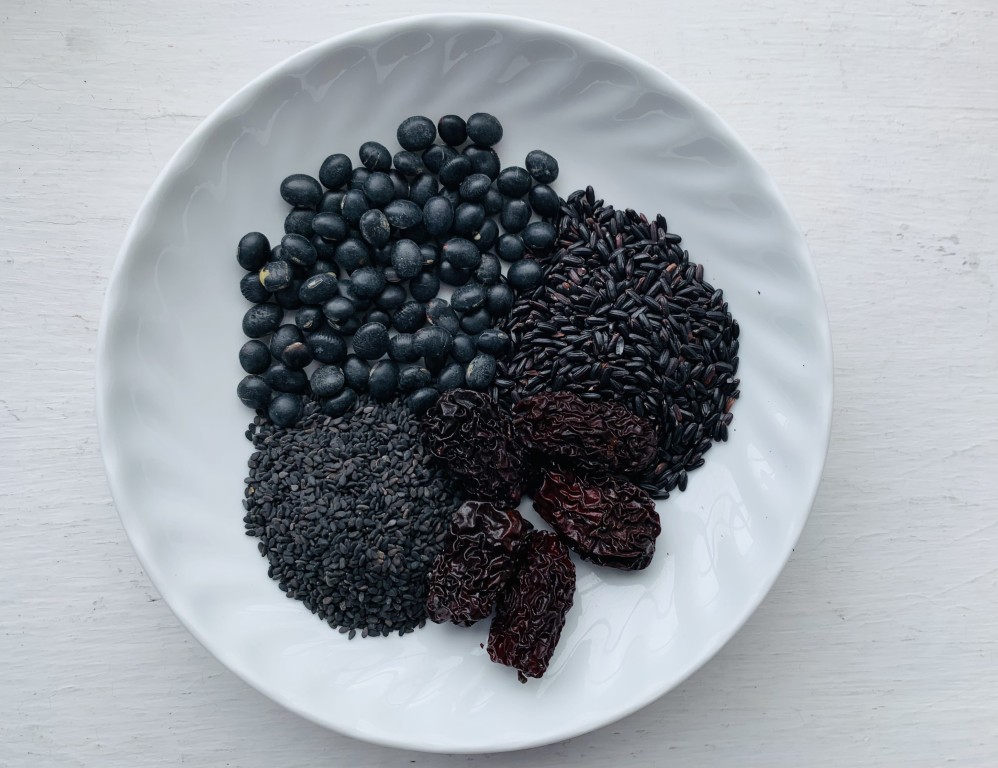
Autumn and winter are seasons for nourishing the kidneys and eating more black foods. Green-kernel black soybeans are traditionally associated with nourishing the spleen, kidneys, and liver — nourishing yin and the kidneys, easing damp, and supporting the body’s blood-building, with antioxidant and anti-inflammatory qualities that lend a traditional “detoxifying” reputation. Bro Niu has previously shared black bean with licorice water to ease the effects of medicines; here he roasts the black beans and adds licorice and black mulberries for a tea traditionally favoured to nourish yin and blood, support hair and complexion, and ease fatigue.
Who it suits / who should be cautious
- People wanting a gentle, nourishing everyday tea; also traditionally favoured by those who take a lot of medicine. Naturally fragrant — the whole family, young and old, can drink it, and it is traditionally said to support fading eyesight.
- Not suitable for people with kidney disease, as it may add to the kidneys’ burden.
Why these ingredients (the food-therapy logic)
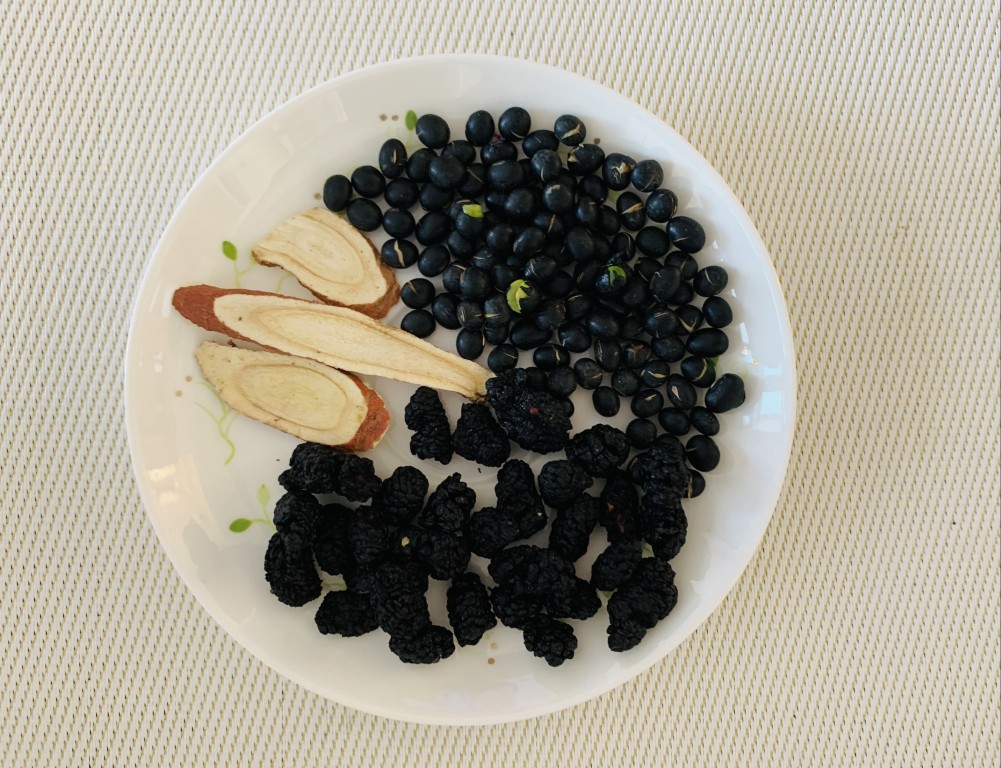
- Roasted black soybeans (chao hei dou): Traditionally associated with nourishing yin and the kidneys, easing damp, and supporting blood-building; rich in antioxidants.
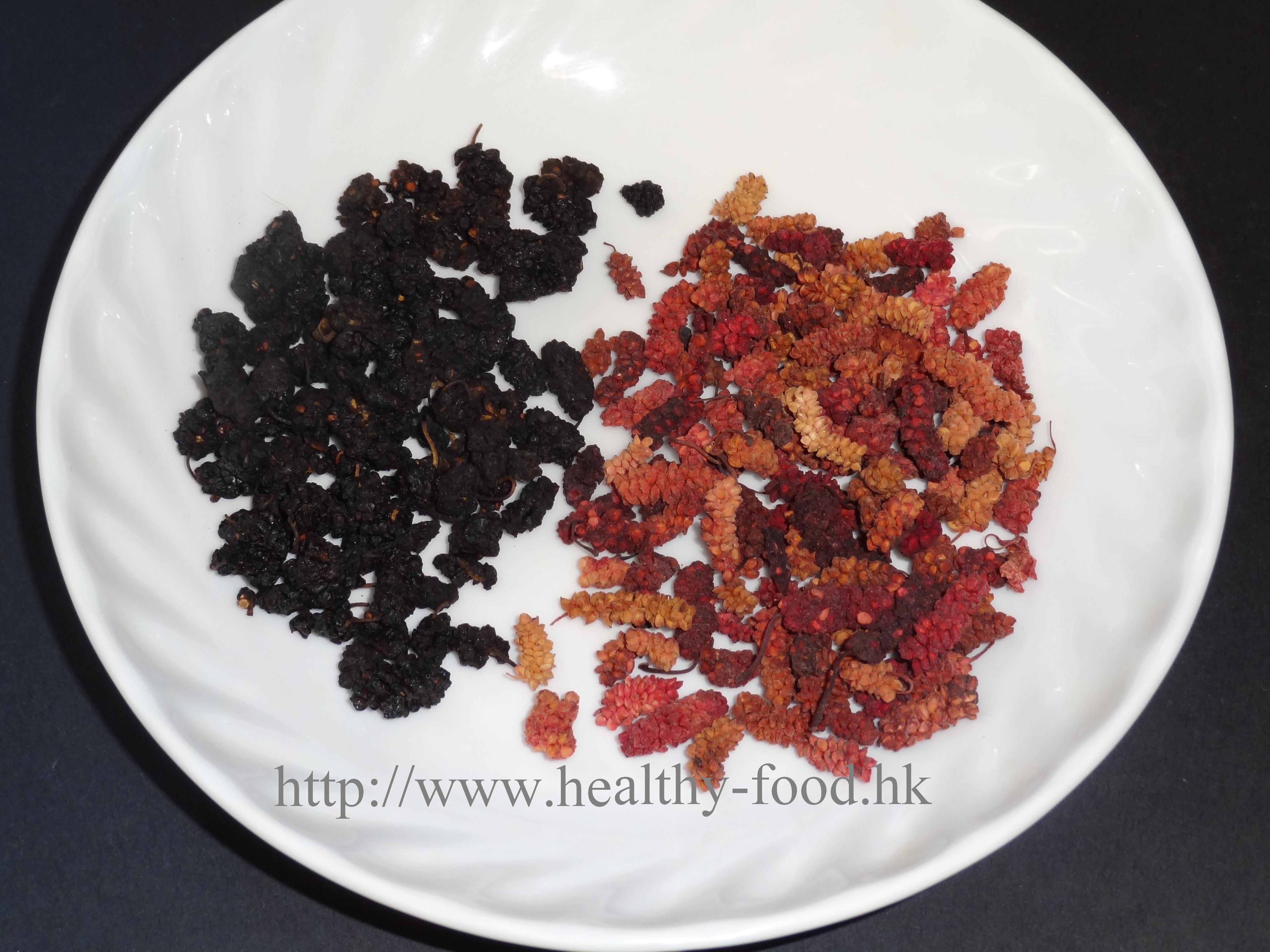
- Black mulberries (hei sang shen): Traditionally associated with nourishing the blood and supporting hair and complexion.
- Licorice (gan cao): A harmonising herb traditionally used to help ease the effects of medicines.
Ingredients (1 pot)
| Ingredient | Amount | Notes |
|---|---|---|
| Roasted black soybeans | 1 tael (~38 g) | Pre-roasted (see tips) |
| Black mulberries | 1 tael (~38 g) | |
| Licorice | 3 slices |
Method
- Place the roasted black beans, mulberries, and licorice in a teapot.
- Rinse once with boiling water.
- Pour in fresh boiling water and cover.
- Steep 10 minutes. Re-steep several times.
Bro Niu’s tips
Black beans must be fully cooked before use — either roasted or boiled. To roast: rinse green-kernel black beans, drain, and dry-pan-roast over low heat about 12 minutes until the skins split; cool, then store for later use. This tea is fragrant, the whole family young and old can drink it, and it is traditionally said to support eyesight — but those with kidney disease should not drink it, as it may add to the kidneys’ burden.
Community questions answered (selected)
- Q (Cony): You said this soup helps eyesight — a family member has “eye stroke” in one eye (and had brain surgery; the doctor said it may relate to blood vessels). What soup can help? Bro Niu: Your family member may drink this tea. You can also use xia ku cao 5 mace, chrysanthemum 3 mace, and goji 3 mace in 5 bowls of water cooked to 2 bowls — add the chrysanthemum and goji near the end and cook only 5 minutes — to help clear liver heat and brighten the eyes; 2–3 doses a week.
- Q (Nana): A roughly 12-year-old girl after a cold has a pale face and lips and occasional dizziness — can she drink this soup? Bro Niu: She can drink this tea. Also use Chinese yam, goji, red dates, and longan in suitable amounts with lean pork soup, to help support the spleen and nourish qi and blood.
- Q (A): My 70-something mother is about to have a gastroscopy — what soup or tea can I make before and after? Bro Niu: Use 3 monkey-head mushrooms, Chinese yam 1 tael, goji 3 mace, and red dates 5 with lean pork soup, to help support the spleen and stomach and strengthen the constitution. This soup is also fine after the gastroscopy.
Published October 26, 2025 · Adapted and translated for Nourilo from a traditional home-kitchen recipe. Approx. 3 min read.