Home-Style Dishes
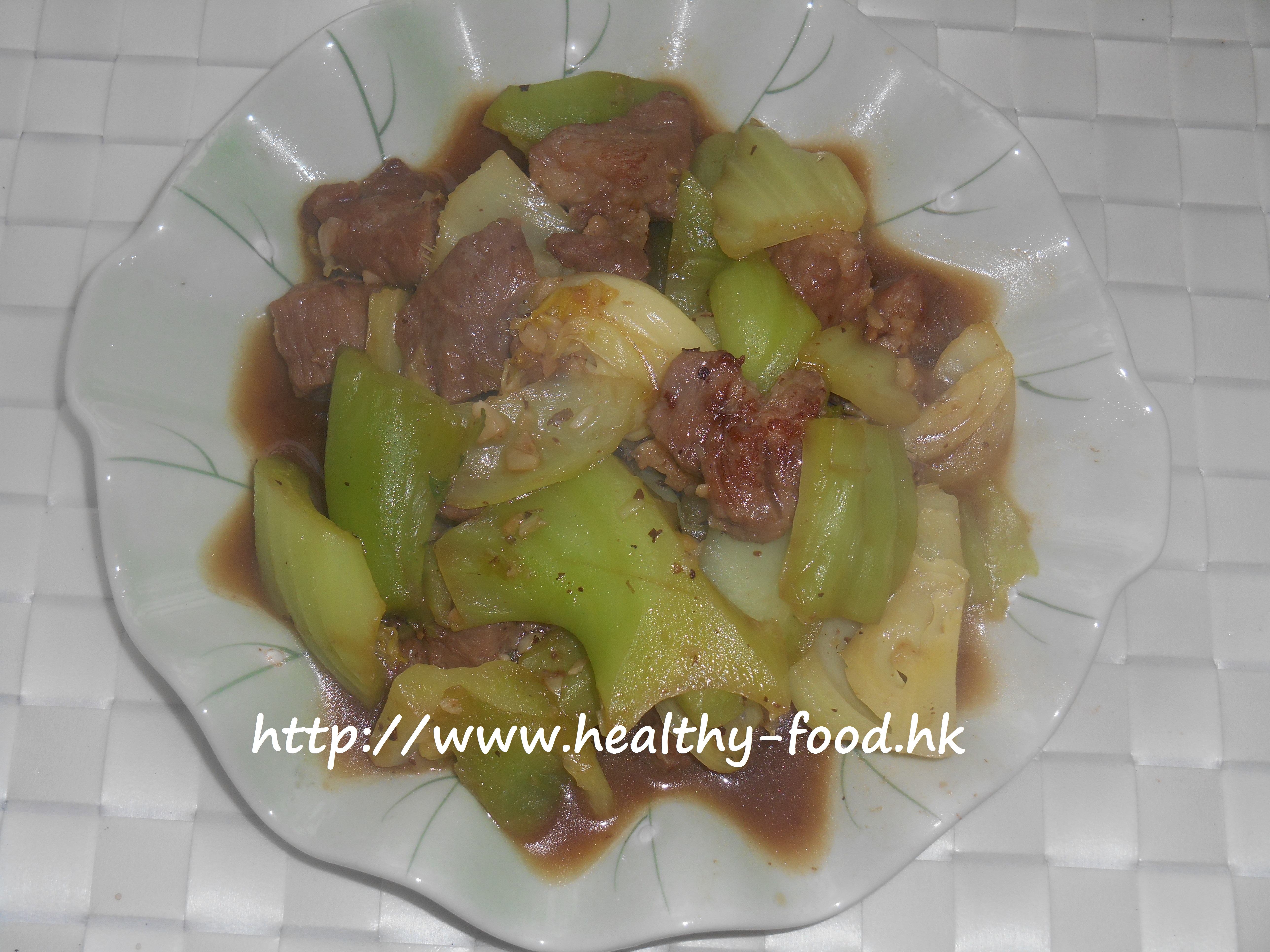
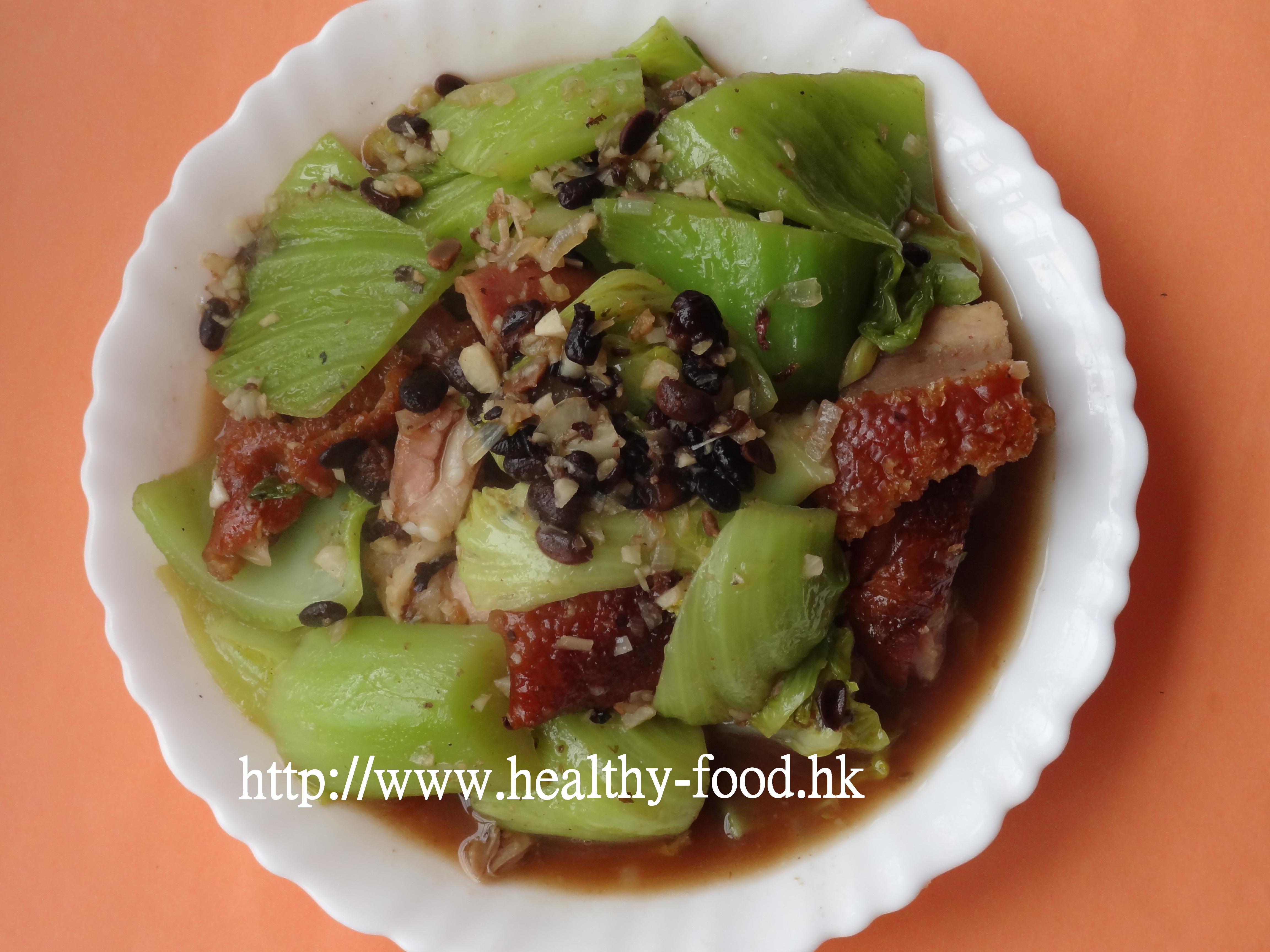
Braised Mustard Greens with Roast Pork, Garlic and Fermented Black Beans
traditionally associated with warming the middle burner, stimulating appetite, and clearing phlegm
Why people make this dish
When winter arrives in Hong Kong, large-leafed mustard greens appear at the markets and Cantonese home cooks know exactly what to do with them. Bro Niu picked up a head of the dense, round-hearted variety (quite heavy — a good head can weigh over a kilogram), stopped at the roast meat shop for some roast pork belly, and came home to make this deeply savoury braise. The fermented black beans and garlic infuse the braising liquid, the roast pork belly renders down into the cabbage, and the whole dish comes together in about 15 minutes of actual cooking. It is the sort of dish that makes you eat more rice.
Who it suits / who should be cautious
- A family-friendly everyday dish suitable for most people
- Particularly good for those with a cold, sluggish digestive system or poor appetite in winter
- Use in moderation for those with excess internal heat, tendency toward mouth sores, or heat-pattern cough
- Avoid if you have haemorrhoids, rectal bleeding, or active eye conditions — mustard greens are warming and may aggravate these
- Pregnant women can eat this dish; those with yin-deficient rising-fire constitution should moderate their intake
Why these ingredients (the food-therapy logic)
- Mustard greens (jie cai): Warming in nature (despite what some modern food guides say — Bro Niu notes the herb classic Ming Yi Bie Lu describes it as warm, pungent, and non-toxic); traditionally used to warm the middle burner, move stagnant qi, stimulate appetite, and help the lungs expel phlegm
- Roast pork belly (shao rou / huo nai): Adds richness and flavour; the rendered fat from the roasting process melts into the greens during braising, enriching the dish
- Garlic (suan rong): Strongly aromatic and warming; promotes circulation, kills harmful bacteria, and gives this dish its characteristic punch
- Fermented black beans (dou chi): An umami-rich seasoning with a long history in Cantonese cooking; adds depth of flavour and works harmoniously with garlic to stimulate digestion
Ingredients (2–3 servings)
| Ingredient | Amount | Notes |
|---|---|---|
| Large-leaf mustard greens (da jie cai) | 1 whole head (~600–800 g) | Wash well and cut into chunky pieces |
| Cantonese roast pork belly (huo nai) | ~225 g (6 liang) | Available from roast meat shops; cut into bite-sized pieces |
| Garlic, minced | 1 tablespoon | |
| Fermented black beans (dou chi) | 1 tablespoon | Rinse lightly |
| Cooking oil | a drizzle | For stir-frying |
| Light soy sauce and seasonings | to taste | |
| Water | a small splash | For braising |
Method
- Wash the mustard greens thoroughly and cut into large chunks.
- Heat oil in a wok over medium-high heat. Add the minced garlic and fermented black beans; stir-fry until fragrant.
- Add the roast pork belly pieces and stir-fry briefly until slightly browned and fragrant.
- Add the mustard greens and toss everything together in the wok.
- Season with light soy sauce and any preferred seasonings.
- Add a small splash of water, cover, and braise over medium heat for about 15 minutes until the greens are tender and have absorbed the flavours.
- Serve immediately with steamed rice.
Bro Niu’s tips
Mustard greens have a long history as a versatile vegetable — the same species yields many familiar preserved ingredients, from zha cai (Sichuan pickled mustard tuber) to snow vegetables (xue cai) to sour preserved mustard (xian suan cai). The large, dense, heart-forming variety used here is particularly thick and heavy — a good head is quite substantial. Mustard greens are warming in nature, so those who tend toward internal heat or have active heat-pattern conditions should eat this dish in moderation. Pregnant women may eat mustard greens, but those with a yin-deficient, fire-prone constitution should be cautious.
Community questions answered (selected)
-
Q (Sy): Can pregnant women eat this mustard greens dish? Bro Niu: Mustard greens are fine for pregnant women to eat. However, those who are prone to internal heat (yin-deficient fire-excess constitution) should eat less of it, as mustard greens have a warming, pungent nature and may aggravate internal heat.
-
Q (reader, 燕): Many people say mustard greens are cold and can clear heat toxins — why is that different from what you say? Bro Niu: Mustard greens come in countless varieties — the number of varieties is arguably the largest of any vegetable in the world. Some are pickled into zha cai, some into snow vegetables, some into sour preserved mustard. The classical herbal text Ming Yi Bie Lu recorded them as warm, pungent, non-toxic, useful for warming the middle burner, moving qi, and clearing cold phlegm. Modern food books sometimes describe them as cooling. The truth is that the classification is not unified. Given the pungency of mustard seeds, the warm description seems more accurate.
Published January 14, 2013 · Adapted and translated for Nourilo from a traditional home-kitchen recipe. Approx. 4 min read.