Soups
Reed Root, Mint, Bamboo Leaf and Barley Tea
Traditionally used to clear residual heat and support recovery from chickenpox
Why people make this tea
Chickenpox tends to peak in cooler weather — and when a child has passed the acute phase and the main rash is fading, there is often a lingering period of mild restlessness: residual warmth in the body, some itching, reduced appetite, and just a general sense that the system has been through something and is still winding down. This is the window where Bro Niu recommends this tea. It is not a treatment for active chickenpox; it is a gentle, cleansing support for the days after the main illness, when the body is clearing out leftover heat and toxins.
Traditional Chinese medicine distinguishes between two types of chickenpox presentation: a milder “wind-heat with dampness” type where the rash is lighter and spread out, and a more intense “damp-heat blazing” type with dense rash, high persistent fever, restlessness and dark-coloured urine. This tea is suited to the milder type and the recovery period. The intense type needs a doctor.
Who it suits / who should be cautious
- Children and adults in the post-chickenpox recovery period: rash largely resolved, some residual mild warmth or low-grade fever
- Also noted by Bro Niu as appropriate for adults with shingles (which shares the same herpes-zoster virus): as a gentle supportive drink alongside medical treatment
- Not suitable as the primary treatment for active, severe chickenpox with high fever or very dense rash — see a doctor
- Safe for children of various ages; for very young infants, consult a paediatrician first
Why these ingredients (the food-therapy logic)
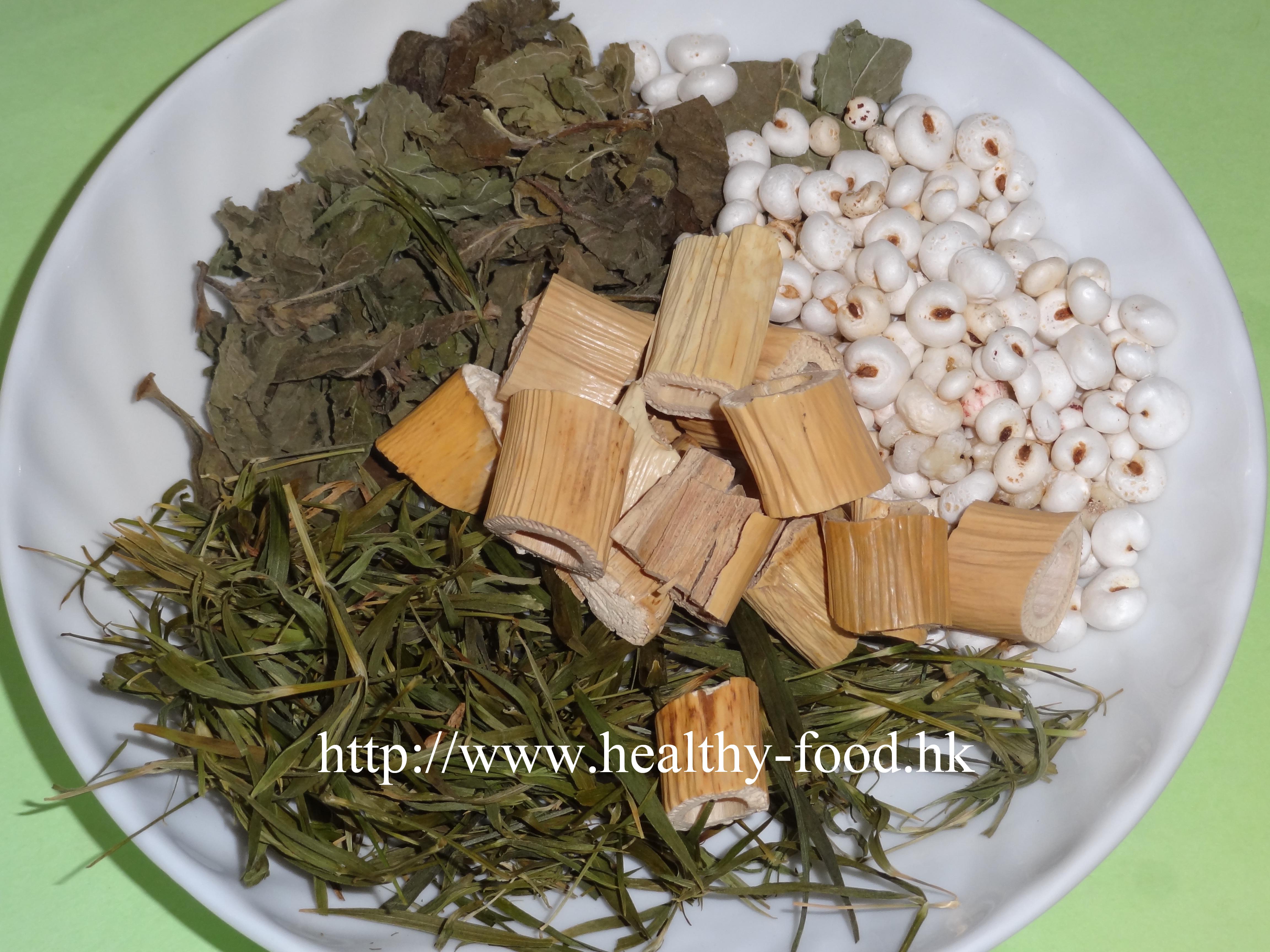
- Reed rhizome (lu gen / 芦根): One of the key cooling herbs in Chinese medicine; traditionally used to clear lung heat, relieve thirst, and generate body fluids. Mild enough for children, yet genuinely effective at clearing residual fever-related heat.
- Peppermint (bo he / 薄荷): Added late in cooking to preserve its volatile compounds. Traditionally used to disperse wind-heat from the surface of the body — in this context, helping to gently push remaining heat outward and relieve skin irritation.
- Pearl barley (yi mi / 薏米, both raw and cooked): One of the best-known dampness-clearing grains in Chinese food medicine. Raw barley is more cooling and clearing; the cooked (roasted) version is slightly gentler on digestion. Using both together balances the effect.
- Bamboo leaf (dan zhu ye / 淡竹叶): A very gentle cooling herb, specifically associated in Chinese medicine with clearing heat from the heart channel — which manifests as restlessness, irritability and disrupted sleep, all common in recovering children.
- Rock sugar: Balances the flavour and moderates the cooling nature of the other ingredients slightly.
Ingredients (approximately 2 bowls)
| Ingredient | Amount | Notes |
|---|---|---|
| Reed rhizome (lu gen) | 19 g (5 qian) | Chinese herb shop or dried goods store |
| Peppermint (bo he) | 8 g (2 qian) | Added in the last 10 minutes |
| Raw + cooked pearl barley | 19 g (5 qian) | Combined weight |
| Bamboo leaf (dan zhu ye) | 8 g (2 qian) | Mild; for children |
| Rock sugar | To taste | |
| Water | 4.5 bowls | Reduce to approximately 2 bowls |
Method
- Place the reed rhizome, pearl barley and bamboo leaf in a pot with 4.5 bowls of water.
- Bring to a boil over high heat, then reduce to a gentle simmer for 45 minutes.
- Add the rock sugar and peppermint, and simmer for a further 10 minutes.
- Strain and serve. Drink once daily, for three to five days of the recovery period.
Bro Niu’s tips
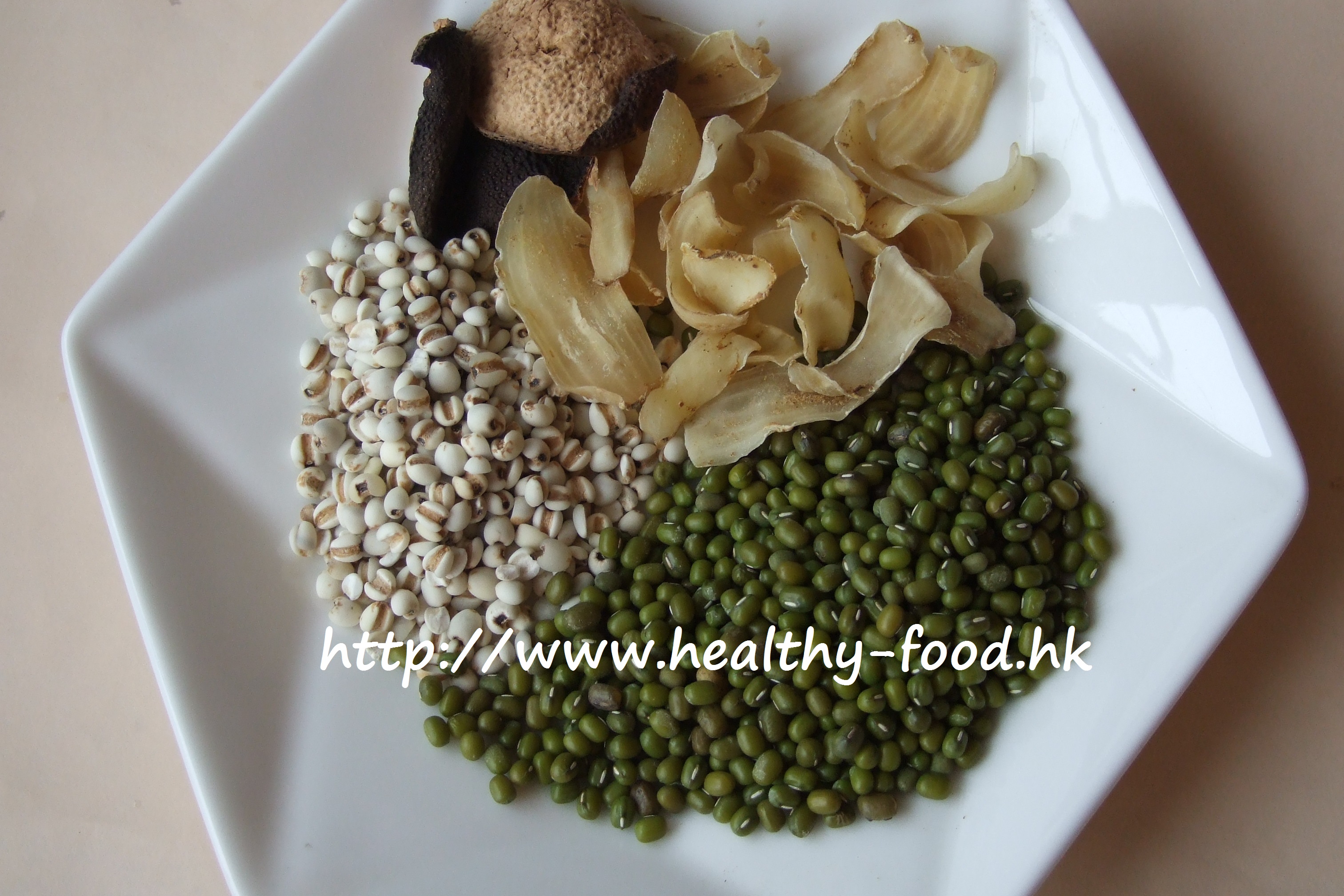
This tea has a clean, slightly sweet and cooling flavour — most children accept it easily, especially with the rock sugar added. Do not add the peppermint too early, as the heat will drive off the aromatic compounds that make it effective. For the mild type of chickenpox (lighter rash, low fever), Bro Niu also recommends mung bean and barley sugar water, or a soup of lotus leaf with congee — both have a long tradition in Cantonese family cooking for managing this kind of childhood illness. Drink one serving daily, continue for three to five days, then stop once the child feels fully restored.
Community questions answered (selected)
-
Q (Grace): My child has had chickenpox for three days. Should I make the mung bean sugar water or this reed root barley tea? Bro Niu: During the active chickenpox phase, mung bean and barley sugar water is a good choice. You can also use cogongrass root (mao gen), sugarcane (zhu zhe), carrot and raw barley to make a sugar water drink — this clears heat from the organs. The reed root tea with mint is better suited to the recovery phase after the rash has resolved.
-
Q (olivia): My mother has shingles. Can she drink this tea? Bro Niu: Yes, she can. For shingles, the most important thing is to treat within the first 72 hours — that is the golden window. If that window has passed, the virus may have embedded in the nerve fibres, causing more prolonged pain. This tea, or the cogongrass root and sugarcane sugar water, can serve as gentle supportive drinks alongside her medical treatment — once or twice a week.
-
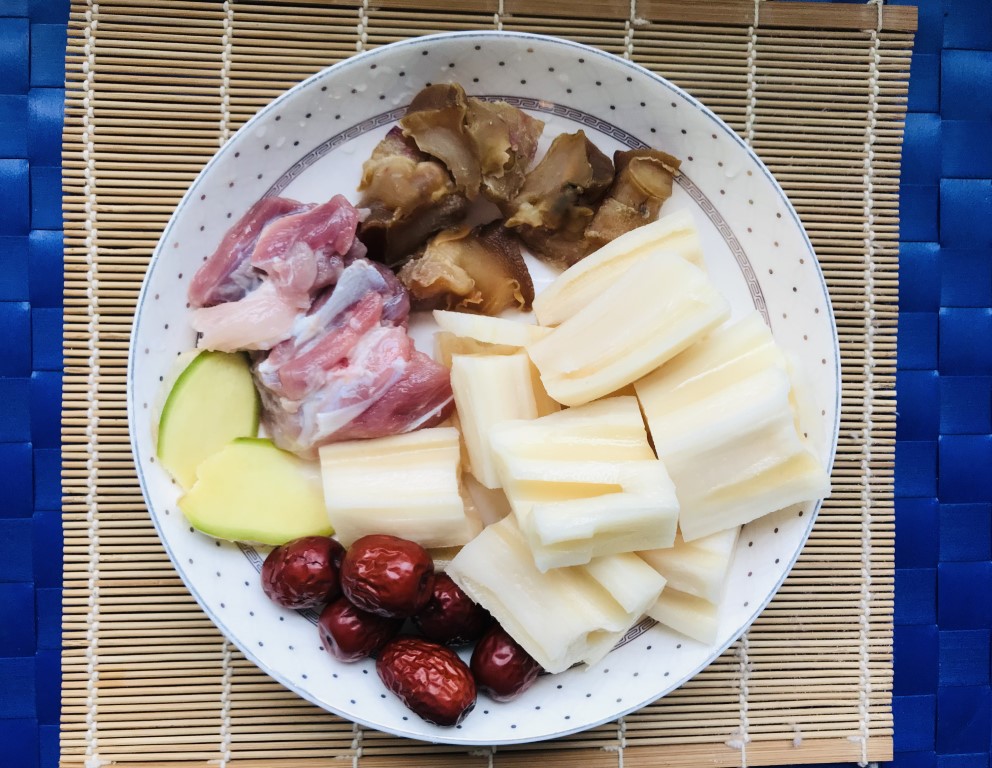
Q (Carol Lau): My baby (7 months) was just in contact with a chickenpox child. Can I give her anything preventively? Bro Niu: You can make a mild sugarcane, cogongrass root, water chestnut, carrot and barley sugar water and offer it to the baby — it is very gentle and helps clear heat. Drink it once a day; the amounts can be flexible and it is suitable even for babies with active chickenpox.
Published November 16, 2012 · Adapted and translated for Nourilo from a traditional home-kitchen recipe. Approx. 4 min read.