Sweet Soups & Desserts
Fritillaria and Honey Steamed Pear
traditionally used to help soothe dry lingering coughs after illness
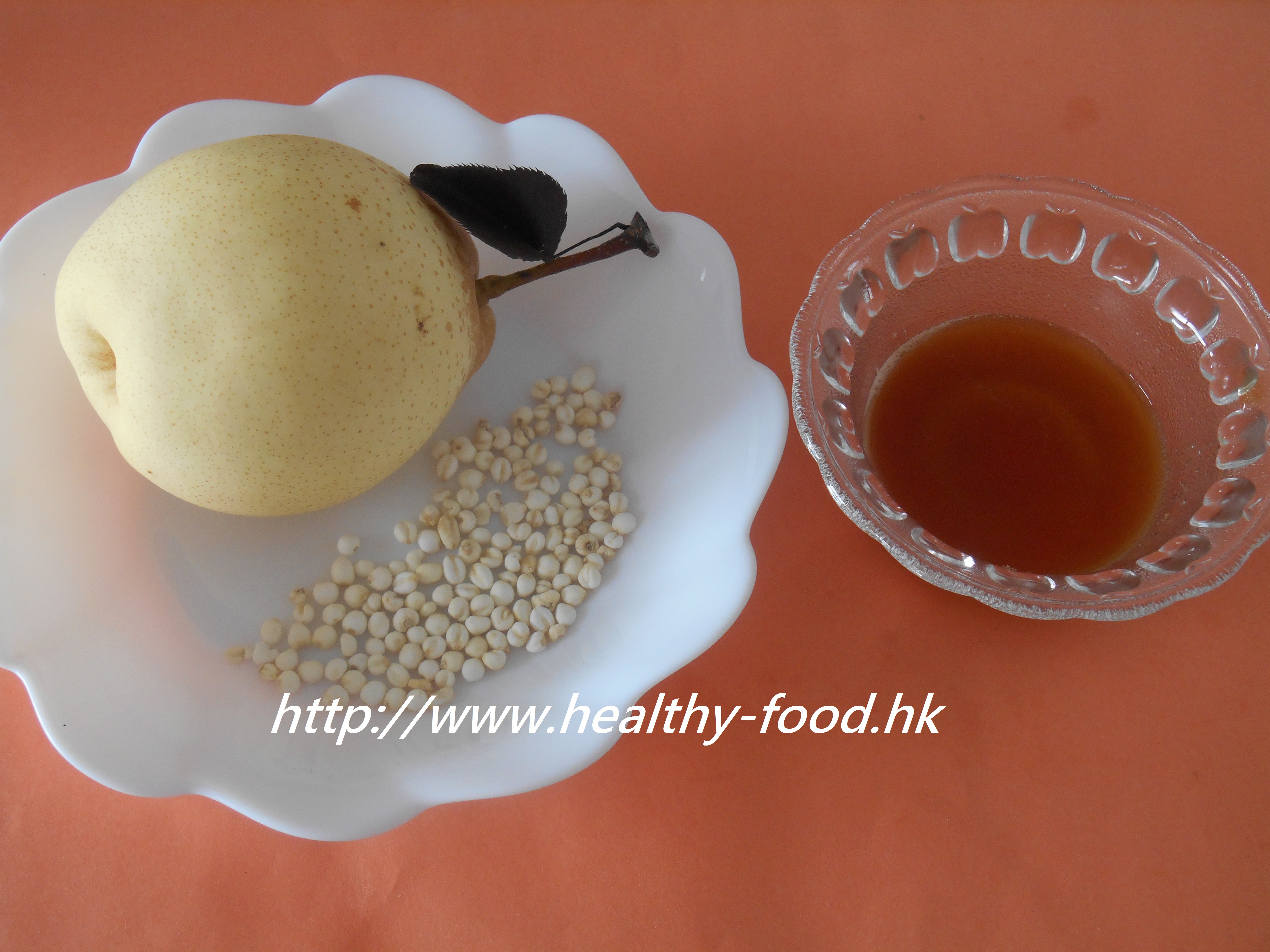
Why people make this steamed pear
You know the feeling: the cold itself is gone, your nose has cleared up, you feel almost human again — yet there is still that nagging dry cough that just will not quit. In traditional Chinese food therapy, this leftover cough is thought to arise from residual heat lingering in the lungs combined with some dryness. Bro Niu has recommended this little steamed-pear remedy for decades. It is as simple as it is comforting: sweet, warm, and quite pleasant to eat.
Who it suits / who should be cautious
- Suits adults and children with a dry, lingering cough after a cold has mostly resolved; also helpful for a slightly scratchy throat or mild phlegm that will not shift
- Pregnant women: Bro Niu notes that for late-pregnancy coughs with white phlegm, this can be used — but add a piece of dried tangerine peel (chen pi) and cook with apple slices for a gentler version
- Not the right choice while a cold is still active with fever, or for a productive cough with large amounts of thick yellow phlegm (that situation needs different food support)
- Honey: omit for infants under 12 months
Why these ingredients (the food-therapy logic)
- Snow pear (xue li): In Chinese dietary tradition, pear is considered cool and moistening, associated with nourishing the lungs and generating fluids. It is commonly used when respiratory passages feel dry or irritated.
- Fritillaria bulb powder (chuan bei / Fritillaria cirrhosa): A cornerstone herb in traditional Chinese medicine for soothing the respiratory tract. It is traditionally associated with supporting a calm, clear airway and helping the body clear lingering phlegm. Note: the skin of the pear is left on — pear skin is traditionally considered to have phlegm-clearing properties. The core and seeds must be removed (seeds contain trace bitter compounds).
- Honey (feng mi): Added at the end, not cooked in, so its natural qualities are preserved. Traditional texts associate honey with moistening dryness and providing gentle support to the respiratory system.
Ingredients (1 serving)
| Ingredient | Amount | Notes |
|---|---|---|
| Fritillaria bulb powder (chuan bei) | ~9 g (3 qian) | Available at Chinese herbal medicine shops |
| Snow pear | 1 medium | Core and seeds removed; skin left on |
| Water | 2 bowls (~500 ml) | For steaming |
| Raw honey | To taste | Stir in after cooking, not during |
Method
- Wash the snow pear well. Cut off the top as a “lid” and scoop out the core and seeds with a spoon — be thorough as the seeds must be discarded.
- Spoon the fritillaria powder into the hollow of the pear. Replace the top lid.
- Place the pear in a heatproof bowl and add about 2 bowls of water to the steaming pot.
- Steam over medium heat for 1 hour, until the pear is very tender.
- Remove, drizzle in honey to taste, and eat the pear flesh along with all the steaming liquid.
- Take 2 to 3 servings on consecutive days to see results.
Bro Niu’s tips
Pear skin has gentle phlegm-clearing properties in traditional food therapy, so leave it on. Apple can be used in place of pear — peel the apple first as apple skin tends to carry pesticide residue, but pear skin, once well washed, is fine to keep. Always remove the core and seeds of any fruit used. If cooking for a child, Bro Niu also suggests fritillaria simmered with one persimmon cake (shi bing) cut up in 4 bowls of water, simmered down to 1 bowl — naturally sweet and child-friendly.
Community questions answered (selected)
-
Q (reader, 多多): Should the honey be added while steaming, and how much water do I use? Bro Niu: Use 2 bowls of water for the steaming pot. Add the honey only when you are about to eat — stir it in then, not during cooking.
-
Q (kayi456): I am breastfeeding — can I use this remedy? Bro Niu: You can use luo han guo (monk fruit) with a tablespoon of ophiopogon root (mai dong) steeped in hot water instead — that is safer for breastfeeding. The steamed pear is generally mild, but keep honey amounts small.
-
Q (reader, Ann): My three-year-old dislikes bitter drinks. Is there a sweeter version? Bro Niu: Try simmering 3 qian of fritillaria powder with one persimmon cake (cut up) in 4 bowls of water, cooked down to 1 bowl. It is naturally sweet and children usually take it willingly.
Published September 16, 2014 · Adapted and translated for Nourilo from a traditional home-kitchen recipe. Approx. 4 min read.