Herbal & Flower Teas
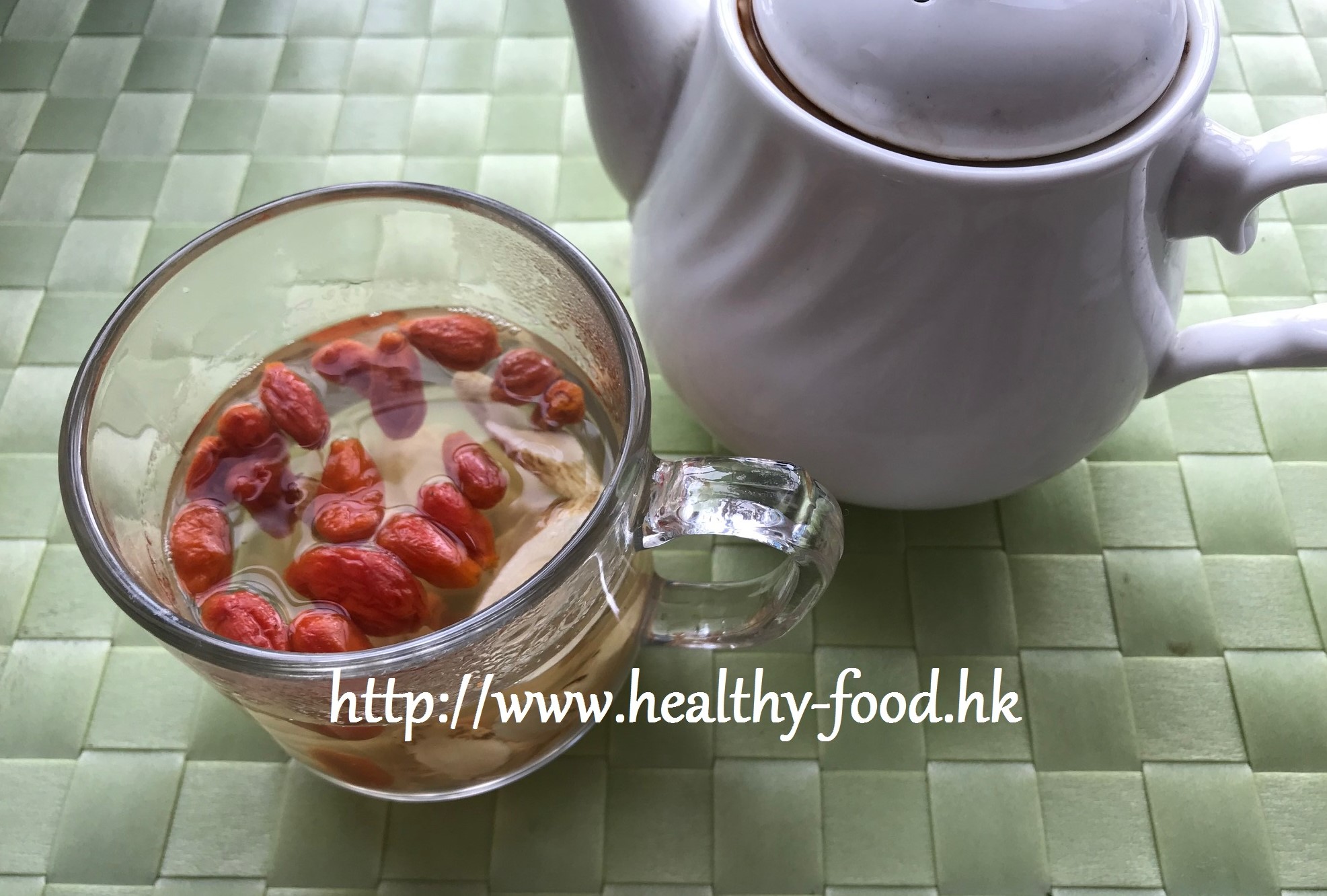
Pine Nut, Goji, Chrysanthemum and Sesame Tea
Traditionally used to soften liver qi and ease irritability and dizziness
Why people make this tea
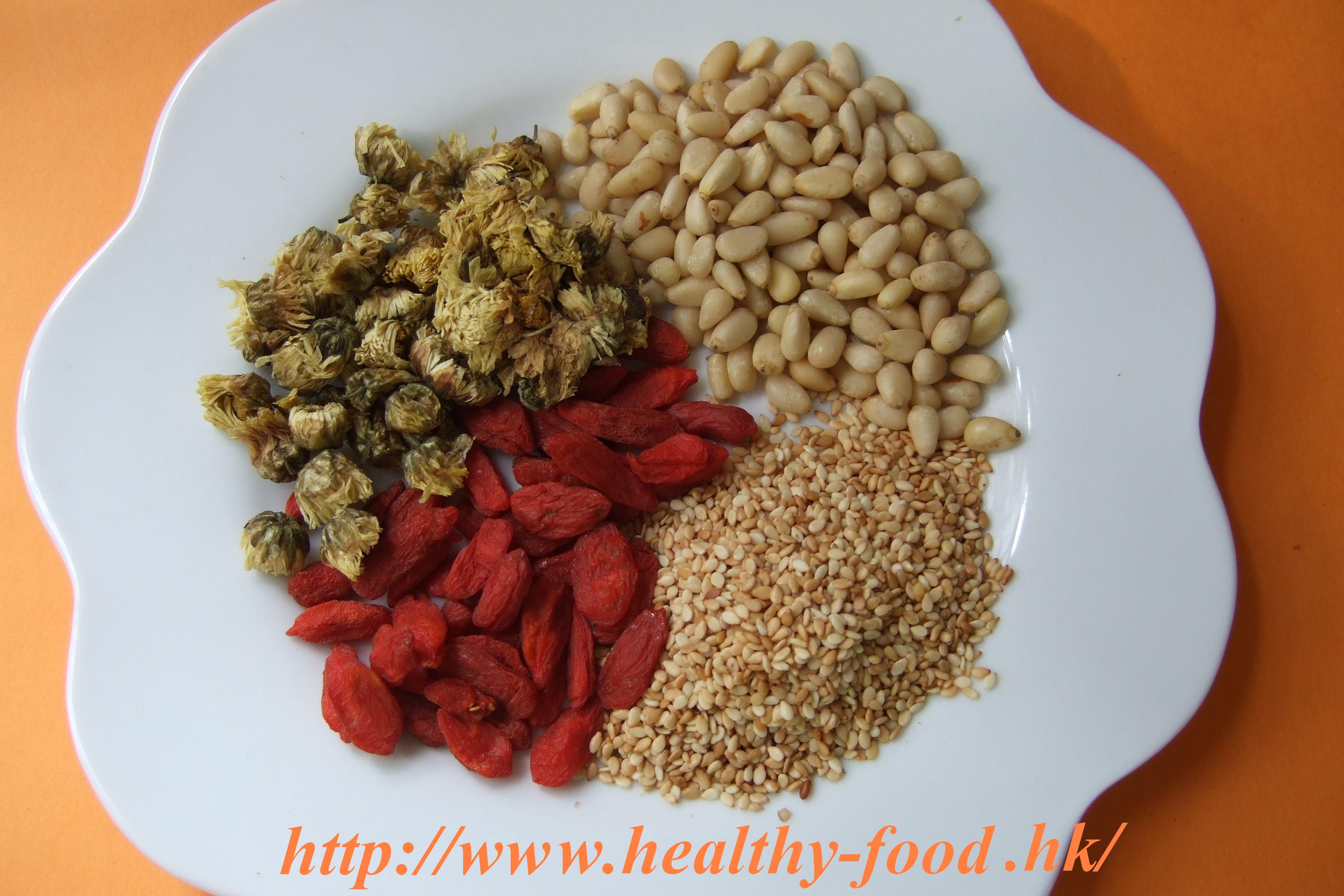
A child once showed Bro Niu a pine cone from a Christmas tree, asking if he knew what was inside. He played along, and the delighted little one tossed it down so two thin winged seeds fell out, then proudly explained — like a small teacher — that the seeds hide in the cone for the squirrels to eat. To reward such bright curiosity, Bro Niu bought him some fragrant, plump pine nuts. Pine nuts are sweet and warming, traditionally said to nourish, moisten the skin, warm the gut and ease dry cough. Brewed with goji, chrysanthemum and sesame, this tea is traditionally used for liver-fire signs with dizziness or blurred, tired eyes.
Who it suits / who should be cautious
- Suits children who are easily irritable, prone to fussing or crying for no clear reason, or who sleep restlessly; also good for adults who feel run-down after illness or have prematurely greying hair.
- Mild and food-based, fine to drink regularly. If a child’s sleep or mood issues persist, see a doctor.
Why these ingredients (the food-therapy logic)
- Pine nuts (song zi): sweet and warming, traditionally said to nourish and moisten.
- Goji berries (gou qi zi): classically associated with supporting the liver and brightening the eyes.
- Chrysanthemum (ju hua): cooling and fragrant, traditionally used to clear and soothe liver heat and the eyes.
- Toasted sesame (zhi ma): nourishing and moistening, black sesame especially is associated with nourishing the blood and hair.
Ingredients (1 pot)
| Ingredient | Amount | Notes |
|---|---|---|
| Pine nuts | 1 tablespoon | ground fine |
| Goji berries | 1 tablespoon | ground fine |
| Toasted sesame | 1 tablespoon | black preferred, ground fine |
| Chrysanthemum flowers | 1 small pinch |
Method
- Grind the pine nuts, goji and sesame into a fine powder.
- Put the chrysanthemum in a teapot, pour in boiling water and steep 5–6 minutes; strain off the chrysanthemum.
- Use the chrysanthemum water to steep the ground mixture, then serve.
Bro Niu’s tips
This tea is fragrant and pleasant and traditionally said to soften liver qi. It is helpful for those who are run-down after illness or greying early, and for children who are habitually irritable, cry or fuss for no reason, or sleep poorly.
Community questions answered (selected)
- Q (Isabelle Wong): Can this tea be given to an 18-month-old? My daughter sleeps poorly and wakes around 1 a.m. Bro Niu: Children can drink this pine-nut, goji, sesame and chrysanthemum tea. That said, many children go through phases of restless night sleep. Often lamp-rush (deng xin cao) ~1 qian with lotus seed 5 qian, simmered in 4 bowls of water down to 2, suits better.
- Q (zslqjr): How do I tell if my baby (about 10 months) has excess liver fire? Bro Niu: Chinese tradition holds that children tend to “have liver to spare and spleen in deficit” — so excess liver fire shows as being easily angered, crying without stopping, and restless sleep; a weak spleen and stomach is also common in children.
- Q (Barbara): My 3.5-year-old has always been hard to settle and wakes at 5 a.m., sleeping only 9–10 hours, so he often looks tired. Should I give the pine-nut-goji-sesame-chrysanthemum tea, or lamp-rush? Bro Niu: Nine to ten hours should be enough; if sleep quality is poor he’ll seem worn out. Lily bulb 5 qian with 1 tablespoon longan, simmered as a drink, helps settle sleep. Lamp-rush suits children with heat in the heart channel but shouldn’t be used long-term; the pine-nut-goji-chrysanthemum tea can be drunk regularly.
Published September 27, 2010 · Adapted and translated for Nourilo from a traditional home-kitchen recipe. Approx. 3 min read.