Soups
Phoenix Eye Fruit, Goji and Chicken Breast Soup
Supports digestion and general nourishment
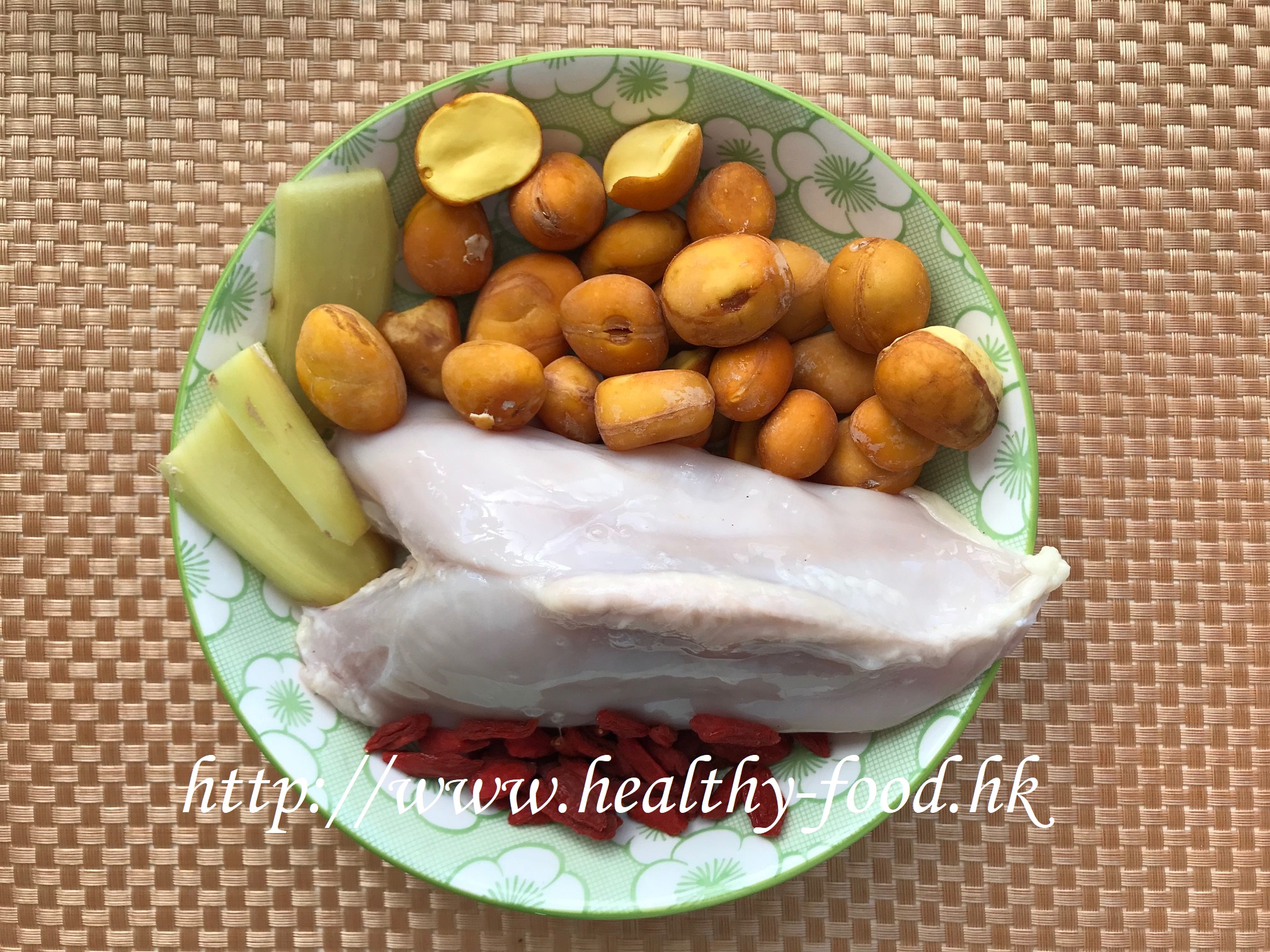
Why people make this soup
Phoenix eye fruit (feng yan guo) is the seed of the sterculia tree. The name comes from the way ripe pods split open and dangle from branches — the dark seeds inside look, from a distance, like pairs of eyes. The kernels are creamy, mildly sweet, and cleaner-tasting than chestnuts. In traditional food therapy, they are considered gentle on the stomach and are associated with settling the digestive system and supporting healthy appetite. Combined with goji berries for nourishment and organic chicken for protein, this soup is a light, fragrant bowl that suits people of most constitution types — including children, the elderly, and those who are in the middle of recovery.
Who it suits / who should be cautious
- Suits people with reduced appetite, mild nausea, general weakness, or those recovering from illness
- Also traditionally used when children have stomach discomfort related to poor digestion
- The soup is mild and balanced in nature; most people can drink it freely
- No specific strong contraindications, but as with any new ingredient, start with a moderate amount
Why these ingredients (the food-therapy logic)
- Phoenix eye fruit (feng yan guo): Traditionally regarded as sweet and neutral in nature; associated with harmonizing the stomach, aiding digestion, and gently supporting the body’s defenses
- Goji berries (gou qi zi): A widely used tonic ingredient, associated with nourishing the liver and kidneys and supporting overall vitality
- Ginger (sheng jiang): Warming to the stomach; helps with mild nausea and supports circulation
- Organic chicken breast: A lean, protein-rich ingredient used in food therapy to gently replenish energy without being heavy or hard to digest
Ingredients (3 bowls)
| Ingredient | Amount | Notes |
|---|---|---|
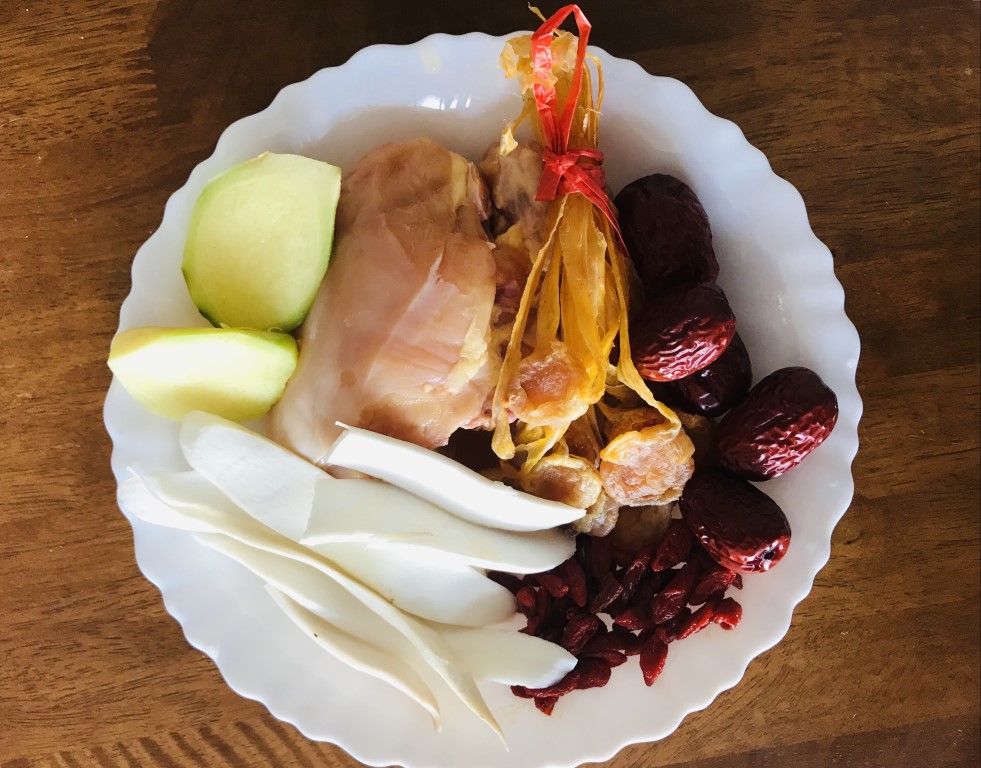
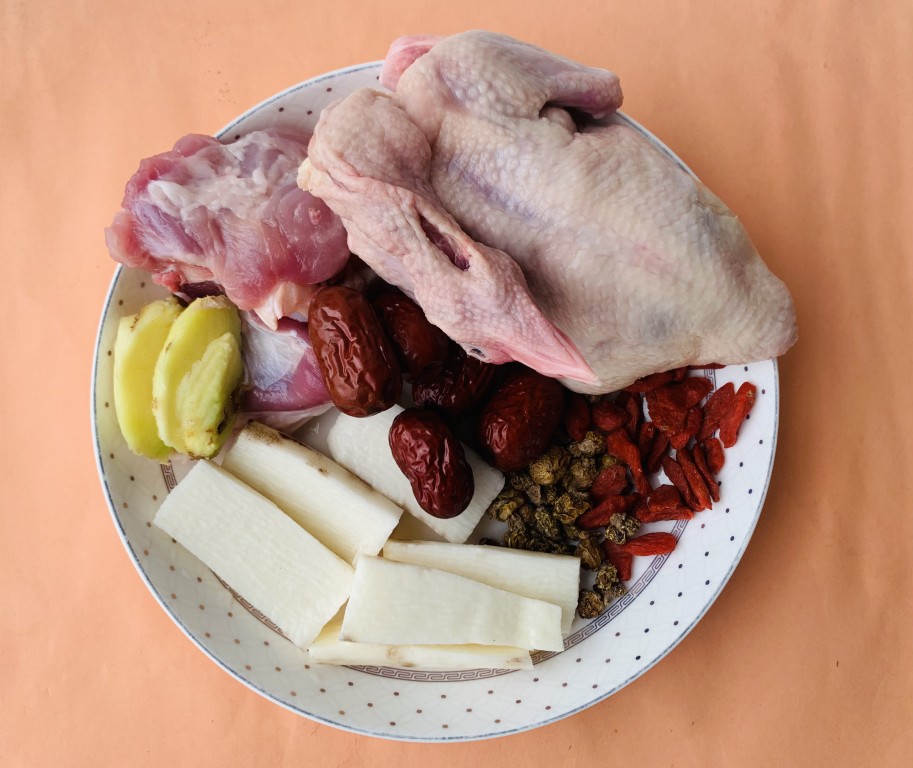
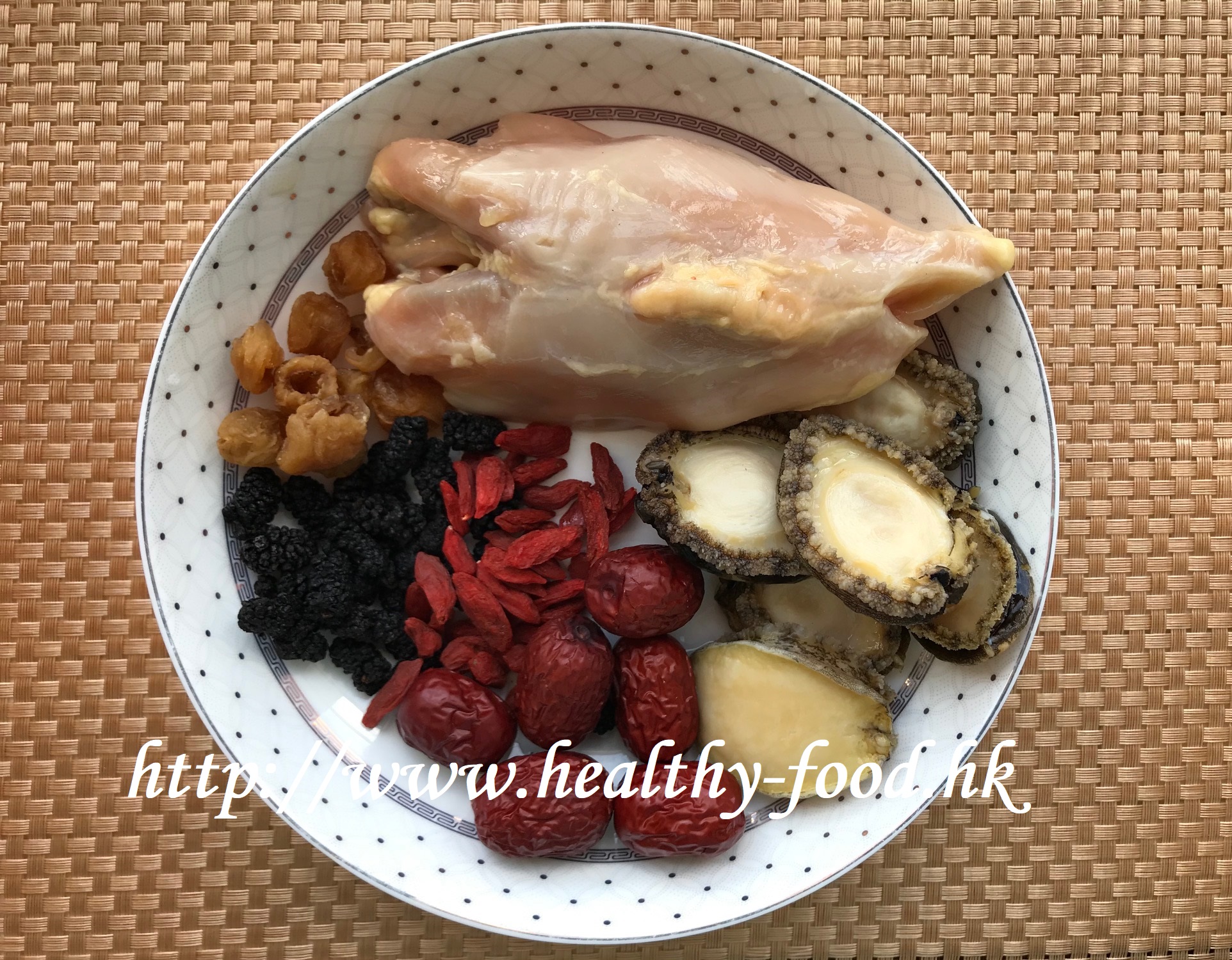
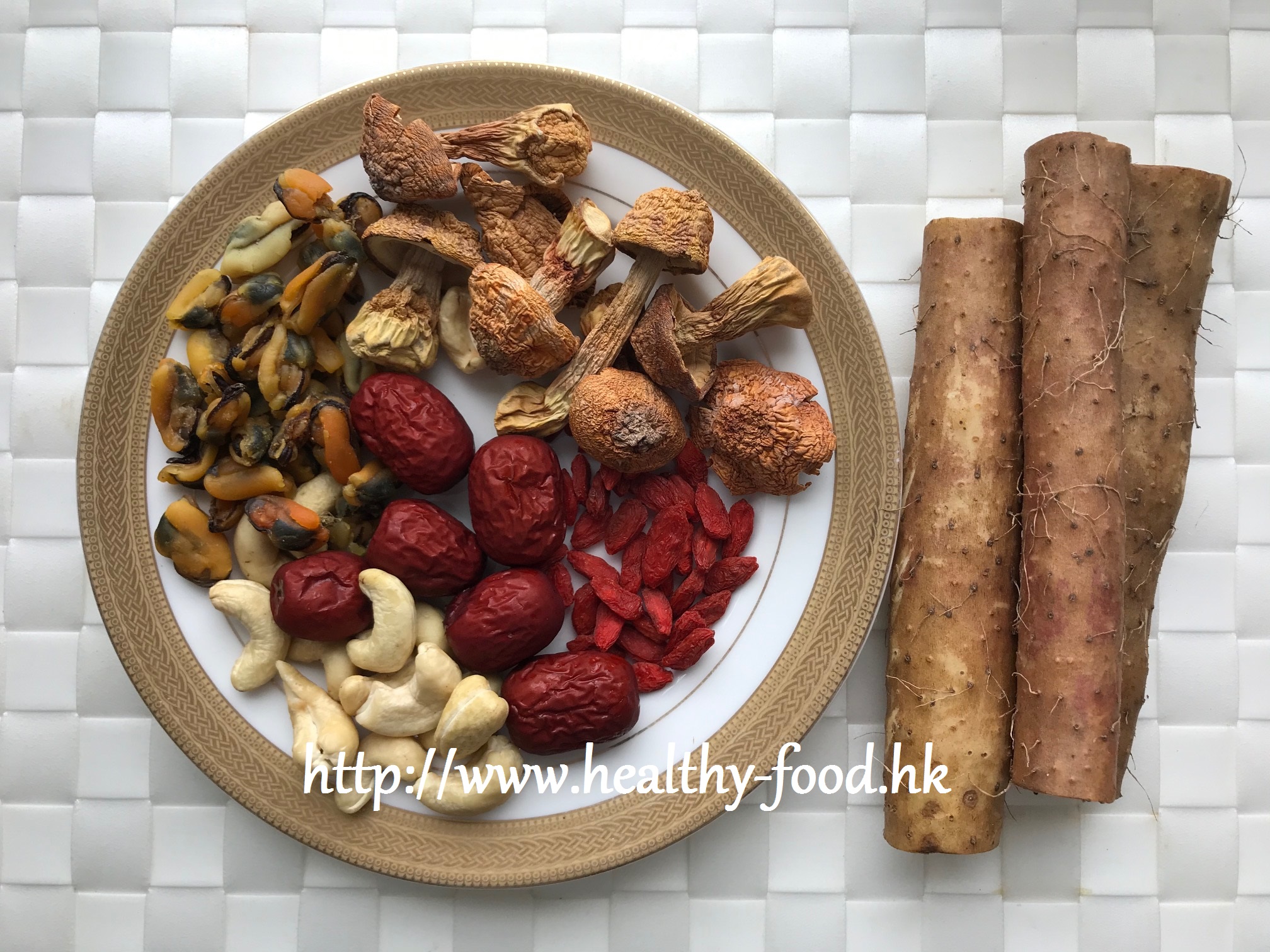
| Phoenix eye fruit kernels (shelled, peeled) | 150 g | Available at specialty Chinese grocery stores; soak briefly before use |
| Goji berries (gou qi zi) | 10 g | Rinse before use |
| Fresh ginger | 3 slices | |
| Organic chicken breast | 1 whole | Blanch before use to remove impurities |
| Water | 7 bowls (approx. 1.4 L) | Simmered down to about 3 bowls |
Method
- Soak phoenix eye fruit kernels and goji berries separately in cold water for 10 minutes; rinse well.
- Rinse chicken breast, then blanch in boiling water for 2 minutes to remove impurities. Drain and chop into large pieces.
- Place all ingredients into a pot with about 7 bowls of cold water.
- Bring to a boil, then lower heat and simmer for 1 hour, until liquid reduces to approximately 3 bowls.
- Serve warm. Eat both the soup and the solids.
Bro Niu’s tips
This is a particularly gentle and balanced soup — mild enough for children and the elderly alike. The phoenix eye fruit has a clean sweetness that makes the broth naturally pleasant. Traditionally, this soup is also considered helpful when children have stomachaches related to poor digestion or food stagnation.
Community questions answered (selected)
-
Q (reader): My daughter often has a very bloated belly after eating. What can she take? Bro Niu: Try using 3 qian crushed cardamom (sha ren), 1 dried tangerine peel strip (chen pi) shredded, and 2 honey dates, simmered in 4 bowls of water for 20 minutes. Take 3 consecutive days. Avoid gassy foods like peanuts and legumes in general.
-
Q (Donna): I have been experiencing occasional drooling and persistent stomach bloating, worse after dinner. I also found a lump behind my ear. Bro Niu: The situation you describe — unexplained drooling, bloating, and a new lump — warrants a proper medical check-up to rule out any underlying condition. Please see a doctor. For general stomach support in the meantime, try soups made with burdock root, white radish, carrot, and mushroom or black fungus.
-
Q (reader): I always feel hungry shortly after eating. What is going on? Bro Niu: First, consider whether you are eating enough starchy foods. That said, certain conditions like hyperthyroidism or diabetes can cause persistent hunger — it is worth checking with a doctor if the symptom is ongoing.
Published July 13, 2021 · Adapted and translated for Nourilo from a traditional home-kitchen recipe. Approx. 3 min read.