Herbal & Flower Teas
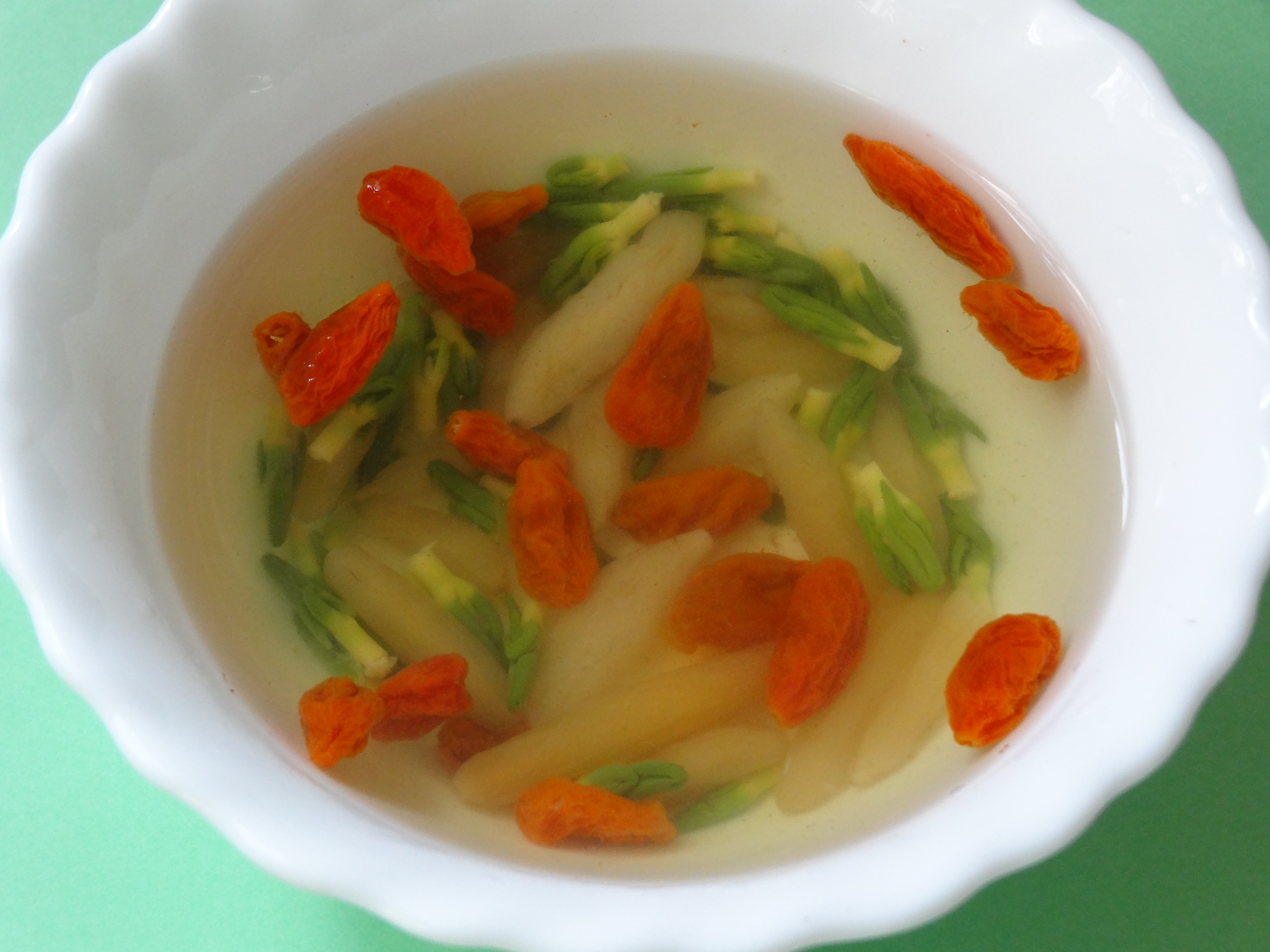
Ophiopogon Goji Lotus Plumule Tea
traditionally used to nourish yin, calm the mind, and support restful sleep
Why people make this tea
Modern city life brings a particular kind of stress: not always physical exhaustion, but a restless, unsettled quality — trouble falling asleep, an irritable undercurrent, a sense of heat that seems to come from nowhere. Traditional Cantonese food therapy has a term for this state and a simple remedy for it. This three-ingredient tea — ophiopogon root, goji berries, and lotus seed embryo — is one of the gentlest ways to address that restless, overheated feeling. Bro Niu recommends it especially in summer, when the heat outside can amplify the heat within.
Who it suits / who should be cautious
- Suitable for adults experiencing restlessness, irritability, difficulty sleeping, or a sensation of internal heat during summer.
- Pregnant women may drink this tea according to Bro Niu’s guidance.
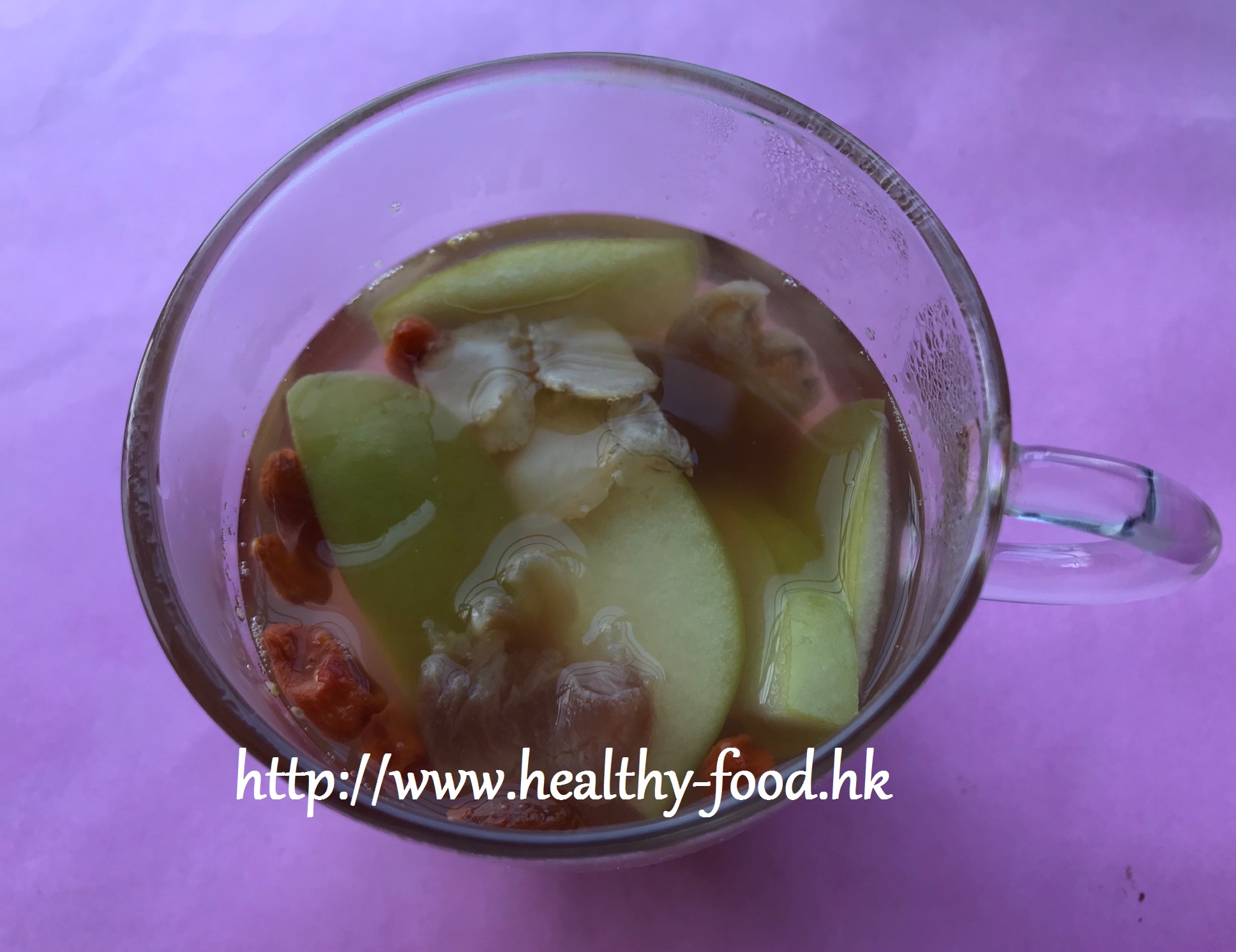
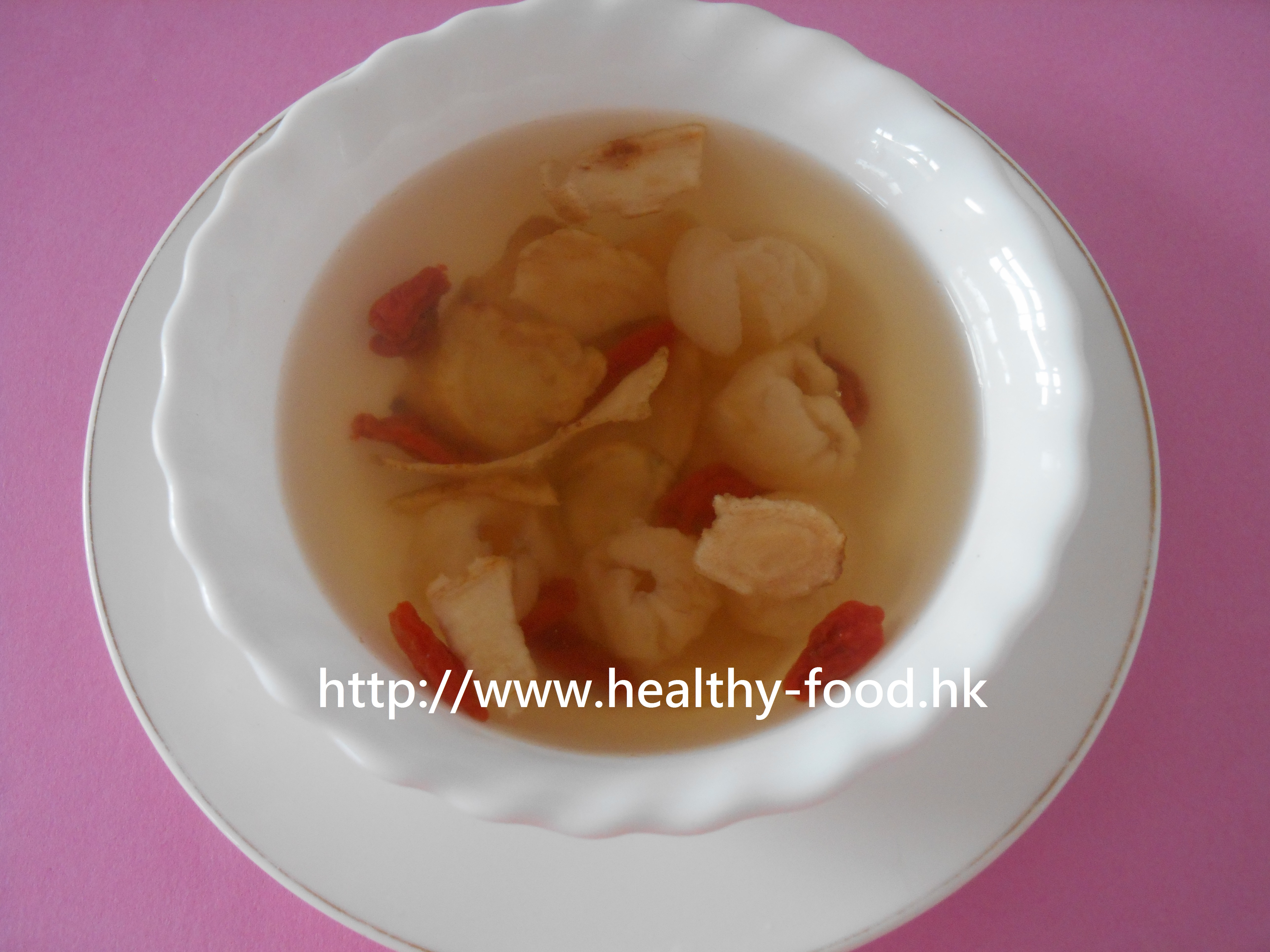
- People with low blood pressure: lotus plumule is traditionally associated with a blood-pressure-lowering effect. Substitute 10 dried longans (yuan rou) for the lotus plumule to make the tea suitable.
- People with a cold constitution (always feeling chilled, cold hands and feet): the tea is mildly cooling; if that is a concern, reduce the Job’s tears in any soup you pair it with.
Why these ingredients (the food-therapy logic)
- Ophiopogon root (mai dong): A widely used herb in Chinese food therapy, traditionally associated with moistening the lungs, nourishing yin, and supporting the heart’s natural rhythm. Has a mildly sweet, slightly bitter flavour.
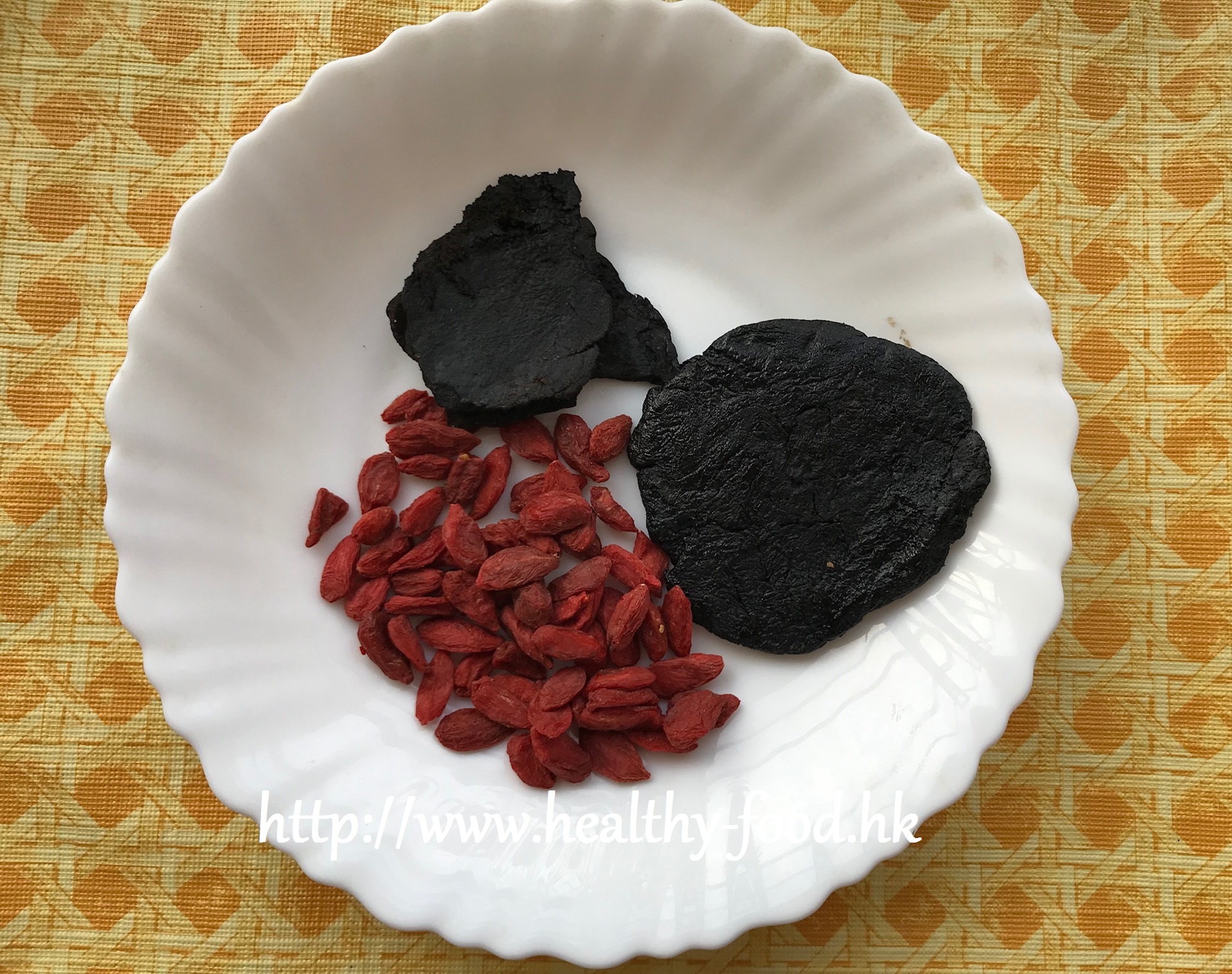
- Goji berries (gou qi zi): Familiar to many Western readers as a superfood, goji berries are traditionally valued for nourishing the liver and kidneys, supporting eyesight, and gently building vitality.
- Lotus plumule (lian zi xin): The tiny green embryo found inside a lotus seed. It is intensely bitter — this bitterness is considered the key to its action in traditional food therapy, where bitter flavours are associated with clearing excess heat from the heart and calming the mind. It is also traditionally associated with blood-pressure support.
Ingredients (2 cups)
| Ingredient | Amount | Notes |
|---|---|---|
| Ophiopogon root (mai dong) | 1 tablespoon (~10 g) | |
| Goji berries (gou qi zi) | 1 tablespoon (~10 g) | |
| Lotus plumule, dried (lian zi xin) | 1 teaspoon | Use 2 teaspoons if fresh |
For 4 servings: ophiopogon 3 tablespoons, goji 3 tablespoons, lotus plumule 3 teaspoons (dried) — cook in 6 bowls of water for 40 minutes, yielding 4 bowls. A little rock sugar improves the flavour.
Method
- Rinse all the ingredients briefly in cool water.
- Add the rinsed ingredients to a small pot with 3 bowls (about 750 ml) of water.
- Bring to a boil, then reduce to a simmer and cook for 20 minutes.
- Pour and serve warm. A small amount of rock sugar or honey may be added to taste.
Bro Niu’s tips
If you are lucky enough to find fresh lotus seeds, the little green heart (plumule) inside can be removed, frozen, and used for tea whenever needed. Dry lotus plumule is available at Chinese herbal medicine shops. Use 1 teaspoon of dried plumule versus 2 teaspoons of fresh — the dried form is more concentrated. Beyond calming the mind, lotus plumule is traditionally associated with blood-pressure support, which is worth noting for anyone whose blood pressure already runs low. In that case, simply swap the lotus plumule for 10 longans.
Community questions answered (selected)
-
Q (KT): I have unstable blood sugar and low blood pressure. Can I drink this tea? Bro Niu: Just swap the lotus plumule for 10 dried longans (yuan rou). That removes the blood-pressure concern while keeping the calming qualities of the tea. Your blood sugar should not be affected.
-
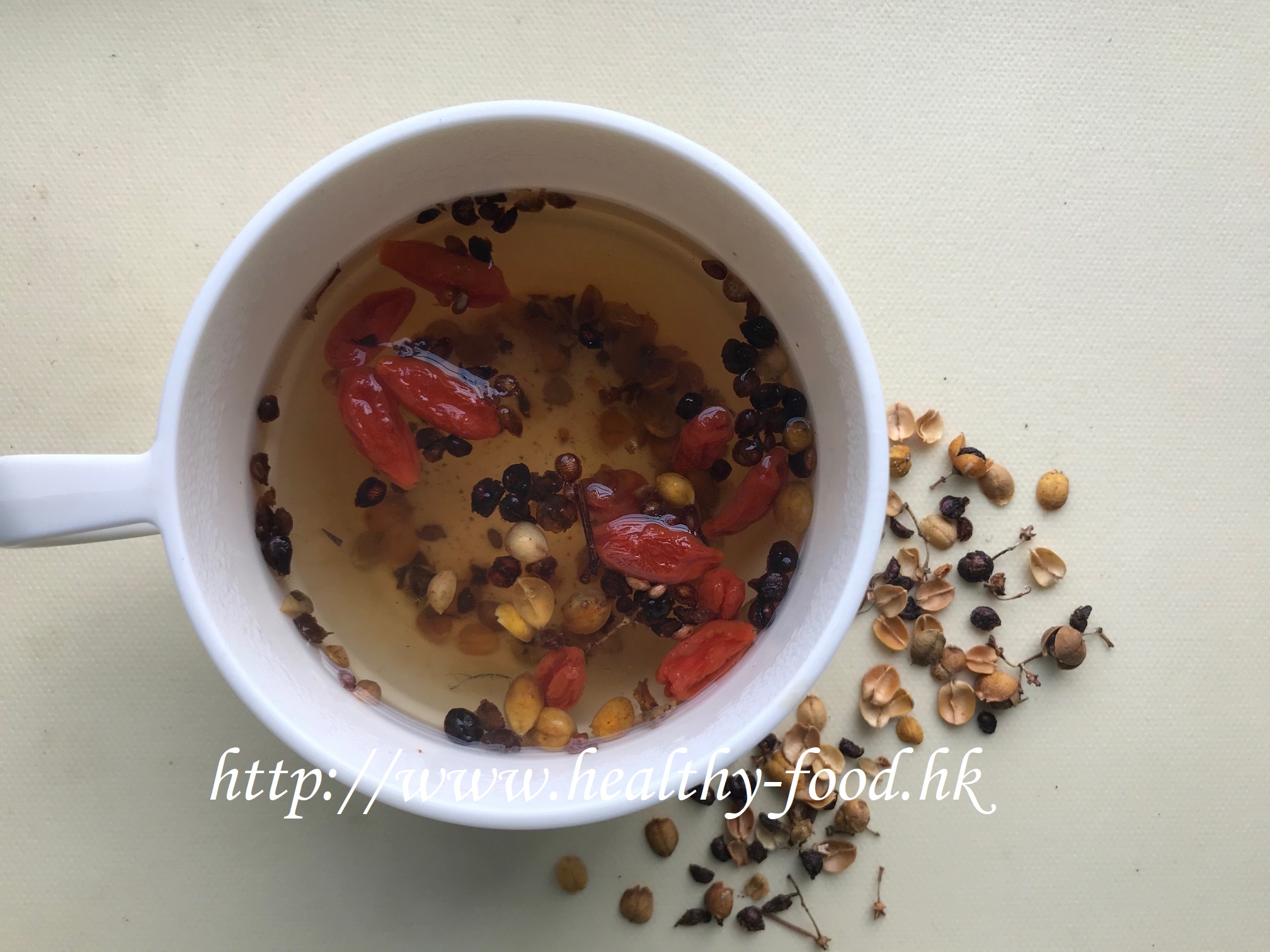
Q (Yoyo): Can I drink this tea every day? I eat half a bowl of lotus seeds every evening and my sleep has improved, but I wake with a dry mouth at night. Bro Niu: This tea suits you well. Try adding 3 qian (about 9 g) of schisandra berry (wu wei zi) to the pot when you brew it — it is traditionally used to address both dry mouth and disturbed sleep, and should help with both symptoms.
-
Q (reader, regarding pregnancy): I am 14 weeks pregnant — can I drink this tea? Bro Niu: Yes, this tea is fine during pregnancy.
Published July 26, 2013 · Adapted and translated for Nourilo from a traditional home-kitchen recipe. Approx. 3 min read.