Tonic Drinks & Waters
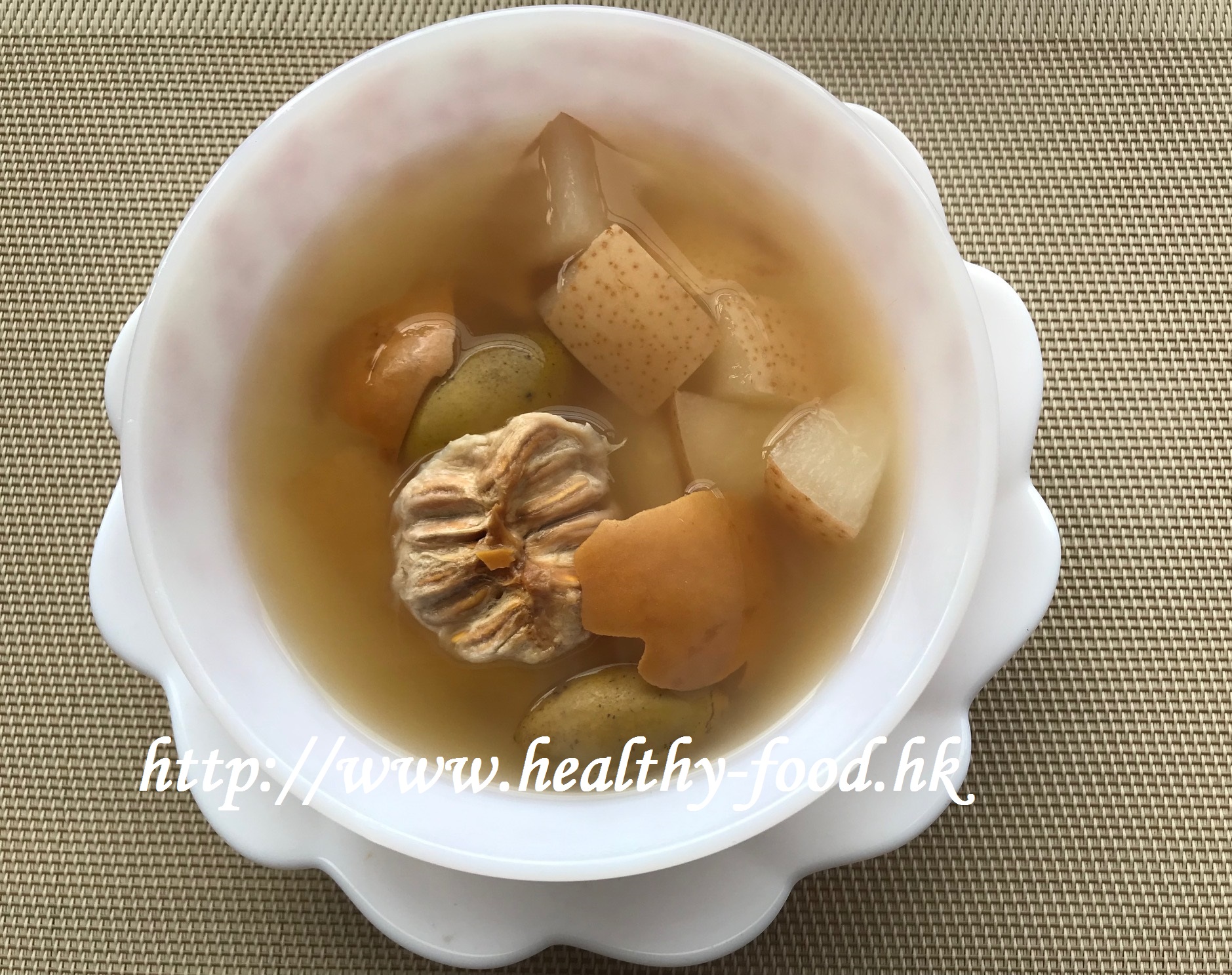
Green Olive, Golden Monk Fruit & Snow Pear Water
Traditionally used to clear lung heat, soothe dry or sore throat, and relieve dry cough and respiratory sensitivity
Why people make this drink
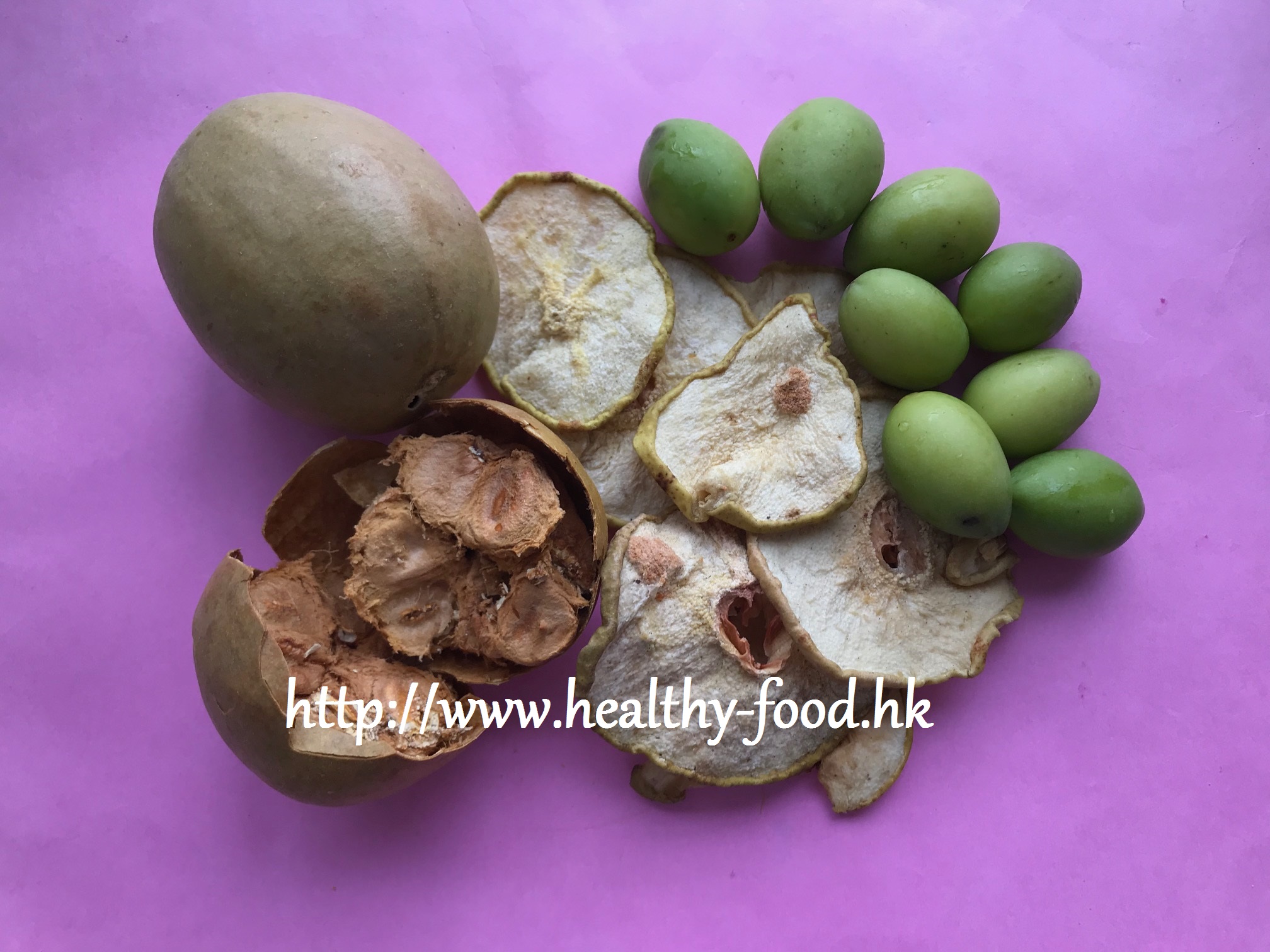
The Chinese green olive (Canarium album, called qing lan) is quite different from the Mediterranean cured olives most Westerners know — it is eaten fresh, has a bitter-astringent taste at first bite that transforms into a lingering sweetness, and has been used in Chinese herbal medicine for centuries. Traditional texts credit it with clearing heat, detoxifying the body, dissolving phlegm, aiding digestion, and even neutralising the toxins from fish, crab, or accidental gas exposure. When in season, green olives are at their most fragrant and full-flavoured — a perfect time to make this drink. Combined with golden monk fruit — a gourd fruit dried at low temperature that produces a beautifully sweet, smoke-free brew — and cooling, moistening snow pear, this drink is naturally sweet, clear, and gentle. It is a traditional go-to for lung-heat coughs, sore dry throat, airway sensitivity, and as a supportive drink during upper respiratory illness or immune-support periods.
Who it suits / who should be cautious
- Suitable for adults and children with dry or sore throat, dry cough, airway sensitivity, or upper respiratory illness.
- Particularly valued as a supportive drink during and after chemotherapy — traditionally associated with relieving post-chemo oral dryness and throat pain.
- Pregnant women can safely drink this brew.
- Those with a cold constitution can add one piece of dried tangerine peel to warm the formula.
- If fresh green olives are unavailable: substitute 4 dried figs (wu hua guo), or use cured/brined olives (note: these will be saltier; rinse well first). In Canada or similar markets, Bro Niu recommends figs as the easiest substitute.
- Golden monk fruit (jin luo han guo) is low-temperature dried, producing a cleaner, sweeter, smoke-free taste — regular smoked monk fruit works too but has a stronger flavour.
Why these ingredients (the food-therapy logic)
- Fresh green olive (qing lan): Bitter, astringent, sweet, and cooling. Traditionally clears heat and toxins from the lungs and stomach, dissolves phlegm, and relieves a swollen, painful throat. Also noted for counteracting fish, shellfish, and alcohol toxicity.
- Golden monk fruit (jin luo han guo): An exceptionally sweet gourd-fruit that contains mogrosides — natural compounds roughly 300 times sweeter than sugar that do not raise blood glucose. Traditionally clears lung heat, relieves cough and sore throat, and moistens the intestines.
- Snow pear (xue li): Sweet and cooling; nourishes yin and generates body fluids, moistens the lungs, and soothes dry cough.
Ingredients (about 4 bowls)
| Ingredient | Amount | Notes |
|---|---|---|
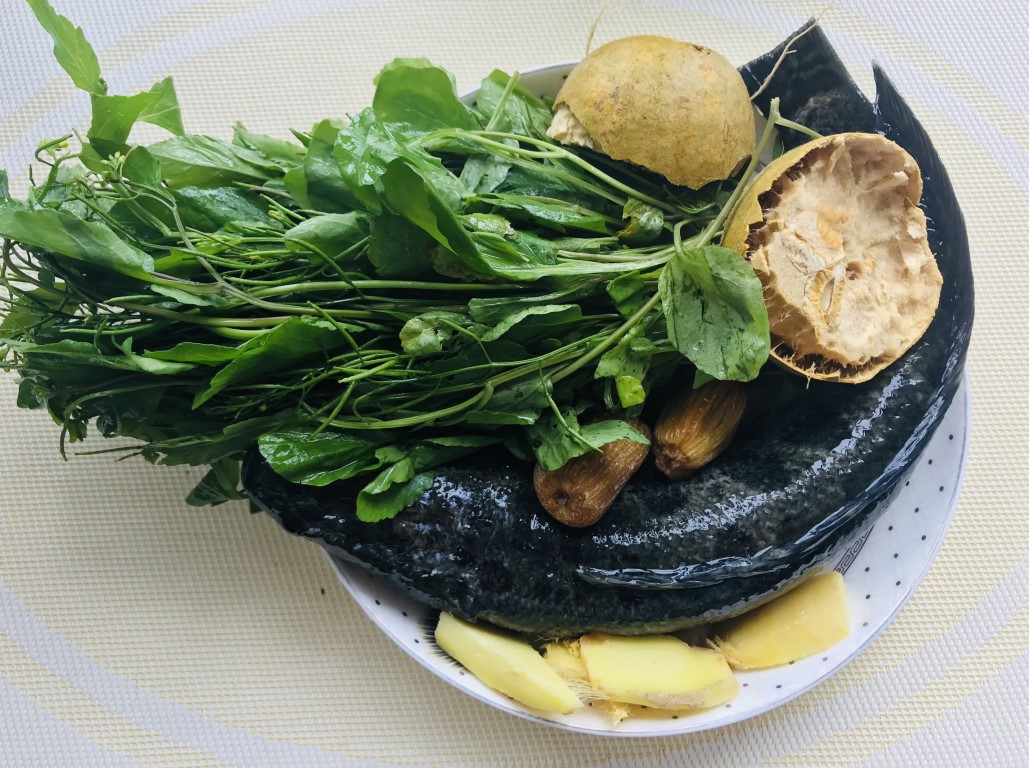
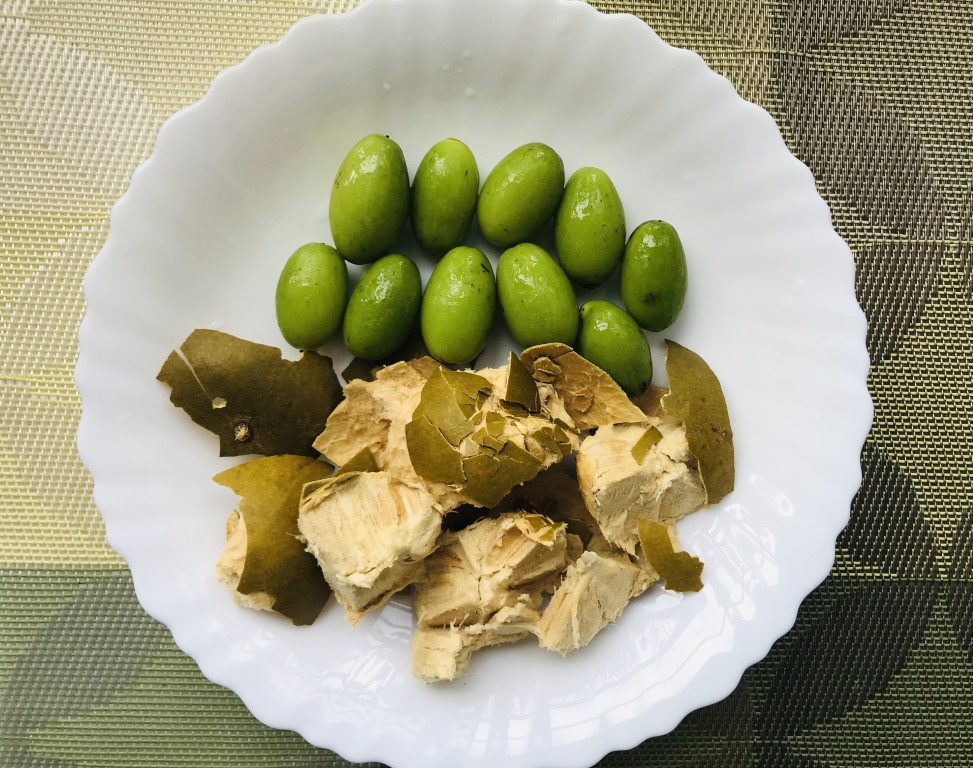
| Fresh green olives | 15 pieces | Washed, cracked lightly with the back of a knife |
| Golden monk fruit | 1 whole | Rinsed and broken open by hand |
| Snow pear | 2 pieces | Washed, skin on, core removed, cut into chunks |
Method
- Wash the green olives; use the flat side of a knife or a mallet to give each a light crack (this helps release the flavour without completely breaking them apart).
- Rinse the golden monk fruit; crush or break it open with your hands — flesh, seeds, and shell can all go into the pot.
- Wash the snow pears, leave the skin on, remove the cores, and cut into chunks.
- Combine all ingredients in a pot with 6–7 bowls of water.
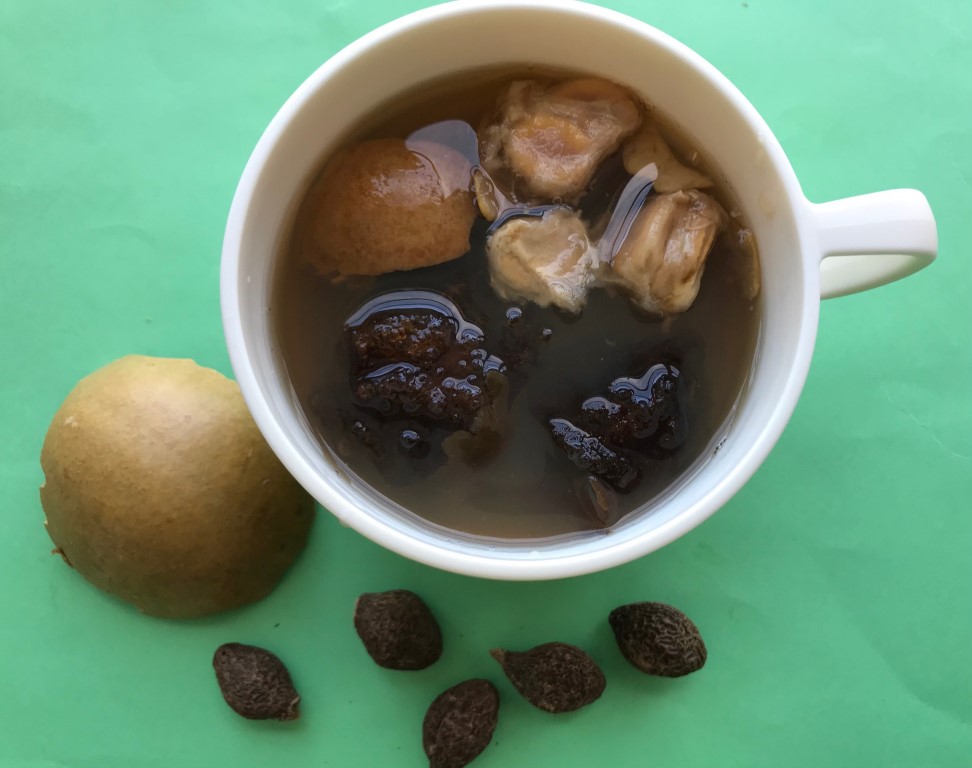
- Bring to a boil, then simmer for 30 minutes until about 4 bowls of liquid remain.
- Serve warm. Drink over 1–2 days.
Bro Niu’s tips
This drink is naturally sweet, refreshing, and great-tasting. It is particularly noted for helping people who experience dry, painful mouth and throat after cancer chemotherapy — traditional food therapy associates it with supporting the recovery of oral moisture. It also has general anti-cancer properties attributed to the ingredients in folk tradition. People with cold constitutions should add one chopped dried tangerine peel during cooking to balance the cooling nature. Golden monk fruit (jin luo han guo) is sweeter and cleaner-tasting than regular monk fruit because it is dried at low temperature rather than smoked. Fresh green olives are available at Chinese or Asian grocers when in season; if unavailable, dried figs make an excellent substitute.
Community questions answered (selected)
-
Q (reader, 好好): I found this recipe and it mentions it is suitable during chemotherapy, but I cannot find fresh green olives. What can I substitute? Bro Niu: You can use 1 dried fig (jujube cake / gui bing, a pressed dried orange-olive) as a substitute, or 4 dried figs as an alternative.
-
Q (Rainbow, from Vancouver): There are no fresh olives here — only various pickled/cured olives. Can I use those in this recipe? Bro Niu: Because cured olives can be quite salty, I would suggest using 4 dried figs instead — they are a better substitute, as figs also have anti-cancer properties and moisten the lungs and throat.
-
Q (美莉): Is golden monk fruit from Taiwan? Is the sugar content very high — will drinking it regularly raise blood sugar? Bro Niu: Golden monk fruit’s sweetness comes from mogrosides, which are natural fruit sugars about 300 times sweeter than refined sugar. They do not easily raise blood glucose, so regular consumption is fine.
Published March 7, 2020 · Adapted and translated for Nourilo from a traditional home-kitchen recipe. Approx. 4 min read.