Herbal & Flower Teas
Dendrobium Flower Tea (Tie Pi Shi Hu Hua Tea)
Traditionally used to nourish the yin, generate fluids, support eye clarity, and calm the mind
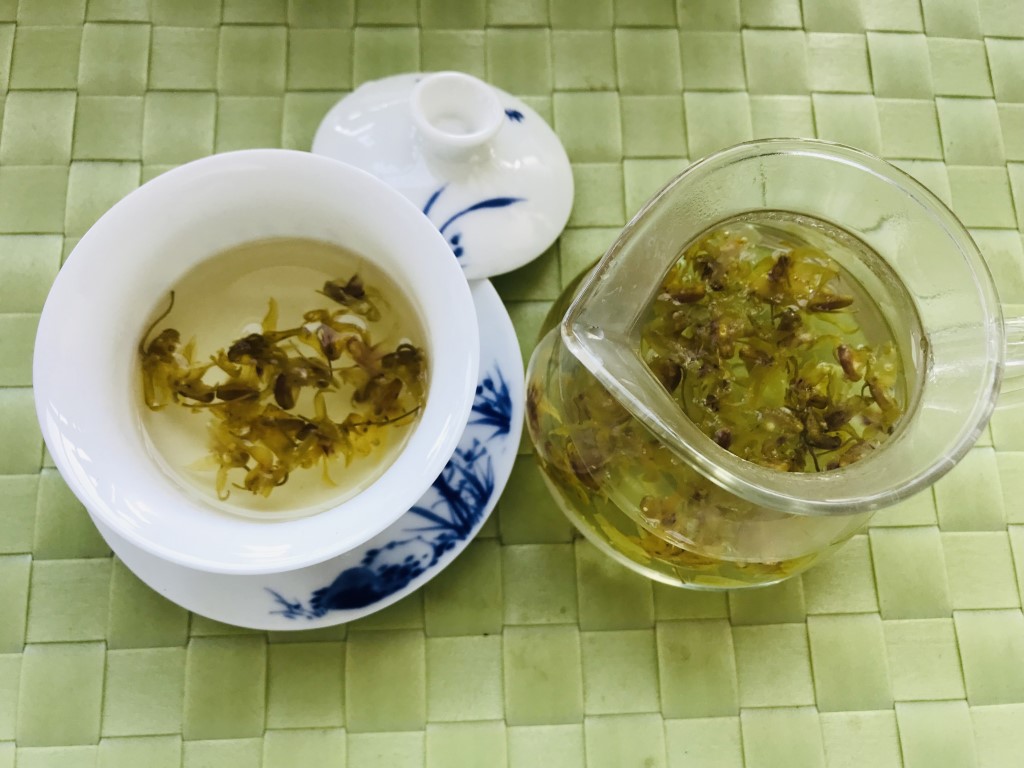
Why people make this tea
Iron-skin dendrobium (tie pi shi hu) is one of the more prized herbs in the Chinese pharmacopoeia, traditionally associated with regulating the qi of the internal organs, calming the mind, improving sleep, harmonising yin and yang, nourishing the stomach, generating fluids, easing tension, and supporting the heart. Dried dendrobium flowers are available in small quantities at Chinese herb shops and online — a little goes a long way, as the same batch of flowers can be re-steeped multiple times into a beautiful, lightly fragrant tea. The flowers are milder in therapeutic effect than the stems, but they carry many of the same properties and are an enjoyable, everyday way to access some of those benefits — especially for supporting stomach yin, generating fluids, and brightening and resting tired eyes.
Who it suits / who should be cautious
- Suitable for most adults as a gentle daily wellness tea
- Particularly associated with those who experience dry eyes, tired eyes (from screen use), dry mouth, stomach dryness, or mild heat in the digestive system
- The flowers are gentle in effect — a pleasant daily-use tea rather than a strong therapeutic dose
Why these ingredients (the food-therapy logic)
- Dendrobium flowers (tie pi shi hu hua): Contain polysaccharides and other active compounds similar to (but less concentrated than) the dendrobium stem; traditionally associated with nourishing the stomach yin, generating fluids in the mouth and digestive system, brightening and resting tired eyes, and supporting a calm, settled mind
- Honey (optional): Gently sweet; traditionally considered moistening for the lungs and stomach; complements the flavour of the flowers
Ingredients (1–2 cups)
| Ingredient | Amount | Notes |
|---|---|---|
| Dried dendrobium flowers (tie pi shi hu hua) | 1 tablespoon | ~3–5 g per steep |
| Honey | To taste (optional) | Add once slightly cooled |
Method
- Place the dried dendrobium flowers in a teapot or heatproof cup.
- Pour in freshly boiled water to fill.
- Steep for 5 minutes before drinking.
- The same flowers can be re-steeped multiple times with fresh boiling water.
- After the final steeping, the spent flowers can be eaten as-is or added to a lightly scrambled egg dish.
Bro Niu’s tips
The steeped flowers need not be wasted — they have a soft, pleasant texture after brewing and can be eaten straight from the cup or used in a quick egg stir-fry. Dried dendrobium flowers have a mild, clean fragrance; add a drizzle of honey once the tea has cooled slightly for a gently sweet finish. As a daily wellness tea, it is a simple and enjoyable way to support the body’s yin and fluid balance.
Community questions answered (selected)
-
Q (Emma): My 6-year-old son drank a bowl of green bean and job’s tears water last night and his hands and feet turned cold and his lips went pale, but after an hour and a half they returned to normal. Was the drink too cooling for him? Bro Niu: Green beans and job’s tears are both cooling in nature. If your son has a cool constitution, he is better off not taking them often. Warming, yin-toned beans like red beans are more suitable for him.
-
Q (Lulu): I have rosacea. Can you tell me what fruit and soups are best for me? I heard you come from a Chinese medicine family background. Bro Niu: I am not from a Chinese medicine family — I simply studied some Chinese herbal medicine. For rosacea, focus on foods that nourish the yin and kidneys gently, rather than strong tonics. Try roasted black soybeans steeped with dried black mulberries, or steep black goji berries (hei gou qi) as a tea. Suitable fruits include apple, orange, pear, grapes, passion fruit, prunes, dragon fruit, fig, and white peach. Go easy on warming, heating fruits like longan, lychee, and durian.
Published August 27, 2022 · Adapted and translated for Nourilo from a traditional home-kitchen recipe. Approx. 3 min read.