Soups
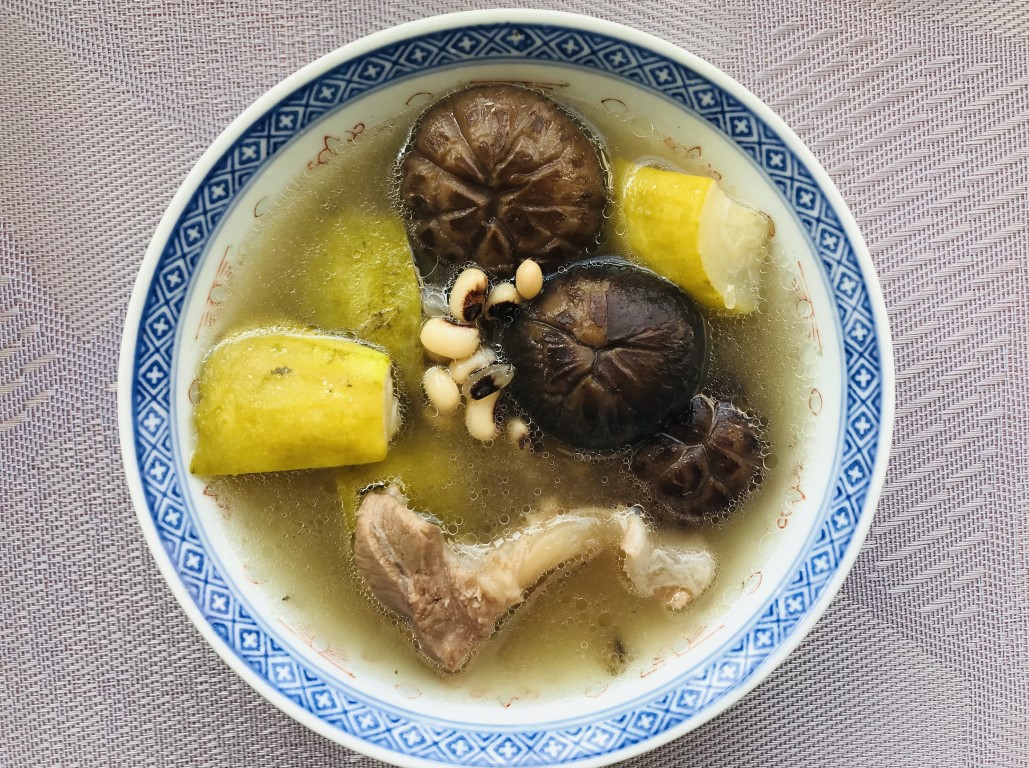
Night Jasmine, Winter Melon and Dried Duck Gizzard Soup
traditionally associated with clearing internal heat, soothing the stomach, and brightening the eyes
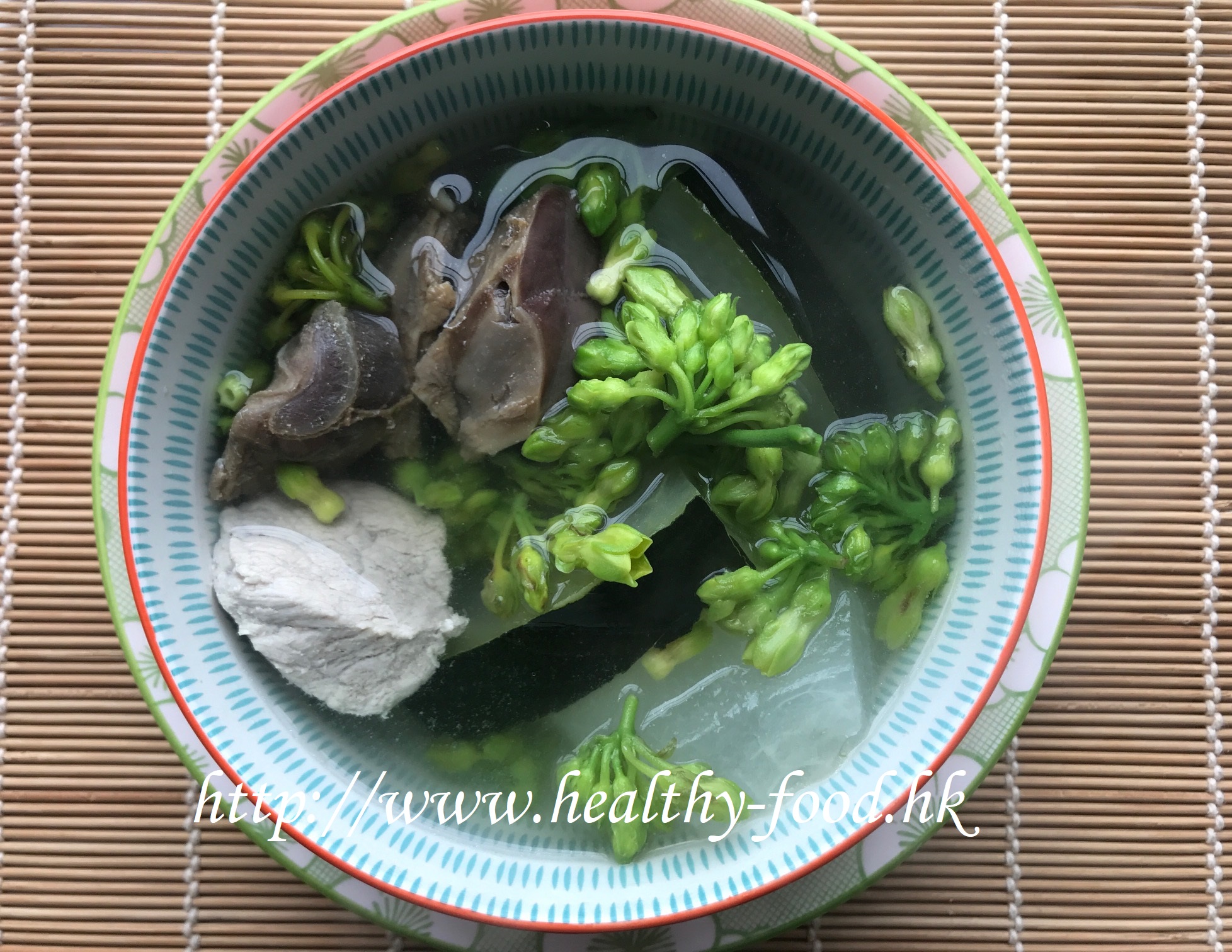
Why people make this soup
Night jasmine (ye xiang hua) is a climbing vine with clusters of small, intensely fragrant flowers that perfume the evening air across Southeast Asia. The blossoms are edible and prized in Cantonese cooking — whether tossed quickly in a hot wok with eggs, or added at the last moment to a simmering broth. In traditional food therapy, night jasmine is associated with dispersing heat, supporting digestive harmony, and nourishing the eyes — making it a thoughtful choice for anyone who spends long hours in front of screens.
Pairing the flowers with winter melon (which is considered cooling and helpful for fluid balance) and the deeply savoury dried duck gizzard — a classic Cantonese soup ingredient that lends a rich, rounded flavour — produces a broth that is both delicious and gently therapeutic. This is a popular soup for the warm months, when sluggish digestion, poor appetite, and redness in the eyes are most common.
Who it suits / who should be cautious
- Suitable for most adults and children; particularly helpful during hot weather.
- Good for those with a tendency toward eye strain, poor appetite, or mild indigestion.
- Also considered supportive for people managing high blood pressure or metabolic concerns, given the cooling and fluid-regulating nature of the ingredients.
- Note: night jasmine should not be over-cooked — add it at the end of cooking.
Why these ingredients (the food-therapy logic)
- Night jasmine (ye xiang hua): Traditionally associated with dispersing wind and surface heat, harmonising the stomach, moving qi and blood, and supporting clear vision.
- Winter melon (dong gua): Considered cooling and supportive of fluid movement in the body; traditionally used for internal heat and mild swelling.
- Dried duck gizzard (chen ya shen): A Cantonese pantry staple; traditionally thought to aid digestion and provide a savoury, mineral depth to soups.
- Lean pork: Provides body and protein to the broth.
Ingredients (4–5 bowls)
| Ingredient | Amount | Notes |
|---|---|---|
| Night jasmine flowers | 75 g | Rinsed gently; add at end of cooking |
| Winter melon | 600 g | Skin on, cut into chunks |
| Dried duck gizzard | 2 pieces | Blanched with the pork |
| Lean pork | 225 g | Sliced thick, blanched |
Method
- Gently rinse the night jasmine flowers and set aside — they will be added at the very end.
- Wash the winter melon and cut into large chunks, leaving the skin on.
- Slice the lean pork into thick pieces. Blanch the pork and dried duck gizzard together in boiling water for 1–2 minutes; drain and rinse.
- Place the winter melon, duck gizzard, and pork into a pot with 8–9 bowls of water (about 2–2.2 litres). Bring to a boil, then reduce to a gentle simmer and cook for 2 hours until the broth reduces to about 5 bowls.
- Add the night jasmine flowers and bring back to a boil for 5 minutes only — do not cook the flowers longer or their fragrance will be lost.
- Serve immediately, eating the solid ingredients with the broth.
Bro Niu’s tips
This soup has a clean, delicately savoury flavour and is enjoyable for all ages. The key technique is to add the night jasmine only at the very end and to cook them briefly — prolonged heat destroys both the aroma and the beneficial properties. This is an excellent soup for the height of summer, and people who are managing blood pressure or metabolic concerns may find it especially useful as a regular part of their diet.
Community questions answered (selected)
- Q (Esther): After eating beef I get dry mouth and a sore throat. Is this because I cannot tolerate warming foods? Bro Niu: Beef is warming in nature and you may be prone to excess internal heat. Try ostrich meat — it is nutritionally similar to beef but less warming. If you want to eat beef, pair it with tomatoes and carrots, and leave out the ginger to avoid making it more drying.
Published April 19, 2021 · Adapted and translated for Nourilo from a traditional home-kitchen recipe. Approx. 3 min read.