Soups
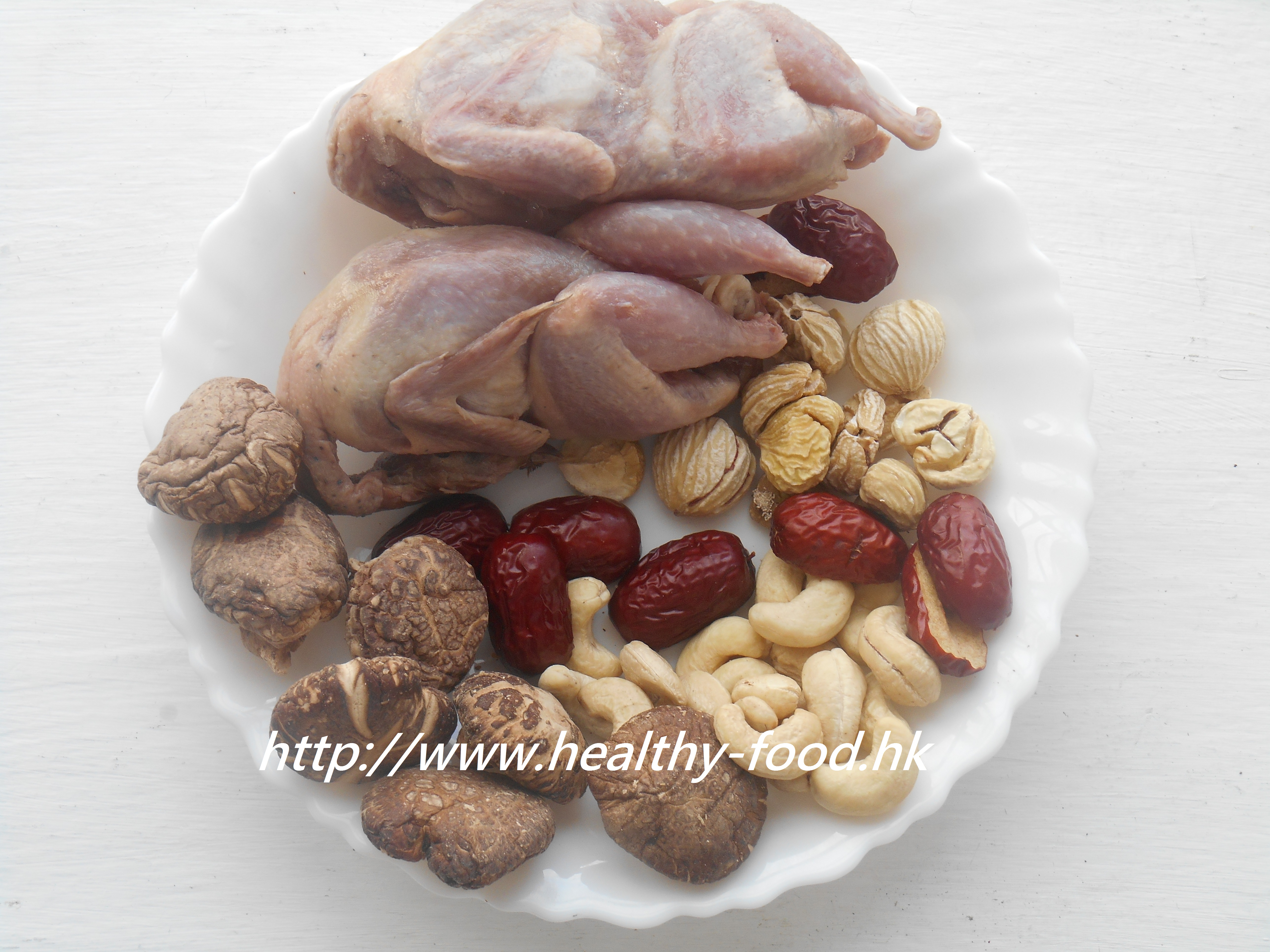
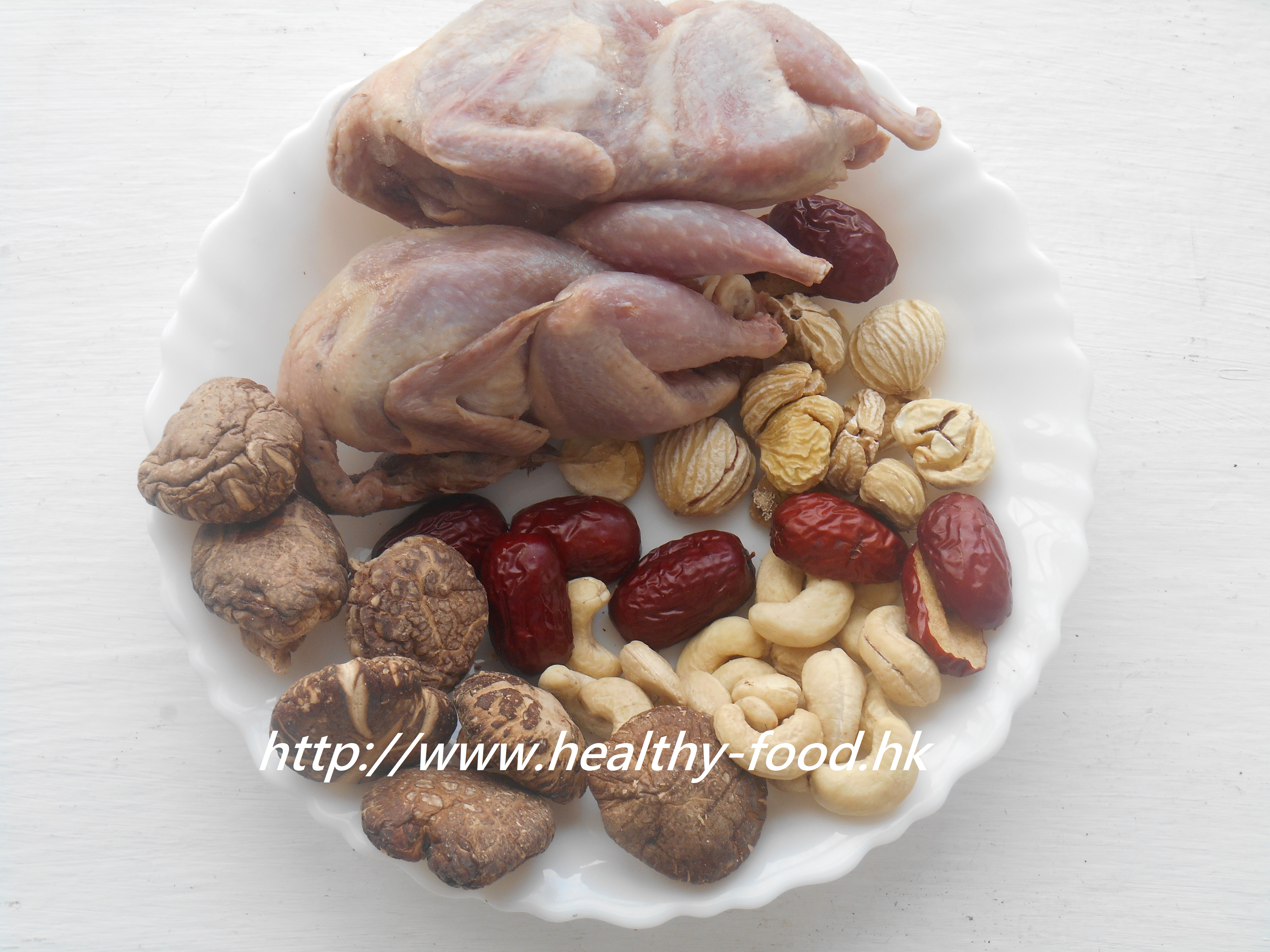
Shiitake Mushroom, Cashew, Chestnut and Quail Soup
traditionally associated with supporting bone development and healthy growth in children
Why people make this soup
If you have a child who seems to be growing more slowly than expected, one of the most important things is simply a balanced, varied diet — less soda and fried food, more whole ingredients. Bro Niu recommends this fragrant soup as a regular addition to a growing child’s menu. Shiitake mushrooms and quail both provide quality protein, cashews add healthy fats, and chestnuts are traditionally called the “fruit of the kidneys” — long prized in Chinese food therapy for their association with strong bones and legs. Together, this combination has been brewed for generations as a gentle, everyday support for bone growth and overall development.
Who it suits / who should be cautious
- Suitable for children, teenagers, and older adults who want to support bone health
- The whole family can enjoy this soup — it is mild and not strongly warming or cooling
- Suitable for those looking to complement a diet aimed at reducing the risk of osteoporosis
- No major contraindications; those with tree-nut allergies should omit cashews and substitute another protein-rich ingredient
Why these ingredients (the food-therapy logic)
- Shiitake (dong gu): Rich in polysaccharides and quality protein; traditionally said to support the spleen, stomach, and immune function
- Cashew (yao guo): A nutrient-dense nut that contributes healthy fats and minerals; used in food therapy to nourish and strengthen
- Chestnut (li zi): Traditionally called the “fruit of the kidneys” — associated with strengthening bones, knees, and the lower back; supports kidney qi in TCM
- Quail (an chun): A lean, flavourful bird high in protein; considered milder and more easily digestible than chicken
- Red dates (hong zao): Support the spleen and stomach, improve qi and blood, and add natural sweetness to the broth
Ingredients (4–5 bowls)
| Ingredient | Amount | Notes |
|---|---|---|
| Dried shiitake mushrooms | 3–4 pieces | Soaked until soft; stems removed |
| Cashew nuts | ~38 g (1 liang) | Rinsed |
| Dried chestnuts | ~75 g (2 liang) | Rinsed; fresh chestnuts ~112 g work even better |
| Quail | 2 birds | Cleaned and blanched; squab or chukar partridge can substitute |
| Fresh ginger | 2 slices | |
| Red dates, pitted | 6 pieces | |
| Water | 8 bowls (~2 litres) |
Method
- Soak the shiitake mushrooms in cold water until soft (about 30 minutes). Discard the stems; keep the soaking water if it is clean (add it to the pot for extra flavour).
- Rinse the cashews and dried chestnuts under cold water.
- Pit the red dates.
- Clean the quail thoroughly, then blanch in boiling water for 1–2 minutes to remove impurities. Drain and rinse.
- Place all ingredients into a pot with 8 bowls of water.
- Bring to a boil, then reduce heat and simmer for 2 hours.
- Serve and eat both the broth and the solid ingredients.
Bro Niu’s tips
This broth is lightly fragrant and pleasant — the whole family, young and old, can enjoy it. It is also associated with supporting bone density in older adults. If you can find fresh chestnuts, those are even better; use about 112 g (3 liang) fresh instead of the dried amount. Aim for about twice a week for consistent benefit — eating the mushrooms, chestnuts, and nuts along with the soup is important; the broth alone gives only partial effect.
Community questions answered (selected)
-
Q (Tracy Chong): Can I substitute fish for the quail? I can’t find quail in Macau, and my son is short for his age. Bro Niu: Yes, small whole sea fish work well — place them in a soup bag to avoid bones scattering through the mushrooms and chestnuts. Use small, fresh fish from the fish stall if you can.
-
Q (Amy): Can I use pork bones instead of quail? Bro Niu: Yes, pork bones are fine.
-
Q (anonymous): How many times a week should we drink this? Bro Niu: About twice a week is right.
Published July 9, 2018 · Adapted and translated for Nourilo from a traditional home-kitchen recipe. Approx. 3 min read.