Soups
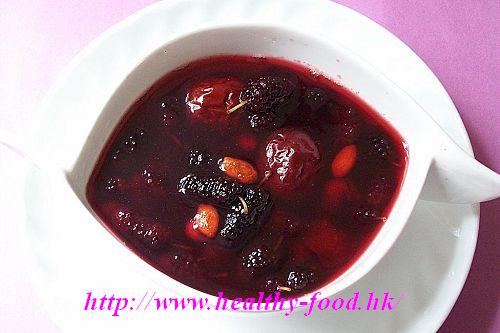
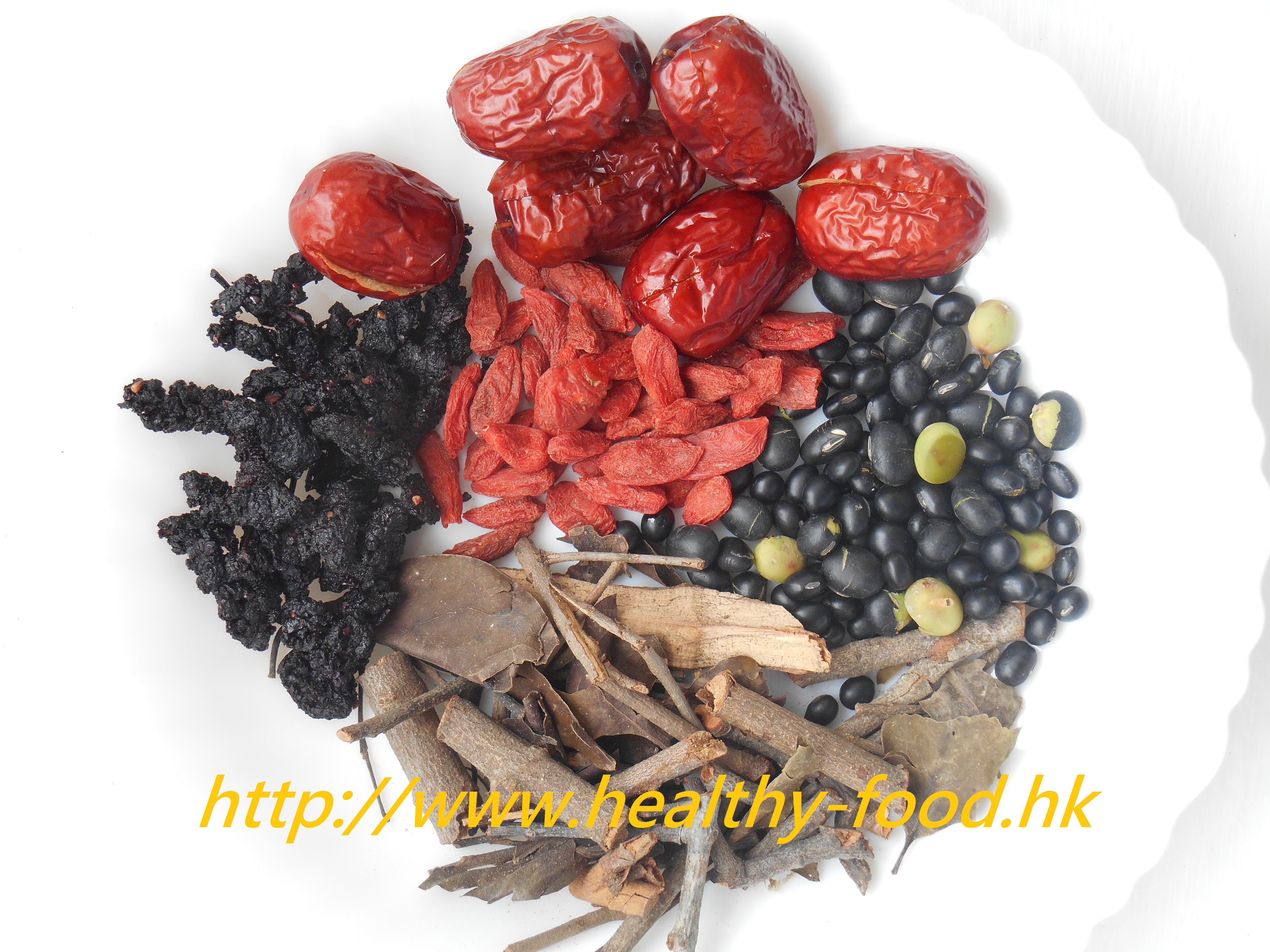
Mulberry Mistletoe, Mulberry Fruit, Goji and Black Bean Soup
traditionally used to nourish liver and kidney, support hair vitality, and ease premature greying or hair loss
Why people make this soup
It is disheartening to find grey hairs in your thirties, or to notice your hair thinning before middle age. In Chinese food therapy, hair health is closely linked to the kidneys and liver — when these organ systems are nourished and the blood is abundant, the hair tends to be dark and strong. When they are depleted, the hair may be the first place to show it. Bro Niu found a bag of deep, ripe dried mulberries at the market — sweet, almost like a gentle berry jam in flavour — and was reminded of how well they combine with the other dark, kidney-nourishing ingredients in this soup. The result is a gently sweet, earthy brew that smells and tastes wonderful, and is a practical everyday addition to a wellness routine for anyone concerned about their hair.
Who it suits / who should be cautious
- Suitable for adults of all ages experiencing premature greying, gradual hair loss, or dull hair associated with overwork or qi and blood deficiency
- Also traditionally used as a calming soup for dizziness, tinnitus, and nervous exhaustion
- Postpartum hair loss: safe after birth, with 3–4 times a week recommended
- Children can drink this soup (in smaller quantities); suitable from around age 6
- Those with active fever or acute external illness should not drink this soup
- Mulberry fruit (sang shen zi) is slightly cooling in nature; the combination with goji, red dates, and black beans balances this, making the overall soup neither cold nor heating
Why these ingredients (the food-therapy logic)
- Mulberry mistletoe (sang ji sheng): Considered neutral in nature; traditionally associated with nourishing liver and kidney, supporting tendons and bones, and having a calming, stabilising effect. Often used in pregnancy wellness soups for its reputed anchor-energy properties.
- Dried mulberry fruit (sang shen zi): Sweet, slightly cooling. Traditionally valued for nourishing liver and kidney yin, enriching the blood, and helping to maintain dark, healthy hair. Bro Niu recommends the deep-black variety for best results.
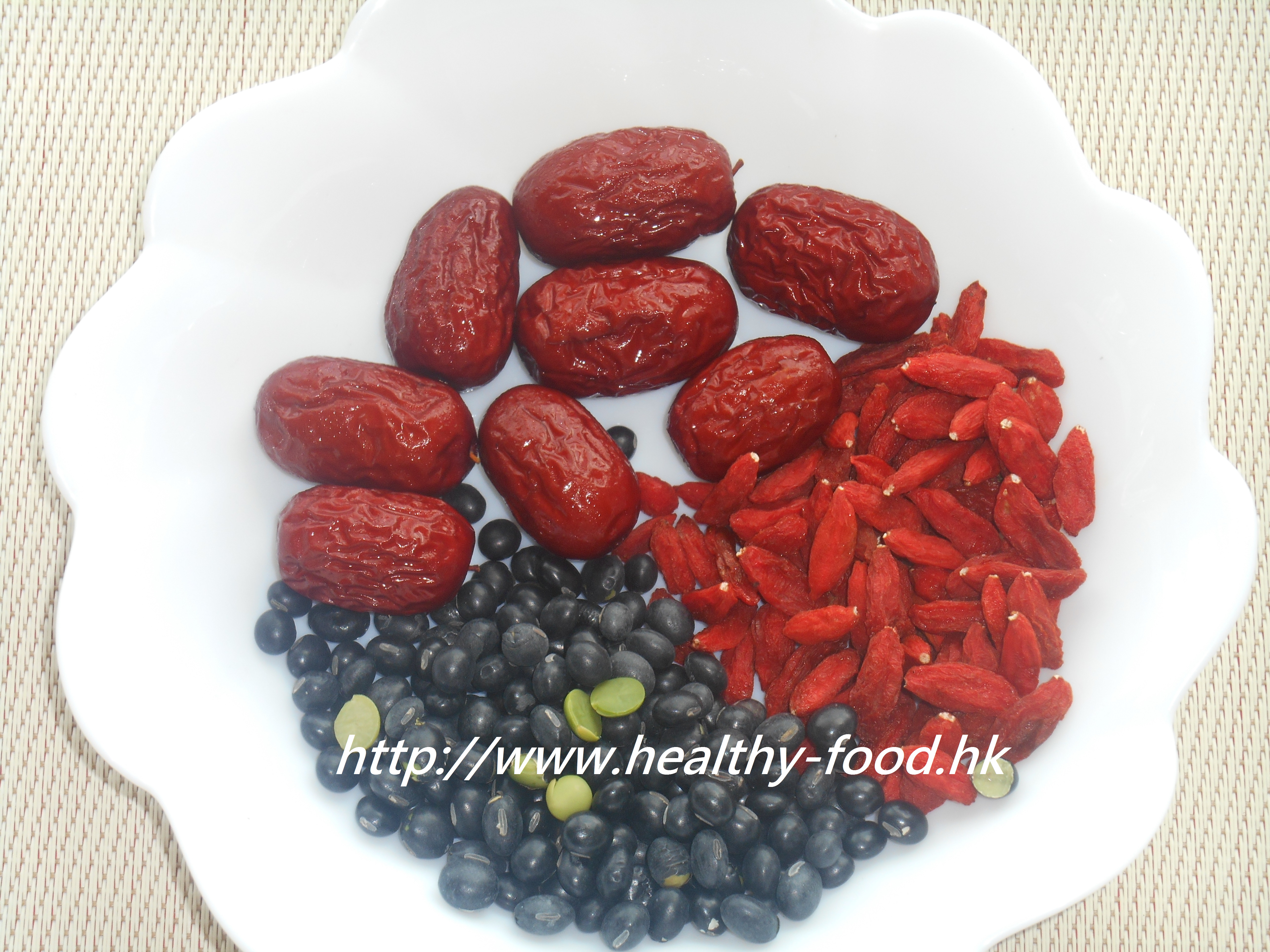
- Goji berries (gou qi zi): A beloved everyday tonic; supports liver and kidney, brightens the eyes, and nourishes blood and yin. Balances the slight cooling quality of the mulberry fruit.
- Green-kernel black beans (qing ren hei dou): In Chinese food therapy, black foods are traditionally associated with the kidney channel. The green-kernel variety (the flesh inside is green rather than yellow) is considered to have stronger medicinal value.
- Red dates (hong zao): Warming, naturally sweet, and excellent for nourishing blood and moderating the other ingredients.
Ingredients (3 bowls)
| Ingredient | Amount | Notes |
|---|---|---|
| Mulberry mistletoe (sang ji sheng) | 1 liang (~37 g) | Processed (zhi) form preferred for milder taste |
| Dried mulberry fruit (sang shen zi) | 3 qian (~11 g) | Use deep-black variety if available |
| Goji berries | 3 qian (~11 g) | |
| Red dates | 6 pieces | |
| Green-kernel black beans (qing ren hei dou) | 1 liang (~37 g) |
Method
- Soak all ingredients briefly in cold water, then rinse.
- Place all ingredients in a pot with 6 bowls of water.
- Bring to a boil over high heat, then reduce to a gentle simmer.
- Cook for about 1 hour until approximately 3 bowls of liquid remain.
- Drink the broth; you can also eat the goji berries, dates, and black beans.
Bro Niu’s tips
Black beans can be lightly dry-toasted before use (in a dry pan, about 12 minutes) — this enhances their warming and nourishing quality, though untoasted beans work perfectly well for a soup. Toasted black beans are essential if making a tea version. The processed (zhi) form of mulberry mistletoe has a milder, less bitter flavour; if using unprocessed mulberry mistletoe, add a few extra red dates to balance the taste. Lean pork or black chicken (wu ji) can be added to make the soup more substantial. Avoid leaving the herb dregs overnight in the broth — remove them after cooking for best quality.
Community questions answered (selected)
-
Q (anonymous): Can this be made into a daily tea for postpartum use? Bro Niu: This is suitable postpartum, but there is no need to drink it every single day — the body needs to do some of its own work too. Two to three times a week is enough.
-
Q (vnslau): My Chinese medicine doctor says I have weak qi, blood, and spleen. Is mulberry fruit cooling? Bro Niu: Mulberry fruit is slightly cooling; mulberry mistletoe is neutral in nature. Together with goji, red dates, and black beans, the overall soup is neither cold nor heating — well balanced for most constitutions.
-
Q (Nat): My four-year-old’s hair is brownish rather than black. Can food therapy help darken it? My husband has hereditary white hair. Bro Niu: Hair colour is influenced by genetics, but you can try roasting green-kernel black beans (wash, dry, then dry-toast in a pan for 12 minutes) and storing them in a jar. Use one tablespoon with one tablespoon of dried black mulberry berries, steeping as a tea or simmering briefly. Two to three times a week may support liver and kidney health and gradually improve the hair.
Published December 27, 2013 · Adapted and translated for Nourilo from a traditional home-kitchen recipe. Approx. 4 min read.