Home-Style Dishes
Mulberry Honey Paste
Traditionally used to support the kidney, calm the mind and aid restful sleep
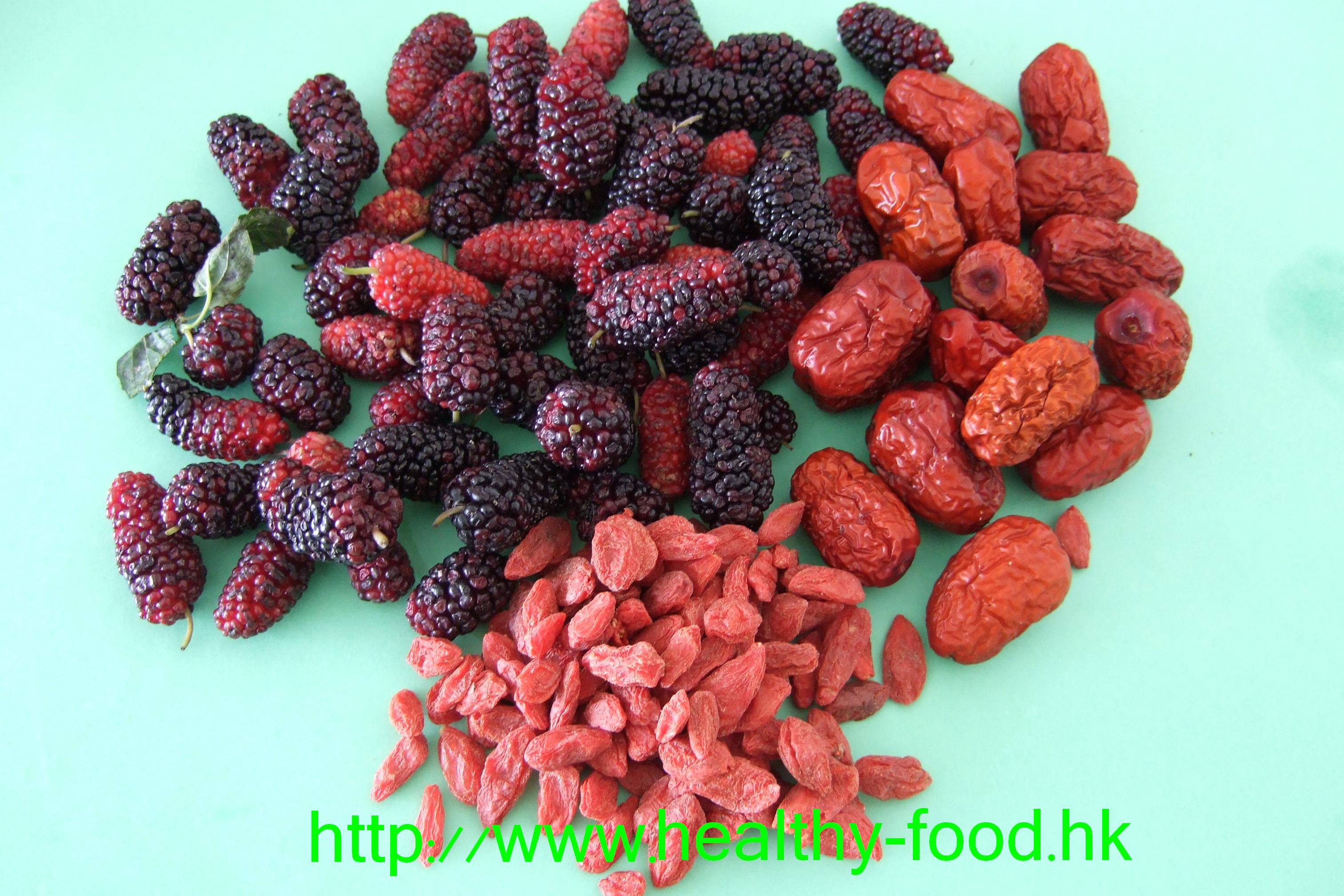
Why people make this paste
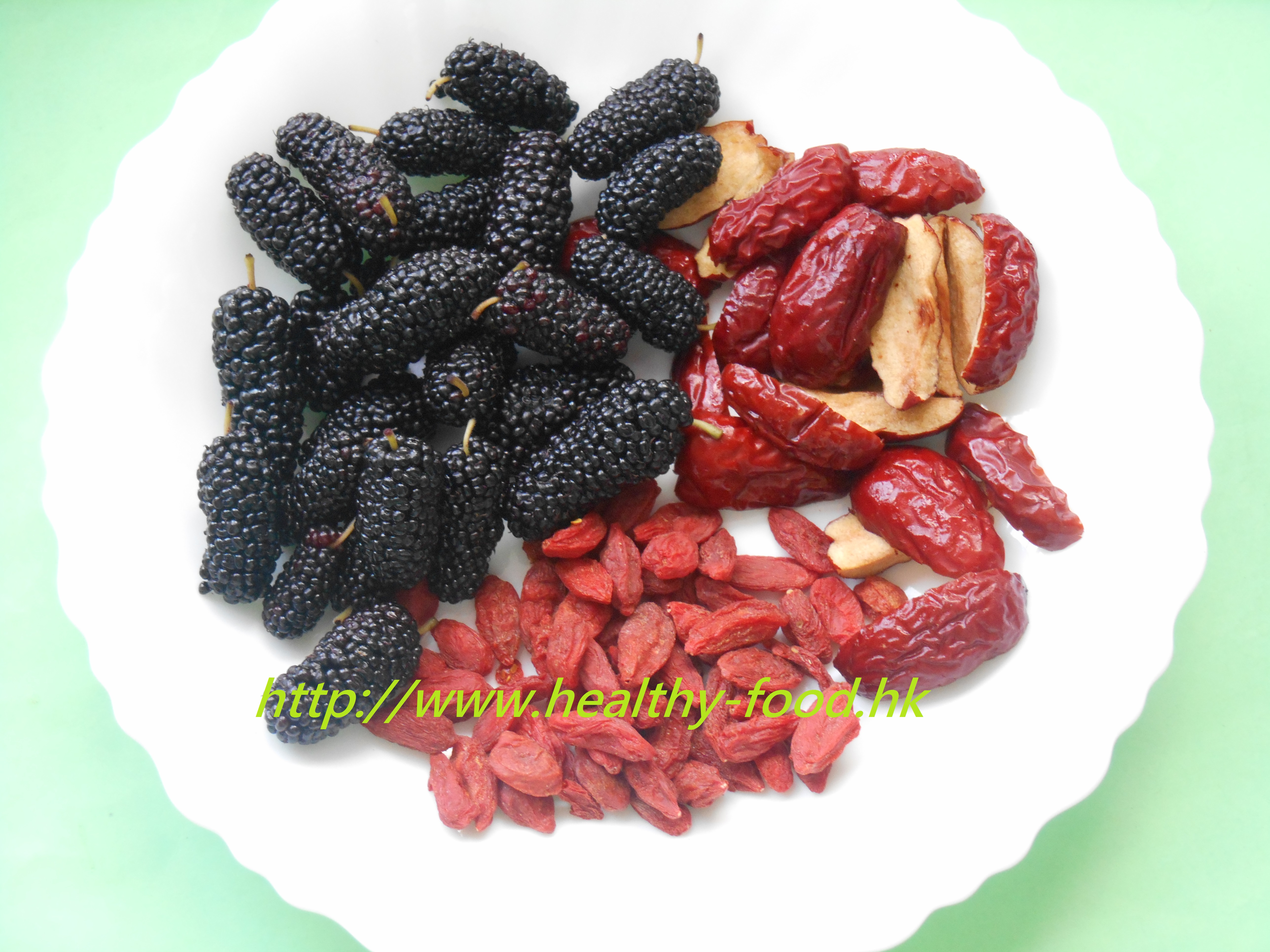
When mulberries are at their sweet, ripe best, Bro Niu always buys some — to steep in wine, or to make a homemade mulberry honey for his own use. In traditional food therapy mulberries are associated with nourishing the liver and kidney, sharpening hearing and sight, calming the mind, and moistening the bowels. Cooked down with red dates and goji berries into a paste, it’s a comforting everyday tonic traditionally linked with supporting restful sleep, easing forgetfulness and ringing ears, and helping with prematurely graying or thinning hair.
Who it suits / who should be cautious
- Suits those wanting a gentle daily tonic for sleep, memory, hair and skin; Bro Niu notes it’s also fitting for women after childbirth or anyone recovering from a serious illness who feels depleted.
- Not suitable while you have a cold or chill, nor for those with a weak, cold spleen and stomach prone to loose stools.
- People with high blood sugar should go easy on the red dates; honey is not for infants under one year.
Why these ingredients (the food-therapy logic)
- Mulberry (sang shen): traditionally used to nourish the liver and kidney, calm the mind, and moisten the bowels; associated with supporting sleep, hearing, sight and healthy hair.
- Red dates (hong zao): traditionally used to nourish blood and warm the middle.
- Goji berries (gou qi zi): traditionally associated with supporting the liver, kidney and eyes.
- Honey (feng mi): smooths, sweetens and binds the paste; add it once the liquid has thickened and cooled a little.
Ingredients (about 1 jar)
| Ingredient | Amount | Notes |
|---|---|---|
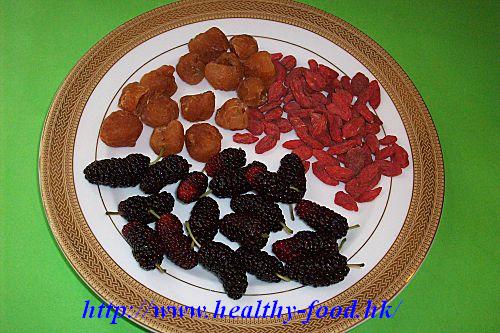
| Fresh mulberries (sang shen) | 4 liang (~150 g) | Washed |
| Red dates (hong zao) | 6 liang (~225 g) | Pitted, shredded |
| Goji berries (gou qi zi) | 4 liang (~150 g) | Washed |
| Honey (feng mi) | 300 g | Add at the end |
Method
- Wash the mulberries, red dates and goji berries. Pit the red dates and shred them.
- Put the three ingredients in a pot, add water to just cover, and cook for 30 minutes; strain off the liquid.
- Add water again to just cover, cook another half hour, and strain again. Combine the two batches of liquid.
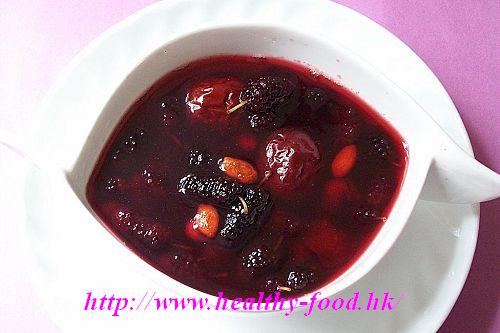
- Simmer over low heat until somewhat thick and syrupy, then stir in the honey until smooth.
- Take 1 tablespoon each time, stirred into warm water, twice a day.
Bro Niu’s tips
This paste is pleasant-tasting and is also very suitable for women after childbirth or anyone recovering from a serious illness who feels weak. Taken regularly it’s traditionally said to nourish skin and complexion, making it a nice everyday tonic for middle-aged and older folk. Use the strained liquid for the paste, not the pulp.
Community questions answered (selected)
-
Q (YU): When should this kidney-supporting, mind-calming mulberry honey paste NOT be taken? Bro Niu: Mulberry paste should not be taken by those with a cold or chill, or with a weak, cold spleen and stomach prone to loose stools.
-
Q (Ting): When making this mulberry honey paste, do you keep only the liquid, not the pulp? Which honey is best? Bro Niu: Yes — take the liquid from the two rounds of cooking and add honey. I use honey from Lishan in Taiwan, sold at shops that carry Taiwanese foods.
-
Q (Zhen-zhen): Are mulberry (sang shen zi) and black plum the same? If I steep wine or make paste with black plum, is the effect the same? Bro Niu: Black plum and mulberry are two different fruits. Do you mean dark/smoked plum (wu mei)? Wu mei is used to ease cough, resolve phlegm, settle the gut and generate fluids — completely different from mulberry.
Published March 20, 2011 · Adapted and translated for Nourilo from a traditional home-kitchen recipe. Approx. 3 min read.