Soups
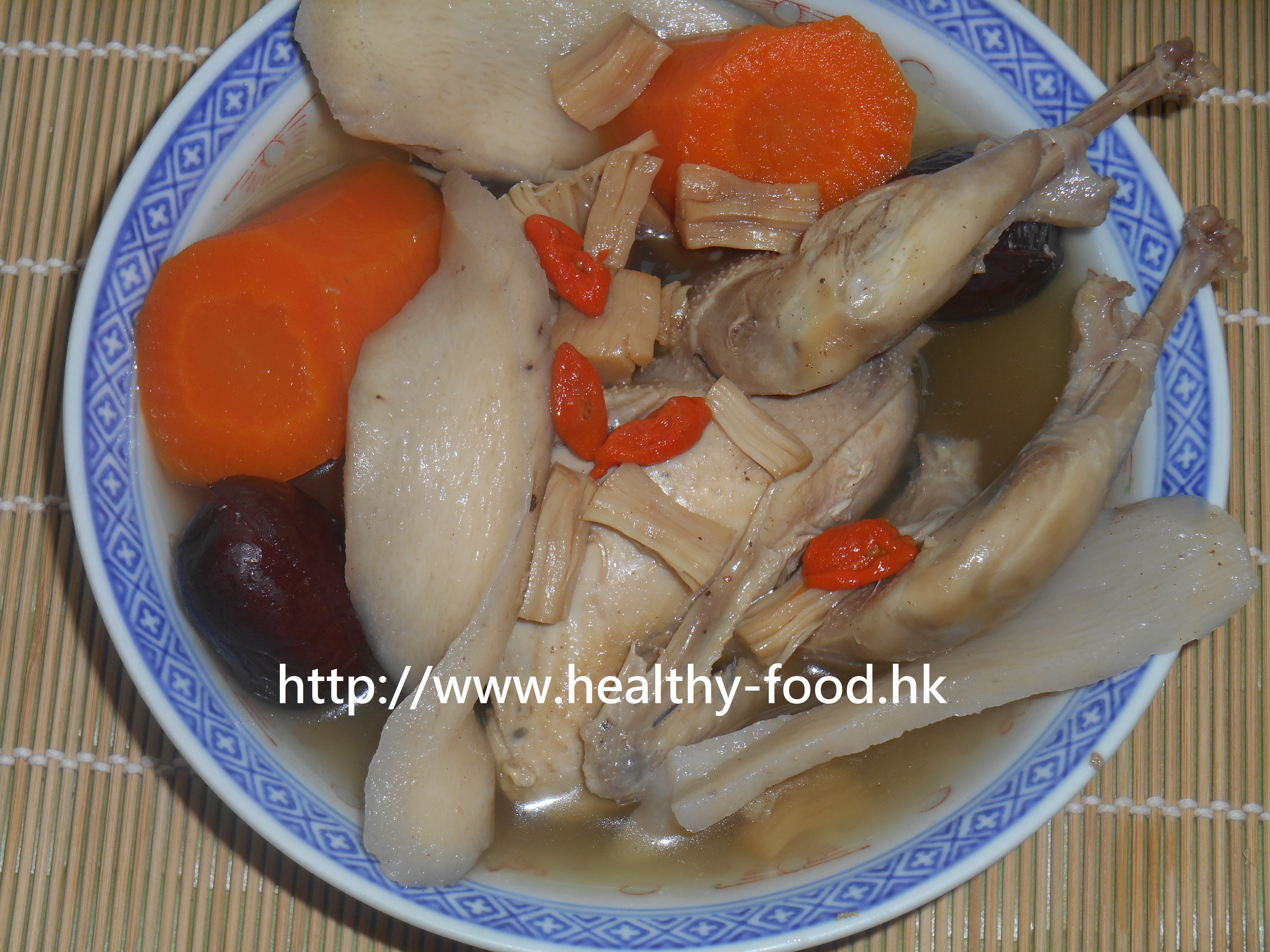
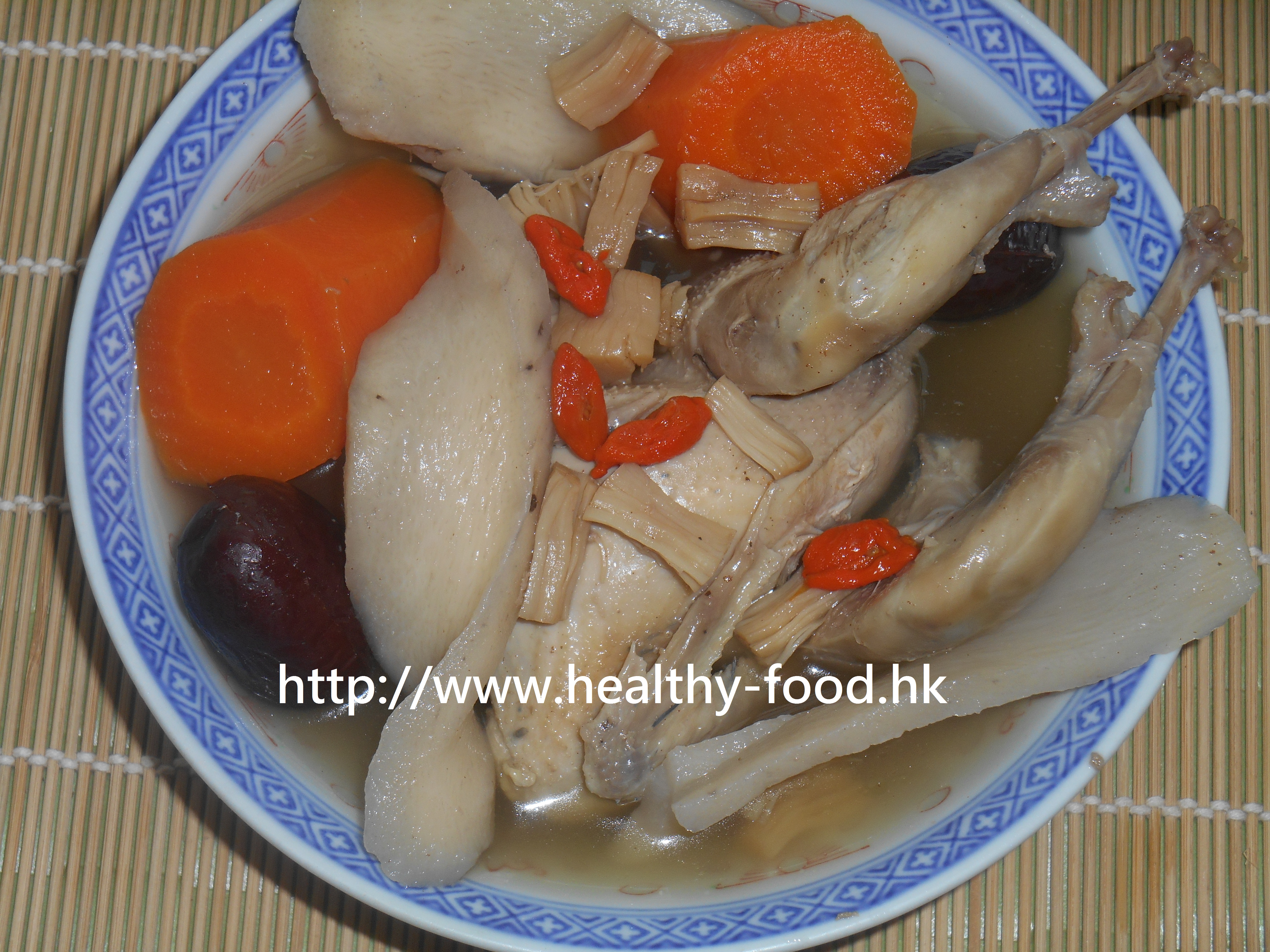
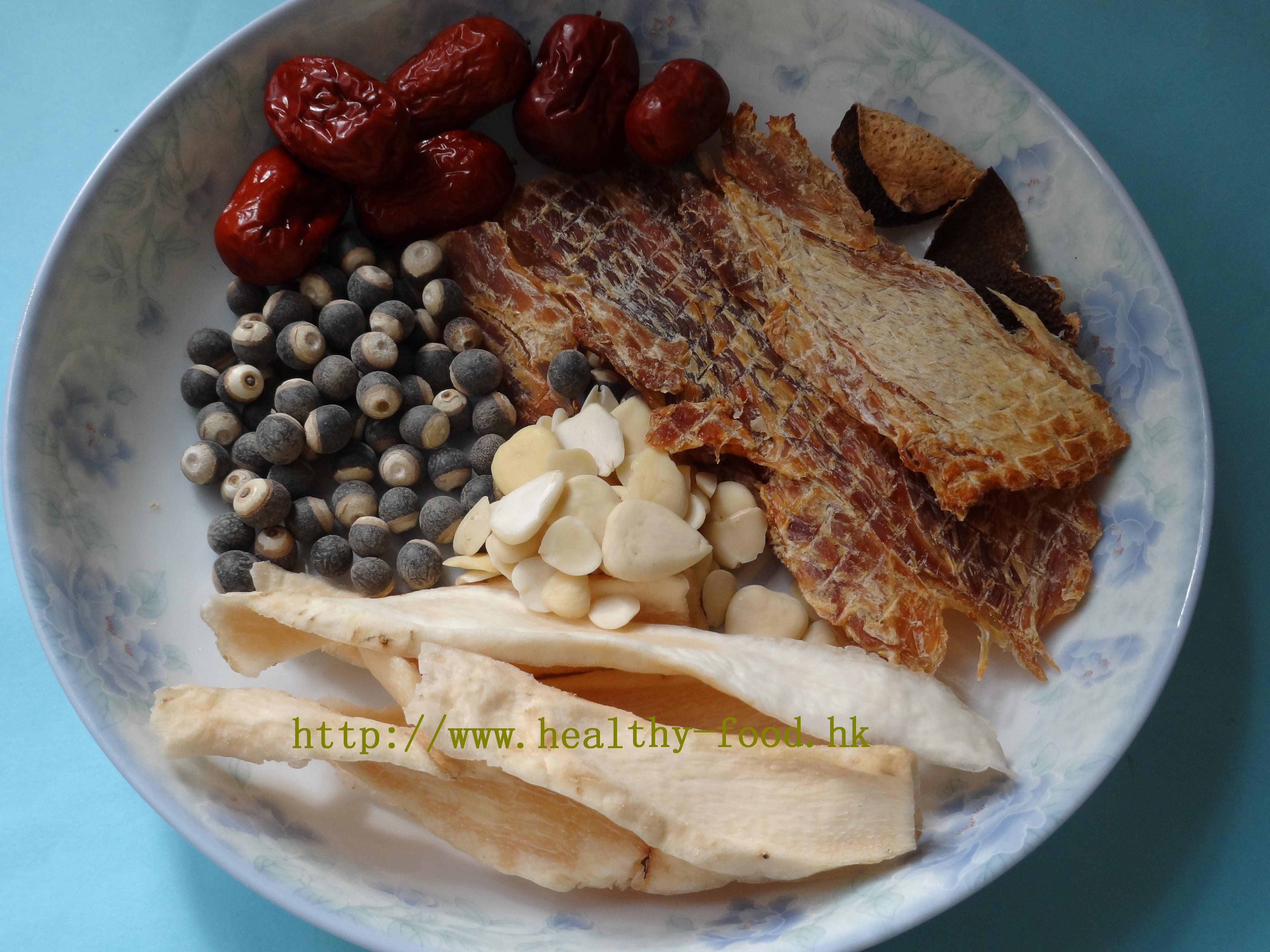
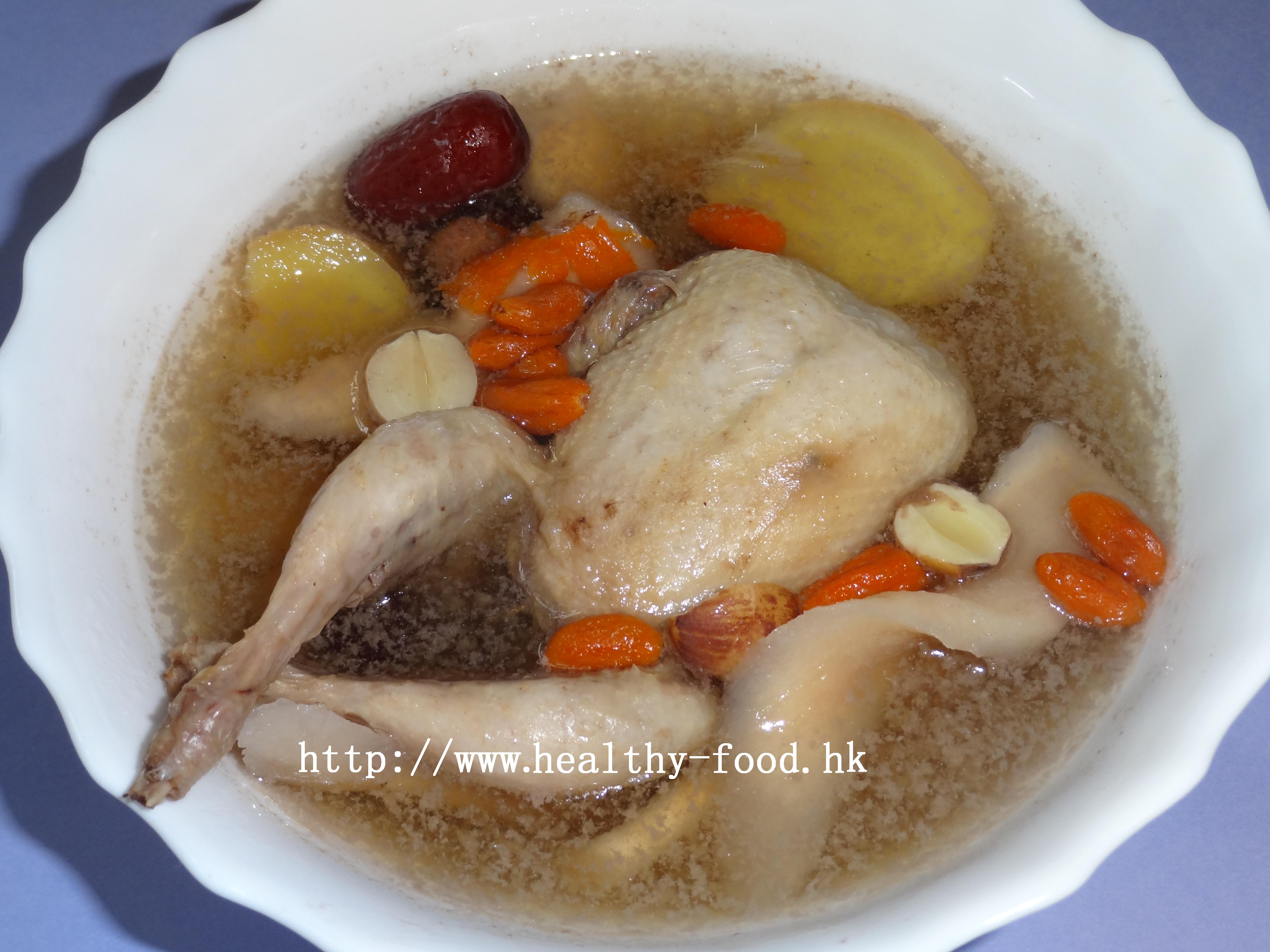
Monkey Head Mushroom, Chinese Yam, Gorgon Seed and Lily Bulb Soup
Traditionally associated with strengthening the spleen to reduce phlegm, supporting digestion, and building resilience in children

Why people make this soup
When young children start attending school or nursery, they are suddenly exposed to a much larger pool of airborne viruses and bacteria. It is not unusual for a child to seem to be perpetually recovering — a runny nose fading into a chesty rattle that never quite goes away. In Chinese medicine, this phlegm-prone tendency in children is often linked to a weakened spleen function, because the spleen (in the traditional sense) governs digestion and the processing of dampness in the body. When the digestive system is not working at full strength, the body tends to produce more phlegm. The remedy, then, is not just to chase the phlegm but to strengthen the foundation — and that is exactly what this gentle, savoury soup aims to do. It is suitable for the whole family, not just children.
Method
- Soak the monkey head mushrooms in cold water for about 20–30 minutes until soft. Squeeze out excess water gently before using.
- Rinse the remaining dried ingredients.
- Combine all ingredients in a pot with 1.8 L of cold water.
- Bring to a boil, then reduce to a gentle simmer.
- Cook for about 2 hours until the liquid reduces to roughly 900 ml.
- Serve the soup and encourage children to eat the mushroom, yam, and euryale seeds alongside the broth.
Nourilo’s Tips
This recipe is flexible: rice can be added to make a congee version, or lean pork added for a more substantial savoury soup. All versions are equally suitable for the whole family. The ingredients are gentle enough for regular use. Other mushrooms — such as shiitake, himematsutake (ji song rong), or maitake — can be added alongside without any conflict. Chayote (he zhang gua) and carrot are also pleasant additions. If the child also has a lot of phlegm, Nourilo suggests addressing the phlegm directly first with a separate remedy before starting this strengthening soup, as tonifying soups are generally not used during an active acute condition.
Comments
Join the conversation — sign in or create a free account to comment.
Continue with GoogleLoading comments…