Herbal & Flower Teas
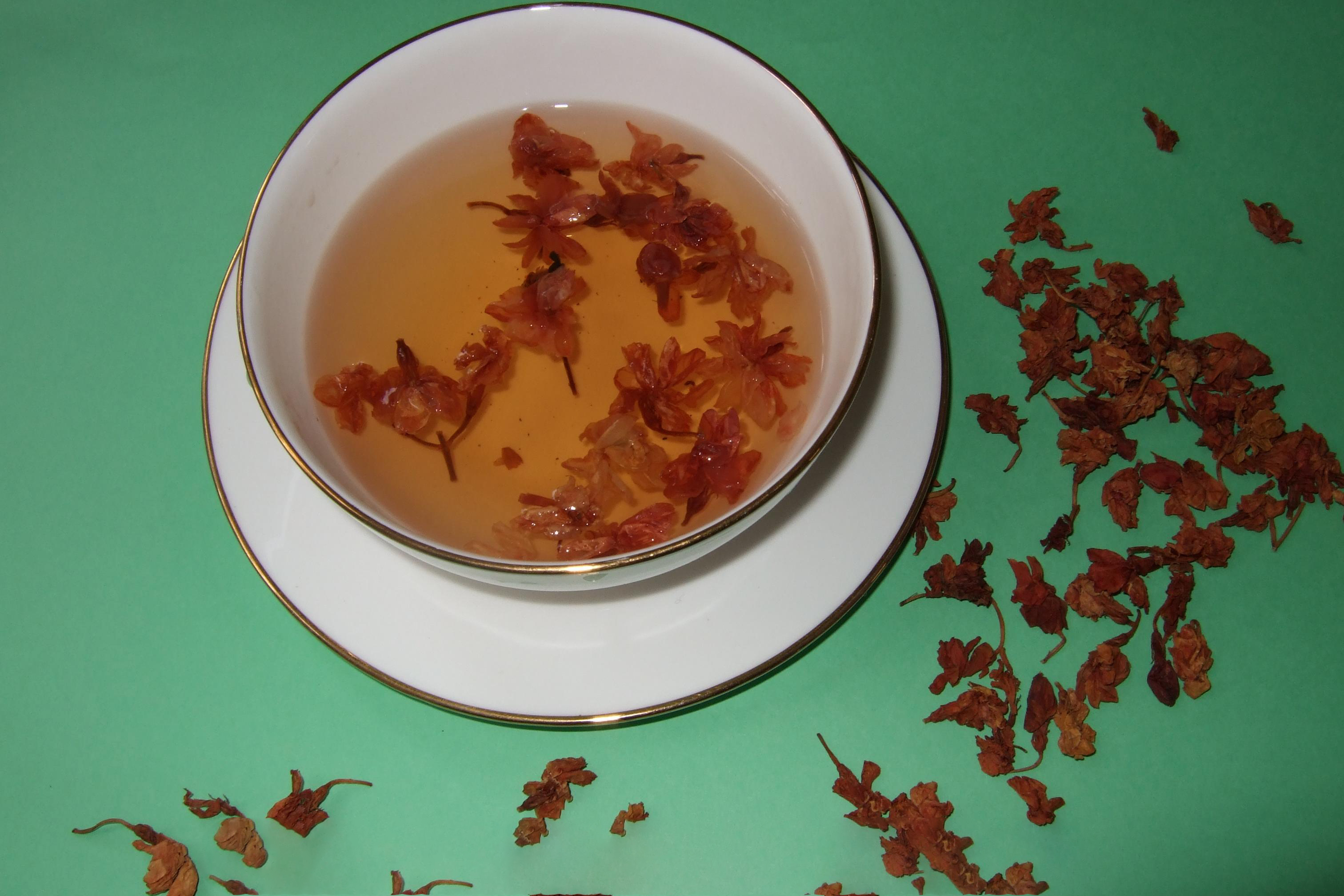
Monk Fruit Flower Tea with Honey
Traditionally associated with clearing heat and dampness, relieving cough, calming the lungs, and dissolving phlegm
Why people make this tea
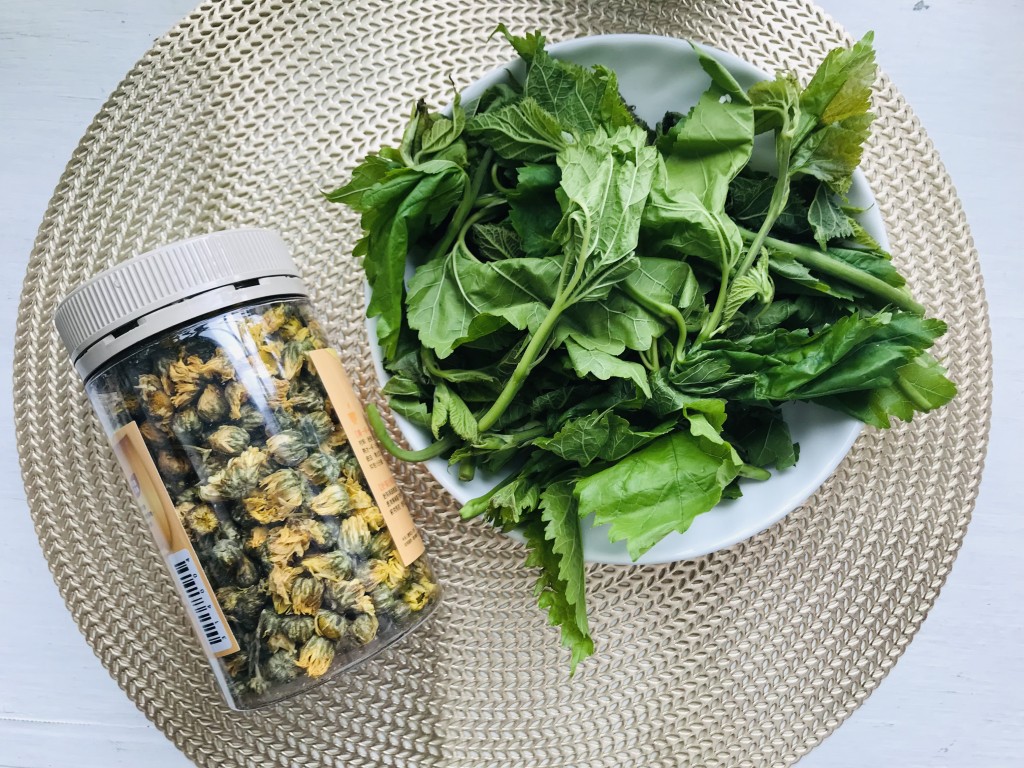
Most people in the West have encountered monk fruit (luo han guo) as a natural sweetener, prized because its mogrosides are intensely sweet without raising blood sugar. But the flower of the monk fruit vine is a separate ingredient with its own traditional therapeutic profile — and considerably less sweet. The flowers have a subtly pleasant aroma and a mild taste, without the strong sweetness of the fruit. In traditional Chinese food therapy, monk fruit flower shares some therapeutic territory with the fruit — clearing heat and dampness, resolving phlegm, stopping cough, calming the lungs, and clearing the heart — but it is particularly noted for two things: relieving persistent, chronic coughs, and supporting the body in managing allergic responses. Monk fruit flowers are available at Chinese or Asian herb shops and online. Adding honey completes the tea gently and soothes the throat.
Who it suits / who should be cautious
- Suitable for adults and children experiencing heat-type cough, phlegm accumulation, or excessive dampness.
- Particularly noted for persistent or chronic cough and allergy-related cough.
- Children with coughs accompanied by heat can drink this tea; if the child is under 1 year, omit the honey.
- Those with cold constitutions or cold-type coughs (clear, watery phlegm, no throat inflammation) should add a piece of dried tangerine peel and reduce the frequency of use.
- For very persistent allergic coughs, Bro Niu recommends seeking an experienced traditional Chinese medicine practitioner.
Why these ingredients (the food-therapy logic)
- Monk fruit flower (luo han guo hua): The blossom of the Siraitia grosvenorii vine, which also produces the sweet monk fruit. While the flowers are less sweet than the fruit, they share similar heat-clearing, phlegm-resolving properties and are particularly valued in folk tradition for persistent, hard-to-resolve coughs and allergic airway conditions. The flowers also have a natural fragrance that makes the tea pleasant to drink.
- Honey (feng mi): Gently lubricates and soothes the throat; adds mild antibacterial benefit. Always add to warm (not boiling) liquid.
Ingredients (1–2 cups)
| Ingredient | Amount | Notes |
|---|---|---|
| Dried monk fruit flowers | 1 tablespoon | Available at traditional herb shops |
| Raw honey | To taste | Add once tea has cooled to drinking temperature |
Method
- Place the monk fruit flowers in a teapot.
- Rinse once with boiling water and discard the first rinse.
- Pour fresh boiling water over the flowers and steep for about 5 minutes.
- Pour into a cup and allow to cool to a comfortable drinking temperature.
- Stir in honey to taste and drink.
Bro Niu’s tips
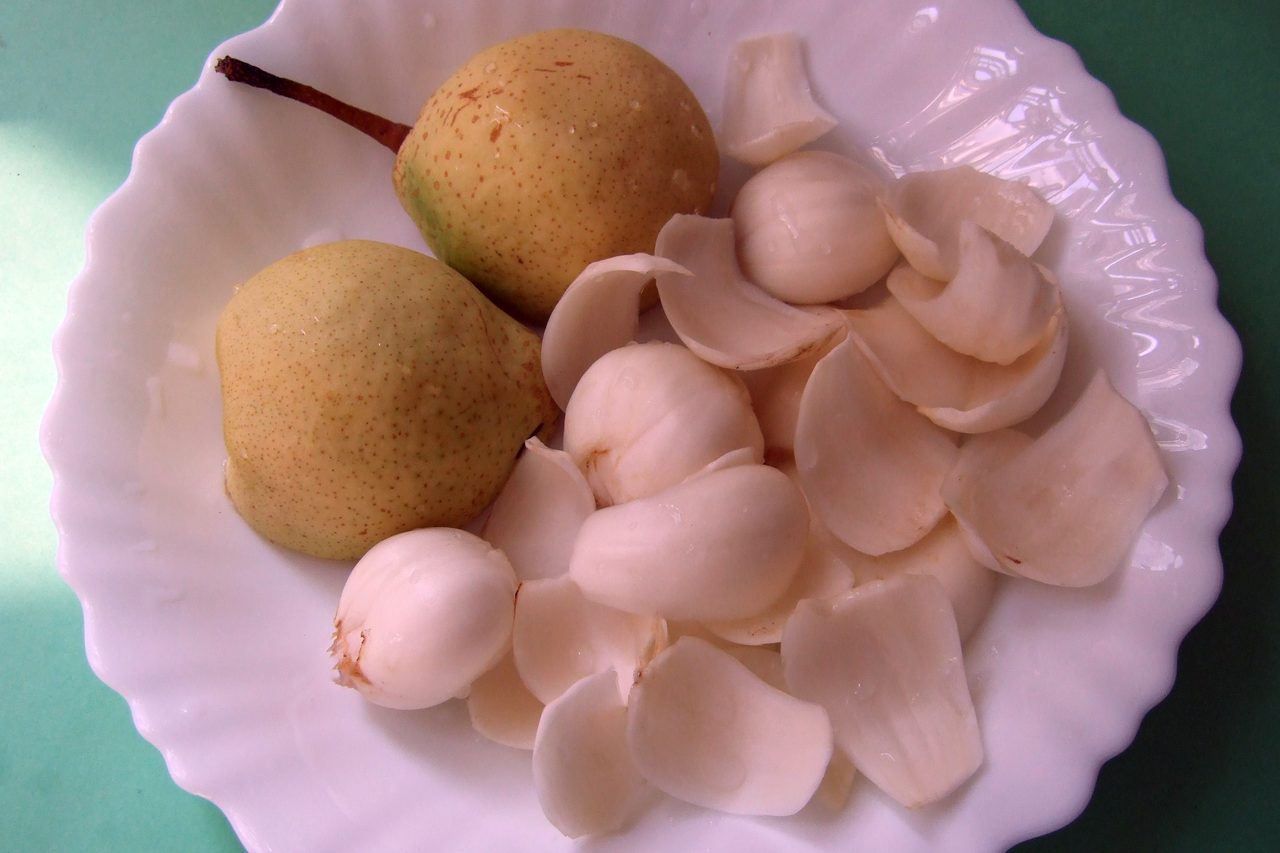
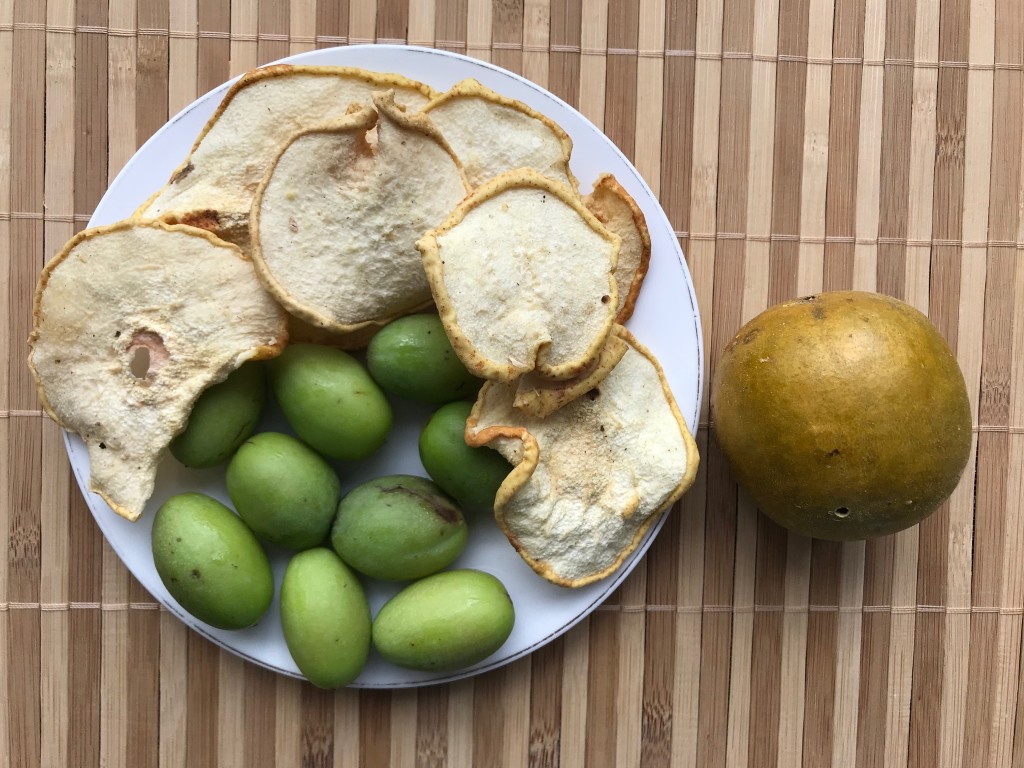
Monk fruit flowers can be found at Chinese herb shops and online — look for the dried blossom form. The tea has a pleasant subtle fragrance. For a cooling, moisture-nourishing alternative to tackle coughs when monk fruit flowers are unavailable, Bro Niu suggests making a brew with monk fruit (1/3 piece), snow pear (1 piece, core removed), simmered in 3 bowls of water to make 2 bowls — this combination can also clear heat and resolve phlegm.
Community questions answered (selected)
-
Q (shirley): My son (4 years old) has been waking up coughing at 5–6 am for the past few days. Can he drink this tea? Bro Niu: Yes, this tea is suitable for your son. Monk fruit flowers can sometimes be difficult to find locally — try Chinese or Asian herb shops, or look for them online.
-
Q (天天): Is monk fruit water suitable for a 6-year-old with clear phlegm and cough? The child’s tongue has red spots in the middle — is that a heat sign? Does the child have both cold and heat? Bro Niu: Regular monk fruit water is quite cooling. Adding a piece of dried tangerine peel and 2 qian of xuan shen (Scrophularia) when simmering should help improve the child’s condition.
-
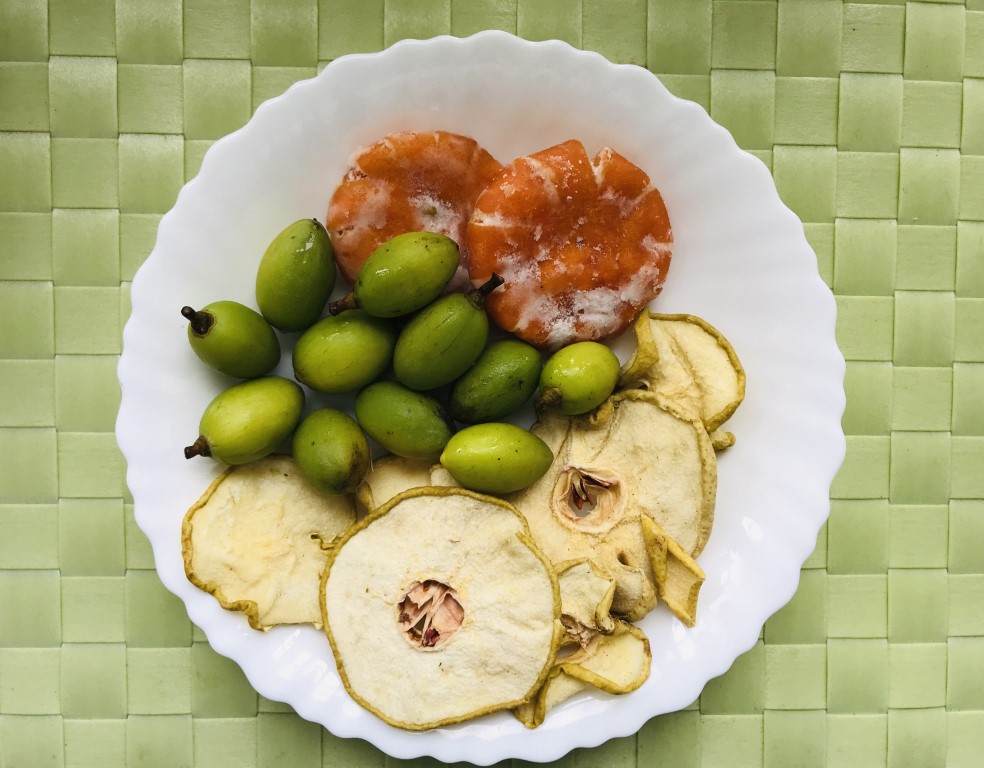
Q (Anna): I have had an allergic cough since the day with the worst air pollution, several months ago. I have seen Chinese and Western doctors, and tried crocodile meat and fritillaria soup — nothing has stopped it. What else can I try? Bro Niu: A persistent allergic cough really benefits from an experienced Chinese medicine doctor — try one of the TCM clinics at a university hospital. You can also try: fritillaria (chuan bei) 3 qian, adenophora (sha shen) and ophiopogon (mai dong) 4 qian each, snow pear 2 pieces (cored), apricot kernels 1 liang, dried figs 4 pieces — simmer in 6 bowls of water to make 3 bowls. Good for persistent coughs. Try 3 portions.
Published April 25, 2010 · Adapted and translated for Nourilo from a traditional home-kitchen recipe. Approx. 4 min read.