Herbal & Flower Teas
Golden Monk Fruit, Almond & Dried Fig Tea
traditionally used to soothe the throat, support lung moisture, and ease dry constipation
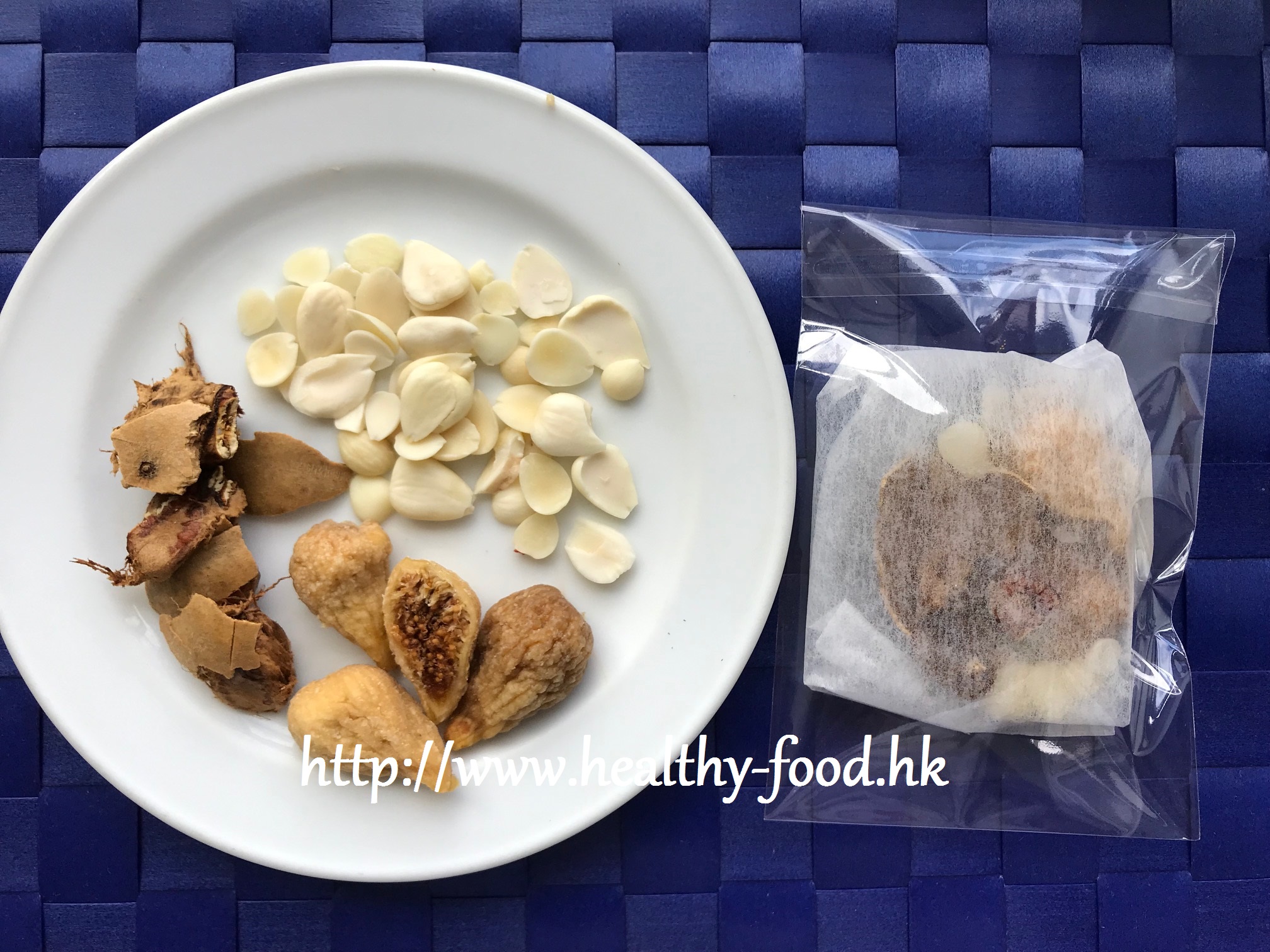
Why people make this tea
Bro Niu has a particular fondness for golden monk fruit — unlike the traditional smoked version, it is made by gently dehydrating fresh fruit at a low temperature, so it keeps its natural sweetness without any smoky aftertaste. This tea is his go-to recommendation for anyone dealing with a dry, scratchy throat from talking too much, smoky environments, or the simple dryness of autumn. It is also genuinely pleasant to drink — naturally sweet, clean-tasting, and easy to make.
Who it suits / who should be cautious
- Suitable for the whole family; both adults and children can enjoy it
- Especially beneficial for people who smoke or drink regularly — it traditionally supports the throat and lungs after exposure to these irritants
- Generally regarded as a mild and gentle tea; no major cautions for healthy adults
Why these ingredients (the food-therapy logic)
- Golden monk fruit (jin luo han guo): Considered a premium form of the traditional monk fruit; low-temperature drying preserves more of the natural compounds associated with throat soothing, mild laxative action, and blood sugar modulation
- Sweet and bitter almonds (nan bei xing): A classic pair in Cantonese food therapy; sweet almonds (nan xing) nourish the lungs while bitter almonds (bei xing) have a stronger cough-relieving and phlegm-clearing quality — used together they balance each other well
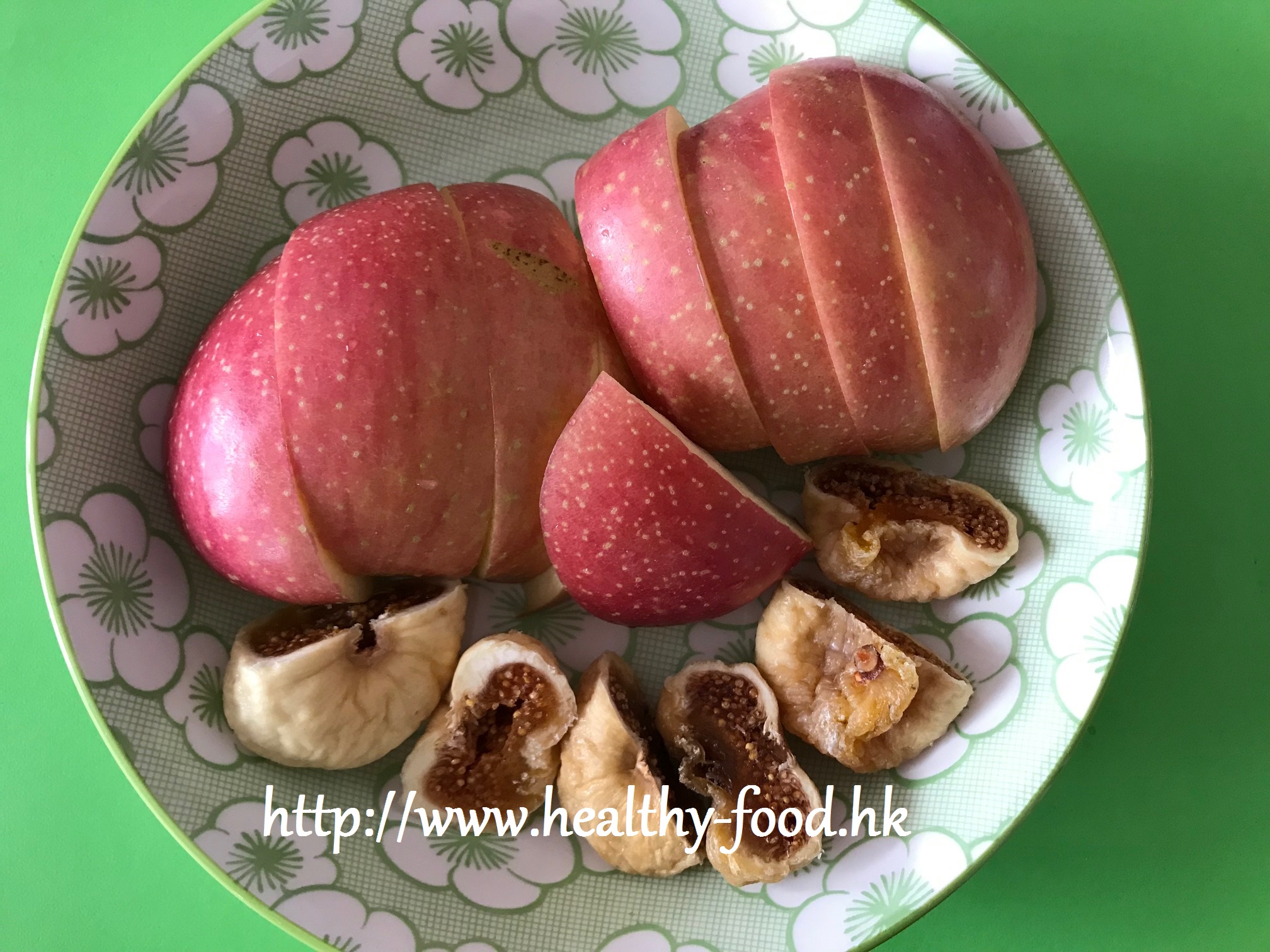
- Dried figs (wu hua guo): Traditionally associated with moistening the intestines, easing constipation, and supporting the throat; they also add a gentle natural sweetness to the tea
Ingredients (1 pot, refillable)
| Ingredient | Amount | Notes |
|---|---|---|
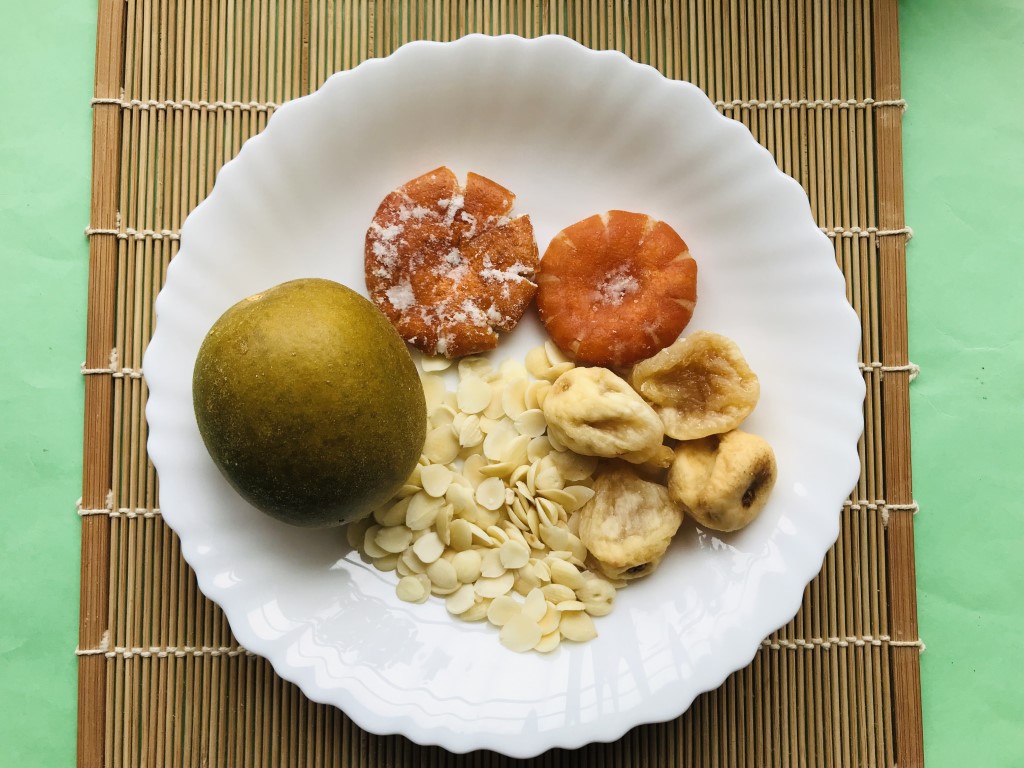
| Golden monk fruit (jin luo han guo) | 1/6 of a fruit | Crush or break into pieces |
| Sweet and bitter almonds (nan bei xing) | 2 teaspoons (~10 g) | Rinse before use |
| Dried figs (wu hua guo) | 2–3 pieces | Slice or cut in half |
Method
- Break or crush the monk fruit into small pieces.
- Slice the dried figs.
- Place all three ingredients into a reusable tea bag or infuser.
- Put the infuser into a teapot or large mug.
- First pour a small amount of boiling water over the ingredients, swirl briefly, and discard this rinse.
- Pour fresh boiling water over the ingredients and allow to steep for 10 minutes.
- Drink and continue refilling with boiling water until the flavour fades.
Bro Niu’s tips
This tea has a pleasant natural sweetness that suits all ages — young and old alike. For those who smoke or drink alcohol regularly, it is especially valuable as a daily support drink. Regular use is traditionally associated with strengthening general wellness and supporting the body’s natural resilience. You can keep refilling the pot until the tea loses its flavour.
Community questions answered (selected)
-
Q (Rita): I have heard that the seeds inside monk fruit can cause phlegm to build up. Is this true, and does golden monk fruit have the same issue? Bro Niu: The skin and seeds of monk fruit both have phlegm-resolving properties. You can use the whole fruit.
-
Q (Elaine): What foods are associated with anti-cancer support in Chinese food therapy? Bro Niu: Most fresh vegetables and fruits are beneficial. Asparagus, tomatoes, carrots, and beetroot are all noted in food therapy. A lemon and passion fruit honey tea is also considered to have good properties. For a soup approach, shiitake mushrooms (ji song rong), goji berries, and asparagus with lean pork is a classic combination.
-
Q (Elaine): Are there foods that people with cancer should avoid? Bro Niu: Foods considered “stimulating” (fa wu) — such as bamboo shoots, shrimp, crab, pork neck, fish without scales, mango, and pineapple — are traditionally thought to promote inflammation. Try to eat these sparingly.
Published August 29, 2019 · Adapted and translated for Nourilo from a traditional home-kitchen recipe. Approx. 3 min read.