Herbal & Flower Teas
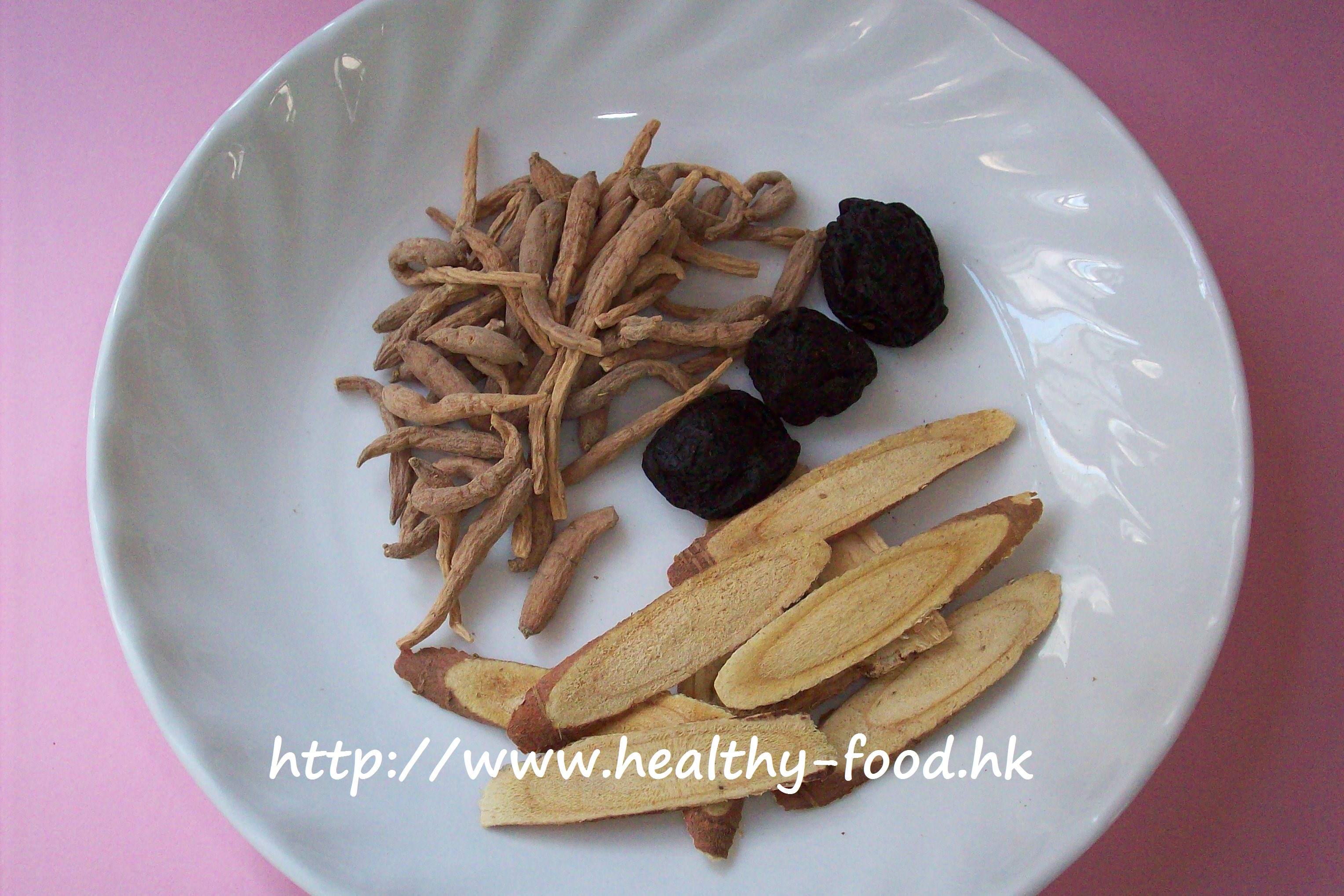
Pseudostellaria Root and Smoked Plum Tea
traditionally used to nourish lung qi, support relief from a dry lingering cough, and reduce fatigue
Why people make this tea
Not all coughs are the same. There is the obvious, wet, productive cough of an active infection — and then there is the other kind: a dry, nagging cough that lingers for weeks after an illness has mostly resolved, often accompanied by tiredness, a dry throat, and a general feeling of low energy. In traditional Chinese food therapy, this second type is often described as a “lung qi and yin deficiency” pattern.
Pseudostellaria root (tai zi shen) is a mild but reliable tonic herb that belongs to the carnation family rather than the true ginseng family — making it noticeably gentler in nature. It has a long history of use in China for people who need some support but cannot tolerate the stronger warming ginsengs. Paired with smoked plum’s astringent, lung-gathering quality and liquorice’s harmonising sweetness, this three-ingredient tea is a classic formula for a cough that just will not quite finish.
Method
- Rinse all ingredients briefly and soak for a few minutes.
- Place in a pot with 1.2 L of water.
- Bring to a boil, then simmer gently for about 30 minutes until reduced to approximately 600 ml.
- Strain and serve warm. Drink in two portions over the day.
Nourilo’s Tips
This tea has a traditional association with supporting vitality and is considered anti-ageing in a gentle, replenishing sense. It is helpful for children with a long-lasting cough that will not fully clear. For a wind-type cough with a dry throat and sticky phlegm, add a small pinch of chrysanthemum (ju hua) to the brew. If no wu mei is available, substitute schisandra berry (wu wei zi) 11 g — it has a similar lung-astringent quality.

Comments
Join the conversation — sign in or create a free account to comment.
Continue with GoogleLoading comments…