Herbal & Flower Teas
Lotus Seed, Lily Bulb & Ophiopogon Tea
Traditionally used to nourish the heart and support restful sleep
Why people make this tea
In traditional Chinese food therapy, when the body has what practitioners call “excess heart fire” — a pattern associated with modern stress, overwork, and poor sleep — soothing, moisture-nourishing ingredients are used to bring a sense of calm. This three-ingredient tea has been used for generations by people dealing with a racing mind at night, low-grade irritability, and the feeling of being simultaneously tired and wired. It is gentle enough to drink regularly and makes a nourishing evening ritual.
Who it suits / who should be cautious
- Well suited for adults who often feel mentally restless, anxious, easily startled, or who have difficulty falling or staying asleep
- Also helpful for those who feel thin, fatigued, or mildly overheated
- No strong contraindications for occasional use; those with loose stools or a very cold constitution should limit frequency
- As always, for serious or persistent mental-health concerns, please see a doctor rather than relying on food therapy alone
Why these ingredients (the food-therapy logic)
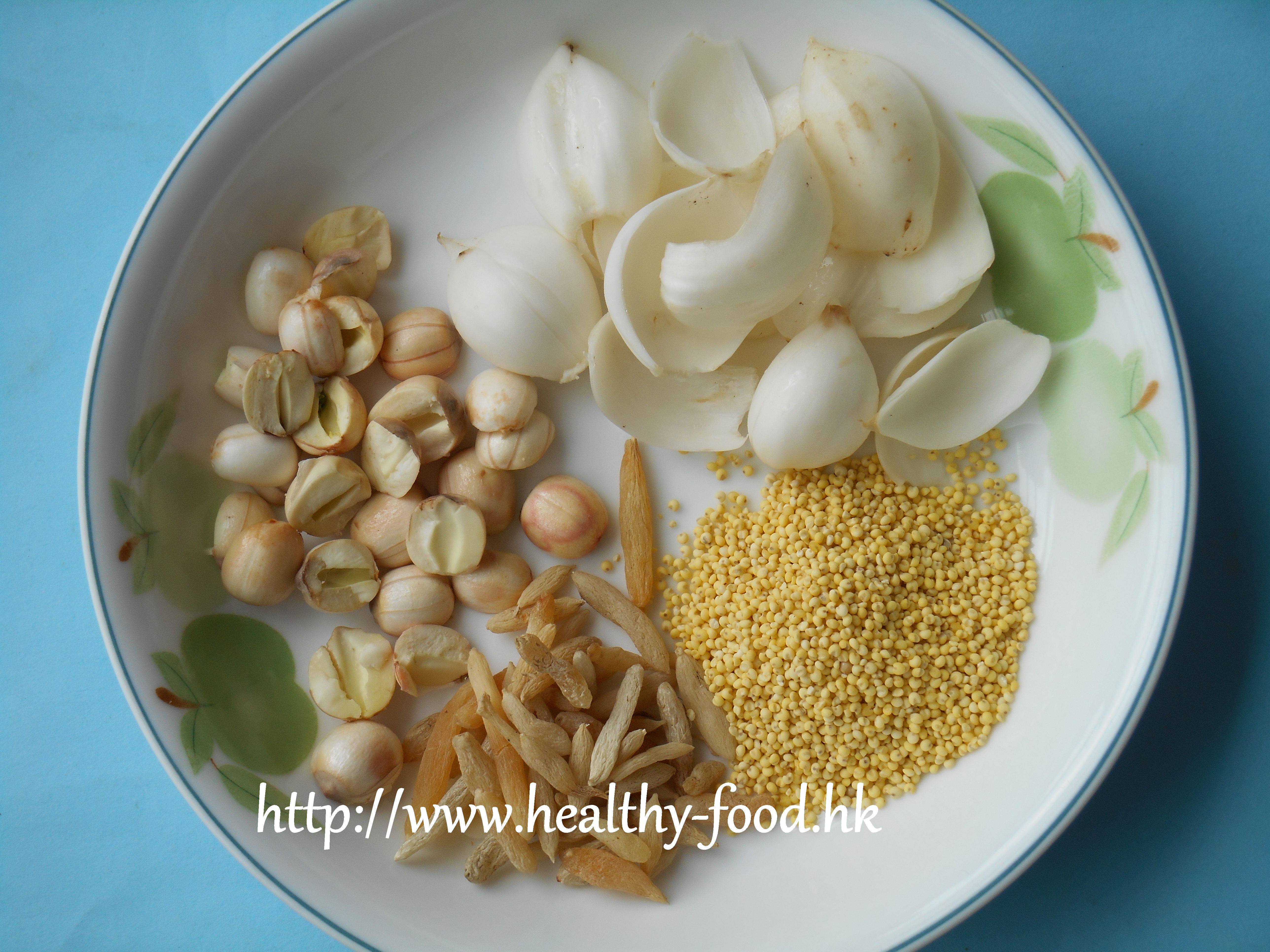
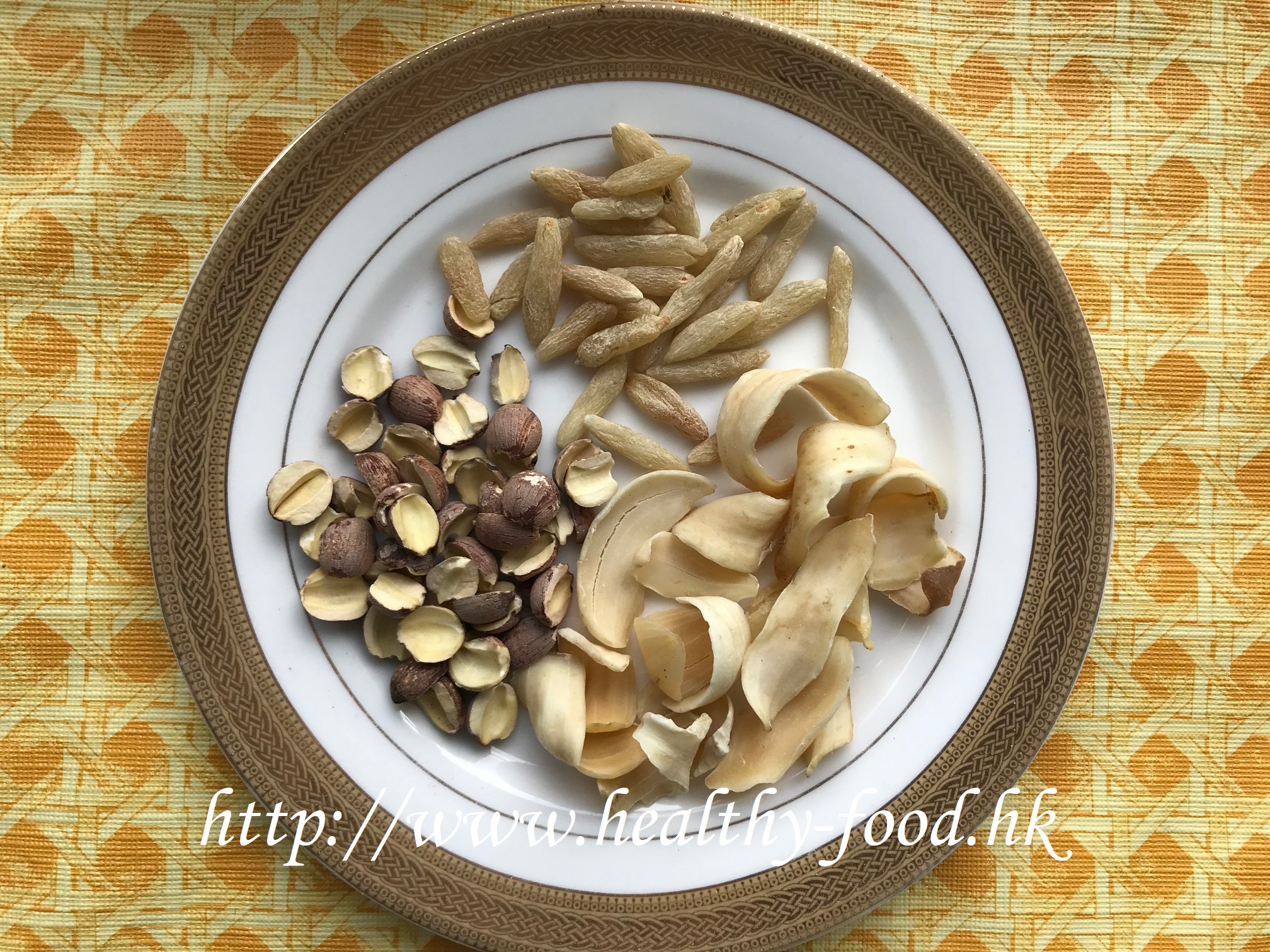
- Lotus seeds (lian zi): Traditionally valued for their ability to calm the mind and support the heart and spleen; the naturally starchy texture makes them mildly grounding and nourishing
- Lily bulb (bai he): A gentle, moisture-replenishing ingredient associated with soothing emotional restlessness and supporting lung and heart nourishment in the traditional system
- Ophiopogon root (mai dong): A classic yin-nourishing herb used to support fluid balance and ease a dry, parched feeling that can accompany restless nights
Ingredients (3 bowls / 1 pot)
| Ingredient | Amount | Notes |
|---|---|---|
| Lotus seeds (lian zi) | 38 g (1 liang) | Dried; soak briefly before cooking |
| Lily bulb, dried (bai he) | 38 g (1 liang) | Dried white lily petals from Chinese herbalists |
| Ophiopogon root (mai dong) | 19 g (5 qian) | Small tuberous roots; available at Chinese herb shops |
| Water | 6 bowls (~1.4 L) |
Method
- Rinse all three ingredients well under cold water.
- Combine with 6 bowls of water in a pot and bring to a boil.
- Reduce heat and simmer for 1 hour, or until the liquid reduces to about 3 bowls.
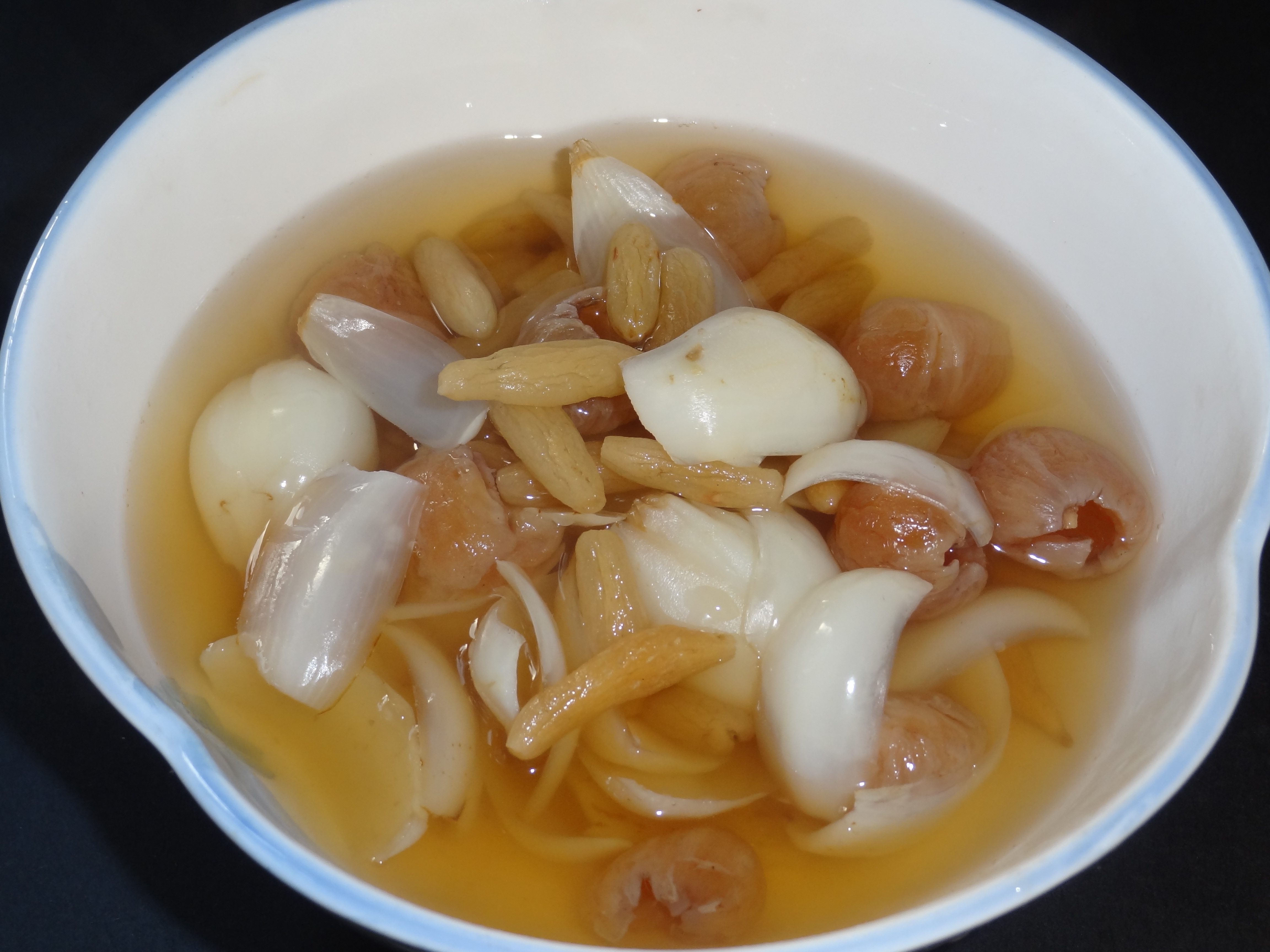
- Divide into portions and drink throughout the day. One batch serves as a daily dose.
Bro Niu’s tips
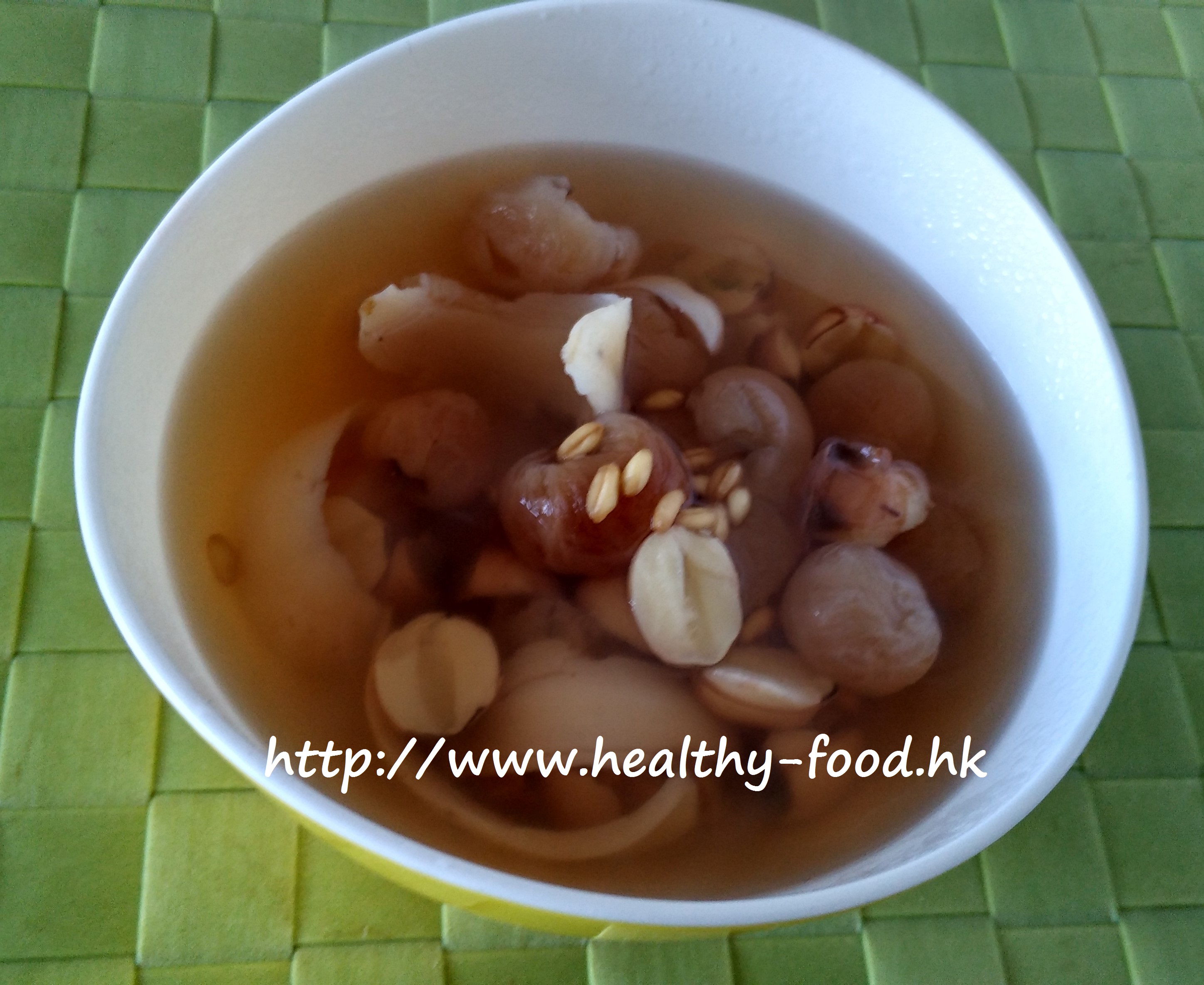
A lovely variation: add a small handful of white rice to the pot and cook everything into a thin congee (rice porridge). The rice gently tonifies the digestive system and makes the remedy more suitable for those with a sensitive stomach. The congee version is warming, easy to digest, and works just as well for calming an unsettled evening.
Community questions answered (selected)
-
Q (Karen): I wake up every three or four hours at night. Can I drink this tea every day? Bro Niu: Yes, you can drink it regularly — four or five times a week is fine. Do give your body some rest days in between.
-
Q (reader): I often feel a wave of heat rushing up to my head and then it disappears. Is there something I can eat for that? Bro Niu: That may be a mild hot-flush type of pattern. Try including more snow fungus, lily bulb, barley, mulberries, and goji berries in your diet. You could also brew a simple tea with American ginseng, goji berries, and chrysanthemum flowers.
Published June 13, 2021 · Adapted and translated for Nourilo from a traditional home-kitchen recipe. Approx. 3 min read.