Soups
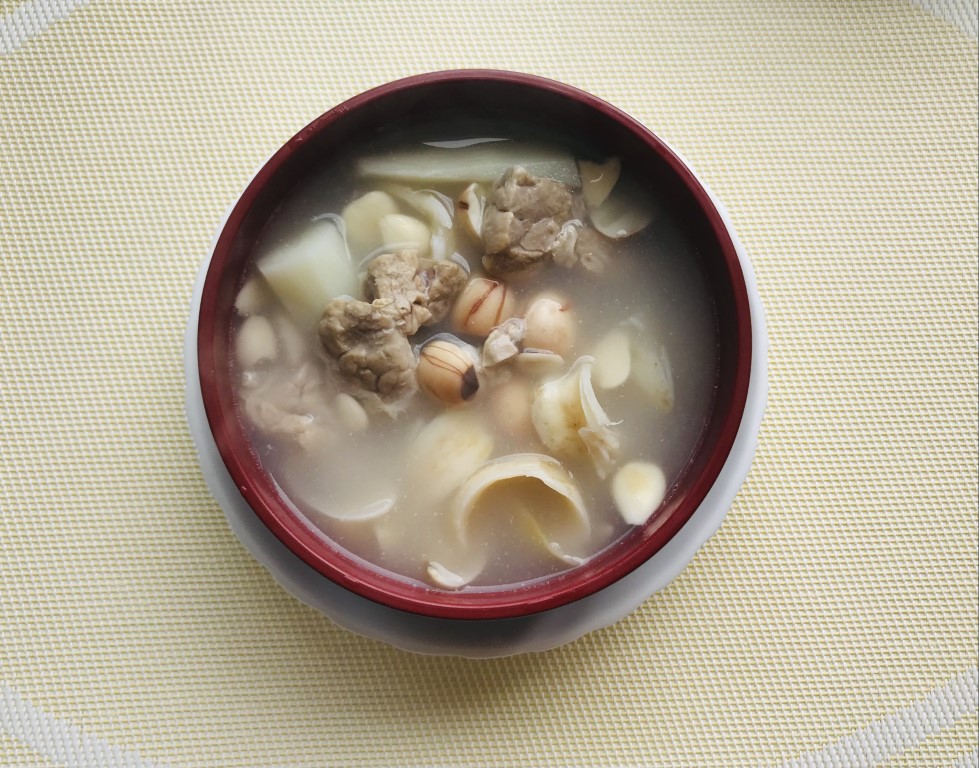
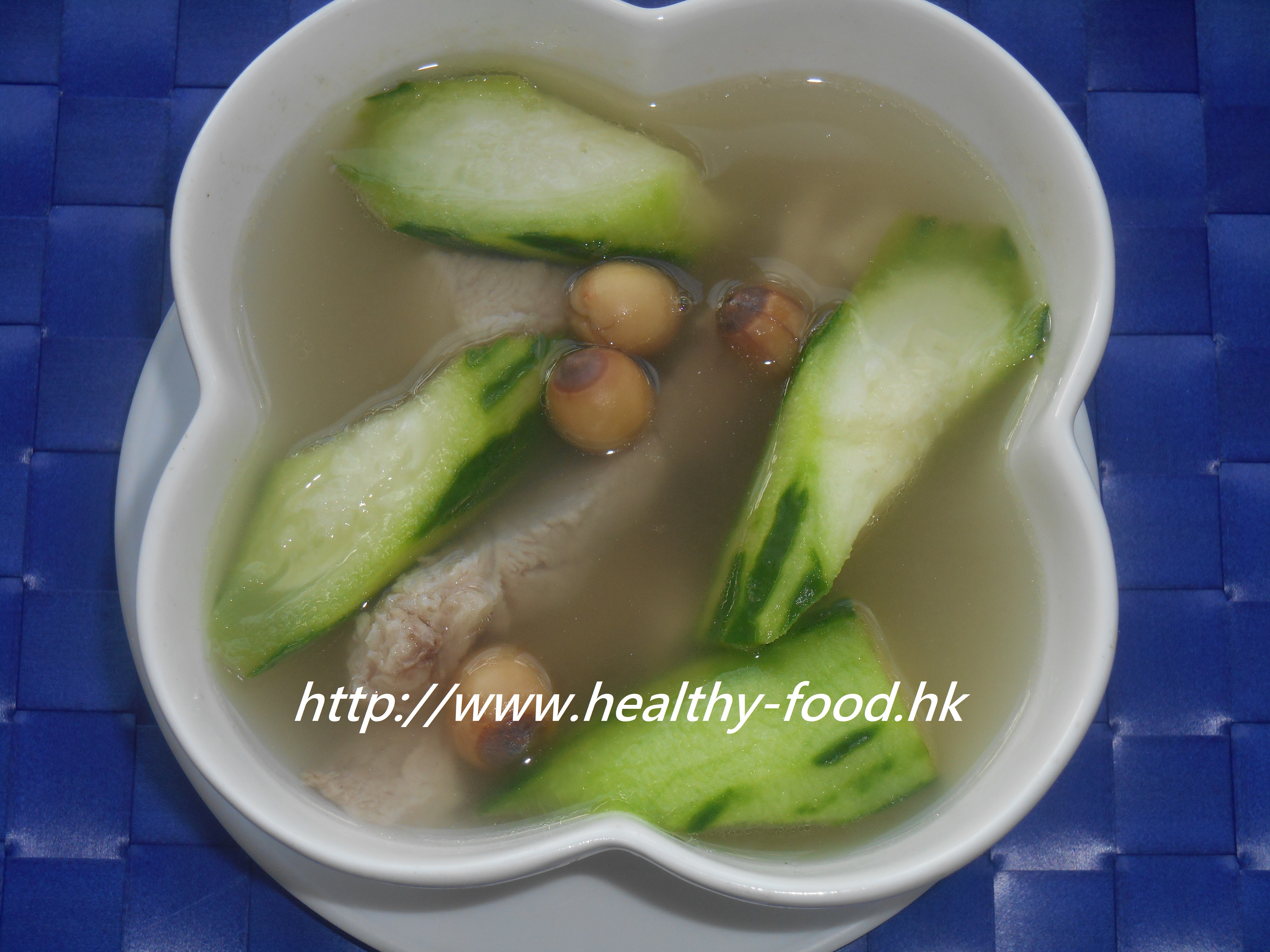
Loofah, Fresh Lotus Seed & Lean Pork Soup
traditionally associated with brightening skin, easing anxiety, and supporting menstrual regularity
Why people make this soup
When loofah (silk squash) is in season, Bro Niu loves to buy a bunch — not just for cooking, but also for skincare. A small freshly cut slice rubbed gently on the skin has long been used in Chinese households as a natural moisturiser and brightener. The reason, as modern science confirms, is that loofah is rich in B-group vitamins that help slow skin ageing and vitamin C, which brightens the complexion. No wonder fresh loofah juice has been called “beauty water” for generations.
Fresh lotus seeds are another seasonal gem. They contain high levels of vitamin B1 and the mineral zinc, which supports brain health and helps regulate the nervous system. Traditional food therapy values them as a natural stress-reliever — particularly helpful for people who feel emotionally tense, have trouble sleeping, or experience mood fluctuations before their period.
Who it suits / who should be cautious
- Suitable for most adults, teenagers, and older children; the soup is described as suitable for all ages
- Particularly good for those with anxious or tense emotions, difficulty sleeping, irregular periods, or tiredness
- People with a cold, weak spleen and stomach constitution should not drink this in excess, as loofah and lotus seeds are slightly cooling
Why these ingredients (the food-therapy logic)
- Loofah / silk squash (si gua): Contains B-group vitamins and vitamin C; in food therapy associated with clearing heat, resolving phlegm, promoting circulation, and brightening the complexion
- Fresh lotus seeds (xian lian zi): Rich in B1 and zinc; traditionally associated with calming the mind, supporting heart function, nourishing the spleen, and easing premenstrual tension; the inner green core (lian xin) is said to be particularly cooling for the heart
- Lean pork (shou rou): Provides readily absorbable protein and iron; adds body to the broth without making it heavy
Ingredients (3 bowls)
| Ingredient | Amount | Notes |
|---|---|---|
| Loofah (si gua) | 1 medium (~300–400 g) | Peel and cut into chunks |
| Fresh lotus seeds (xian lian zi) | 2 liang (~75 g) | Rinse; remove inner green core |
| Lean pork (shou rou) | 6 liang (~225 g) | Slice thinly |
Method
- Peel the loofah and cut into rough chunks.
- Rinse the fresh lotus seeds and remove the bitter green core from each one (split the seed gently and pull out the core with a toothpick or your fingernail).
- Slice the lean pork.
- Place all ingredients into a pot with 6 bowls (approximately 1.5 litres) of water.
- Bring to a boil, then reduce heat and cook for 30 minutes until it reduces to about 3 bowls.
- Serve; eat the solid ingredients along with the broth.
Bro Niu’s tips
Fresh lotus seeds are only available for a short season, so when you find them, buy extra and freeze them — they keep for several months in the freezer. The green core you remove from each lotus seed does not go to waste: steep the cores in hot water to make a small cup of lotus core tea. It has a pleasantly bitter taste and is traditionally associated with calming the heart and gently supporting healthy blood pressure.
Community questions answered (selected)
- Q (张太): In hot weather I sometimes suddenly feel intensely cold all over, shaking and needing heavy blankets, lasting half an hour. I also have adenomyosis. What soup would you recommend? Bro Niu: You may have kidney yang deficiency. Eating and drinking warm foods is advisable; cold and raw foods may worsen symptoms. Dried ginger, brown sugar, and red dates simmered in water can help warm the spleen and stomach.
Published September 7, 2019 · Adapted and translated for Nourilo from a traditional home-kitchen recipe. Approx. 3 min read.